The Week The Week
flag of US
US
flag of UK
UK
https://cdn.mos.cms.futurecdn.net/flexiimages/jacafc5zvs1692883516.jpg

SUBSCRIBE & SAVE

Less than $3 per week

Sign in
  • View Profile
  • Sign out
  • The Explainer
  • The Week Recommends
  • Newsletters
  • Cartoons
  • From the Magazine
  • The Week Junior
  • Student Offers
  • More
    • Politics
    • World News
    • Business
    • Health
    • Science
    • Food & Drink
    • Travel
    • Culture
    • History
    • Personal Finance
    • Puzzles
    • Photos
    • The Blend
    • All Categories
  • Newsletter sign up Newsletter
  • WeekDay AM: 10 Things you need to know this morning
    Erasmus returns, employment bill passes, and Dubai chocolate’s allergy risk

     
    today’s education story

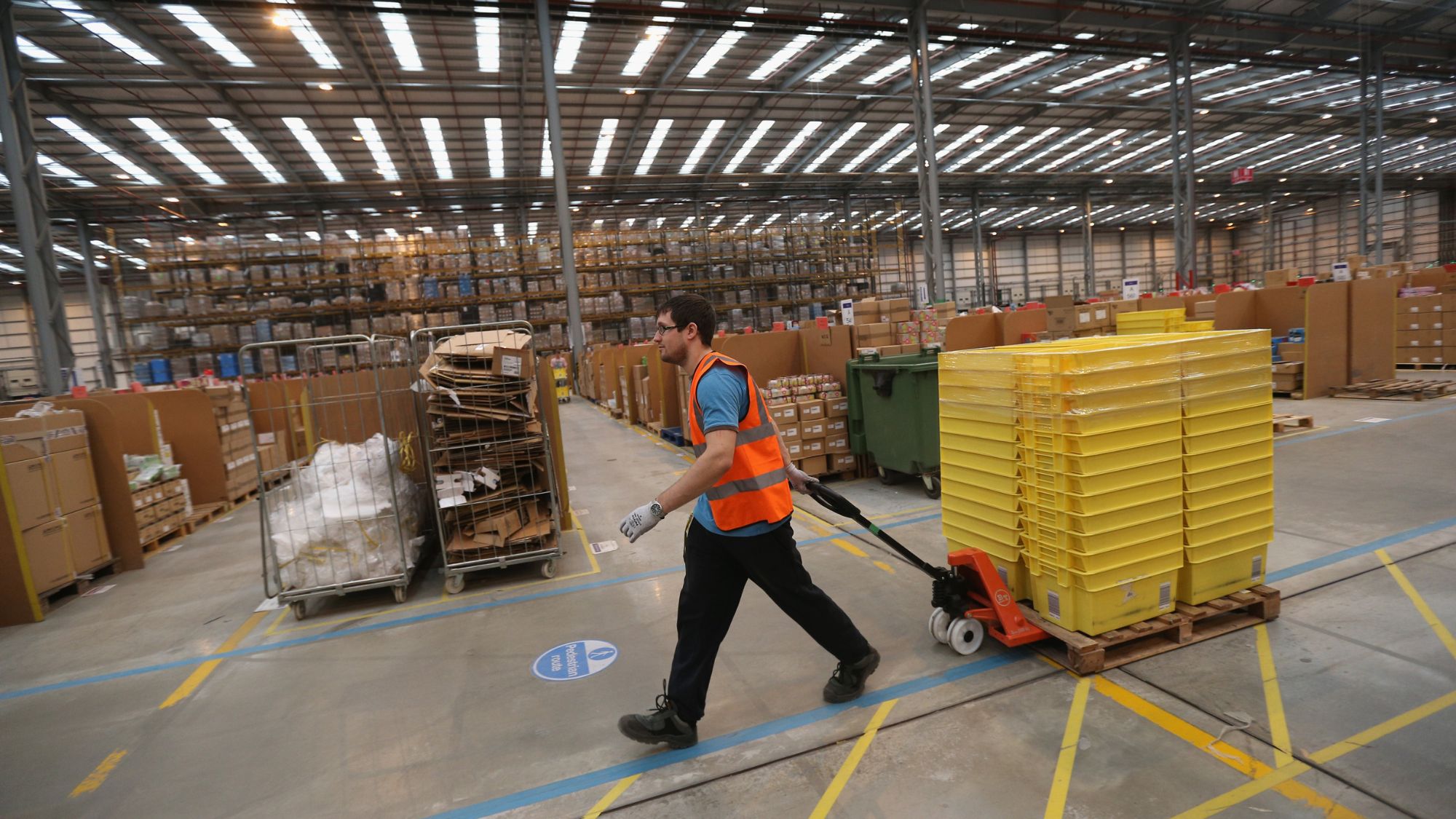
    UK will return to Erasmus exchanges from 2027

    What happened
    Britain is preparing to re-enter the European Union’s Erasmus exchange programme, reversing a decision taken in the aftermath of Brexit. The move will restore access to EU-backed funding that supports study, training and volunteering placements across Europe.

    Who said what
    Student representatives have welcomed the decision. Alex Stanley of the National Union of Students said it was “fantastic that another generation of students will be able to be part of the Erasmus programme”, adding that “students have been campaigning to rejoin Erasmus from the day we left”.

    With “public opinion softening”, the “breakthrough on Erasmus” will help the UK government “demonstrate progress in its push to improve relations with the EU”, said Pippa Crerar in The Guardian. Last month Keir Starmer declared that “we do need to get closer” with the bloc.

    UK ministers are “expected to argue that they have only signed up to an Erasmus deal as a result of EU concessions on cost” and will likely seek to “highlight how they recently rejected the case for Britain to join the bloc’s new rearmament programme on the grounds that the terms were too expensive”, said Chris Smyth in the Financial Times.

    What next?
    Once Erasmus is reintroduced for British students it is “not clear what will happen to the Turing scheme”, which had been devised in 2021 to fund overseas placements worldwide, said Nathan Standley on the BBC.


    today’s politics story

    Labour’s employment reforms to become law

    What happened
    After weeks of back and forth, the House of Lords has finally passed Labour’s Employment Rights Bill. The legislation, a centrepiece of the government’s election platform, is expected to receive royal assent tomorrow. Its passage followed weeks of resistance from Conservative and crossbench members, forcing government ministers to compromise in order to meet their timetable and begin rolling out changes from April.

    Who said what
    This is “a historic day” for working people, said TUC general secretary Paul Nowak. Business secretary Peter Kyle said the reforms would modernise Britain’s employment framework and extend “dignity and respect” to millions.

    But the “big quarrels over the workers’ rights bill have barely started”, said Nils Pratley in The Guardian. Many critical details have been “deliberately left to be resolved in secondary legislation”.

    What next?
    The new laws will introduce guaranteed hours protections, curb fire-and-rehire practices, expand parental leave entitlements and strengthen union rights. Some elements, including unfair dismissal protections, have been scaled back, with further details still to come.


    Today’s health story

    Watchdog says some Dubai chocolates dangerous

    What happened
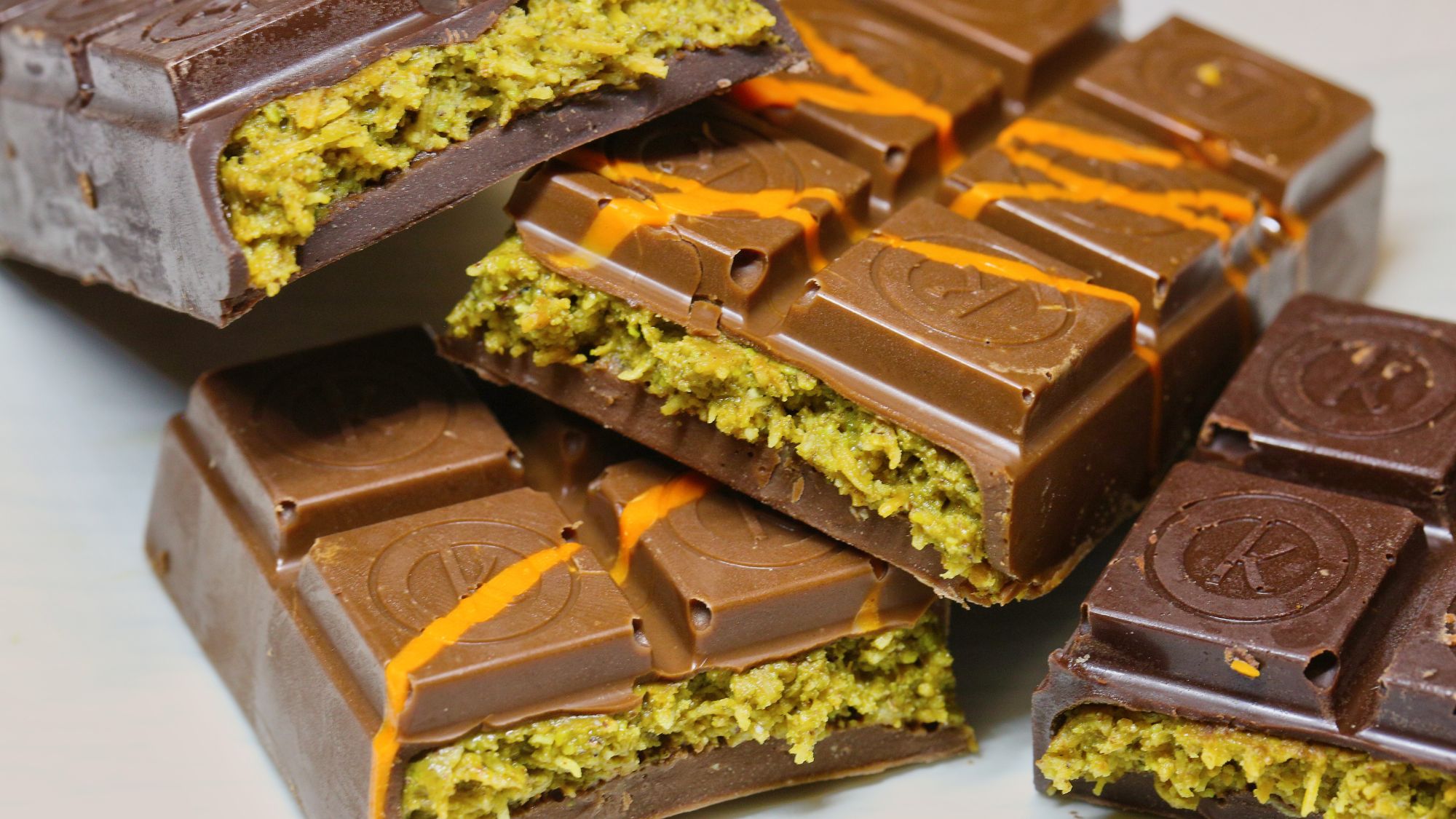
    The Food Standards Agency has issued a major warning of allergy risk for certain “Dubai-style” chocolate products as it reviews samples from items currently on sale to ensure that they meet food safety standards.

    Who said what
    The bars are typically filled with pistachio, tahini and shredded filo pastry known as angel hair, said The Telegraph. But Rebecca Sudworth, director of policy at the food watchdog, said some “contain peanut and sesame that aren’t declared on the label”. Such products are “dangerous” to sufferers of “all allergies, not just peanut and sesame”.

    To meet soaring demand, unscrupulous manufacturers have been churning out “cheap” and “dangerous knock-offs” laced with undeclared allergens, as well as “illegal food dyes, toxins produced by moulds and even chemicals thought to be carcinogenic”, said the Daily Mail.

    What next?
    Jessica Merryfield, head of policy and campaigns at the Chartered Trading Standards Institute, has urged all food businesses to “take immediate steps to comply” with labelling requirements. For those without an allergy, Dubai-style chocolate products remain safe to consume.


    It’s not all bad

    Fifa has announced a new low-cost ticket option for the 2026 World Cup in response to criticism over soaring prices. A capped $60 (£45) “entry tier” ticket will be made available to supporters of competing teams for every match, including the final. About 1,000 tickets a game will be offered at that price, distributed via national associations, giving a limited number of fans an affordable path to the expanded 48-team tournament.


    under the radar

    The Alps start the countdown to ‘peak glacier extinction’

    The world’s supply of glacial ice is quickly approaching an alarming milestone. In a striking study published this week in Nature Climate Change, researchers modelling multiple warming scenarios predicted that the number of glaciers that disappear annually is set to dramatically increase in the coming decades.

    The paper introduces the concept of “peak glacier extinction”, defined by researchers as the year in which the “largest number of glaciers is projected to disappear between now and the end of the century”. With the Alps leading our planet’s glacial disappearing act, the next few years may be a turning point for much of the Earth’s ice.

    Although typical glacier studies concentrate on “mass and area loss”, the new research focuses on the disappearance of “individual glaciers” – a trend that “directly threatens culturally, spiritually and touristically significant landscapes”, said the study’s authors.

    Unsurprisingly, areas featuring the “smallest and fastest-melting glaciers” are “most vulnerable”, with about 3,200 glaciers in central Europe set to shrink by 87% by the coming century – “even if the global temperature rise is limited to 1.5 degrees Celsius”.

    The study shows that we are at a “point of no return”, Eric Rignot, a professor of Earth system science at the University of California at Irvine, told CNN. “Reforming a glacier would take decades if not centuries.” The researchers behind the study hope that their paper – along with an accompanying database showing the “projected survival rate of each of the world’s 211,000 glaciers” – will help “assess climate impacts on local economies and ecosystems”, said Politico.


    on this day

    17 December 1989

    “The Simpsons”, created by Matt Groening as a short for “The Tracy Ullman Show”, aired its first full-length episode, “Simpsons Roasting on an Open Fire”. This week it was announced that Lindsay Lohan would guest star as the voice of Maggie, the mostly silent baby whose first words were spoken by Elizabeth Taylor in 1992.


    Today’s newspapers

    ‘Coming out fighting’

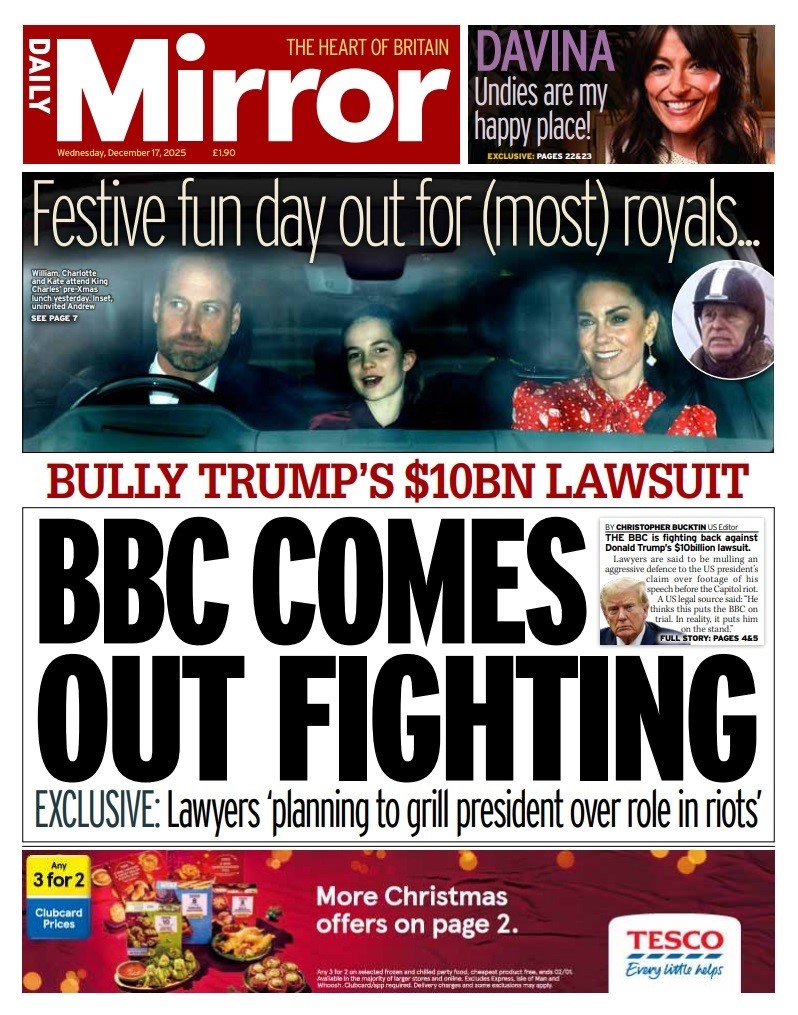
    “BBC comes out fighting” against “bully Trump’s $10bn lawsuit”, says The Mirror, but there’s “Free BBC if you live on benefits street”, says the Daily Mail. Following a “breakthrough”, the UK will rejoin the EU Erasmus programme for students, says The Guardian. It’s “the first tangible outcome of Sir Keir Starmer’s reset with the EU”, says The Times. “Recognise the brave heroes injured in the line of duty”, says the Daily Express. Football star Kylian Mbappé is “settling scores”, winning a “€60mn payout” from Paris Saint-Germain, the Financial Times says.

    See the newspaper front pages


    tall tale

    Nimble little suckers

    A Swedish musician has successfully taught an octopus to play the piano. Mattias Krantz rescued Takoyaki the octopus from a seafood market, believing he could be the “greatest pianist the sea has ever known”.  After hundreds of hours training on adapted tentacle-friendly keys – guided by a treat dispenser that released a morsel of crab meat for every correct note – Takoyaki was able to correctly play “Baby Shark”.


    Morning Report was written and edited by Arion McNicoll, Rafi Schwartz, Will Barker, Ross Couzens and Chas Newkey-Burden.

    Image credits, from top: Stephane Debove / Getty Images; Oli Scarff / Getty Images; Creative Touch Imaging Ltd / NurPhoto / Getty Images; Fabrice Coffrini / AFP / Getty Images.

    Morning Report and Evening Review were named Newsletter of the Year at the Publisher Newsletter Awards 2025
     

    Recent editions

    • Morning Report

      US offers Ukraine a security deal

    • Evening Review

      Seeking durable peace

    • Morning Report

      Mass shooting shakes Australia, Jewish communities

    VIEW ALL
    TheWeek
    • About Us
    • Contact Future's experts
    • Terms and Conditions
    • Privacy Policy
    • Cookie Policy
    • Advertise With Us
    • FAQ
    Add as a preferred source on Google

    The Week is part of Future US Inc, an international media group and leading digital publisher. Visit our corporate site.

    © Future US, Inc. Full 7th Floor, 130 West 42nd Street, New York, NY 10036.