The Week The Week
flag of US
US
flag of UK
UK
https://cdn.mos.cms.futurecdn.net/flexiimages/jacafc5zvs1692883516.jpg

SUBSCRIBE & SAVE

Less than $3 per week

Sign in
  • View Profile
  • Sign out
  • The Explainer
  • The Week Recommends
  • Newsletters
  • Cartoons
  • From the Magazine
  • The Week Junior
  • Student Offers
  • More
    • Politics
    • World News
    • Business
    • Health
    • Science
    • Food & Drink
    • Travel
    • Culture
    • History
    • Personal Finance
    • Puzzles
    • Photos
    • The Blend
    • All Categories
  • Newsletter sign up Newsletter
  • WeekDay AM: 10 Things you need to know this morning
    Iran’s next leader, Chinese espionage, and how rising CO2 is changing our blood

     
    today’s international story

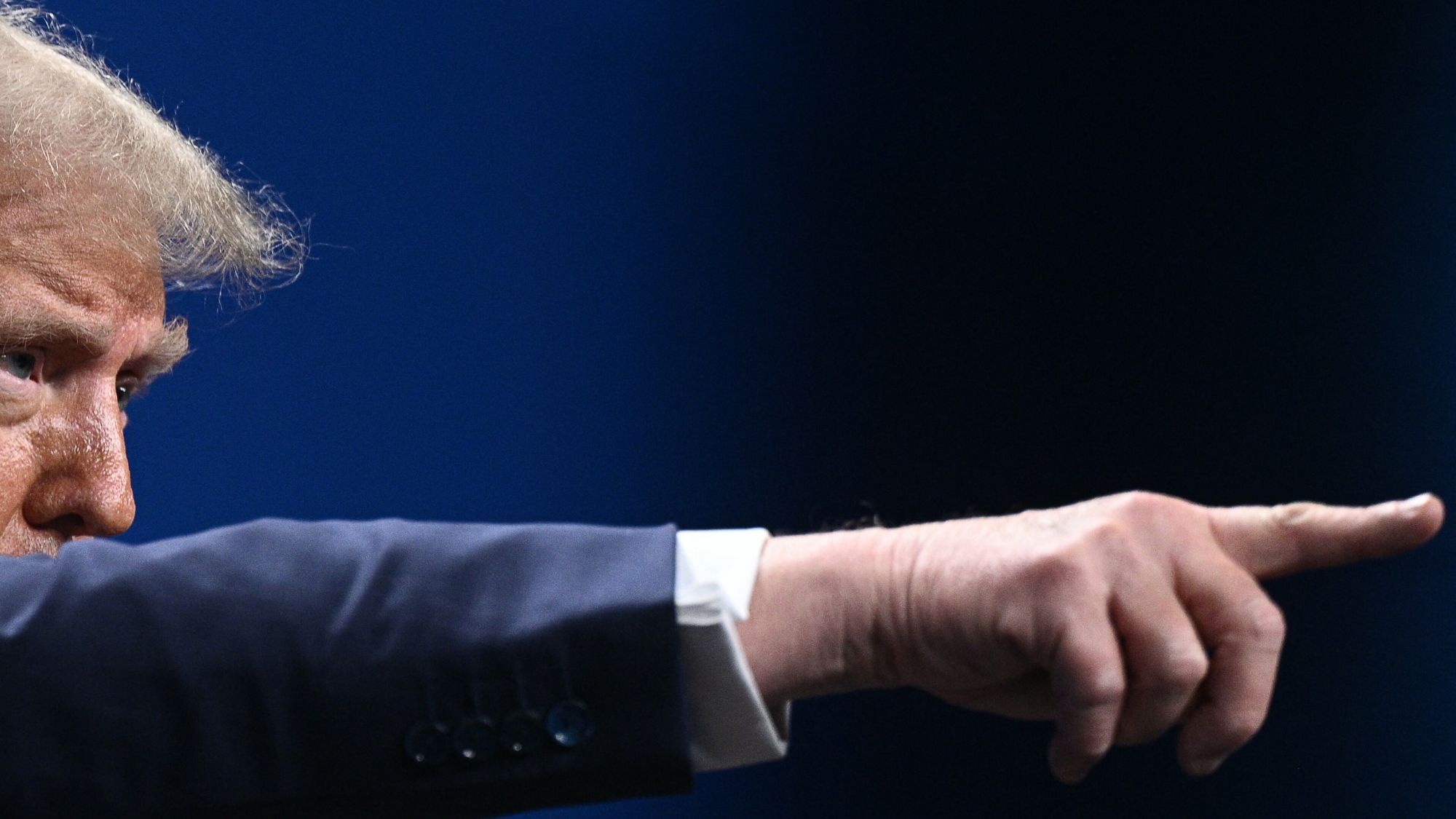
    Trump wants to pick Iran’s new leader

    What happened
    Donald Trump has said the US should have influence over who governs Iran following the killing of Ayatollah Ali Khamenei. The US president rejected Mojtaba Khamenei, the late supreme leader’s son, as a possible successor, calling him “unacceptable”.

    The remarks came as the conflict involving the US, Israel and Iran expanded across the Middle East. Israeli authorities issued evacuation warnings for neighbourhoods on the outskirts of Beirut ahead of strikes targeting Hezbollah positions. Several European countries began sending military assets to the region, while global markets reacted nervously, with oil prices continuing to rise amid fears of wider instability.

    Who said what
    “The younger Khamenei appears to have been chosen as the main candidate for supreme leader,” said Brendan Rascius in The Independent. Mojtaba Khamenei “has a background in Islamic theology and is considered a hardline conservative cleric”.

    “They are wasting their time. Khamenei’s son is a lightweight,” said Trump. “I have to be involved in the appointment, like with Delcy (Rodriguez) in Venezuela.” The comments came a day after US Defense Secretary Pete Hegseth “insisted that regime change was not the primary goal of the US military operation in Iran”, said The Guardian.

    What next?
    Military activity across the region shows little sign of slowing. Israeli strikes against Hezbollah positions near Beirut are continuing, while Iranian retaliatory attacks have targeted diplomatic sites, infrastructure and other facilities in the Persian Gulf.


    today’s espionage story

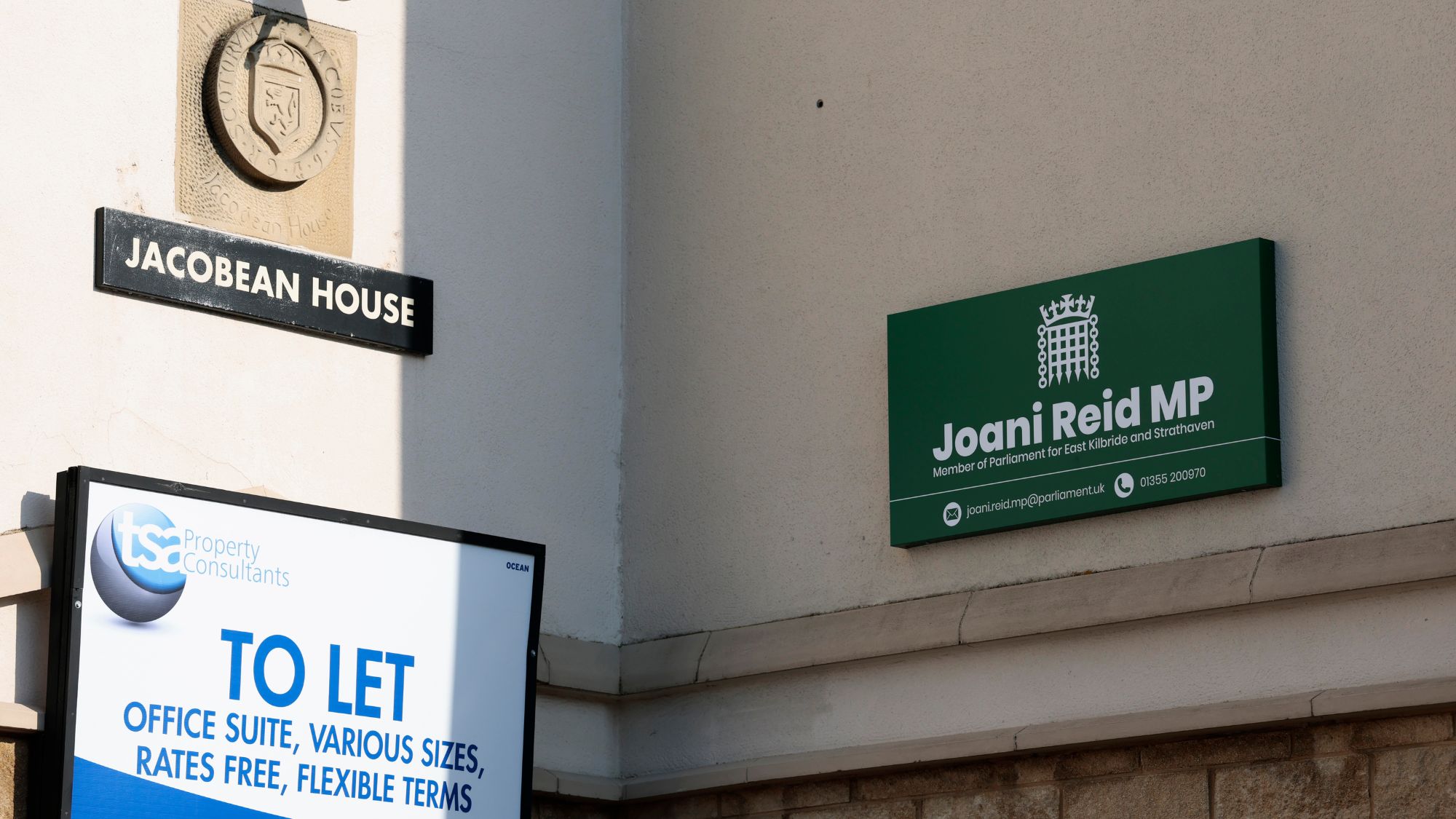
    MP steps aside after husband arrested in spying case

    What happened
    Labour MP Joani Reid has temporarily withdrawn from the party after her husband was detained by police investigating suspected links to Chinese intelligence. Reid announced that she was stepping away from Labour’s parliamentary ranks while the party conducts its own review. Her husband, businessman and former Labour adviser Michael Taylor, was arrested in London alongside two other men on suspicion of helping a foreign intelligence agency. Reid, who represents East Kilbride and Strathaven, stressed that she was not a suspect in the police inquiry.

    Who said what
    Reid said the past few days had been overwhelming, describing them as “the worst of my life” and adding that the shock had been hard on her family.

    The investigation comes after Keir Starmer visited Beijing this year and gave planning permission for a “controversial ‘super embassy’ in London”, said Sky News. Conservatives have accused Labour of pursuing a “failed policy of appeasement”.

    What next?
    The three men involved have been bailed until May while police continue examining potential foreign intelligence links. Reid said she would remain outside Labour’s parliamentary group until the party’s internal review was complete.


    Today’s literature story

    Romantasy author sparks buzz with two new books

    What happened
    Romantasy author Sarah J. Maas has announced a pair of new novels for her “A Court of Thorns and Roses” (ACOTAR) series, which has soared in popularity, partly because of its discussion on #BookTok – the literature discussion side of TikTok.

    The author (pictured above), who has sold more than 75 million books worldwide, told Alex Cooper’s “Call Her Daddy podcast” that her two latest works would be released towards the end of this year and at the start of next year.

    Who said what
    The announcement “set social media ablaze”, said The New York Times. ACOTOR has singlehandedly “fueled a boom in the romantasy genre”.

    “The story that was ready to come out of me was big,” said Maas. “It took me a while to find the right story and find the right head space”, but what “poured out of me”, poured out “very quickly”.

    The novels, which “set raunchy love stories against a fantasy background”, have established Maas as “one of Bloomsbury’s most successful authors”, said The Independent. They have become a “global phenomenon” and are “on track to be the next Harry Potter”.

    What next?
    Her sixth and seventh books are scheduled to be released on 27 October this year and 12 January next year.


    It’s not all bad

    Brazil has opened a 186km long-distance hiking route in its northeast, creating the region’s first officially marked trail and adding to a growing national network of walking paths. The Caminhos da Ibiapaba runs between the Ubajara and Sete Cidades national parks, crossing forests, savannah and dry shrubland. Marked with black-and-yellow footprints, the route follows historic trading paths and is designed to boost tourism, support rural communities and encourage conservation by improving public access to protected areas.


    under the radar

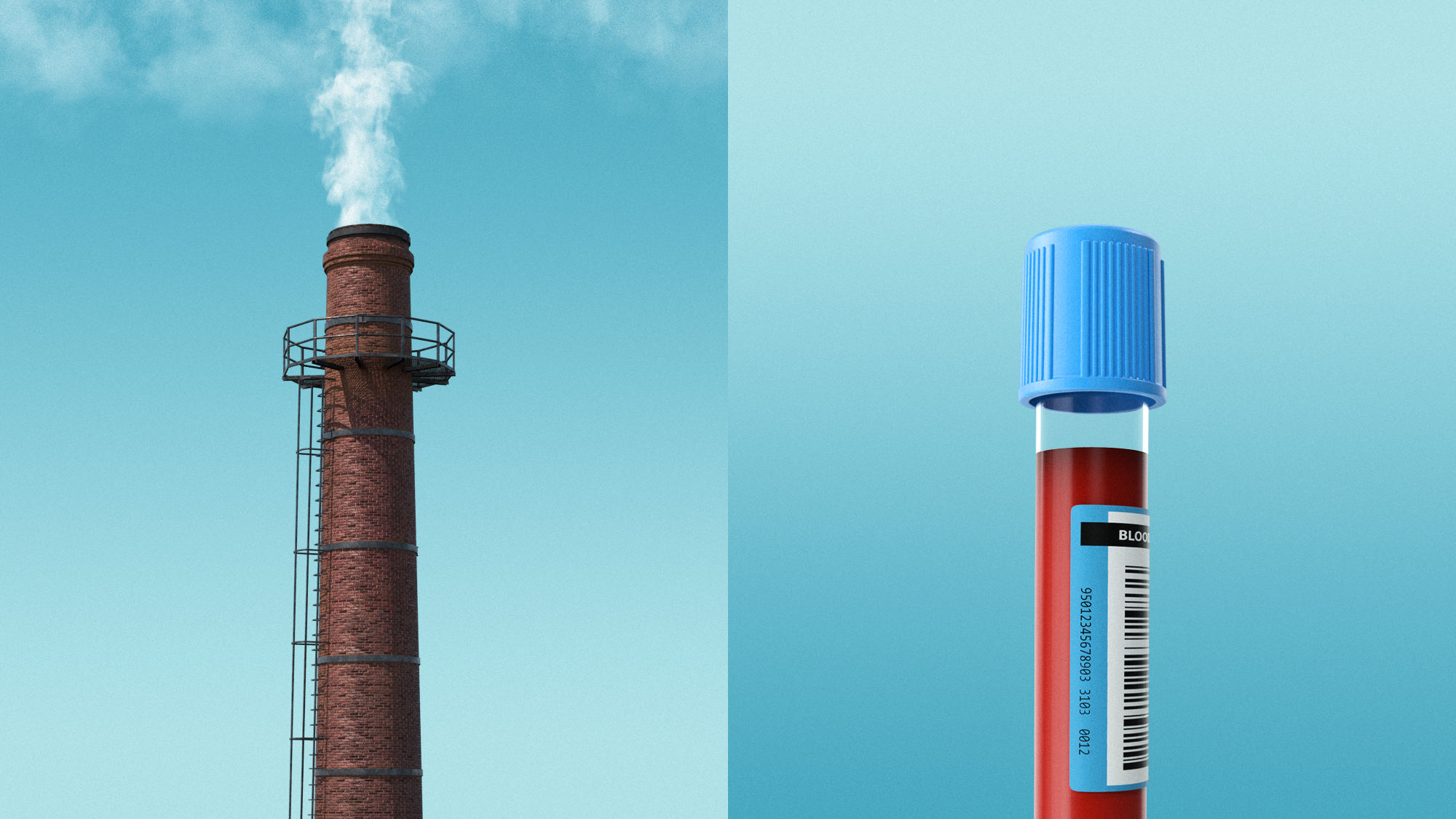
    Rising CO2 is changing our blood chemistry

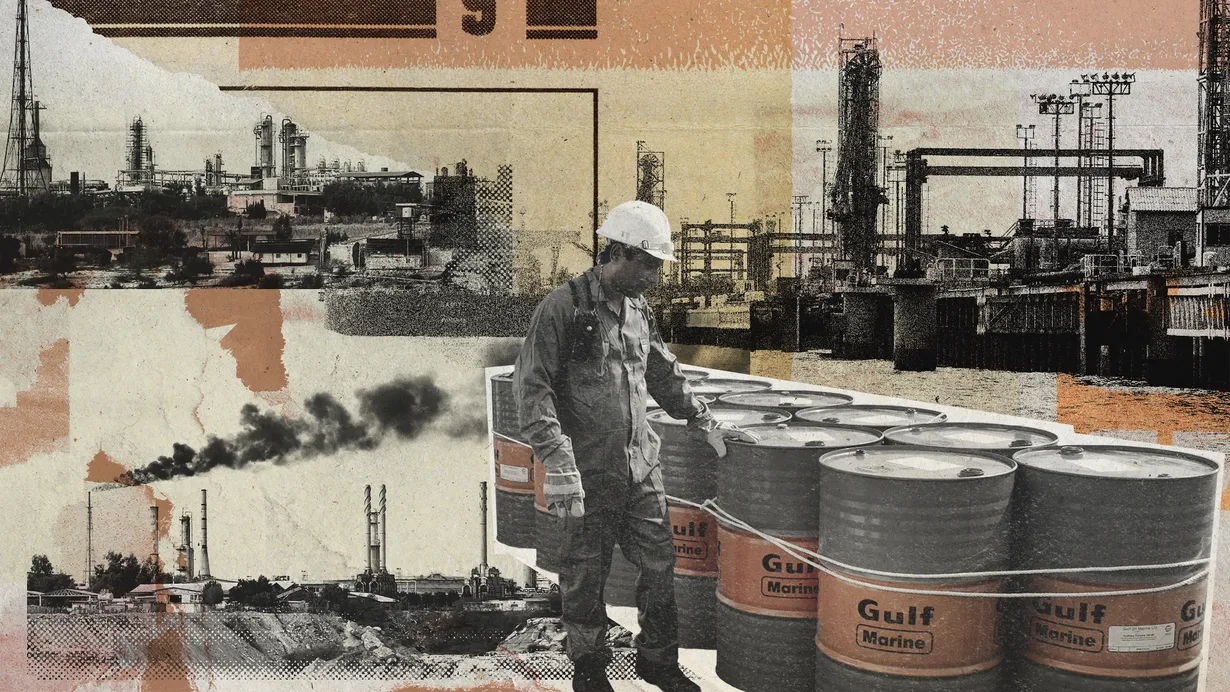
    Increased CO2 levels in the atmosphere have correlated to an increase in bicarbonate (HCO3-) levels and a decrease in calcium (Ca) and phosphorus (P) levels in human blood, according to a study published in the journal Air Quality, Atmosphere & Health. If these trends continue, “blood bicarbonate values could be at the limit of the accepted healthy range in half a century, and Ca and P will be at the limit of their healthy ranges by the end of this century”.

    In human blood, CO2 is converted into bicarbonate, which at normal concentrations has an important role in maintaining healthy pH levels. However, the concentration of bicarbonate increased by about 7%, or 0.34% a year, between 1999 and 2020. Calcium and phosphorus levels dropped by 2% and 7% respectively. This is because when carbon dioxide dissolves in the bloodstream it “alters the body’s acid base balance”, said Science Alert. In order to keep the blood pH within its healthy range, the “kidneys conserve bicarbonate, a buffering molecule that helps neutralise excess acidity”. Bones “can also buffer acid by exchanging minerals such as calcium and phosphorus”.

    Rising CO2 levels are “especially relevant for children and adolescents, whose developing bodies will experience the longest cumulative exposure”, said a release about the study. “We’re not saying people are suddenly going to become unwell when we cross a certain threshold,” said Professor Alexander Larcombe, a respiratory physiologist and author of the study. “But this suggests that there may be gradual physiological changes occurring at a population level, and that’s something we should be monitoring as part of future climate change policy.”


    on this day

    6 March 1957

    Ghana declared independence from the UK. This week the country brought its first 5G network online in selected cities, “paving the way” for greater connectivity, said Bloomberg.


    Today’s newspapers

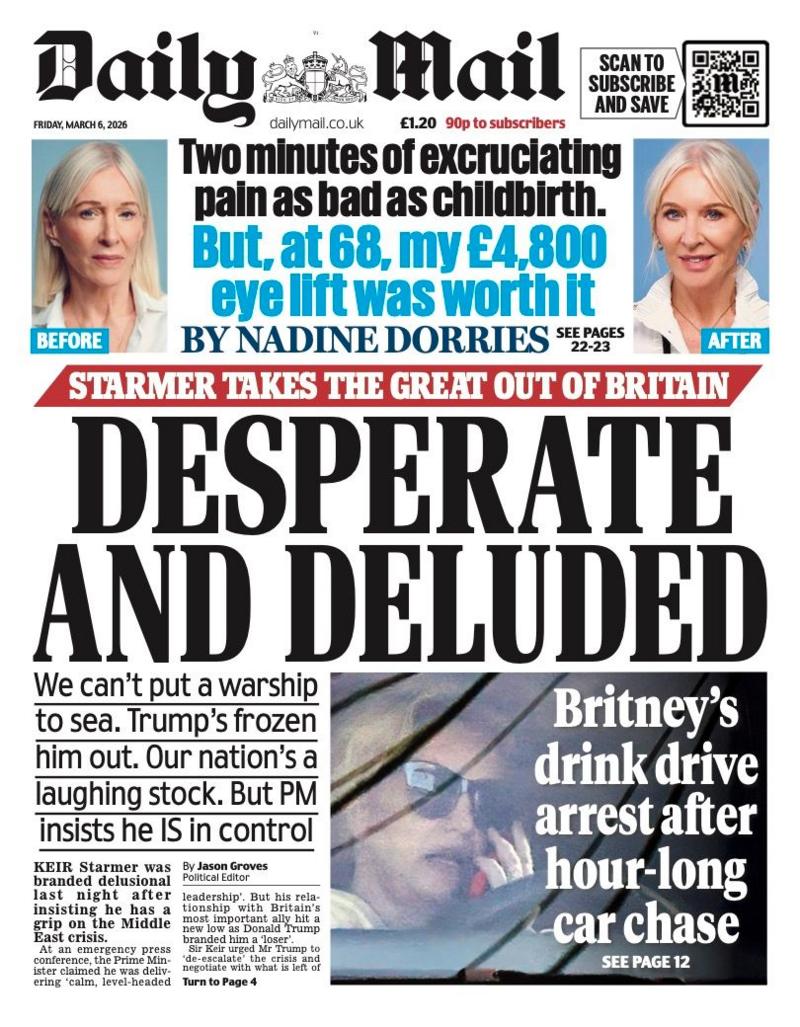
    ‘Desperate and deluded’

    Keir Starmer is “desperate and deluded”, says the Daily Mail. “Dithering Heights for Keir”, says the Daily Star alongside a mocked-up image of Starmer and Donald Trump. “Israel tells 500,000 to flee Beirut ahead of airstrikes”, The Guardian says. “State of alert”, says The Mirror, above its “exclusive report from Cyprus”. “Huntley blinded”, The Sun says, reporting on the murderer Ian Huntley, who was injured in a prison attack last month.

    See the newspaper front pages


    tall tale

    Nutwork failure

    A “meddlesome” squirrel has been blamed for a power outage at several government facilities in Ohio last week, according to UPI. Officials initially blamed local contractors, but a senior commissioner meeting later concluded that the rodent had chewed through multiple power lines and built a nest within its fibres. County Administrator Matt Springer said it was “hard to make this stuff up” and that measures were being taken to prevent these increasingly frequent attacks from happening again.


    Morning Report was written and edited by Arion McNicoll, Will Barker, Devika Rao, Ross Couzens and Chas Newkey-Burden, with illustrations by Stephen Kelly.

    Image credits, from top: Brendan Smialowski / AFP / Getty Images; Jeff J Mitchell / Getty Images; Weiss Eubanks / NBCUniversal / Getty Images; Illustration by Stephen Kelly / Shutterstock.

    Morning Report and Evening Review were named Newsletter of the Year at the Publisher Newsletter Awards 2025
     

    Recent editions

    • Morning Report

      Senate allows Trump his war

    • Evening Review

      Iran deepens the MAGA feud

    • Morning Report

      Talarico victory tees up Texas-sized Senate fight

    VIEW ALL
    TheWeek
    • About Us
    • Contact Future's experts
    • Terms and Conditions
    • Privacy Policy
    • Cookie Policy
    • Advertise With Us
    • FAQ
    Add as a preferred source on Google Add as a preferred source on Google

    The Week is part of Future US Inc, an international media group and leading digital publisher. Visit our corporate site.

    © Future US, Inc. Full 7th Floor, 130 West 42nd Street, New York, NY 10036.