The Week The Week
flag of US
US
flag of UK
UK
https://cdn.mos.cms.futurecdn.net/flexiimages/jacafc5zvs1692883516.jpg

SUBSCRIBE & SAVE

Less than $3 per week

Sign in
  • View Profile
  • Sign out
  • The Explainer
  • The Week Recommends
  • Newsletters
  • Cartoons
  • From the Magazine
  • The Week Junior
  • Student Offers
  • More
    • Politics
    • World News
    • Business
    • Health
    • Science
    • Food & Drink
    • Travel
    • Culture
    • History
    • Personal Finance
    • Puzzles
    • Photos
    • The Blend
    • All Categories
  • Newsletter sign up Newsletter
  • WeekDay AM: 10 Things you need to know this morning
    UK deploys troops, US journalist kidnapped, and India’s trans ‘reversal’

     
    today’s defence story

    UK sends more troops to the Middle East

    What happened
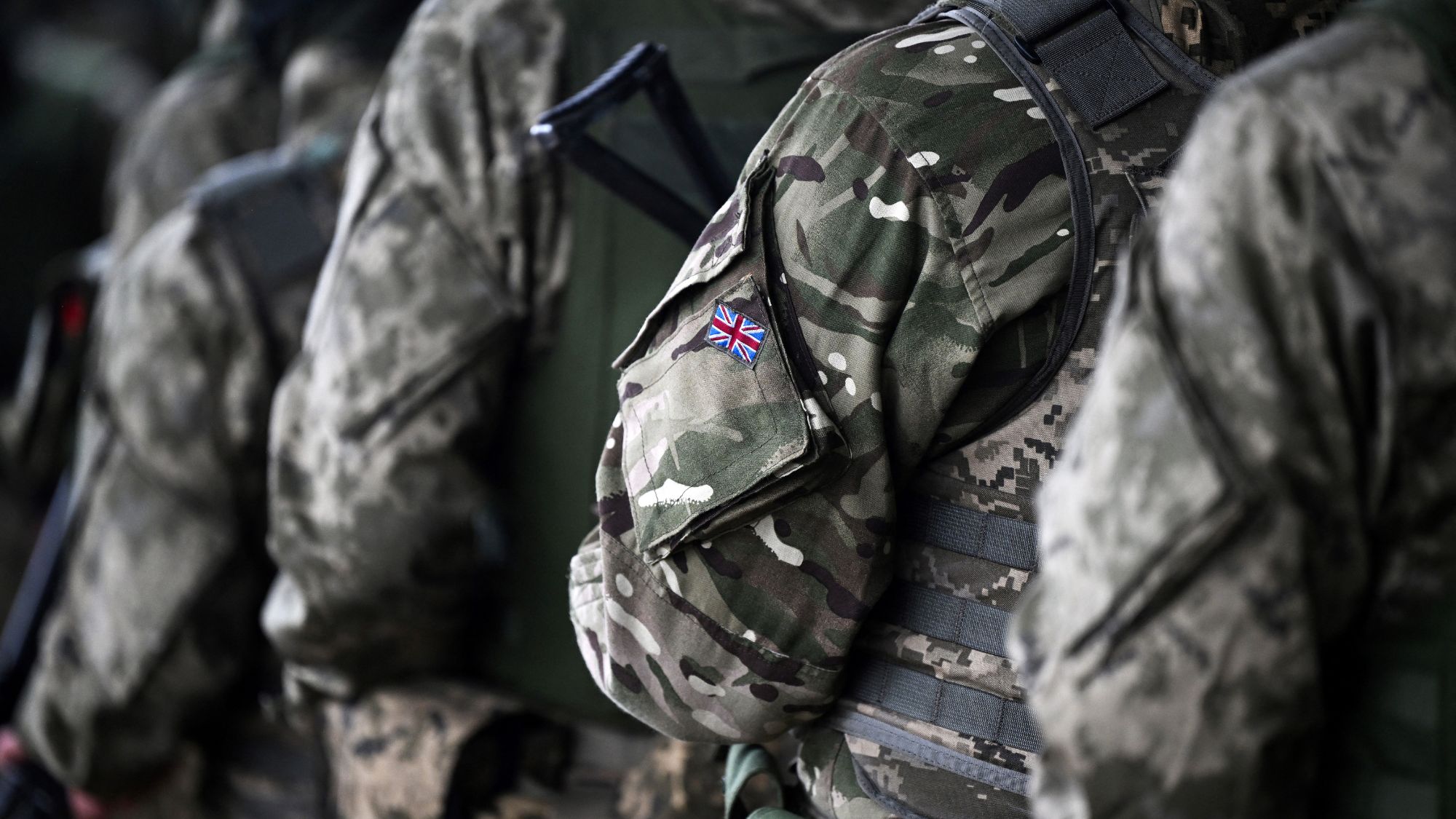
    The UK is increasing its military presence across the Persian Gulf, deploying additional personnel and air defence systems to support regional allies. The total number of British forces assigned to protect bases and partners in the Gulf and Cyprus will reach roughly 1,000. The new deployments include missile defence platforms in Saudi Arabia, Bahrain and Kuwait, alongside extended RAF Typhoon operations from Qatar. The move follows a rise in regional hostilities, including damage to key infrastructure in Kuwait, and concerns from Gulf states about the widening scope of attacks.

    Who said what
    “My message to Gulf partners is: Britain’s best will help you defend your skies,” said Defence Secretary John Healey during a trip to the region, adding that UK support was central to protection efforts.

    Donald Trump has “been critical of the UK’s involvement in the war, as well as that of other Nato allies”, said the BBC. Yesterday the president urged US allies to “build up some delayed courage” and take stronger action.

    What next?
    Keir Starmer has again reiterated that Britain will not enter the conflict directly, saying: “This is not our war and we’re not going to get drawn into it.”

    Meanwhile, Trump could be “planning a ground invasion on Good Friday”, said The Times. “The best time to do this is when markets are closed, especially if the military has only short, sharp missions in mind before they reopen”, so “when better than the coming three-day weekend?”


    today’s international story

    US journalist kidnapped in Baghdad

    What happened
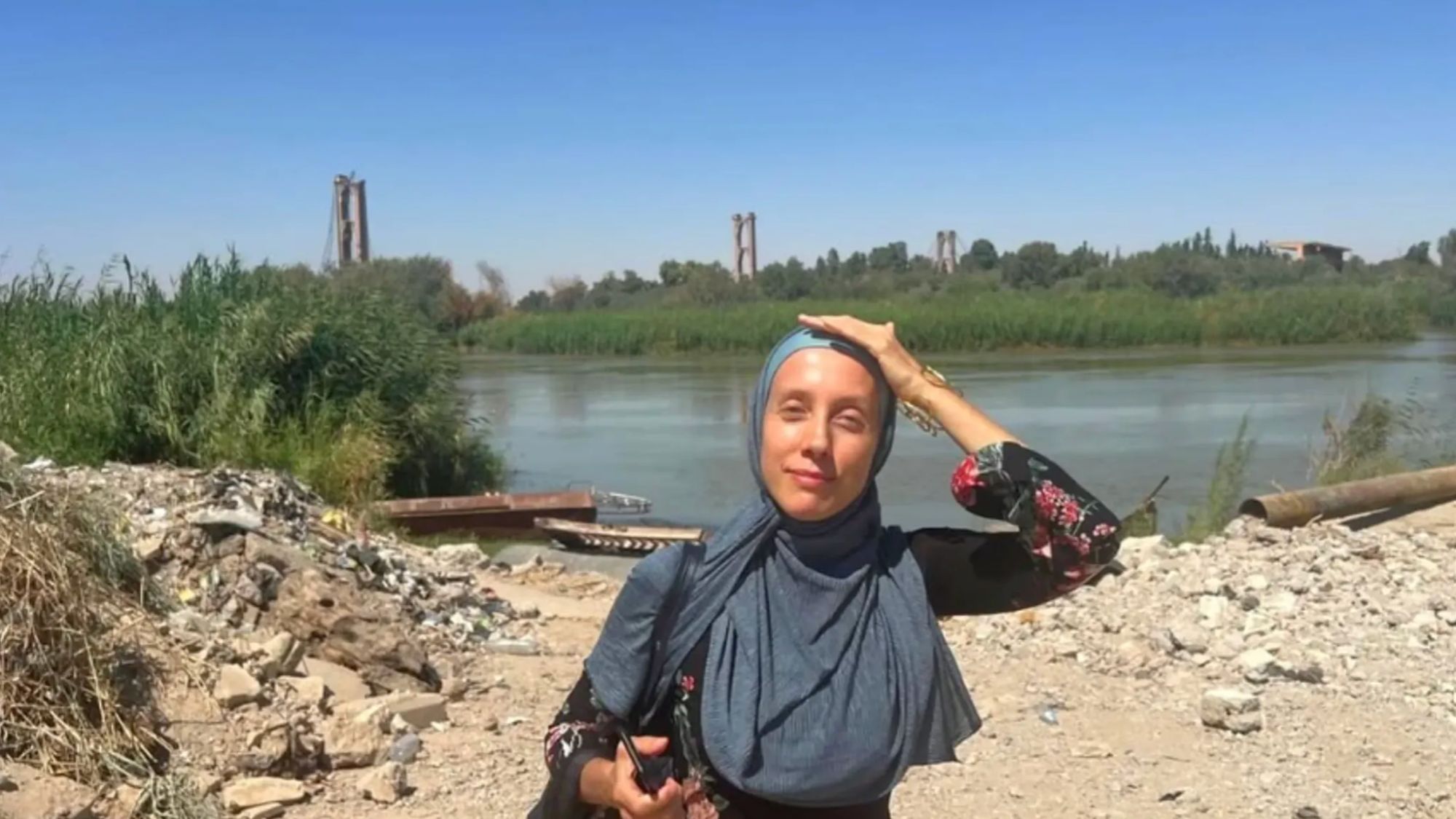
    American reporter Shelly Kittleson has been abducted in Baghdad as regional security concerns continue to intensify. Iraqi authorities said they had detained one suspect after intercepting a vehicle linked to the incident, while others remain at large. Officials believe that the kidnapping may involve a militia aligned with Iran.

    Who said what
    A US State Department spokesperson said efforts were under way to secure Kittleson’s freedom “as soon as possible”.

    “It is unclear who is responsible for her abduction,” said CNN. However, sources told the broadcaster that Kittleson (pictured above) had been warned of threats against her “from Iranian proxy group Kataib Hezbollah”.

    The incident marks a concerning development in a country that was “previously notorious for kidnappings and attempted abductions”, said France 24, although such incidents had “decreased as the security situation improved in recent years”.

    What next?
    Washington has reiterated its advice urging Americans to leave Iraq, warning that conditions on the ground are becoming increasingly dangerous.


    Today’s music story

    Eurovision announces new song contest in Asia

    What happened
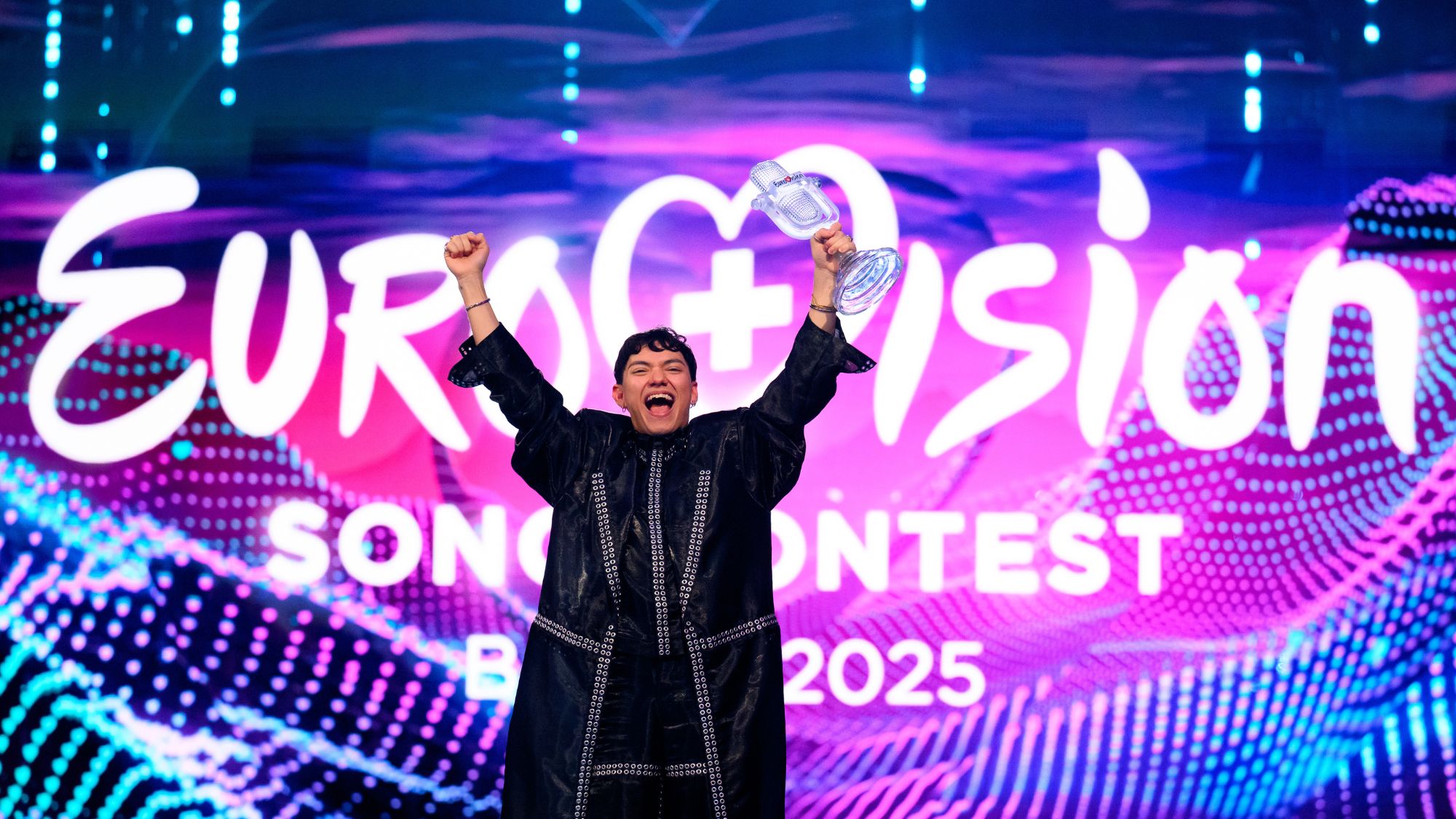
    The Eurovision Song Contest is launching its first Asia edition. Ten countries – including Bangladesh, the Philippines, South Korea, Thailand and Vietnam – have confirmed that they will take part in Eurovision Asia. And there are “more to follow”, according to Eurovision’s website.

    Who said what
    As this year marks the competition’s 70th anniversary, it felt “especially meaningful to open this next chapter with Asia, a region rich in culture, creativity and talent”, said Martin Green, director of the Eurovision Song Contest at the European Broadcasting Union, which is co-organising the event.

    There have already been “multiple attempts to create an Asian version of the iconic contest”, but none “bore fruit”, said the BBC. Yet rising incomes, social media and “young people who adore K-pop and karaoke” have given the business a “boost over the years”.

    This competition is “conspicuously not named ‘Asiavision’,” added the BBC, and some are questioning why “major Asian markets such as China and Japan” aren’t part of it. But Asia is a region that “really loves its music”.

    What next?
    Countries will host their own national selections before the final in Bangkok on 14 November.


    It’s not all bad

    A shortage of affordable, suitable prosthetics across Africa has spurred one Nigerian innovator to create a homegrown solution, according to a report by Valentine Benjamin in The Guardian. After losing his fingers, Ubokobong Amanam teamed up with his brother to design lifelike limbs better suited to African users through their company Immortal Cosmetic Art. Their work is helping amputees regain confidence with customised prosthetics that match skin tone and feel natural, offering a locally driven response to a widespread global access gap.


    under the radar

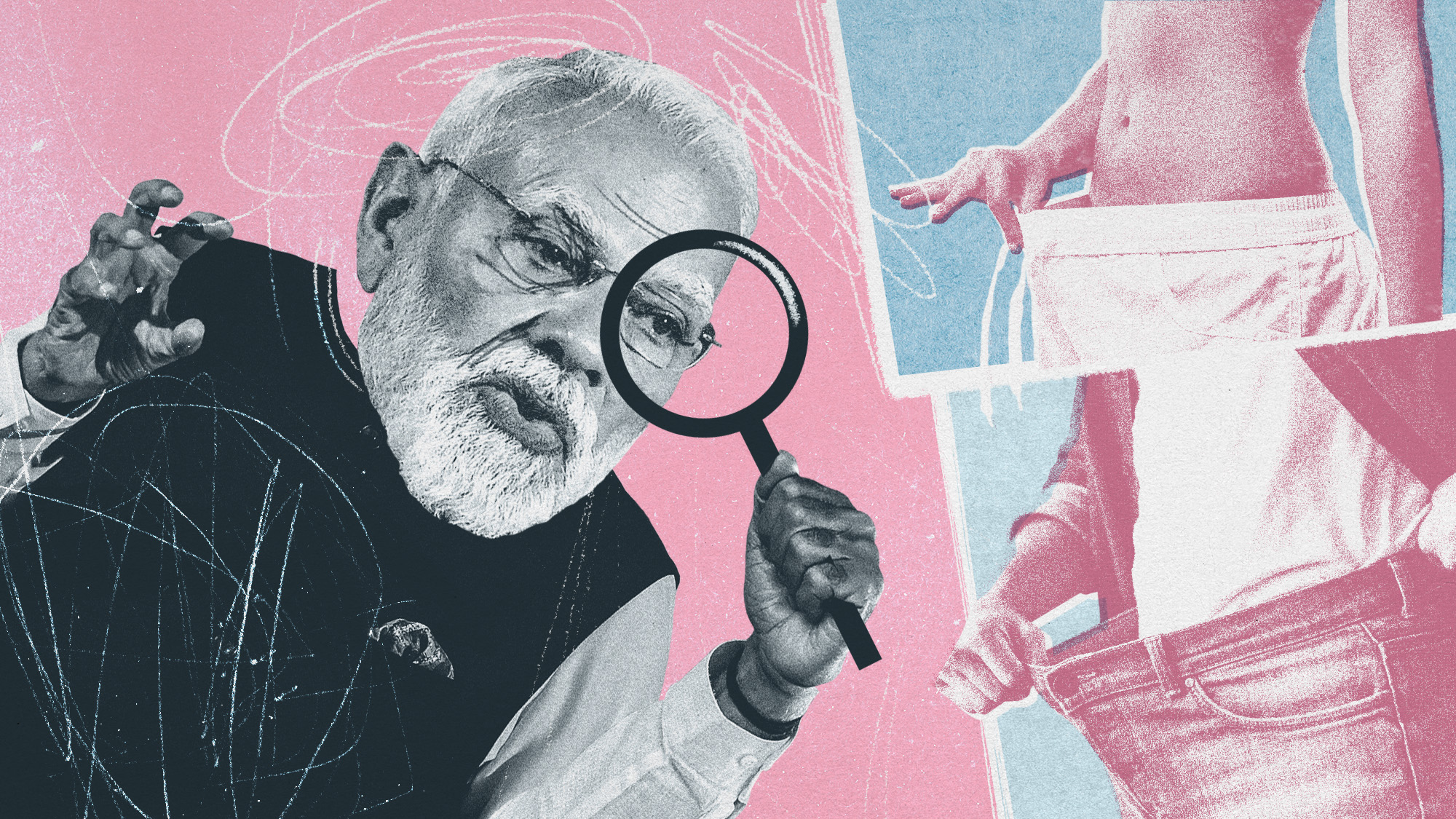
    India’s ‘reversal’ of transgender rights

    India has long recognised a “third gender” and was one of the first countries to allow people to legally self-identify as transgender. But its parliament has just passed controversial amendments to such laws that remove the right to self-identification and narrow the definition of “transgender”.

    The Bharatiya Janata Party-led government got the bill through both houses last week despite a boycott by opposition parties and widespread protests by the LGBTQ+ community.

    Virendra Kumar, the minister for social justice and empowerment, claims that the amendments still protect people who “face severe social exclusion due to their biological condition”. But Congress Party leader Rahul Gandhi called it a “brazen attack” on transgender rights.

    People of a “third gender” have been recognised in India for thousands of years. They feature heavily in Hindu holy texts – the half-male, half-female deity Ardhanarishvara, for example – and were often revered under Muslim rulers of the Mughal Empire.

    In 2014, India’s Supreme Court “officially recognised third-gender people as being citizens deserving of equal rights”. And that paved the way for the 2019 Transgender Persons (Protection of Rights) Act, which affirmed the right to self-identify as transgender or non-binary. The new amendments to the 2019 law remove those rights to self-identify, requiring instead a medical certification of gender reassignment.

    If India’s president Droupadi Murmu signs the bill into law, it will be “a major reversal” of “hard-won rights”, said Jayshree Bajoria, Asia director of Human Rights Watch. This law, said N Kavitha Rameshwar in The Times of India, “seeks to be that one rogue wave that will wash away” a decade of progress in transgender rights, “as if it were all but a castle of sand”.


    on this day

    1 April 1986

    Oil dipped below $10 a barrel in the first price drop since 1977. The international benchmark for oil prices, Brent crude, rose 5% yesterday to $118 a barrel after Donald Trump told allies to buy jet fuel from the US or “just TAKE IT” from the Strait of Hormuz.


    Today’s newspapers

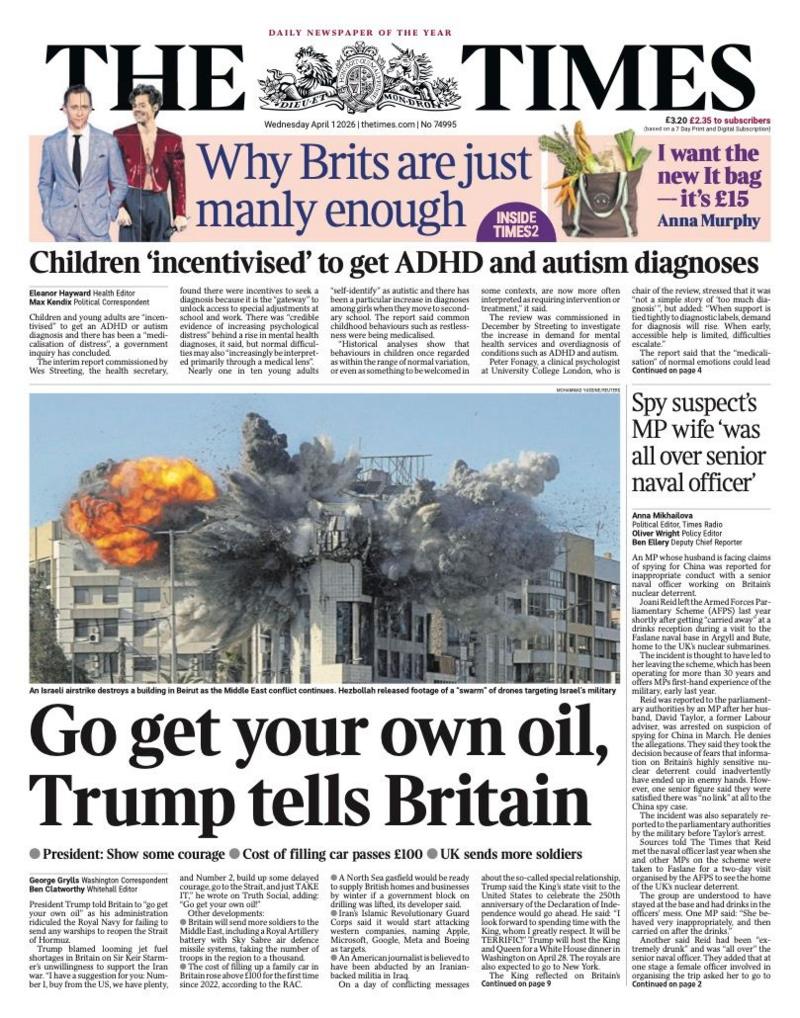
    ‘Oil outburst’

    “Get your own oil, Trump tells Britain”, says The Times. The president’s “taunt exposes a PM without a plan”, the Daily Mail says. The Financial Times says Brent crude “surged above $119 a barrel” as the war takes its “toll”. They “think it’s oil over”, says the Daily Star, while The Mirror says “this is oil your fault”. The Telegraph warns that the Royal Navy "had work to do" before it could fight. The King's US visit is a “mission to salvage a century of friendship”, says The i Paper.

    See the newspaper front pages


    tall tale

    Jumbo breakout

    The opening of a new zoo in Alberquerque, New Mexico had to be delayed when one of its star attractions went missing. Alice, a 52-year-old Asian elephant, broke through a section of the steel fence around her enclosure overnight and roamed free in the park until keepers spotted her the next morning and successfully lured back to her habitat. The opening was pushed back for 30 minutes while staff cleared up debris from plants and trees that Alice had eaten on her adventure.


    Morning Report was written and edited by Arion McNicoll, Rebecca Messina, Harriet Marsden, Ross Couzens and Chas Newkey-Burden, with illustrations by Julia Wytrazek.

    Image credits, from top: Justin Tallis / AFP / Getty Images; Instagram / @shellyrkittleson; Harold Cunningham / Getty Images; Illustration by Julia Wytrazek / Getty Images.

    Morning Report and Evening Review were named Newsletter of the Year at the Publisher Newsletter Awards 2025
     

    Recent editions

    • Evening Review

      Iran war pokes the AI bubble

    • Morning Report

      Trump’s risky new Iran threats

    • Evening Review

      Iran’s Hormuz ‘tollbooth’

    VIEW ALL
    TheWeek
    • About Us
    • Contact Future's experts
    • Terms and Conditions
    • Privacy Policy
    • Cookie Policy
    • Advertise With Us
    • FAQ
    Add as a preferred source on Google Add as a preferred source on Google

    The Week is part of Future US Inc, an international media group and leading digital publisher. Visit our corporate site.

    © Future US, Inc. Full 7th Floor, 130 West 42nd Street, New York, NY 10036.