The Week The Week
flag of US
US
flag of UK
UK
https://cdn.mos.cms.futurecdn.net/flexiimages/jacafc5zvs1692883516.jpg

SUBSCRIBE & SAVE

Less than $3 per week

Sign in
  • View Profile
  • Sign out
  • The Explainer
  • The Week Recommends
  • Newsletters
  • Cartoons
  • From the Magazine
  • The Week Junior
  • Student Offers
  • More
    • Politics
    • World News
    • Business
    • Health
    • Science
    • Food & Drink
    • Travel
    • Culture
    • History
    • Personal Finance
    • Puzzles
    • Photos
    • The Blend
    • All Categories
  • Newsletter sign up Newsletter
  • WeekDay AM: 10 Things you need to know this morning
    Castro’s indictment, fuel duty rise delayed, and bookings slump for the World Cup

     
    today’s US story

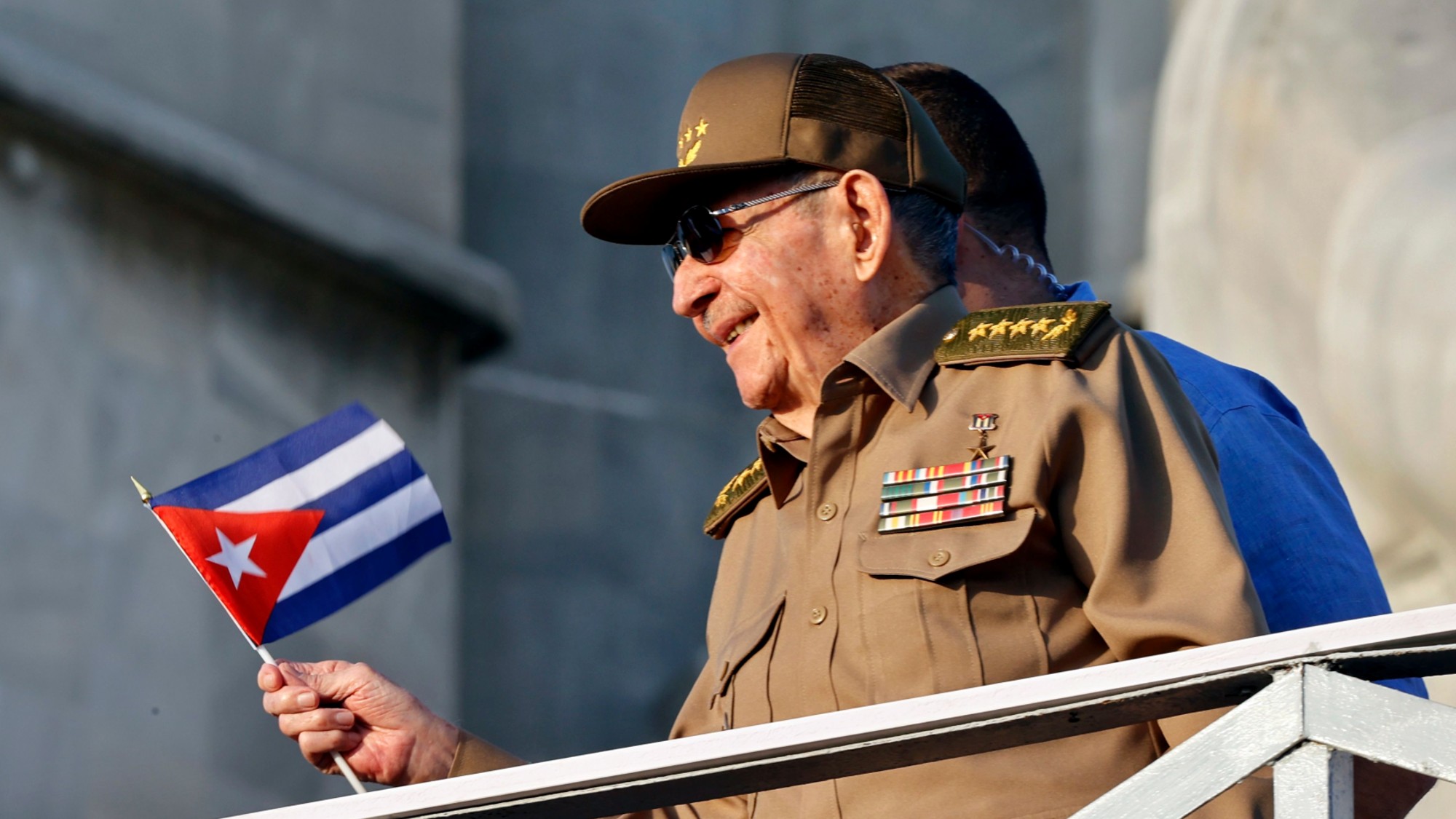
    Raúl Castro indicted in US over 1996 downing of planes

    What happened
    The US has charged former Cuban president Raúl Castro with murder, conspiracy to kill US nationals and the destruction of aircraft. The federal criminal indictment, issued yesterday, is in connection with the 1996 downing of two planes belonging to Cuban-American group Brothers to the Rescue. Four men, including three Americans, died. 

    Who said what
    The “extraordinary” development comes as the Trump administration has “ratcheted up pressure” in an effort to “force political turnover” in Cuba, said The Washington Post. Without Cuba’s cooperation, the indictment is “likely to remain symbolic” unless the US “takes aggressive action” to remove the 94-year-old from the island.

    The indictment “could doom any lingering chance of a deal” to avoid “armed conflict” between the US and Cuba, said Patrick Oppmann at CNN. Cuban President Miguel Díaz-Canel has warned that “a blood bath” awaits any invading force.

    It was “no coincidence” the announcement was made on Cuban Independence Day, when the opposition and diaspora celebrate their independence from Spain, said Havana Times. It is “something of a demonised day” for the Cuban regime.

    What next?
    Whether Castro will “ever face a US court to answer the charges” is currently “uncertain”, said The Guardian. If convicted, he could face life in prison or the death penalty.

    “We expect that he will show up here by his own will, or by another way,” said Todd Blanche, the US acting attorney general. This, said the paper, is “an apparent allusion” to the capture and extradition of Venezuelan president Nicolás Maduro by US military forces in January.


    today’s POLITICS story

    Labour extends fuel duty freeze

    What happened
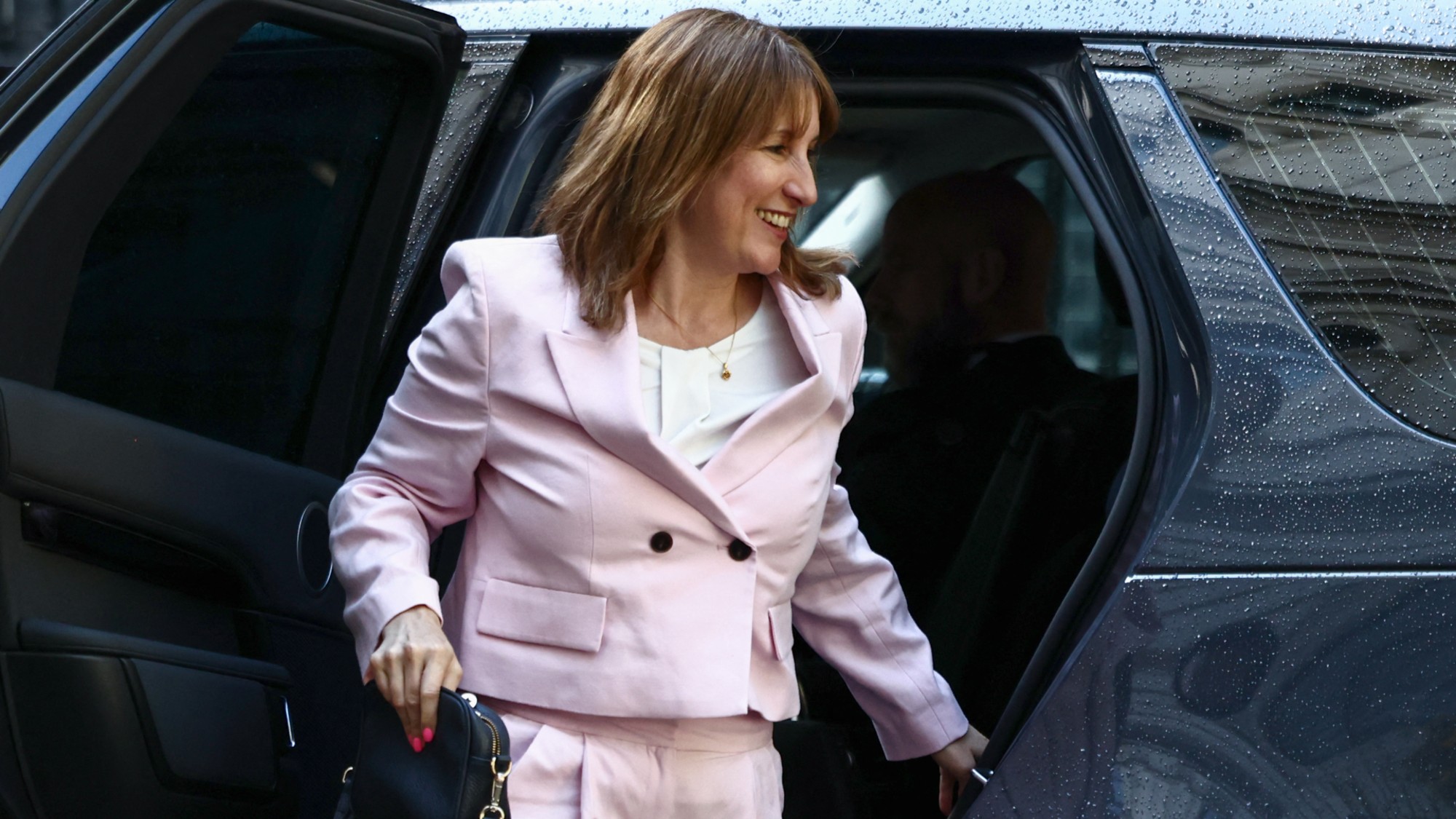
    The government has postponed a planned increase in fuel duty until the end of the year to help with the cost of living. “We’re backing drivers by extending the freeze on fuel duty,” Keir Starmer told the House of Commons on Wednesday. Labour had planned to raise the tax, which has been frozen for 15 years, by 5p a litre in September.

    Who said what
    Chancellor Rachel Reeves “had resisted calls to abandon the 5p increase for months, with Reform UK and the Conservatives putting pressure on the government to ease costs for motorists”, said The Telegraph. “Countries including France, Germany, Italy, Canada and Australia have already cut taxes on petrol and diesel.”

    Questions still remain over what will happen next year, the RAC’s head of policy Simon Williams told the BBC. “Will drivers be hit with the full 5p in one go in the spring, will a new phasing be agreed, or will the government even abandon an increase altogether?” he said.

    What next?
    Starmer also announced a 12-month holiday on vehicle excise duty for HGVs, with the measure due to shave off £600 for a typical heavy lorry.


    Today’s SPORT story

    Hotel and flight bookings slump ahead of World Cup

    What happened
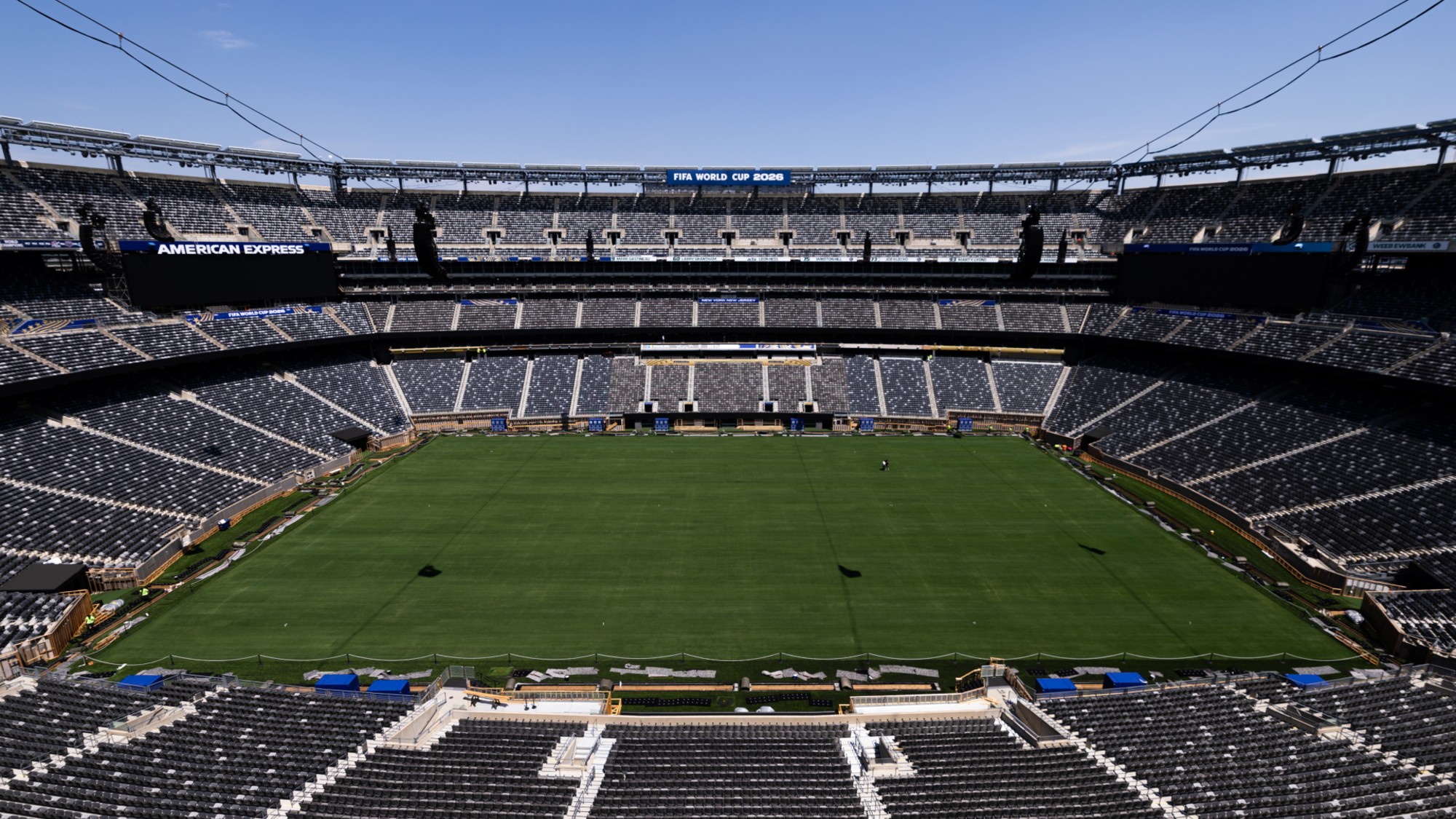
    Accommodation bookings for this year’s Fifa World Cup are well below expectations in almost every host city, according to a report produced by the American Hotel & Lodging Association.

    Who said what
    For hotels, “this World Cup could fall flat”, said the BBC. Hoteliers blame the high price of match tickets, transport and taxes, as well as the political backdrop, and say Fifa block-booked “far too many rooms for its own use” before cancelling them. Fifa said it followed agreements made with hotels.

    Flights “are not selling particularly well either”, said The Telegraph. Advance bookings for July are down about 14% year-on-year, according to aviation analyst Cirium, “not exactly the sort of indicator that one of the world’s biggest sporting events is about to take place”.

    What next?
    There might be some relief for hotels when it comes to the knock-out rounds, as fans will have to make bookings at short notice. But the World Cup “seems unlikely to bring in the revenue that was being predicted”, said the BBC.


    It’s not all bad

    Four years after it was first introduced, a landmark malaria vaccine has cut child deaths by an eighth among communities in Ghana, Kenya and Malawi, according to a study in The Lancet. Along with its protective effects, the RTS,S vaccine has to be administered in four doses. The study’s authors said this provided extra opportunities for youngsters to simultaneously receive other vaccines that address common childhood diseases. Malaria vaccines are now available for children in 25 African countries.


    UNDER THE RADAR

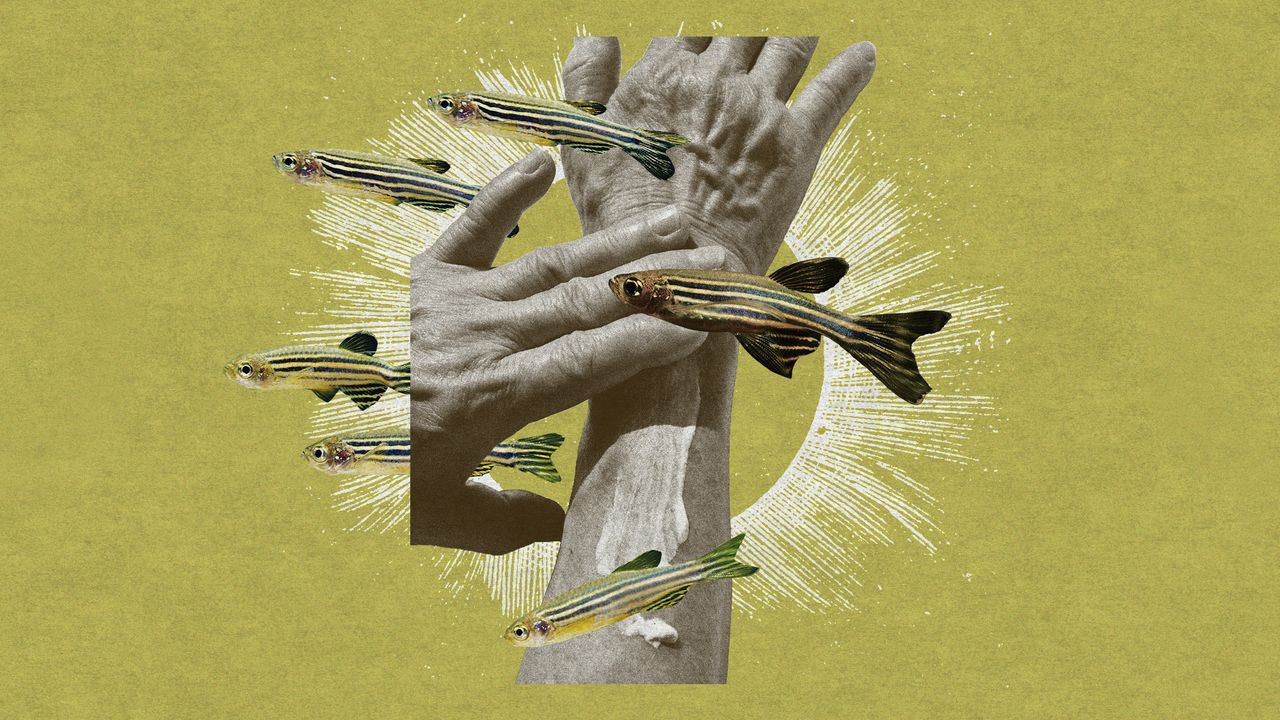
    E. coli could be used to make sunscreen

    Bacteria may be able to help mass-produce a natural UV-protectant ingredient called gadusol that is found in many fish and marine organisms. The chemical could be used to make sunscreen safer and greener in the future. However, much more testing is required to determine its efficacy and safety compared to other currently available sunscreens.

    Finding natural sunscreens has become a growing interest as some people have become opposed to their conventional ingredients. Gadusol could potentially be produced using E. coli, according to a study published in the journal Trends in Biotechnology. The compound helps protect against ultraviolet damage, but it is “scarce in nature, and extracting it is inefficient and can carry environmental costs”, said Ping Zhang, a biochemist at Jiangnan University in China and lead author of the study. “We want to find a scalable and greener way to produce gadusol.”

    Gadusol is “transparent, unlike melanin, and yet is perfectly tuned to block out harmful UV rays from the sun, which makes it ideal for organisms hiding from prey”, said New Scientist. Instead of harvesting the compound directly from fish, researchers opted to turn the bacteria E. coli into “mini chemical factories”, said Popular Science. They “rebuilt a zebrafish’s pathway for making gadusol inside of an E. coli bacterium”, and then “tweaked the E. coli’s genetics and growing conditions”.

    The lab-made gadusol “showed promise in preliminary UV-protection tests”. The results suggest that “we may be able to meet future demand for natural sunscreen ingredients through microbial production”, said Zhang. However, the study didn’t compare gadusol’s effectiveness to currently available sunscreens. The process also needs to be assessed for long-term safety and whether it can be scaled for manufacturing.


    on this day

    21 May 1908

    The first American horror movie, “Dr. Jekyll and Mr. Hyde”, premiered in Chicago. Last year horror films dominated the US box office, with total domestic earnings for the genre reaching more than $1.2 billion, setting a new record.


    Today’s newspapers

    ‘Bank warning’

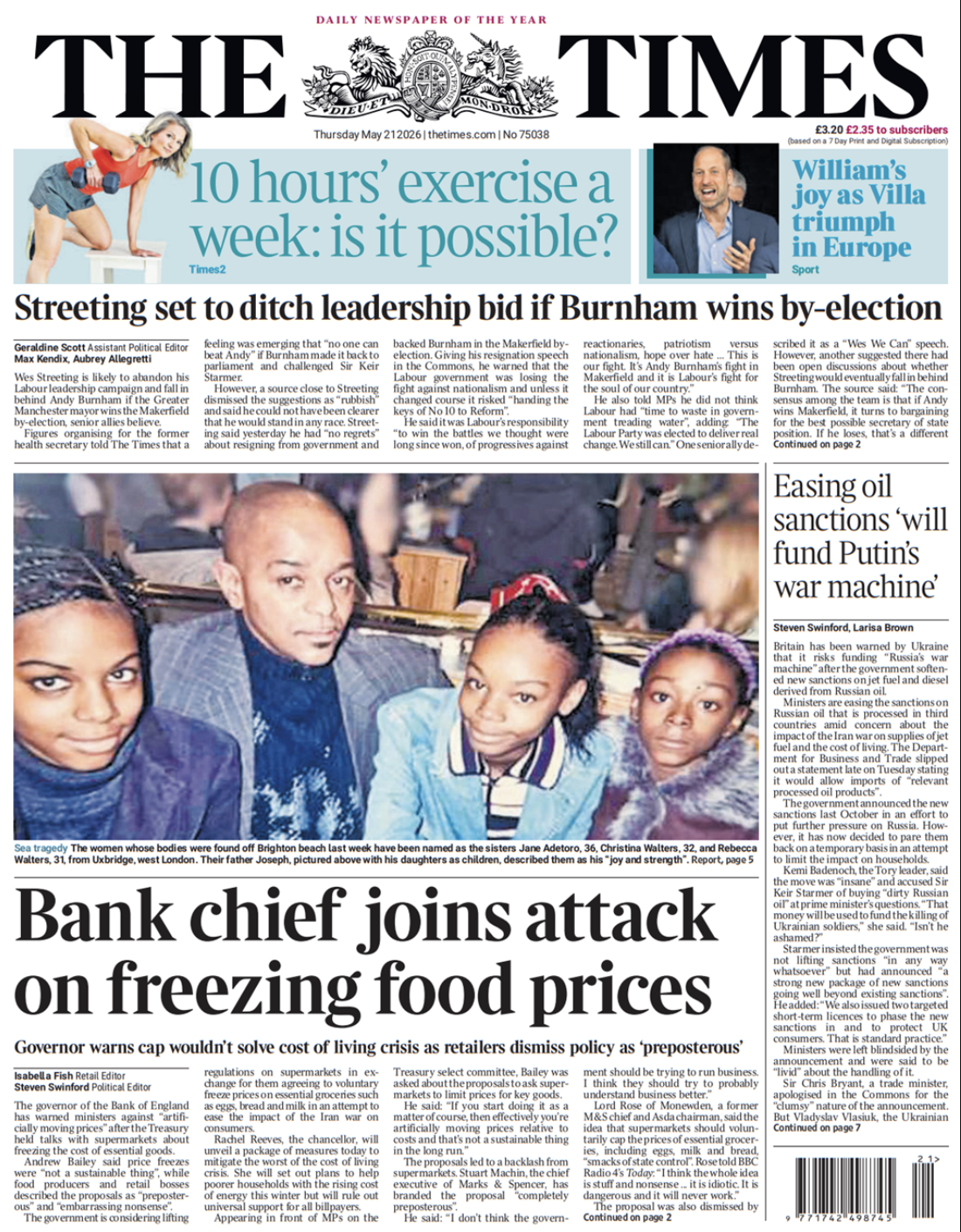
    “Bank chief joins attack on freezing food prices”, The Times says. The plan for a voluntary cap on the price of groceries has been met with a “furious response and claims of ‘state control’”, says The i Paper. “Burnham ‘backs Mahmood’s plans to tighten rules on immigration’”, The Guardian says. “20ft from World War 3”, says The Sun, on reports that Russian pilots flew 20ft from an RAF jet.

    See the newspaper front pages


    tall tale

    Lettuce bid farewell

    Four housemates in Western Australia gave a frog a grand send-off after discovering it in a pack of lettuce they’d bought from a Woolworths supermarket. Rhys Smoker found the live amphibian while he was preparing a steak and salad dinner for the house. “We all had a little laugh about it,” his housemate, Laura Jones, told AP. They named the frog Greg before waving it farewell at a nearby pond to a tune by Crazy Frog. Woolworths apologised and gave them a replacement bag of lettuce.


    Morning Report was written and edited by Hollie Clemence, Chas Newkey-Burden, Jamie Timson, Rebecca Messina, Devika Rao and Ross Couzens, with illustrations from Julia Wytrazek

    Image credits, from top: Ernesto Mastrascusa / EPA / Shutterstock; Henry Nicholls / AFP / Getty Images; Dustin Satloff / Getty Images; illustration by Julia Wytrazek / Getty Images

    Morning Report and Evening Review were named Newsletter of the Year at the Publisher Newsletter Awards 2025
     

    Recent editions

    • Morning Report

      Massie falls in Trump’s growing GOP purge

    • Evening Review

      Will Democrats take the House?

    • Morning Report

      Trump’s ‘anti-weaponization’ slush fund

    VIEW ALL
    TheWeek
    • About Us
    • Contact Future's experts
    • Terms and Conditions
    • Privacy Policy
    • Cookie Policy
    • Advertise With Us
    • FAQ
    Add as a preferred source on Google Add as a preferred source on Google

    The Week is part of Future US Inc, an international media group and leading digital publisher. Visit our corporate site.

    © Future US, Inc. Full 7th Floor, 130 West 42nd Street, New York, NY 10036.