The Week The Week
flag of US
US
flag of UK
UK
https://cdn.mos.cms.futurecdn.net/flexiimages/jacafc5zvs1692883516.jpg

SUBSCRIBE & SAVE

Less than $3 per week

Sign in
  • View Profile
  • Sign out
  • The Explainer
  • The Week Recommends
  • Newsletters
  • Cartoons
  • From the Magazine
  • The Week Junior
  • Student Offers
  • More
    • Politics
    • World News
    • Business
    • Health
    • Science
    • Food & Drink
    • Travel
    • Culture
    • History
    • Personal Finance
    • Puzzles
    • Photos
    • The Blend
    • All Categories
  • Newsletter sign up Newsletter
  • WeekDay AM: 10 Things you need to know this morning
    NHS maternity failings, earthquakes rock Venezuela, and the world’s loudest shout

     
    today’s hospitals story

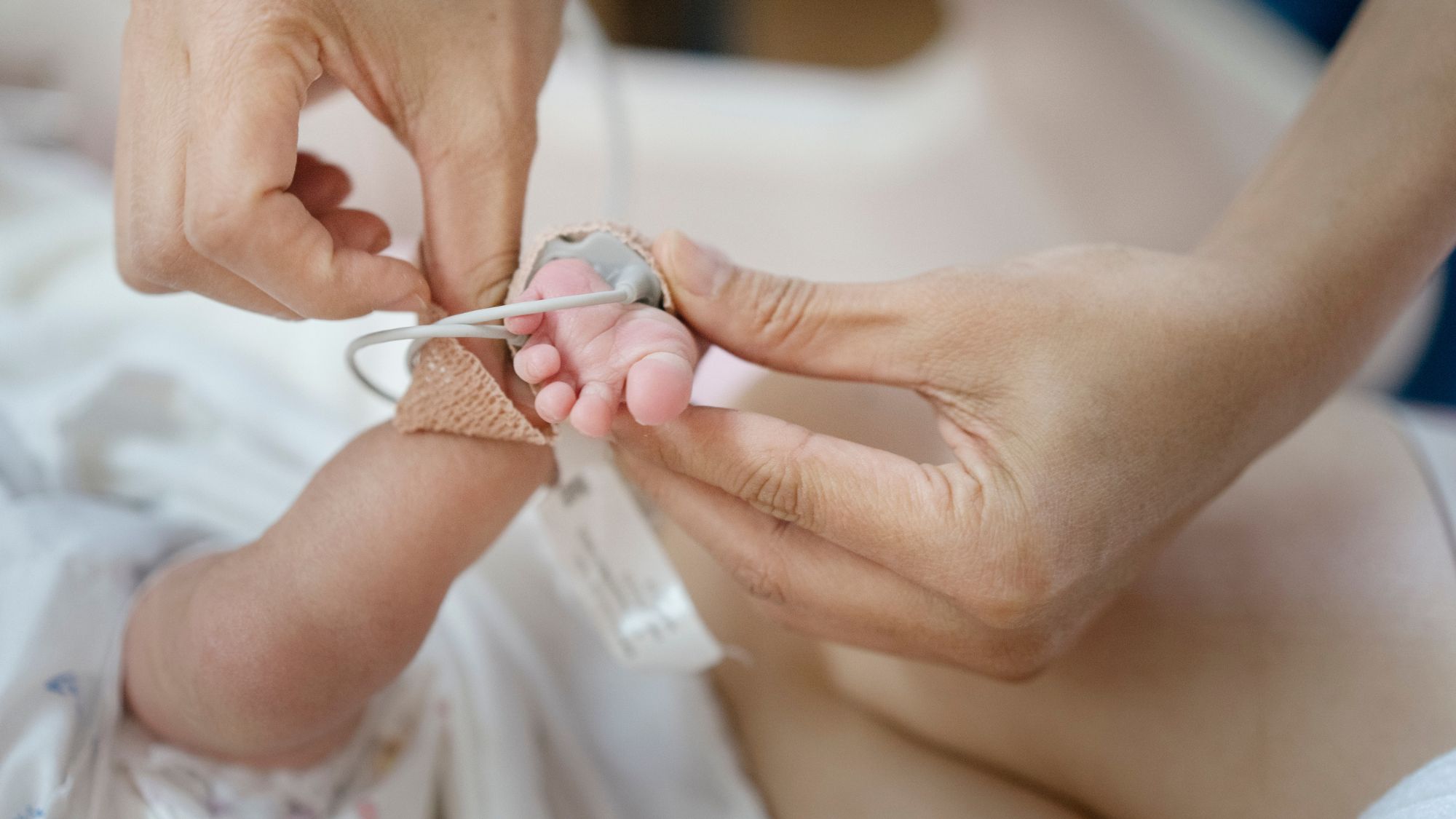
    Babies and mothers died after ‘systemic’ failings

    What happened
    An independent review into maternity services at Nottingham University Hospitals NHS Trust has found that more than 500 mothers and babies experienced avoidable harm or died because of failures in care.

    The inquiry, led by senior midwife Donna Ockenden and involving about 2,500 families, examined hundreds of cases spanning more than a decade. Investigators identified 520 cases in which concerns about care were so serious that different treatment may have changed the outcome. The review concluded that 260 babies who died or suffered serious injury might have had a different outcome if appropriate care had been provided.

    The report found that longstanding problems including staff shortages, inadequate training, poor investigation of incidents and a culture in which parents’ concerns were routinely ignored.

    Who said what
    “This is a report about how a system failed, and what it costs when it fails,” said Ockenden. “It costs lives, futures and families ... everything.” Health Secretary James Murray described the findings as “chilling” and promised that “the government will act”.

    “The scale of the scandal now laid bare is truly shocking,” said Laura Bundock on Sky News. The report “makes for harrowing reading”, agreed Rebecca Thomas in The Independent. The scandal is a “scathing indictment of the poor maternity care given to thousands of women across the country. When will it change?”

    What next?
    The government plans to strengthen accountability by compelling NHS staff to co-operate with future maternity investigations or face possible sanctions. Campaigners are also continuing to press for a full statutory public inquiry into the scandal.


    today’s international story

    Powerful back-to-back earthquakes rock Venezuela

    What happened
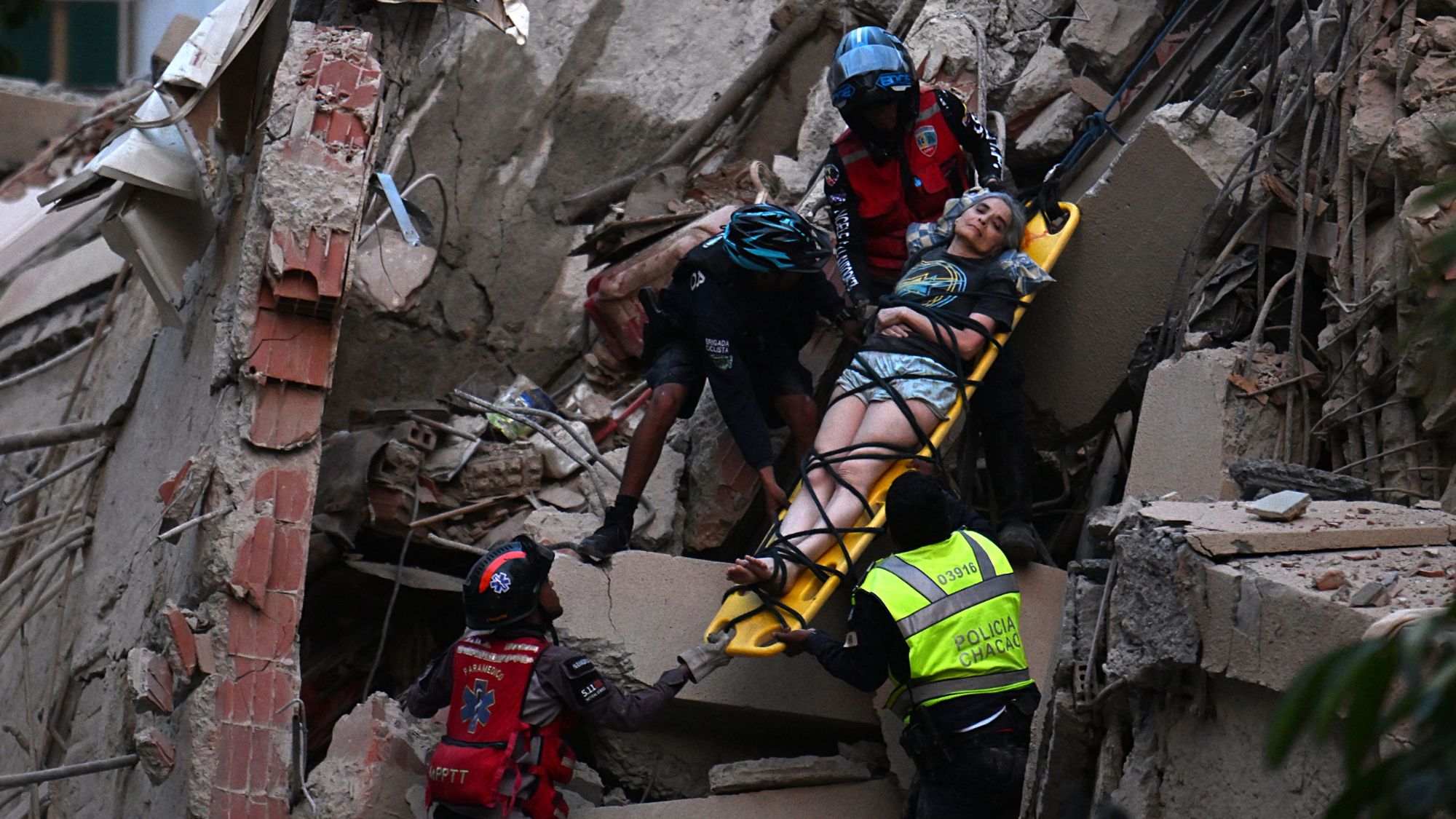
    A 7.1-magnitude earthquake struck central Venezuela yesterday evening, followed by a second quake with an even greater magnitude of 7.5. The quakes caused major damage in and around Caracas, and prompted tsunami warnings across parts of the Caribbean.

    Residents rushed outdoors as the quakes rattled homes and offices in the nation’s capital. Social media images and press photographs showed damaged and collapsed buildings, with dust clouds rising from affected sites. Power outages were also reported in some areas.

    Venezuela’s acting President Delcy Rodríguez has declared a state of emergency and although there are no official figures on fatalities and injuries so far, large numbers of casualties are expected.

    Who said what
    Interior Minister Diosdado Cabello said the quakes could be felt in several states, adding that the Altamira neighbourhood in Caracas had “alarming situations” with collapsed homes and buildings.

    “Many Venezuelans were at home when the first quake hit,” said The Guardian, because they had been “celebrating a public holiday commemorating an ⁠1821 military victory that secured Venezuela’s independence from Spain”.

    What next?
    Authorities are continuing to assess the extent of the destruction as the region is hit by series of aftershocks. Tsunami warnings and advisories for several Caribbean territories have been cancelled.


    Today’s health story

    France confirms its first case of Ebola

    What happened
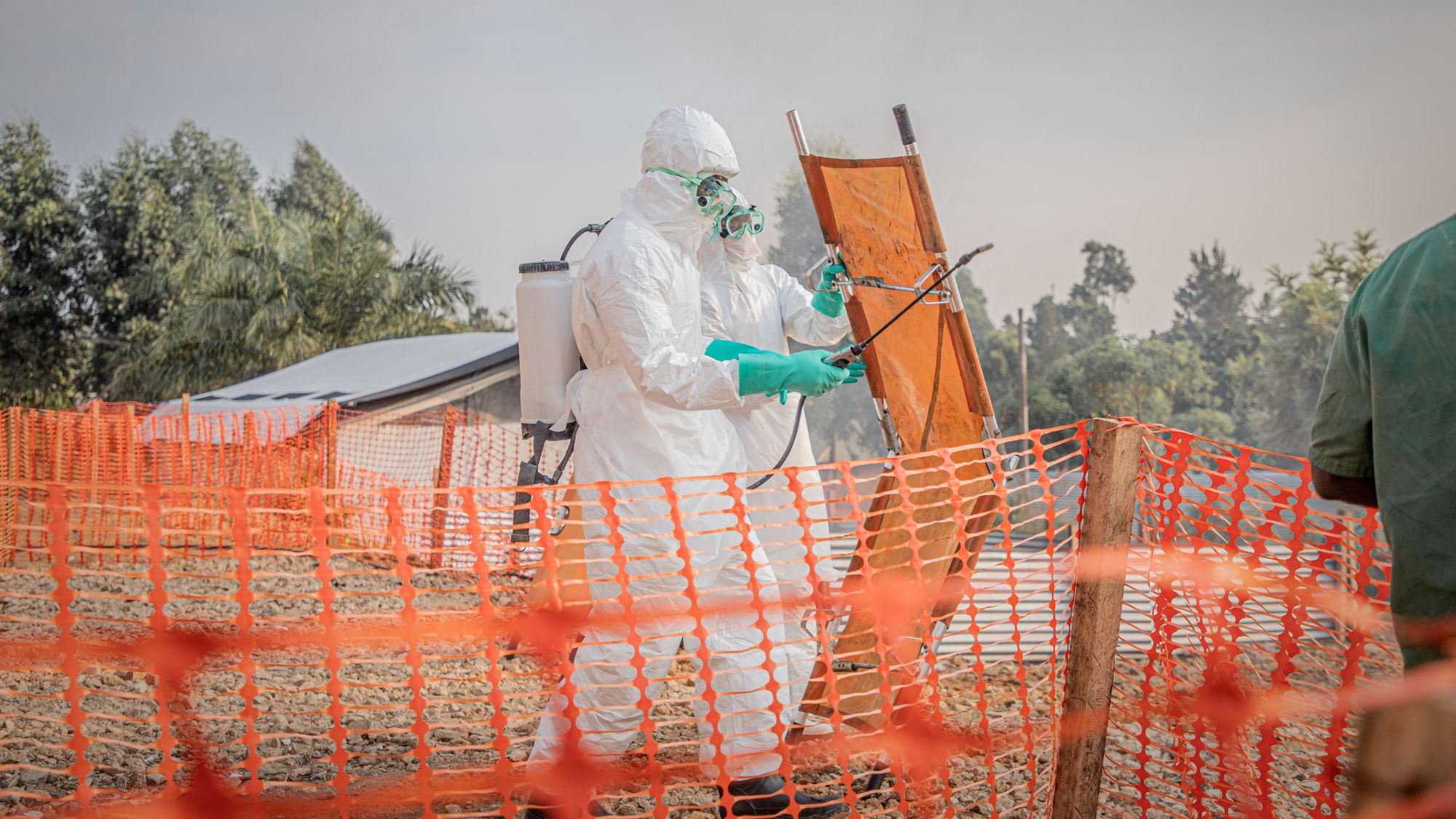
    A doctor who was working in the Democratic Republic of Congo has tested positive for Ebola on their return to France.

    The French health ministry “confirms today the identification of a first positive case of Ebola virus disease on national territory”. It added that the affected patient was in mainland France.

    Who said what
    DR Congo’s Ebola outbreak, which has infected more than 1,000 people and killed 267, “has had the largest number of confirmed cases within the first month of any episode of the disease”, according to the World Health Organization.

    This is “the first Ebola case to have been confirmed in Europe, although an American doctor who tested positive in DR Congo was treated at a German hospital last month”, said the BBC.

    What next?
    In its statement yesterday, France’s health ministry stressed that the risk to the general population was “very low”.

    It added that authorities were working to trace people who may have come into contact with the doctor.


    It’s not all bad

    Nasa’s Perseverance rover has discovered complex carbon molecules in Martian rocks that may offer fresh clues about ancient life on the Red Planet. The organic material was found in rocks inside the Jezero Crater, an area once fed by an ancient river. While the molecules can be produced by living organisms, they can also form through geological processes, so scientists say the findings are not yet proof of past life. Researchers hope that further Martian samples brought back to Earth by future missions will provide more definitive answers.


    under the radar

    The ‘brutal’ collapse of a new Austen movie

    Production of a film adaptation of Jane Austen’s novel “Northanger Abbey” has fallen apart, leaving crew members owed “potentially hundreds of thousands of pounds”, according to Deadline.

    The project began as an ambitious reimagining of Austen’s gothic novel, but it all came unstuck before the cameras could roll. Some of the “hardest hit” workers have even been “left having to borrow petrol money to return home”, said The Times.

    “A lack of money is at the root of many of the issues”, as funding “proved catastrophic” for the independent company behind the adaptation of the 19th-century book.

    The £7 million production, “mounted in the UK by a team of inexperienced US producers”, got under way in Bath and Bristol, but “fell apart during advanced prep” early last year, added Deadline. The company has collapsed and “failed to deliver on its promises to pay workers what they are owed”, so a “handful” of the crew are taking legal action.

    It’s thought that about 50 freelancers could be owed up to £200,000 after signing contracts with the independent business Northanger Limited.

    The UK has “no rules” around putting crew cash in an escrow account, so freelancers here are “uniquely vulnerable” when films run into financing issues, said Deadline.

    Philippa Childs, head of the broadcasting union Bectu, said “this kind of thing happens all too often” when production companies commission work without having “secure funding for the project in place”.


    on this day

    25 June 1950

    North Korea invaded South Korea, beginning the Korean War. This week North Korean leader Kim Jong Un vowed to equip his navy with nuclear weapons and build larger warships.


    Today’s newspapers

    ‘Maternity scandal’

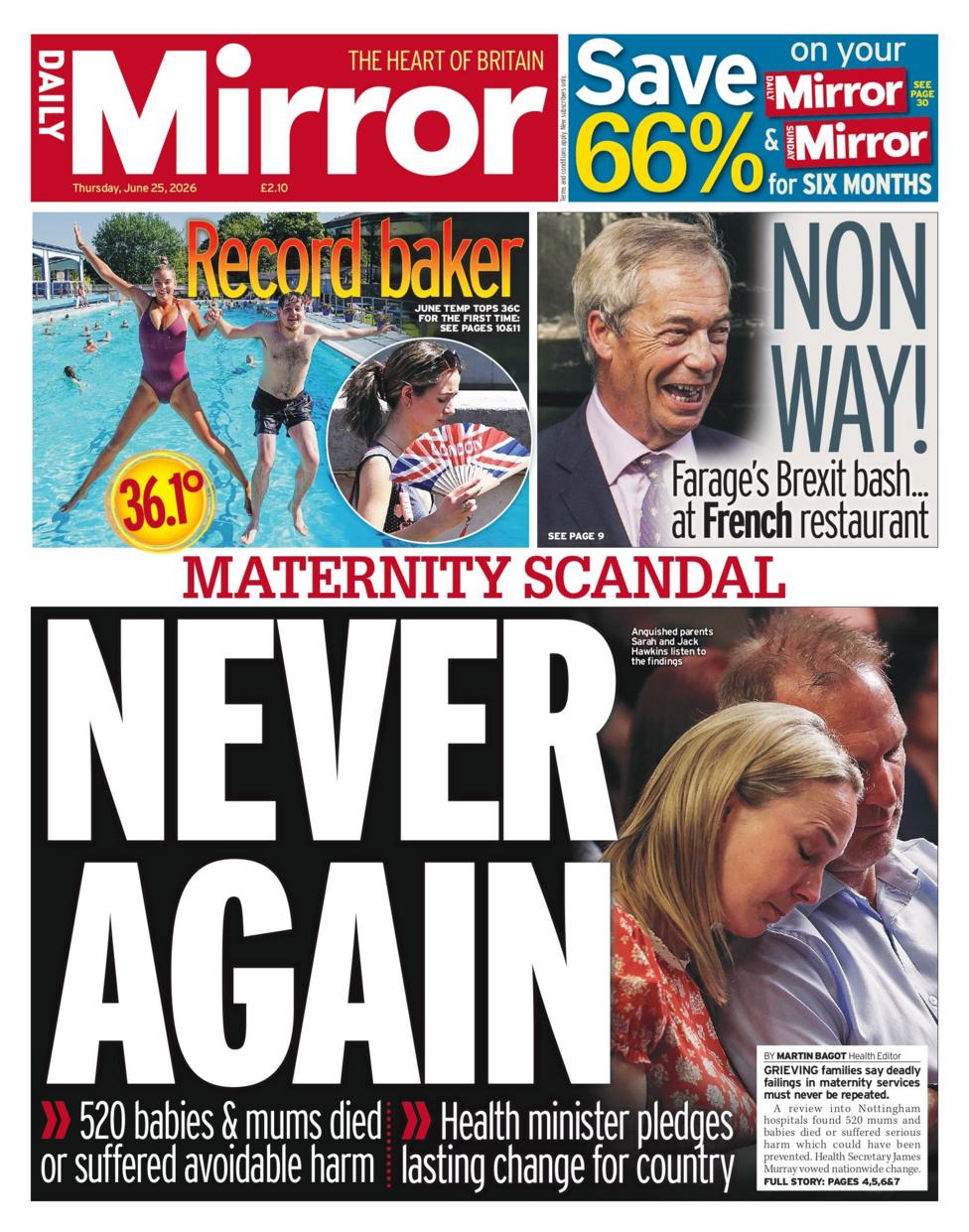
    “Never again”, says The Mirror after the review of the Nottingham University Hospitals NHS Trust found that 520 babies and mothers died or suffered avoidable harm. “Cruel maternity care left hundreds dead or injured”, says The Times. The Daily Mail covers the “arrogance of the men who wouldn’t listen”. Meanwhile Andy Burnham has been told “not to axe the ‘crucial’ triple lock”, says the Daily Express.

    See the newspaper front pages


    tall tale

    Good shout, mate

    An Aussie, perhaps predictably, has broken the world record for the loudest shout ever recorded. Joseph McGrail-Bateup, an air conditioner cleaner and honorary town crier, yelled “now” at an ear-splitting 122.4 decibels. That is the equivalent of a clap of thunder or a pneumatic drill. The 58-year-old told Sky News it took him seven attempts to break the record and that his voice was “shot” for days afterwards. “There’s no way that you can actually practise for it,” he said. “You have to just keep it for the day, especially with the world record attempt.”


    Morning Report was written and edited by Arion McNicoll, Jamie Timson, Ross Couzens and Chas Newkey-Burden, with illustrations by Julia Wytrazek.

    Image credits, from top: Skaman306 / Getty Images; Juan Barreto / AFP / Getty Images; Benediction Murhabazi / AFP / Getty Images; Illustration by Julia Wytrazek / Getty Images.

    Morning Report and Evening Review were named Newsletter of the Year at the Publisher Newsletter Awards 2025
     

    Recent editions

    • Morning Report

      Mamdani gamble sends allies to Congress

    • Evening Review

      Is Ossoff the Democrats’ best bet?

    • Morning Report

      A rare bipartisan win on housing

    VIEW ALL
    TheWeek
    • About Us
    • Contact Future's experts
    • Terms and Conditions
    • Privacy Policy
    • Cookie Policy
    • Advertise With Us
    • FAQ
    Add as a preferred source on Google Add as a preferred source on Google

    The Week is part of Future US Inc, an international media group and leading digital publisher. Visit our corporate site.

    © Future US, Inc. Full 7th Floor, 130 West 42nd Street, New York, NY 10036.