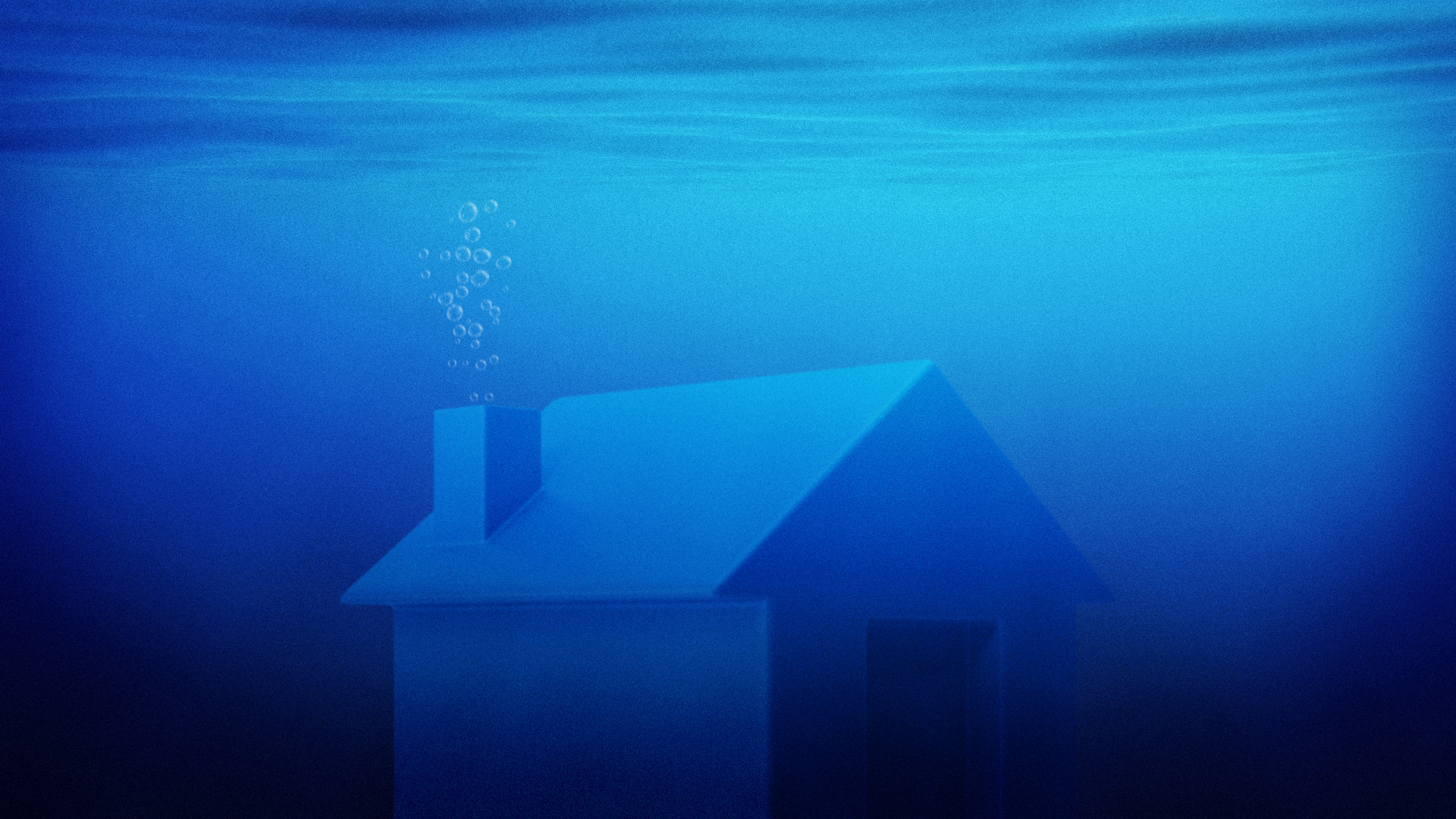
A new underwater research facility is making waves. Deep, a British ocean engineering company, has installed a subsea human habitat more than 18 metres below the surface in the Tennessee Reef, part of the Florida Keys National Marine Sanctuary. Called Vanguard, the habitat allows for four aquanauts to live in a dry environment underwater for five days without needing to resurface. And it is just the first of a proposed network of underwater facilities by the company.
Deep’s Vanguard is “providing extended access to the ocean for research, conservation and training”, said the company’s website. The facility is the “first open-ocean human habitat built, tested and deployed in the United States in four decades”, said Vice. Deep hopes to enable permanent underwater living by as soon as next year.
Living underwater exploits a “strange loophole in human biology”, added Vice. “It’s like you have been scuba diving for a really long time and your tissues and blood get saturated with nitrogen, the inert gas that you are breathing,” Dawn Kernagis, the director of scientific research at Deep, told Science Alert. “Essentially, once you are saturated, you could stay down there for weeks, months at a time.”
The goal of Vanguard is to allow scientists to conduct marine science research, mainly related to “coral reef restoration, long-term monitoring, climate impact studies, human performance research and training for extreme environments”, said Deep in a statement. And the deployment of the Vanguard habitat within the marine sanctuary “creates additional opportunities for marine science and builds on research infrastructure”. |