The Week The Week
flag of US
US
flag of UK
UK
https://cdn.mos.cms.futurecdn.net/flexiimages/jacafc5zvs1692883516.jpg

SUBSCRIBE & SAVE

Less than $3 per week

Sign in
  • View Profile
  • Sign out
  • The Explainer
  • The Week Recommends
  • Newsletters
  • Cartoons
  • From the Magazine
  • The Week Junior
  • More
    • Politics
    • World News
    • Business
    • Health
    • Science
    • Food & Drink
    • Travel
    • Culture
    • History
    • Personal Finance
    • Puzzles
    • Photos
    • The Blend
    • All Categories
  • Newsletter sign up Newsletter
  • WeekDay AM: 10 Things you need to know this morning
    RAF to deploy, another air traffic failure, and Martha’s Rule expands nationally

     
    today’s military story

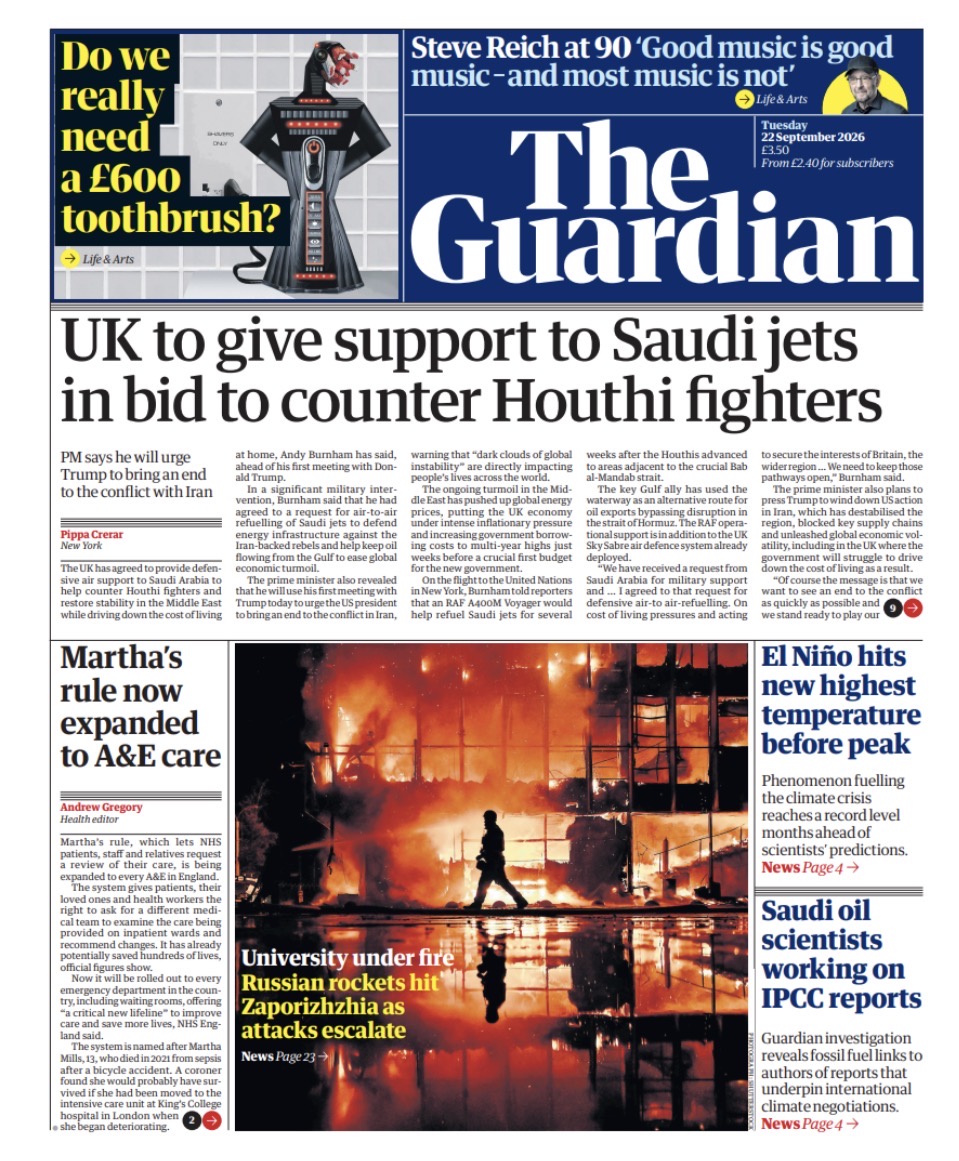
    UK to support Saudi jets in battle with Houthis

    What happened
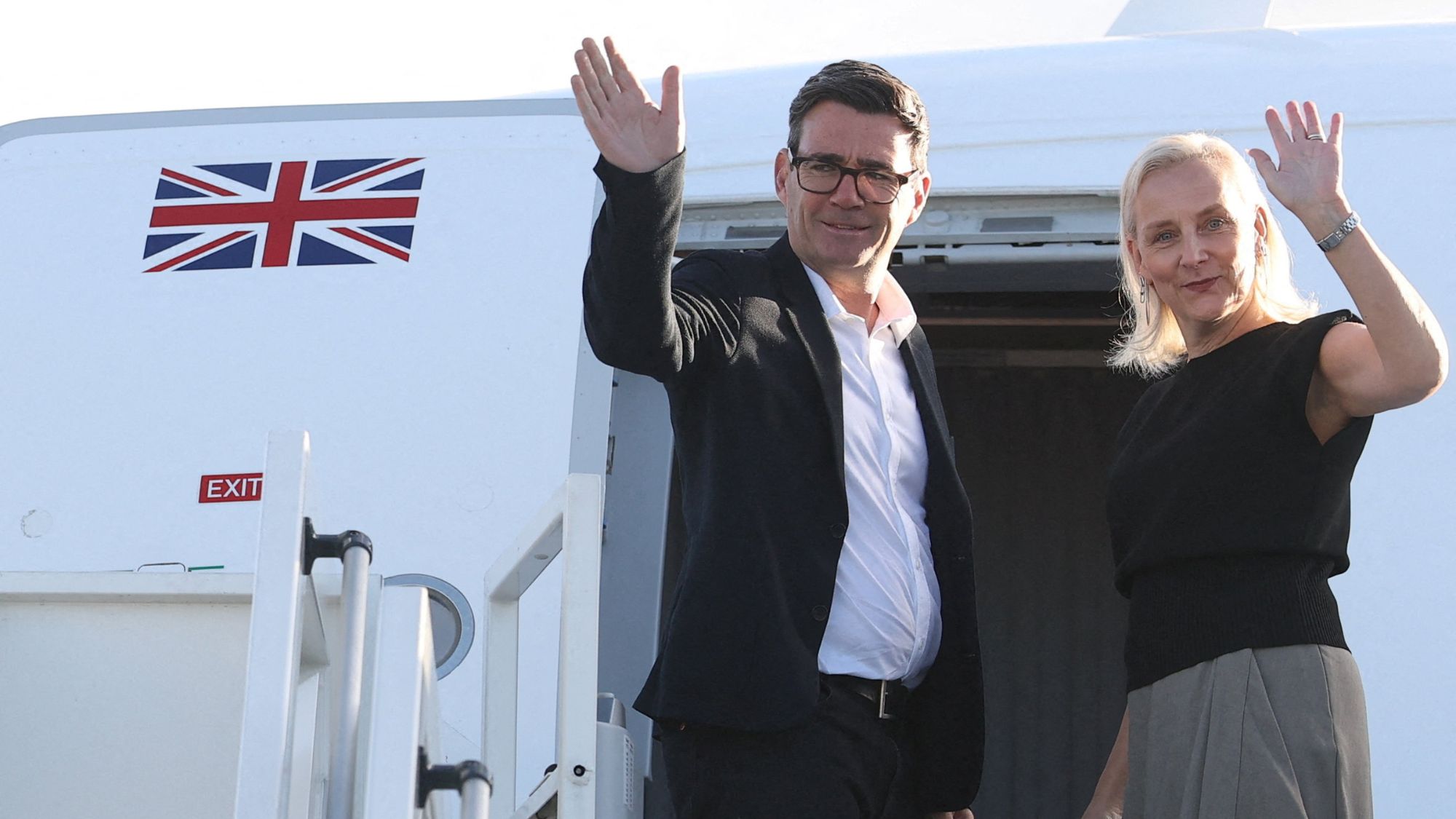
    Andy Burnham has authorised the UK’s first military deployment since he became prime minister, agreeing to provide Saudi Arabia with defensive air-to-air refuelling capability as it comes under attack from Iran-backed Houthi forces in Yemen. A single RAF Voyager aircraft is expected to arrive there within days. The Houthis have stepped up missile and drone attacks on Saudi targets while making gains along Yemen’s Red Sea coast, threatening shipping and energy infrastructure.

    Who said what
    Burnham said Saudi Arabia had requested military assistance and that he had approved the refuelling support based on “cost of living pressures and acting to secure the interests of Britain and the wider region”.

    The PM made the intervention after the Houthis seized control of the Red Sea coast near the Bab al-Mandeb Strait, a “key strategic chokepoint”, said Ben Clatworthy and Oliver Wright in The Times. “He is said to have been considering a Saudi request for help for several days” before approving it. Saudi Arabia has used the “crucial” Bab al-Mandab strait as an “alternative route for oil exports bypassing disruption in the Strait of Hormuz”, said Pippa Crerar in The Guardian. Announcing the RAF deployment, Burnham said: “We need to keep those pathways open.”

    What next?
    The deployment is intended to remain time-limited to a period of a few weeks.


    today’s transport story

    Airlines demand answers after fresh Nats failure

    What happened
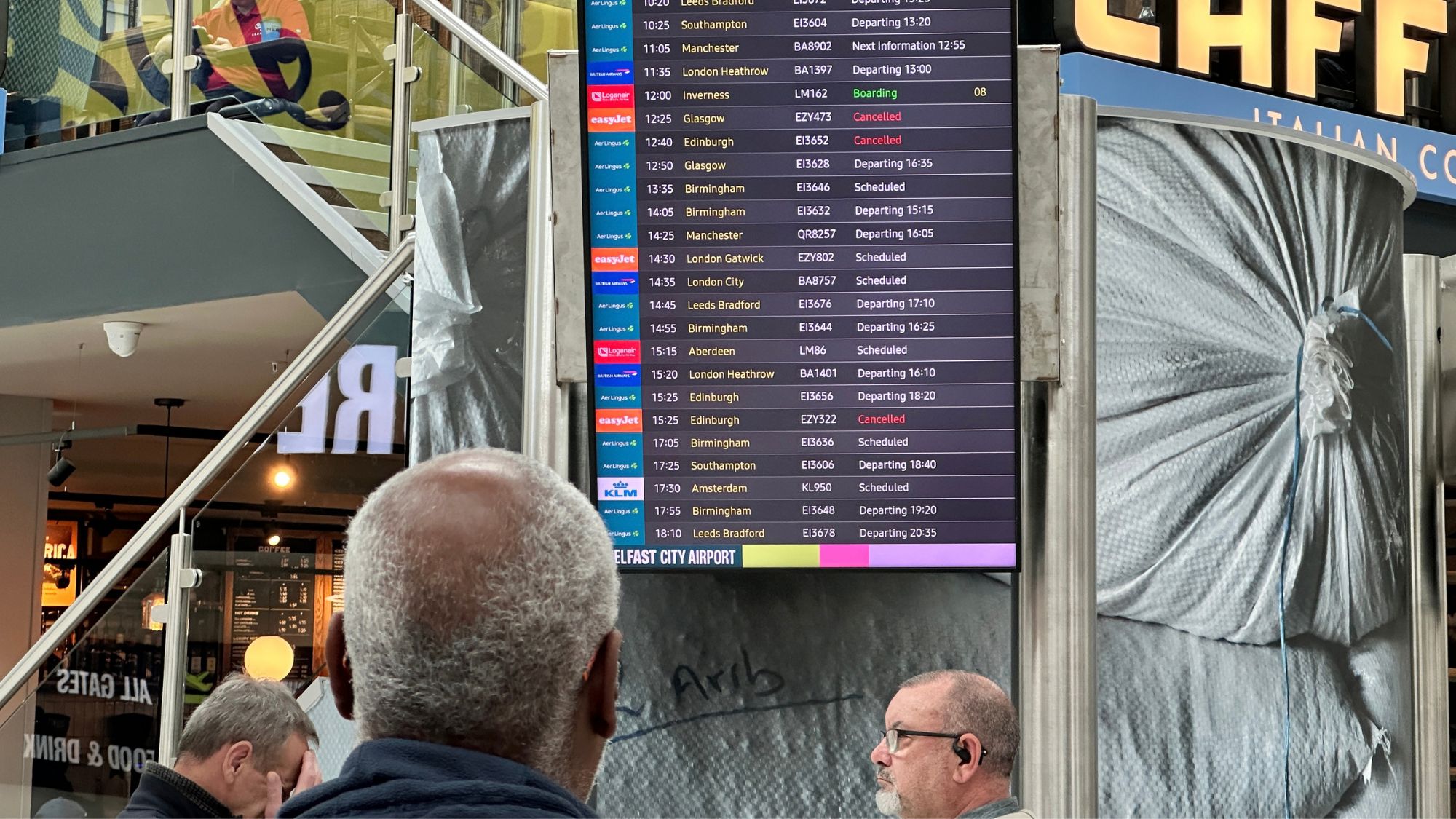
    Britain’s air traffic control system suffered another technical issue yesterday that disrupted flights across Scotland, Northern Ireland and northern England. It came less than two weeks after a separate National Air Traffic Services (Nats) outage caused more than 2,000 cancellations. The latest problem occurred at Nats’ Prestwick control centre and was caused by a connectivity failure. Nats said it was unrelated to the software defect that caused the earlier breakdown. The Prestwick problem was fixed within hours, but delays continued as airlines worked to clear a backlog of flights.

    Who said what
    Airlines said the repeat disruption raised fresh questions about the resilience of the system. Wizz Air called it a “confidence crisis” and demanded reform.

    This was the “fourth incident caused by problems at National Air Traffic Services in under four years”, said Alex Ross in The Independent. Nats chief executive Martin Rolfe is now under “increased pressure to quit”.

    What next?
    The Civil Aviation Authority said passengers affected by the latest incident were unlikely to qualify for compensation because the disruption probably constituted “extraordinary circumstances”. An independent CAA review into Nats’ resilience is already under way and is due to report within six months.


    Today’s international story

    Banned US media outlets sue Trump to ‘protect rights’

    What happened
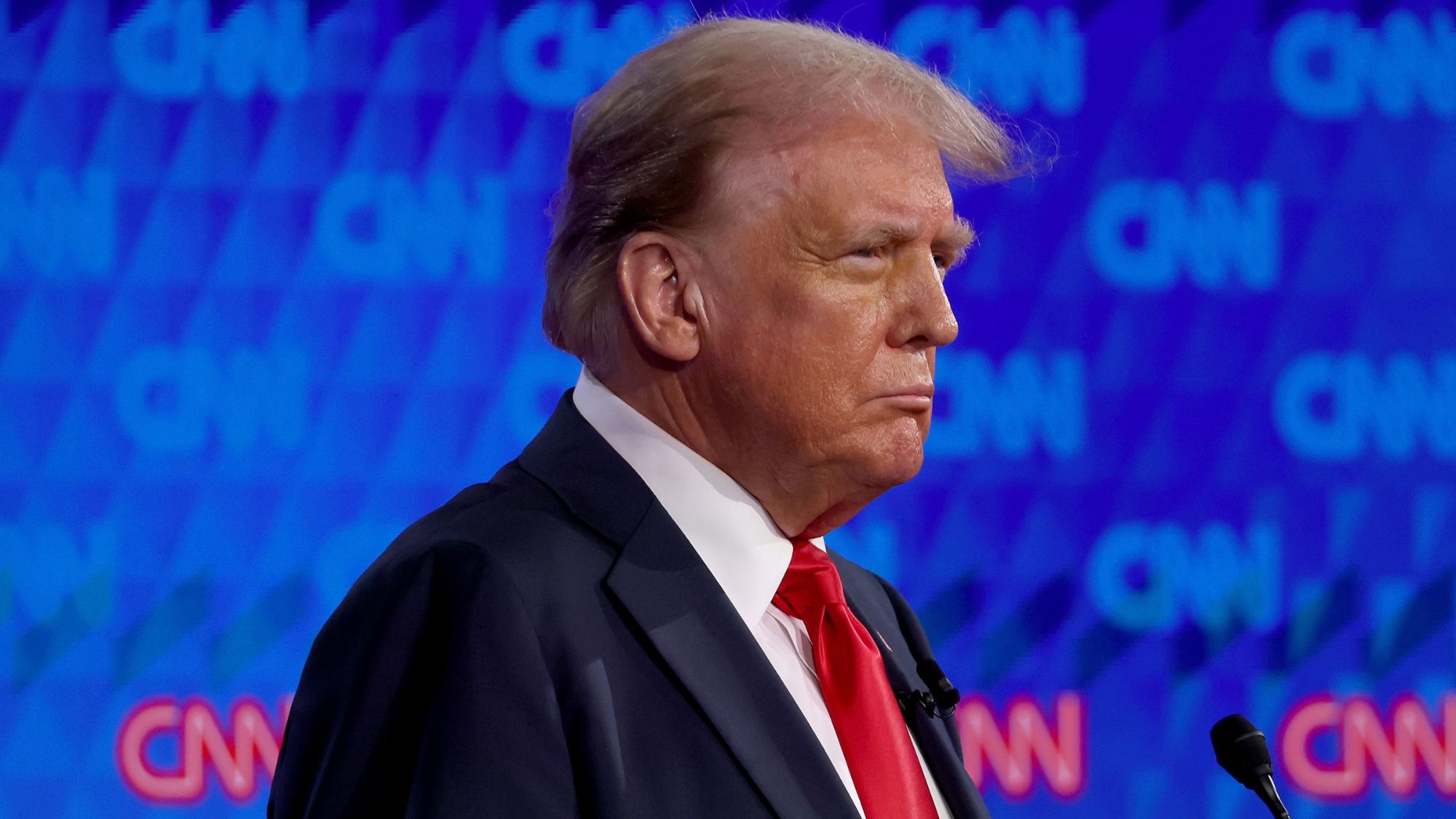
    Three US media outlets are taking legal action against the Trump administration after the president banned them from entering the White House. MS NOW, CNN and Politico said they would file their lawsuit in a federal district court in Washington, D.C. after Donald Trump’s surprise announcement on Friday.

    Who said what
    “Without notice or process, the White House revoked our journalists’ credentials because it objected to our reporting,” the outlets said in a joint statement on X. “Left unchallenged, this threatens press freedom and the public’s right to independent journalism free from government interference.” The lawsuit aims to “protect our First Amendment rights”.

    In response, Trump wrote on Truth Social that the White House is “not instituting an assault on the Free Press”, but “an assault on the FAKE NEWS, something that has grown like Cancer in our beloved United States of America”. “It is a threat to our National Security, and must be stopped, NOW!”

    What next?
    Major television networks are halting their coverage of presidential events in response to Trump’s ban.


    It’s not all bad

    Patients, relatives and NHS staff will be able to demand an urgent review of care at every A&E in England under an expansion of Martha’s Rule. The scheme – which allows concerns about deteriorating patients to trigger a second medical opinion – has already received more than 10,000 calls and potentially saved 446 lives. A pilot program in seven emergency departments saw 69 calls, with some patients receiving urgent surgery or intensive care as a result. The rollout will be completed by March 2028.


    under the radar

    Humans may have been doing drugs for 25,000 years 

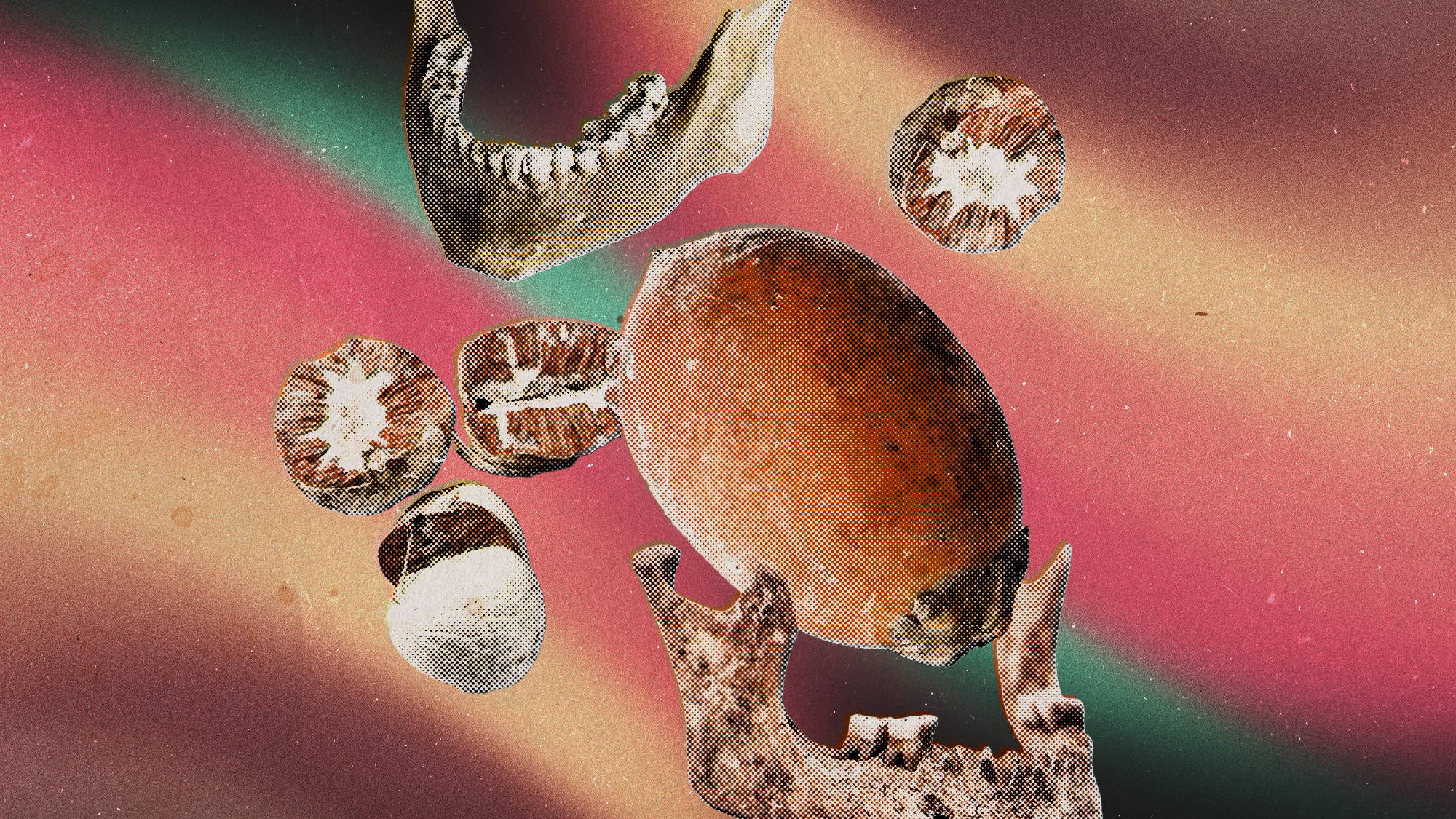
    The human race has been getting high for longer than you might assume. Researchers have found evidence that ancient humans chewed on betel nuts, a stimulant that is still widely used today. The seed may have been employed as a painkiller or as a social and cultural practice – something that still influences its modern use.

    Researchers analysed the teeth of early human foragers from the Indonesian island of Sulawesi and found “dental pathology” most likely attributed to the “habitual sucking of whole betel nuts”, said a study published in the journal Science Advances. The earliest human remains examined were dated to 25,000 to 16,000 years ago and another set was dated 7,600 to 6,300 years ago. Written accounts of betel nut chewing go back approximately 2,000 years while previous archaeological evidence goes back about 3,500 years. The new findings extend the potential betel nut use by tens of thousands of years.

    Prehistoric humans likely used betel nuts as painkillers, but in chewing on them they “wore their teeth down to the pulp, which would have been excruciating”, said The New York Times. Because of the pain from tooth damage, they may have upped their betel nut consumption, ultimately worsening the addiction.

    It is “fascinating to see the negative effects that drug addiction, if you want to call it that, had on ancient people before the development of alcohol, nicotine and caffeine”, Adam Brumm, a professor of archaeology at the Australian Research Centre for Human Evolution at Griffith University and lead author of the study, told the Times.


    on this day

    22 September 1896

    Queen Victoria surpassed her grandfather King George III’s record of 59 years and 96 days to become the longest-reigning monarch in British history. Her great-great-granddaughter, Elizabeth II, surpassed her, eventually ruling for 70 years and 214 days. Today Hassanal Bolkiah is the longest-reigning living monarch, having been Sultan of Brunei since 1967.


    Today’s newspapers

    ‘Saudi support’

    “UK to give support to Saudi jets in bid to counter Houthi fighters”, says The Guardian. Andy Burnham has agreed “UK military help for Saudi Arabia”, The Independent says. “NHS needs 55,000 more nurses,” says The Mirror. “Little girls begin life more sociable than boys”, says The Times. The doctor who originally accused Lucy Letby of murdering babies is now “not sure of her guilt”, says The Sun. 

    See the newspaper front pages


    tall tale

    O CaptAIn! My CaptAIn!

    An Australian university lecturer has revealed that he replaced himself with an Artificial Intelligence avatar – only for students to prefer the AI version. Luke Rowe, a senior education researcher at Australian Catholic University, used his AI clone to lead a video lecture before disclosing the ruse to the class. Rowe told Australian newspaper The Age that he found himself “eating humble pie” when it became clear that most students had not noticed the switch – and many preferred the avatar.


    Morning Report was written and edited by Arion McNicoll, Rebecca Messina, Harriet Marsden, Devika Rao, Ross Couzens and Chas Newkey-Burden, with illustrations by Julia Wytrazek.

    Image credits, from top: Toby Melville / Pool / AFP / Getty Images; Getty Images; Justin Sullivan / Getty Images; Illustration by Julia Wytrazek / Getty Images.
     

    Recent editions

    • Morning Report

      ICE shooting shakes Austin

    • Sunday Shortlist

      The century's greatest novel so far?

    • Saturday Wrap

      Did ‘Trumpapalooza’ help Republicans?

    VIEW ALL
    TheWeek
    • About Us
    • Contact Future's experts
    • Terms and Conditions
    • Privacy Policy
    • Cookie Policy
    • Advertise With Us
    • FAQ
    Add as a preferred source on Google Add as a preferred source on Google

    The Week is part of Future US Inc, an international media group and leading digital publisher. Visit our corporate site.

    © Future US, Inc. Full 7th Floor, 130 West 42nd Street, New York, NY 10036.