The Week US
flag of US
US
flag of UK
UK
https://cdn.mos.cms.futurecdn.net/flexiimages/jacafc5zvs1692883516.jpg

SUBSCRIBE & SAVE

Less than $3 per week

Sign in
  • View Profile
  • Sign out
  • The Explainer
  • The Week Recommends
  • Newsletters
  • Cartoons
  • From the Magazine
  • The Week Junior
  • More
    • Politics
    • World News
    • Business
    • Health
    • Science
    • Food & Drink
    • Travel
    • Culture
    • History
    • Personal Finance
    • Puzzles
    • Photos
    • The Blend
    • All Categories
  • Newsletter sign up Newsletter
  • WeekDay AM: 10 Things you need to know this morning
    A public preparedness drive, Trump to be deposed, and ‘The History Boys’ returns

     
    today’s UK News story

    Government tells Britons to stockpile food and water

    What happened
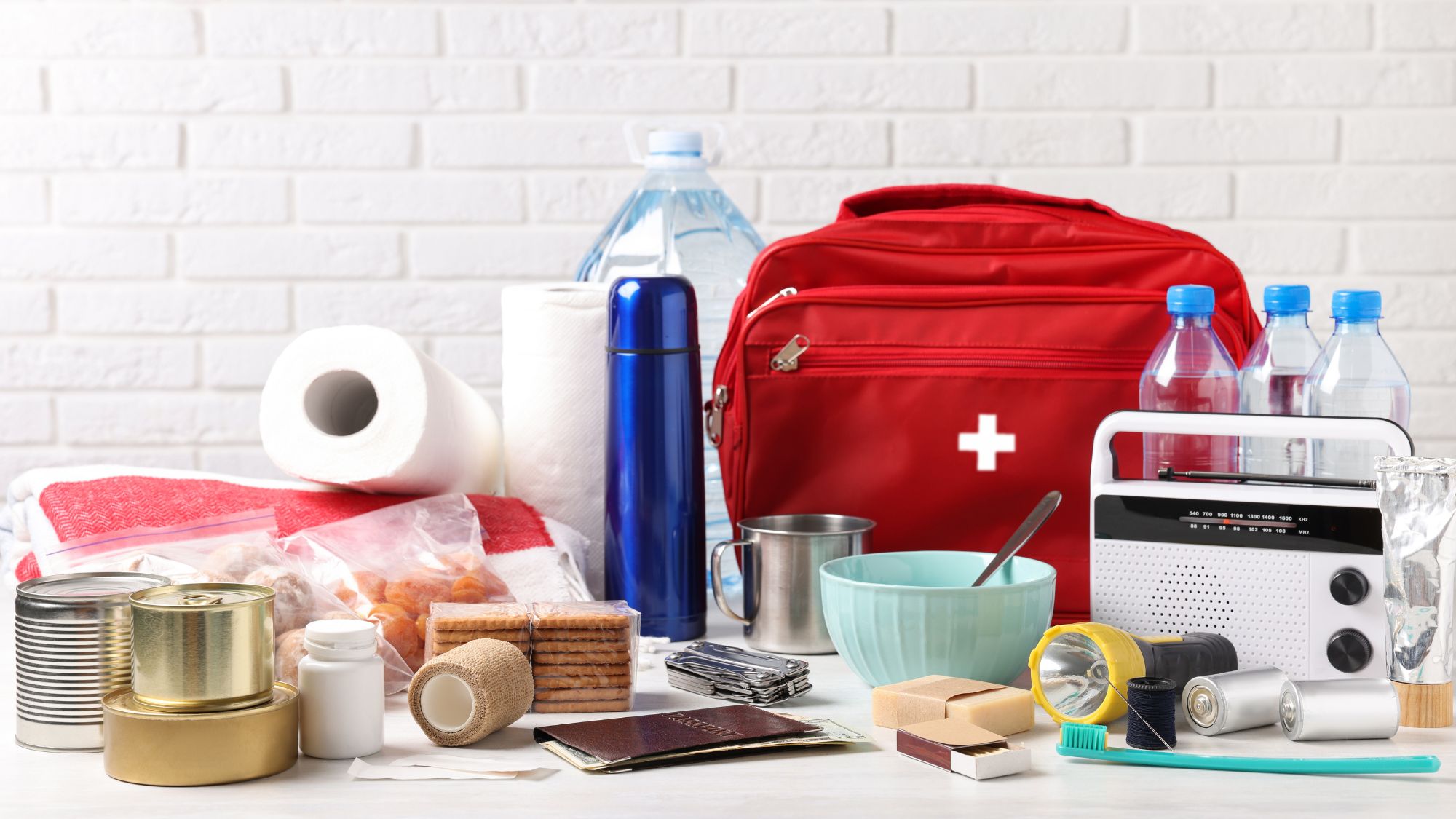
    The UK government has launched a public preparedness drive advising households to keep enough provisions on hand that they can manage for three days without outside assistance during a major emergency.

    The Be Ready initiative recommends storing nine litres of drinking water per person, alongside three days’ worth of food. Households should also have blankets, cash, a first aid kit, a torch and a battery-powered or wind-up radio.

    Ministers want the public to prepare for severe weather, digital disruptions and hostile actions by foreign powers. The campaign comes ahead of winter following recent storms that left tens of thousands of homes without electricity.

    Who said what
    “Those who can follow this advice should follow this advice,” said Security Minister Dan Jarvis. Defence Secretary Wes Streeting warned that hostile states could target the UK’s essential services through cyber-attacks and sabotage.

    Stocking up for three days is “considered to be a realistic and practical proposal for households”, said Dan Sabbagh in The Guardian, and would bring Britain “in line with France, the Republic of Ireland and the Netherlands”.

    The UK is “reliant on a heavily globalised food supply”, said Danielle Sheridan in The Telegraph, with roughly 45 to 50% of its needs imported. Last month the National Audit Office said disruptions to Britain’s food supply were “becoming more likely and potentially more severe” because of extreme weather events, cyber attacks and disease.

    What next?
    The Cabinet Office will promote the advice through radio and social media advertising.


    today’s international story

    Judge orders Trump to sit for BBC lawsuit deposition

    What happened
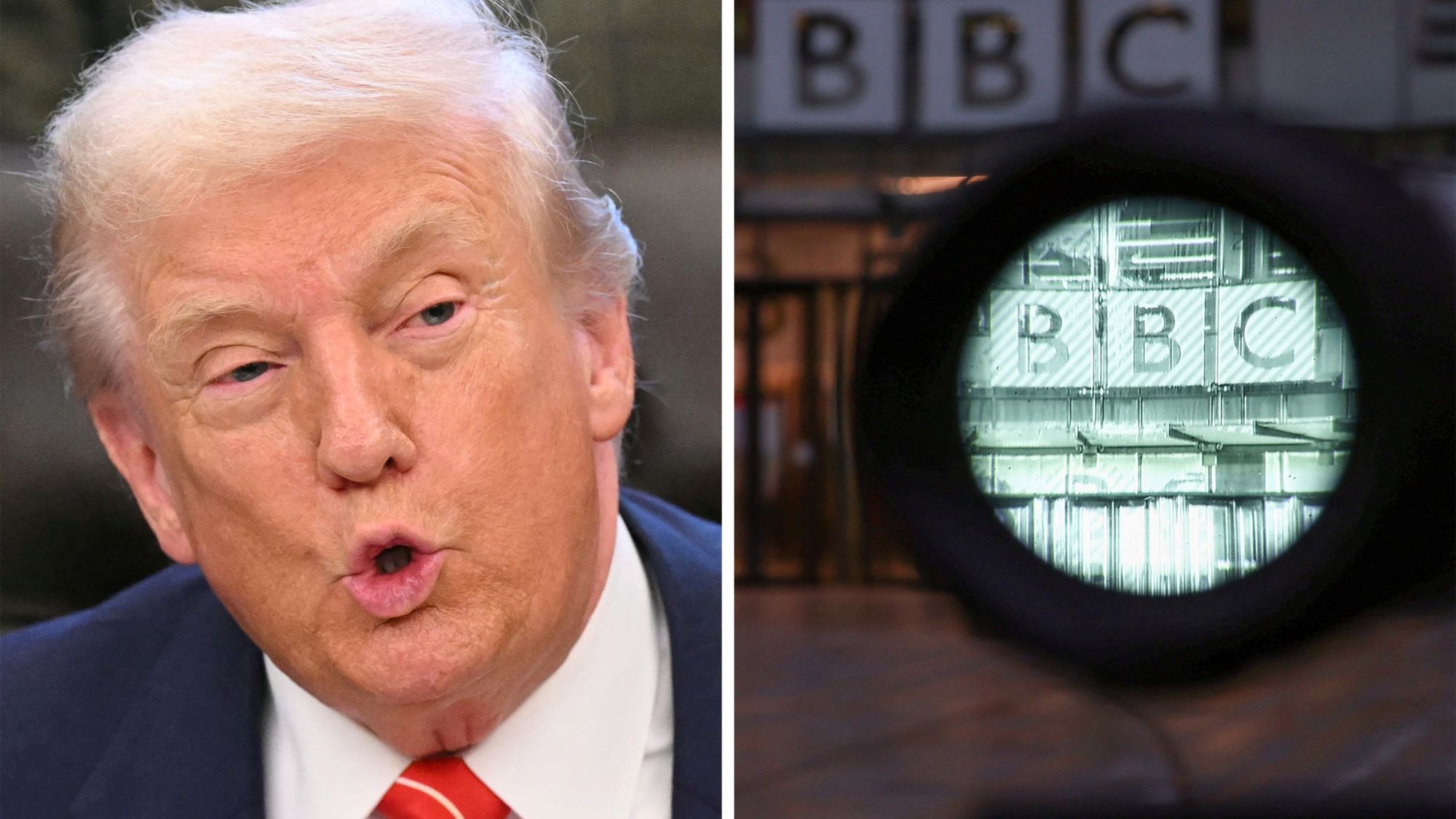
    Donald Trump must provide evidence under oath by 11 December and hand over relevant internal records as part of his $10 billion lawsuit against the BBC, a US judge has ruled. Failure to comply could lead to penalties, including the case being thrown out.

    Federal Magistrate Judge Enjoliqué Lett issued the orders during a hearing in Miami, criticising Trump’s legal team for failing to produce substantive material during the evidence-gathering process. She also approved the BBC’s request to videotape Trump’s seven-hour deposition, with access restricted to lawyers involved in the case.

    Who said what
    The BBC is challenging the US president’s claim that a “Panorama” documentary damaged him by editing together two sections of his 6 January 2021 speech. The broadcaster has admitted that the edit was misleading, but Trump has separately alleged, without evidence, that artificial intelligence was used to alter his words.

    In seeking delays Trump is “invoking presidential responsibilities”, said Hannah Parry in Newsweek. His lawyers argue that previous cases support the idea that his complex schedule and security arrangements must be accommodated.

    What next?
    The BBC’s lawyer Charles Tobin has accused Trump’s team of providing virtually nothing of value, with Judge Lett warning that this was their “last opportunity” to comply.


    Today’s theatre story

    Nation’s favourite play will return to the West End

    What happened
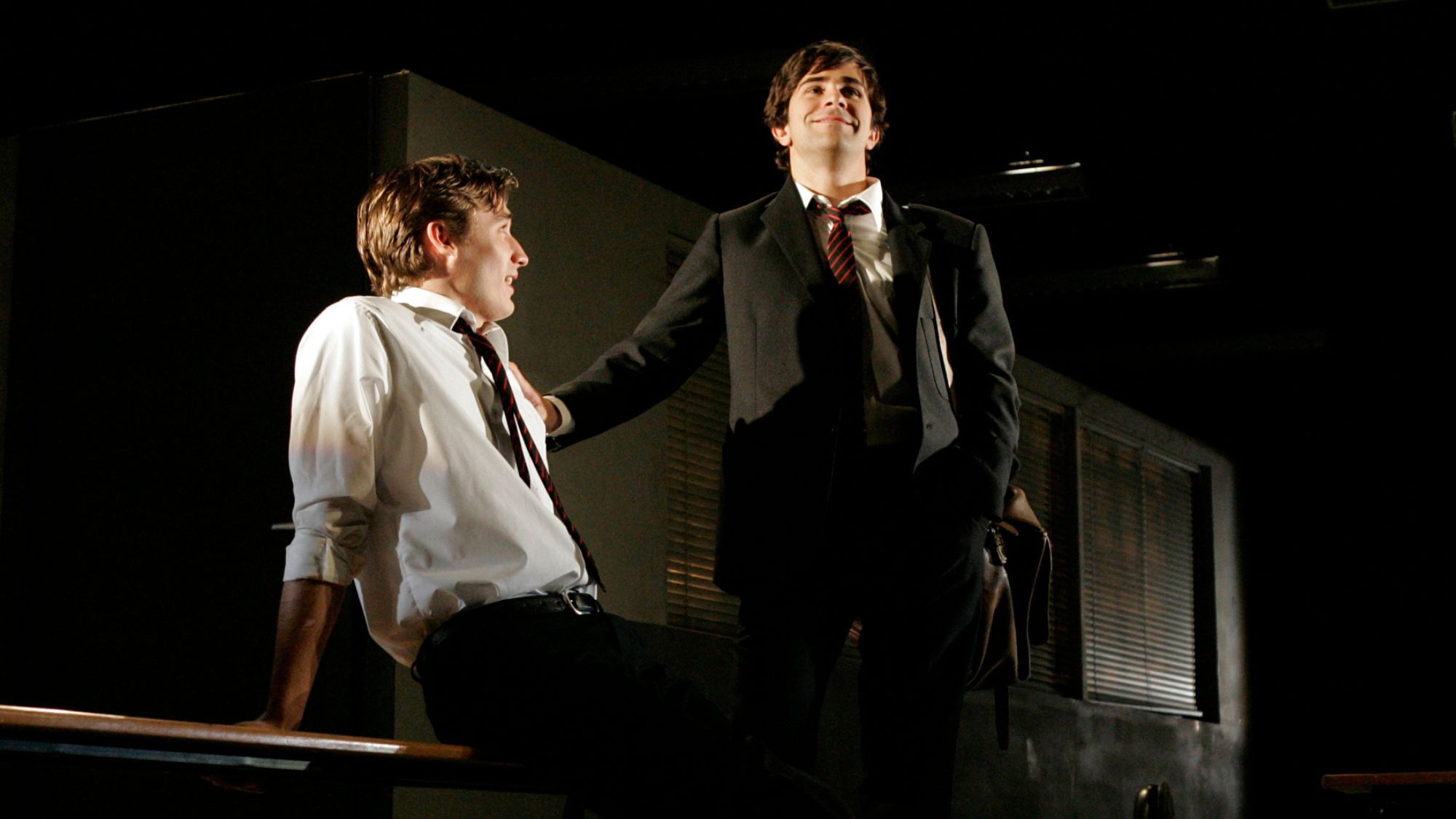
    “The History Boys” is coming back to the West End in a rare revival of the production.

    “The History Boys” had its world premiere at the National Theatre in 2004 before transferring to the West End and Broadway, where it won three Olivier Awards and six Tonys. “Voted the nation’s favourite play in 2013, it launched the careers of James Corden, Russell Tovey and Dominic Cooper,” said The Guardian.

    Who said what
    Nicholas Hytner, who will be the director of this run, also helmed the Alan Bennett play at the National Theatre and its 2006 film adaptation. He said while it would be “specious” to claim that it was being brought back in direct response to debates about the quality of education in Britain, the context did “make the play a really exciting thing to do again”.

    The play “has always been slightly controversial”, said The Times, because of “its fairly sympathetic portrayal of ­Hector, the gay teacher who repeatedly attempts to fondle his pupils”.

    What next?
    The production will open at the Theatre Royal Haymarket on 10 April for a 16-week run, reuniting Hytner with its original designer Bob Crowley. Bennett will also be involved in its development.


    It’s not all bad

    Raye has won this year’s Mercury Prize for “This Music May Contain Hope”, a 73-minute album spanning big-band jazz, funk and power ballads. The award caps a remarkable turnaround for the British singer, who left her record label in 2021 after being prevented from releasing an album. Her subsequent success as an independent artist includes collecting six Brit Awards in 2024. The Mercury judges praised her latest record’s imagination, ambition and genre-defying sound.


    under the radar

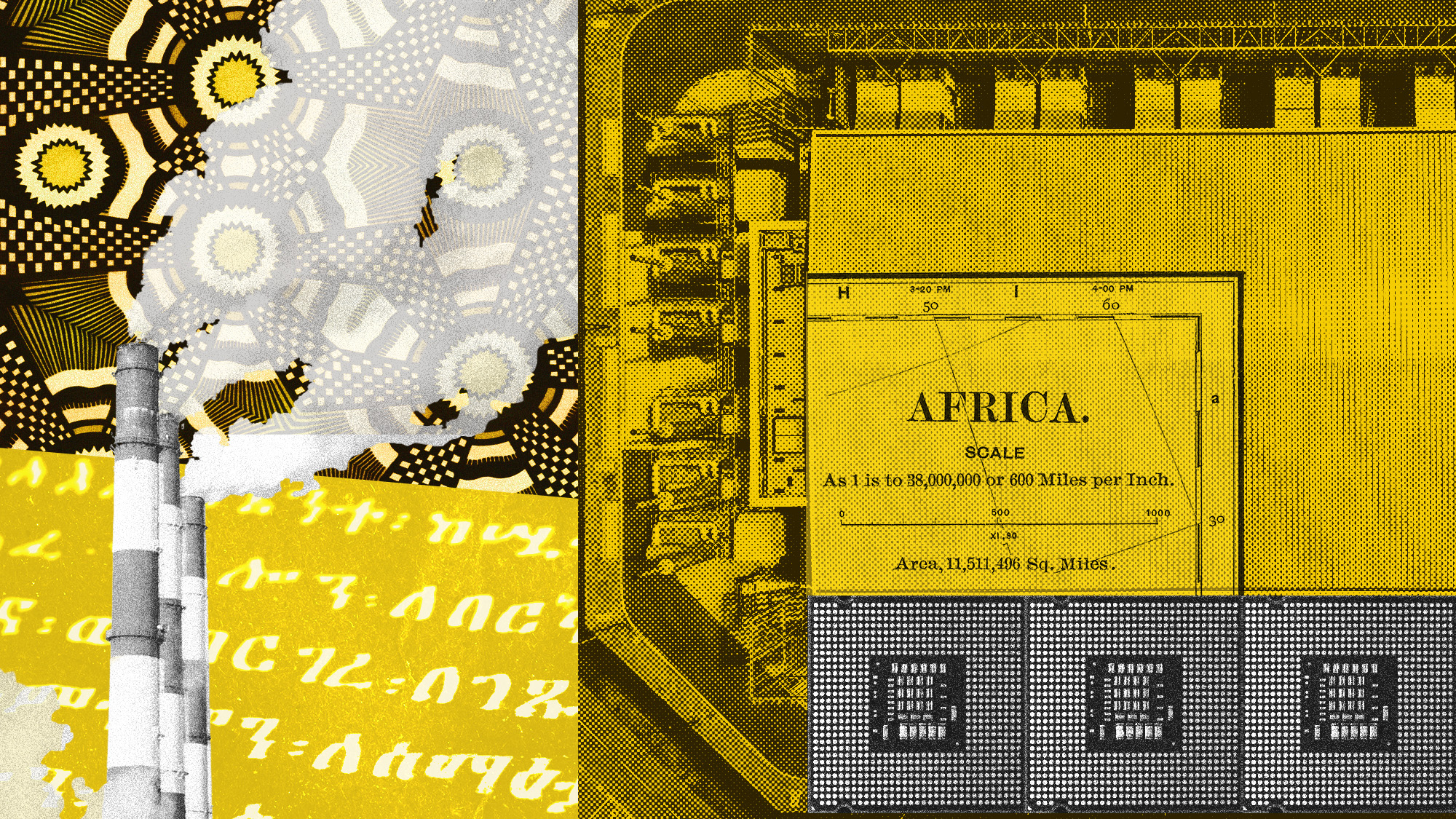
    Africa confronts huge AI challenge

    Togo has asked its citizens to contribute texts, recordings and translations to help “develop AI models that address the linguistic diversity of the country”, according to the AI for Developing Countries Forum.

    More than just a “regional experiment”, it is a “blueprint for how developing nations can use technology to assert their cultural sovereignty and economic relevance in the digital age”.

    Africa has about 2,000 different languages, but very few are represented comprehensively in AI models, said academics on The Conversation. Failing to be a part of the tech revolution not only “marginalises millions of people”, but also “increases the technology divide”.

    AI’s inability to handle most African languages comes down to the “gap between the number of real-world speakers and a language’s digital footprint”, said African Business.

    According to findings published in the Proceedings of Machine Learning Research, across six large language models (LLMs), eight small language models and six specialised small language models, only 41 African languages were represented. And just four – Amharic, Swahili, Afrikaans and Malagasy – were “always handled”. This means that “over 98% of African languages went unsupported”.

    The lack of African languages in LLMs has become a “major concern for the continent’s policymakers and tech leaders”, said news site Semafor. The World Bank estimates that Africa has only 0.6% of global data centre capacity despite accounting for 18% of the world’s population.

    Building AI models from scratch is “expensive” and consumes “limited resources”. But by using one novel strategy – adopting and adapting existing models – the continent’s outputs can evolve more quickly. And Togo’s initiative suggests that the future of AI in Africa “may hinge less on who builds the biggest model, than on who makes the technology useful to the most people”.


    on this day

    23 October 1926

    Leon Trotsky and Lev Kamenev were expelled from the Soviet Politburo. In his new book released this year – The Death of Trotsky: The True Story of the Plot to Kill Stalin’s Greatest Enemy – Josh Ireland detailed the brief secret affair between Bolshevik revolutionary Trotsky and artist Frida Kahlo during his exile in Mexico City.


    Today’s newspapers

    ‘Prepare for the worst’

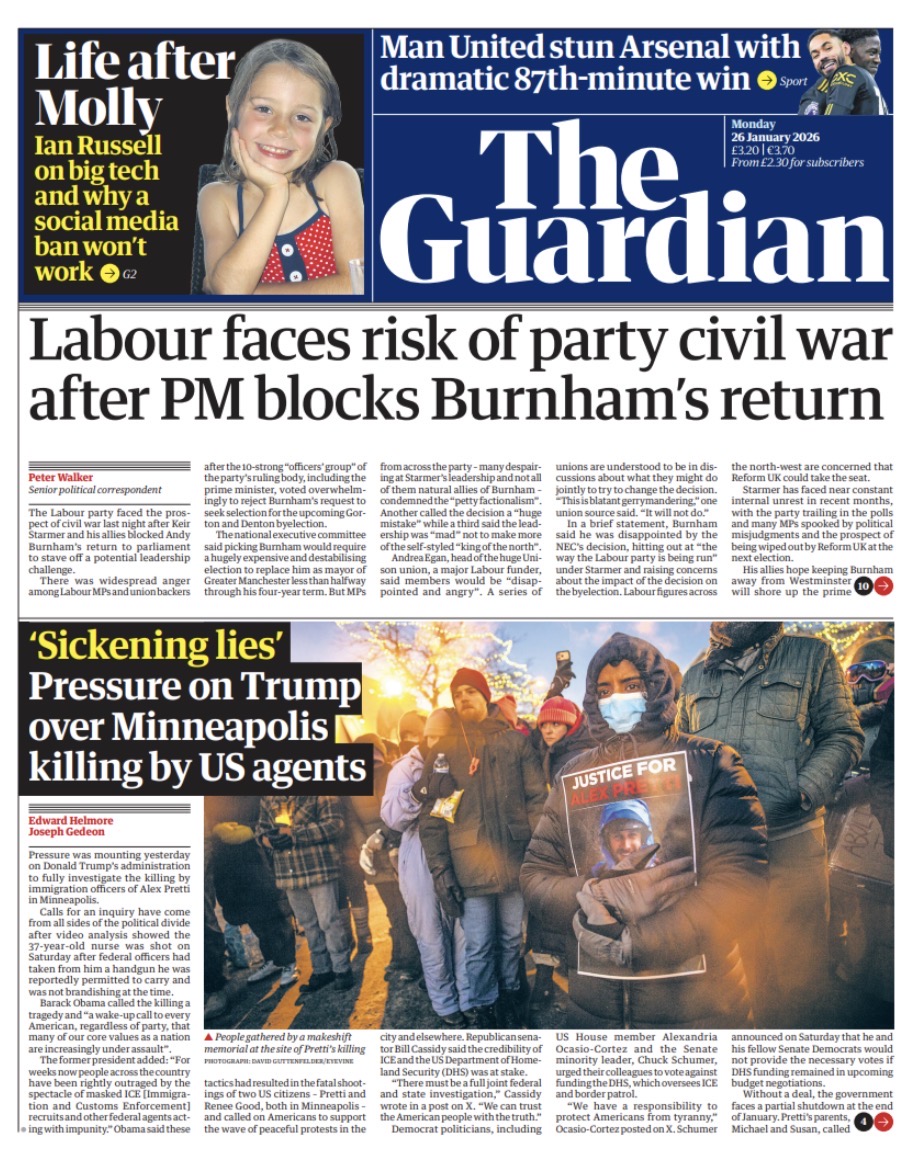
    “Prepare for the worst”, says Metro after Wes Streeting launched a national information campaign on disruption caused by natural disasters and cyber attacks. “Stockpile food for cyber war”, says The Telegraph. “Don’t panic!” says the Daily Mail. “Reform donor’s past link to Iran regime”, The Guardian reports. Matt Hancock is “indefensible”, The Mirror says. “Meghan dad in child sex probe”, reports The Sun.

    See the newspaper front pages


    tall tale

    Dry your eyes, mate

    Count Binface may have shed the odd tear after losing his most recent by-election battle, but it looks like he’s won the war – if the war in question is over the inconvenient location of a hand dryer in a public toilet. During his Clacton face-off against Reform leader Nigel Farage in August, Binface pledged to move the dryer inside the men’s toilets at The Great Himalayas restaurant in Southport. And in a rare win for the bin, the hand dryer in question has in fact been moved “to a more sensible location”, according to The Times. Count Binface told Metro: “It’s a victory not just for me and the human men in Southport who will no longer suffer air-fried genitals, but also for the 9,455 people in Clacton who voted for my manifesto this summer and thus demanded this change.”


    Morning Report was written and edited by Arion McNicoll, Jamie Timson, Will Barker, Justin Klawans, Ross Couzens and Chas Newkey-Burden, with illustrations by Julia Wytrazek.

    Image credits, from top: Liudmila Chernetska / Getty Images; Saul Loeb and Henry Nicholls / AFP / Getty Images; Lawrence K. Ho / Los Angeles Times / Getty Images; Illustration by Julia Wytrazek / Getty Images.
     

    Recent editions

    • Morning Report

      US’s mixed exit on Iran

    • Evening Review

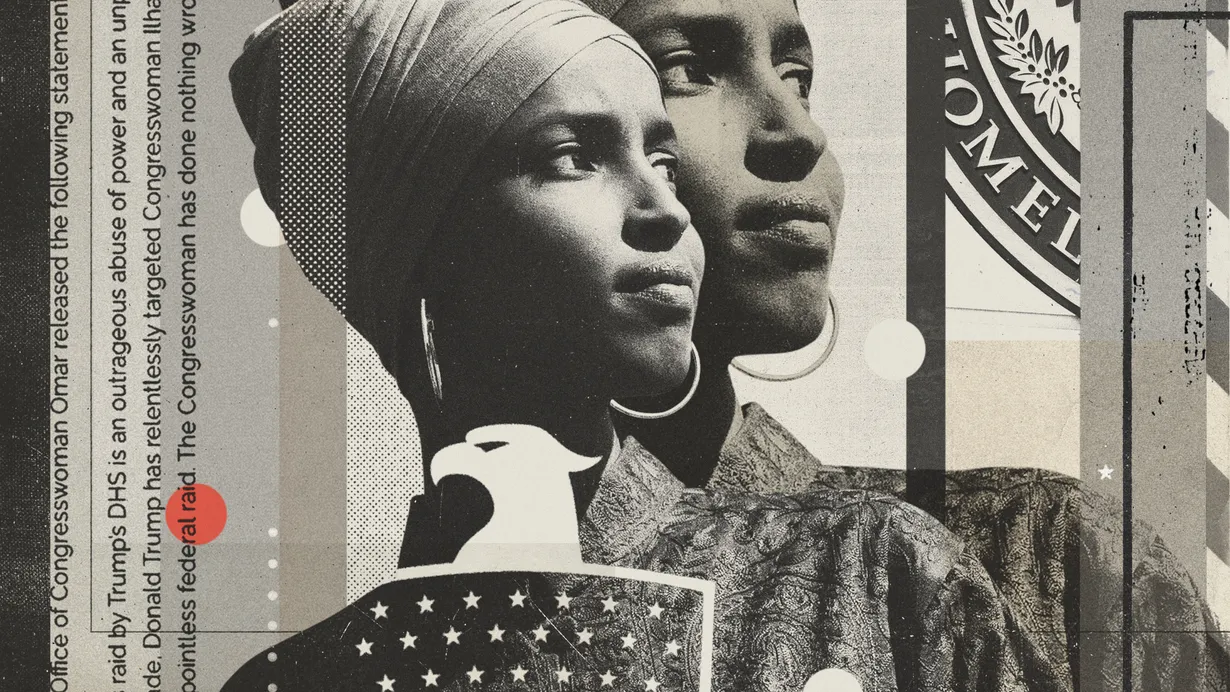
      The Ilhan Omar investigation

    • Morning Report

      Ad turns Ohio governor’s race even uglier

    VIEW ALL
    TheWeek
    • About Us
    • Contact Future's experts
    • Terms and Conditions
    • Privacy Policy
    • Cookie Policy
    • Advertise With Us
    • FAQ
    Add as a preferred source on Google Add as a preferred source on Google

    The Week US is part of Future US Inc, an international media group and leading digital publisher. Visit our corporate site.

    © Future US, Inc. Full 7th Floor, 130 West 42nd Street, New York, NY 10036.