On 26 April 1986, a reactor at the Chernobyl nuclear power station in Ukraine exploded
Why did the accident happen?
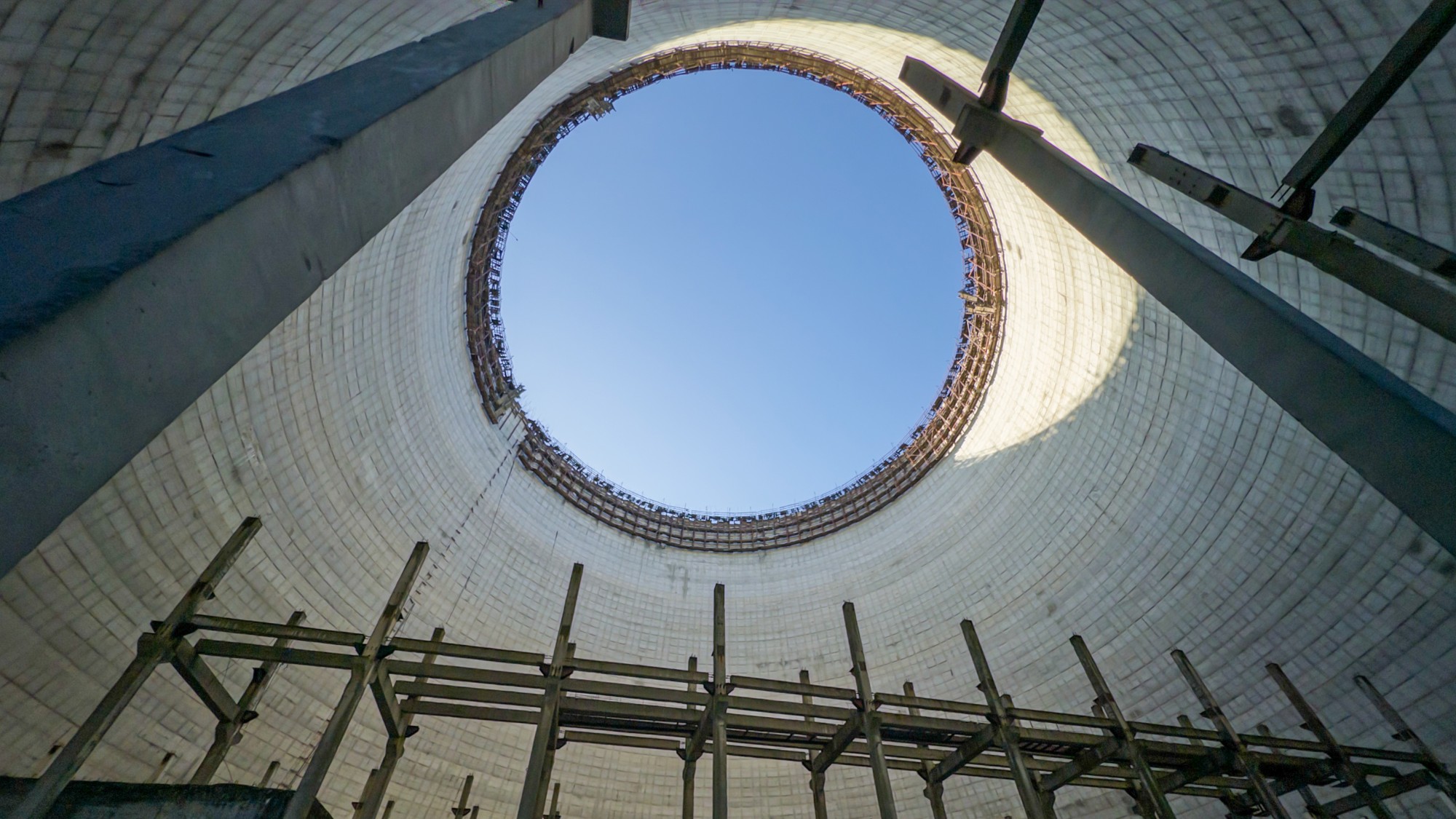
The disaster occurred when technicians at the power station, near Pripyat in the north of Ukraine, then part of the Soviet Union, ran a test on reactor number four to simulate shutting it down during an electricity blackout. A combination of reactor design flaws and technician errors meant that it overheated, leading to a power surge, triggering an explosion. The reactor’s 192 tonnes of uranium fuel partially melted, destroying the reactor core. Graphite blocks inside caught fire, and the resulting explosion blew the reactor’s 1,000-tonne concrete and steel lid into the air, then destroyed much of the turbine hall. Radioactive material spewed into the environment: iodine, strontium, caesium and some plutonium. At least 5% of the reactor’s radioactive fuel is estimated to have been carried into the air over Ukraine, Belarus and Russia – and the rest of Europe. The World Nuclear Association says the disaster was caused by a “flawed” reactor design and lax safety – both consequences of “Cold War isolation”.
How did the authorities respond?
About 1,000 emergency workers and power station staff, largely untrained and poorly protected, were brought in during the first days of the accident to put out the fire. Soviet officials initially remained in denial; unable to comprehend the gravity of the situation and desperate to contain the bad publicity. But in early May, with the reactor fire still burning, and high radiation levels detected across Europe, the authorities moved to drastic action. A 30km exclusion zone was imposed. Bags of sand were dropped onto the reactor from the open doors of helicopters (analysts now think this did more harm than good). When the fire finally stopped, men climbed onto the roof to clear radioactive debris. Many suffered from acute radiation sickness as a result. In total, at least 600,000 clear-up personnel (“liquidators”) from all over the Soviet Union were involved in the operation. During 1986, a huge concrete “sarcophagus” structure was built to confine the radioactive materials at the explosion site. This was largely successful; estimates suggest that at least 80% of the original radioactive material remains inside the reactor. (In 2017 a new structure was completed at a cost of £1.3 billion.)
What were the immediate effects?
The official death toll is just 31; two workers at the plant were killed that day. But in 2005, a UN report suggested a total of 4,000 people would eventually die because of radiation exposure. According to UN reports, 134 people, mostly plant workers and emergency workers, received a confirmed diagnosis of acute radiation sickness (ARS). Radiation destroys cell walls and other key molecular structures within the body. Symptoms can begin within one or two hours and may last for several months; they include vomiting, diarrhoea, headache, fever, dizziness, hair loss, and blood in vomit and stools. The human cost of the disaster was documented by Svetlana Alexievich, a Belarusian journalist, who interviewed some 500 eyewitnesses for her 1997 book “Chernobyl Prayer”. One of the most harrowing stories concerns a woman who stayed at the bedside of her dying husband, a firefighter. She described watching his body decay, his skin crack, boils develop. When she touched him – against doctors’ orders – his skin came away in her hands.
And the wider effects?
Chernobyl is one of only two nuclear accidents rated at the maximum severity on the International Nuclear Event Scale, the other being the 2011 Fukushima accident in Japan. The longer-term effects have been mind-boggling in scale. Some 350,000 people had to be evacuated; about 500 hectares of forest turned red and died; roughly 15 million hectares of land were contaminated. Over 20% of Belarus’ land was affected. Radioactive clouds spread, causing panic as far away as Germany and Britain; millions of litres of milk were dumped; livestock was destroyed or banned from sale. Around 5,000 thyroid cancers have been linked to iodine contamination of milk supplies by the accident, 15 of them fatal. Chernobyl is often described as the most expensive disaster in history, with an estimated cost of $180 billion for Ukraine alone. By 2003, about 3.3 million Ukrainians were receiving benefits as Chernobyl “victims”.
What is in Chernobyl now?
The Chernobyl exclusion zone encompasses the 2,600 sq km area within the 30km radius. It is under military control, and public access is restricted to prevent contamination. Today, the zone is one of the most radioactively contaminated areas on Earth; the reactor is still smouldering. It draws significant scientific interest for the high levels of radiation exposure in the environment – and, until the war, was popular with disaster tourists. Due to the lack of human activity, it has become a thriving nature sanctuary, with some of the highest biodiversity and thickest forests in all Ukraine. European bison, golden eagles, lynx and elk inhabit the area.
How did the disaster affect nuclear policy?
It kickstarted a global push for stricter nuclear regulation. Governments were nervous because similar reactors were in use around the world. The International Atomic Energy Agency, a UN-affiliated agency, was tasked with improving international safety standards for reactor designs, and with coordinating long-term radiation monitoring. The agency does not have the power to enforce these rules, but the disaster motivated many countries to comply with regulations. Politically, the effects were also very significant. Chernobyl destroyed public trust and exposed systemic failures within the USSR, particularly in Ukraine. Mikhail Gorbachev maintained the accident was a more important factor in the fall of the Soviet Union than his programmes of liberal reform. Oddly enough, at least one of Chernobyl’s other reactors remained in use until 2000.
Wartime in Chernobyl
The Chernobyl exclusion zone was captured by Russian forces on 24 February 2022, the first day of the Ukraine war; they withdrew a month later when Russia abandoned the Kyiv offensive. They dug trenches and bunkers in some heavily contaminated areas, against the advice of local technicians, including in the Red Forest; some were reportedly treated for radiation sickness. Since then, Ukraine has controlled the exclusion zone. In February last year, the structure protecting the reactor was hit by a Russian drone. Last December, the IAEA found that the protective structure built over the reactor to contain the worst of the radiation had been damaged to such a degree it had lost its “primary safety functions”, and could no longer prevent radiation leakage, although the older concrete structure inside was still effectively containing radioactive dust. Dust poses the greatest threat to the surrounding area, because it can be carried vast distances by wind. In January 2026, the plant experienced a complete loss of on-site power due to Russian drone and missile bombardment. Last month, G7 nations considered funding repairs to the protective shelter, with costs estimated at more than $575 million.