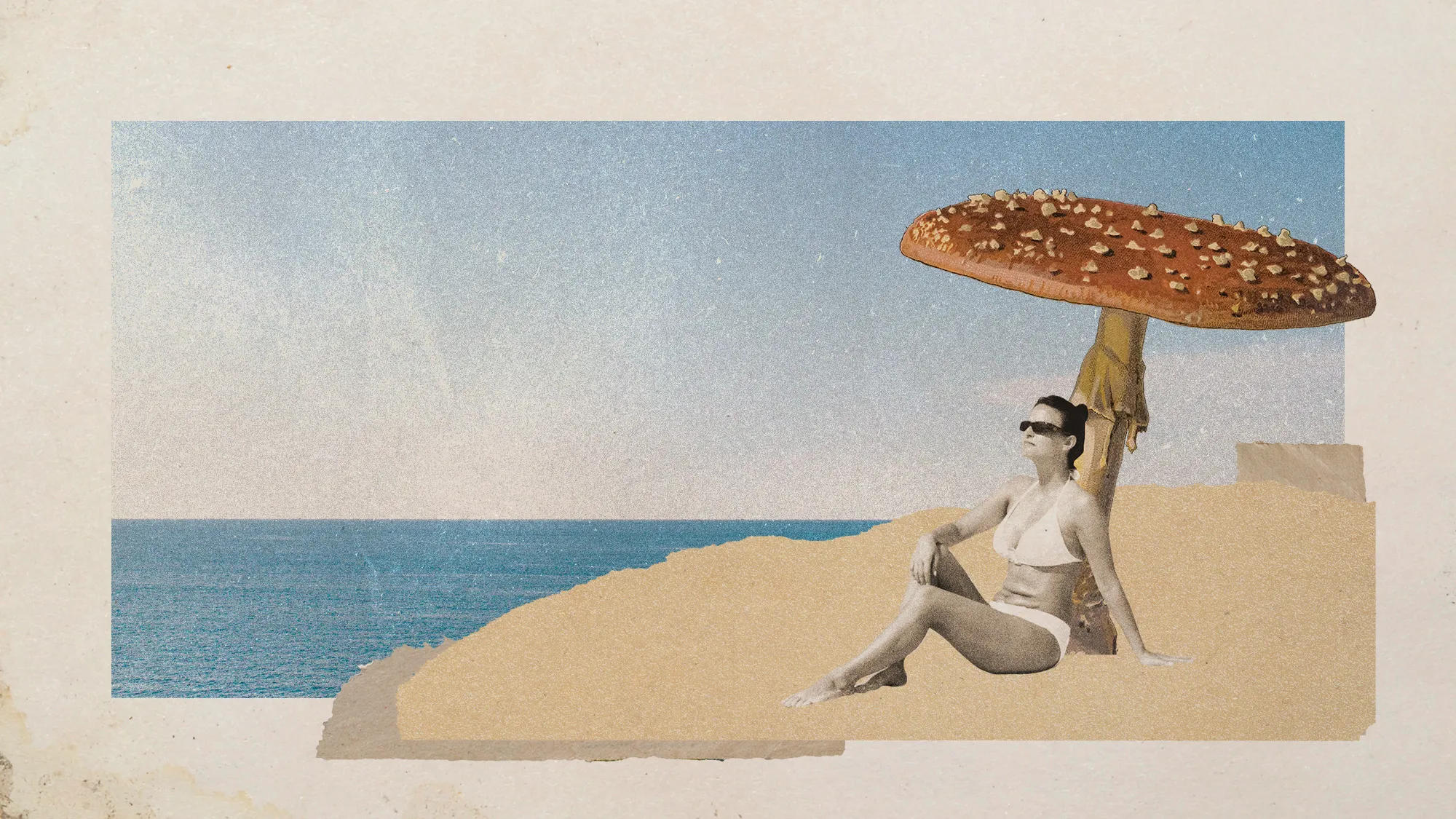
Mounting interest in the potential benefits of psychedelic drugs has led to a rise in “drug-assisted experiences,” said The Associated Press. Many such retreats operate overseas in countries like Jamaica and Peru, or in U.S. states like Oregon and Colorado. These multiday trips claim to offer “psychological healing” and “personal growth.” But safety concerns are cropping up.
While many psychedelics retreats have safety protocols in place, they still carry the risk of “physical, psychological and interpersonal harms,” researchers said in a paper published in JAMA Network Open. The study, which surveyed dozens of retreats, documented a wide range of concerning practices, including companies “offering multiple psychedelic drugs over the course of their retreats,” said the AP. Many have health professionals on-site, but their “responsibilities are often vague” — and in some cases, they “take psychedelics alongside participants,” impairing their “ability to respond in an emergency.”
Nearly all of the drugs typically offered are “illegal under U.S. federal law,” including “magic mushrooms, ayahuasca, MDMA and LSD,” said the AP. But retreat companies don’t always “make that explicit.”
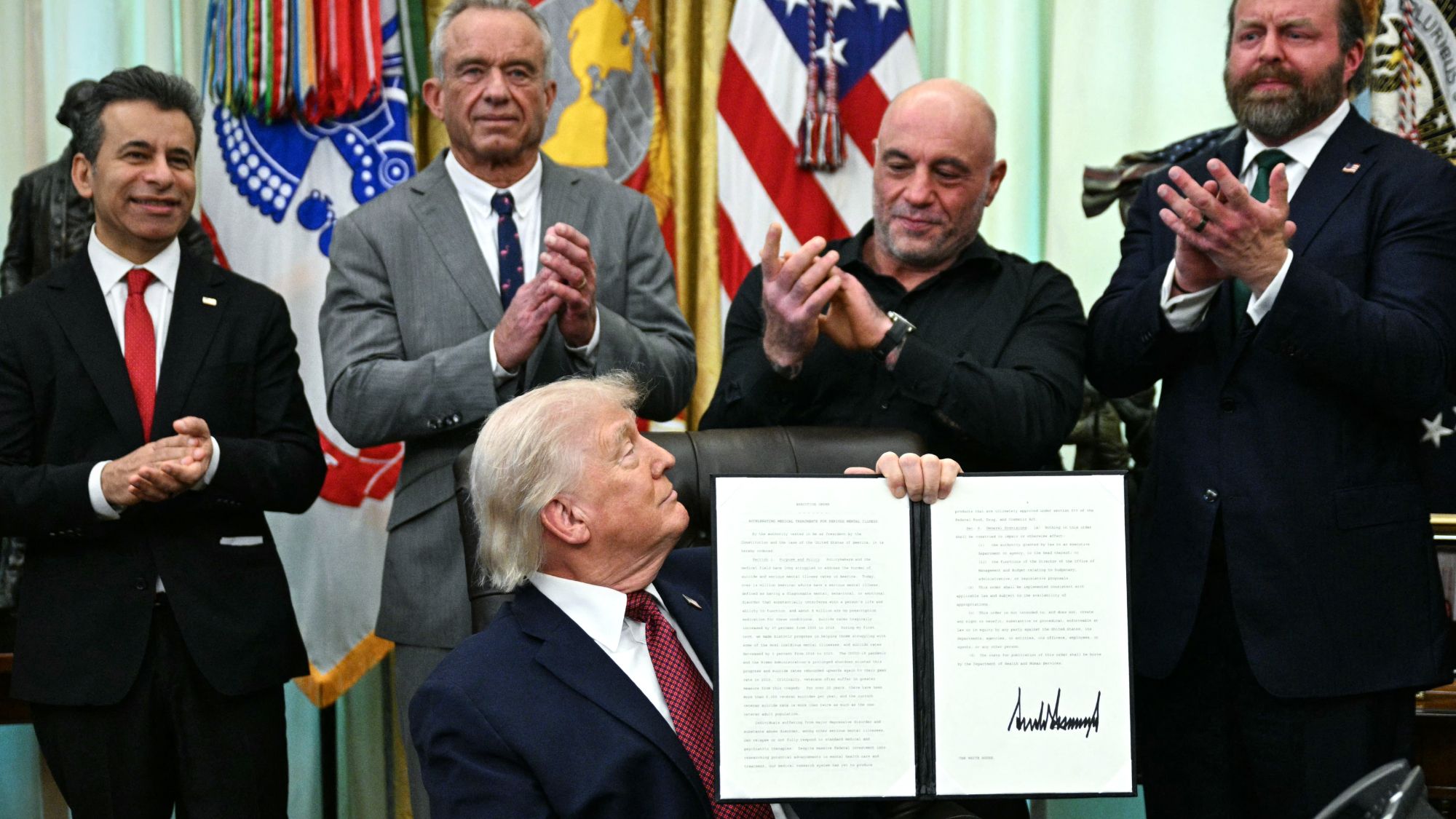
And the federal ban on psychedelics may soon change. President Donald Trump last week signed an executive order directing the Food and Drug Administration to “accelerate innovative research” into “psychedelic drugs that could save lives and reverse the crisis of serious mental illness” like post-traumatic stress disorder.
The “hard line between clinical intervention” and using drugs for spiritual or recreational purposes has blurred, said Hadas Alterman, a psychedelic medicine attorney, to Fox News. Psychedelics now “serve people who aren’t in crisis but aren’t merely thrill-seeking either.” |