The Week US The Week US
flag of US
US
flag of UK
UK
https://cdn.mos.cms.futurecdn.net/flexiimages/jacafc5zvs1692883516.jpg

SUBSCRIBE & SAVE

Less than $3 per week

Sign in
  • View Profile
  • Sign out
  • The Explainer
  • The Week Recommends
  • Newsletters
  • Cartoons
  • From the Magazine
  • The Week Junior
  • More
    • Politics
    • World News
    • Business
    • Health
    • Science
    • Food & Drink
    • Travel
    • Culture
    • History
    • Personal Finance
    • Puzzles
    • Photos
    • The Blend
    • All Categories
  • Newsletter sign up Newsletter
  • Saturday Wrap, from The Week
    Rejoining the EU, social care plans, and voting reform

     
    controversy of the week

    Bregrets, we’ve had a few

    “Finally,” said The Observer, “a prime minister has been honest about Brexit.” For years, the subject has been “an elephant in Downing Street”: Keir Starmer knew that our departure from the EU had been a monumental “failure”, but was too scared to say so publicly for fear of upsetting the Leave-voting Red Wall. 

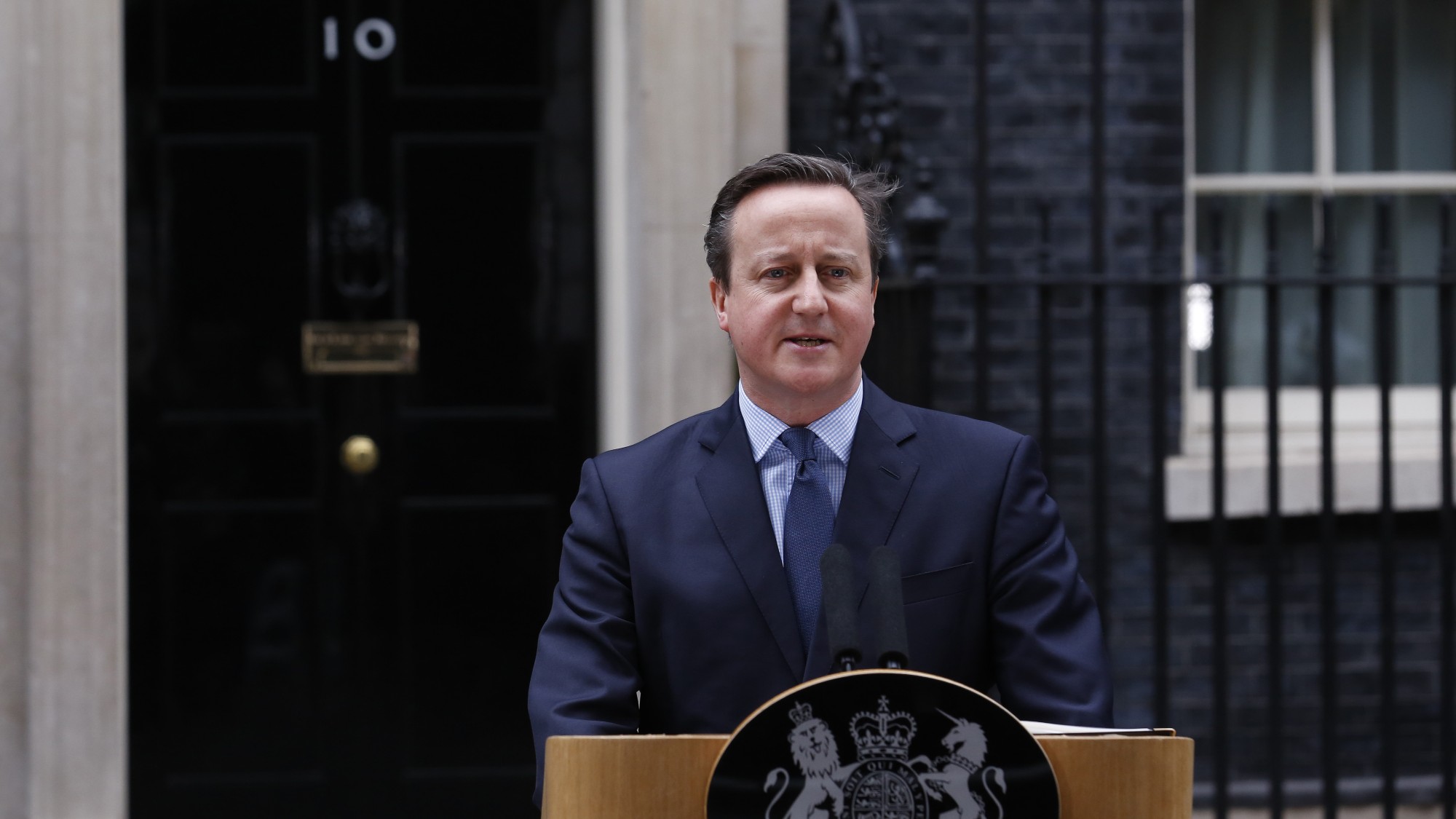
    But now we have a leader with the guts to tell the truth: “Brexit,” Andy Burnham told the Labour conference last week, “has done more harm than good.” The PM has pledged to lay out a number of options for Britain’s long-term relationship with the EU – including, he said, one for going “all the way”, and rejoining the bloc. 

    It’s easy to see why Burnham broke the Brexit “taboo”, said Benjamin Martill on The Conversation. Leaving the EU has knocked an estimated 6% of GDP off of our “languishing” economy. The much-hyped “Brexit benefits” have been “hard to find”. Public opinion has clearly shifted, said Rachel Sylvester in The Observer. Polls suggest 59% of Britons now support rejoining the EU. Even the PM’s constituency of Makerfield, which voted Leave in 2016, has “flipped”, according to a private poll shown to Burnham during the by-election. 

    A certain amount of “Bregret” is understandable, said Wolfgang Munchau on UnHerd. But the question isn’t whether we should have left or not; it’s whether it makes sense to rejoin the EU “right now”, given the “state” it is in. The bloc is teetering on the edge of another sovereign debt crisis. It has lost the AI race to the US and China. And if the polls are right, France and the wider eurozone may soon be under the leadership of the far-right: “Does Britain really want to be in the same club as President Marine Le Pen?” 

    That’s before we even count the costs of rejoining, said the Daily Mail. “Does the PM really believe the Eurocrats would let Britain back into the club without a punishment beating for having the temerity to stand up to them?” We’d be forced to scrap sterling and adopt the euro, and to accept uncontrolled immigration again. As to the supremacy of Euro-judges and the hefty contributions to the budget – “we should expect no exemptions”, said Daniel Hannan in The Sunday Telegraph. Once talks began and this became clear to public, “the polls would turn drastically”. 

    Let’s be clear: Brexit has been “a catastrophe” for the UK, said Ian Birrell in The i Paper. It has corroded our democracy, shrunk our economy, engulfed firms in red tape and harmed key sectors from food exporters to music. Yet rejoining would be a mistake. It would mean even more upheaval for businesses. More to the point, just imagine another ten years of polarisation and torturous debate on this subject, “exploited again by self-serving populists, stirred by zealots on social media and stoked by the cyber factories of our despotic foes”. Yes, our relationship with the EU remains unsettled business. But sadly, rejoining isn’t the way “to end this long-running fiasco”.


    Briefing of the week

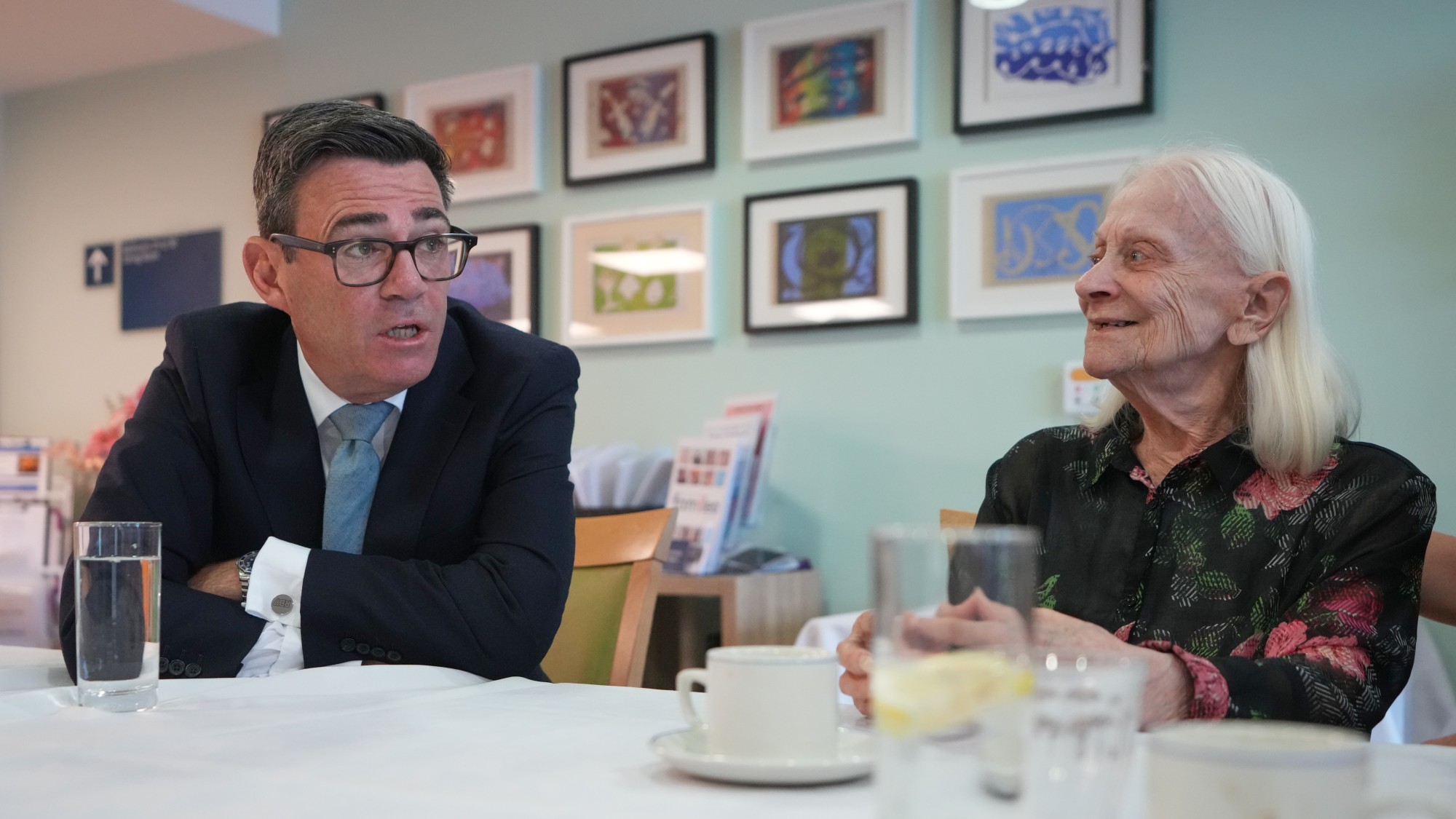
    Burnham’s plan to fix social care

    Adult social care is regarded as the most significant unresolved policy issue in Britain. The PM has promised to ‘rip off the plaster’ 

    What’s the problem with social care? 
    The social care system is fragmented, severely underfunded, and creates stark disparities – particularly in England. Adult social care covers a large range of services given to the frail and disabled, with the two main categories being long-term support for working-age adults with disabilities, and care for older people, which cost roughly similar amounts. 

    In England in 2024/25, total spending in the area rose to £34.5 billion, a 4% real-terms increase on the year before. Growing costs are driven in part by a fast-ageing society. In 1972 there were around 7.5 million people aged 65 or over in the UK, about 13% of the population. In 2022, there were around 12.7 million (or 19%). Publicly funded social care is provided by local authorities, and mainly outsourced to private providers. 

    Growing expenditure puts local authorities under severe strain; adult social care now accounts for around 20% of English local authorities’ total spending. In addition, the system is seen as unfair and dysfunctional, placing a heavy burden on the NHS and on carers, paid and unpaid. 

    Why is the system thought to be unfair? 
    While “healthcare needs” – cancer, say – are theoretically met in full by the NHS, those with “social care needs” – trouble with eating, washing, mobility etc. – who have even fairly modest means have to pay for care themselves (although the dividing line between the two categories is often unclear). With health, the costs are shared across society; with care, the unlucky ones can face catastrophically large bills. The Department of Health and Social Care estimates that around a third of all over-65s in England need social care of some kind, and that about one in seven individuals over the age of 65 will face lifetime care costs exceeding £100,000. 

    How exactly does the system work? 
    First, the local council will conduct a needs assessment. Then there is a means test. In England and Northern Ireland, in most cases only people with assets worth less than £23,250 get any state support (income such as pensions is included in the calculation). Below that, there is a sliding scale: those with £14,250 or less receive full funding. 

    The value of a home is ignored for at-home care but usually included if the person has to move into residential care, unless a spouse continues living there. Care at home costs perhaps £20-£35 per hour, though the fees can be much higher. Residential care, for self-funders, costs on average £1,460 per week for the basics, according to healthcare data provider LaingBuisson. 

    In many parts of the country it is higher than that. In Wales, weekly care payments are capped, and the residential care thresholds are higher. In Scotland the system is more generous still: personal care at home is free for those who need it. Residential care is means-tested, though both the upper threshold (£36,750) and lower one (£22,750) are higher, and care costs, as opposed to accommodation and food costs, are met by the local authority.

    What is Andy Burnham’s plan? 
    The PM said in his conference speech last week that Labour would create a “National Care Service” for England, along NHS lines: free at the point of use, funded from general taxation, “where everyone contributes and everyone is covered”. The service will not be created until the next parliament, and the full plan won’t even be unveiled until Louise Casey has published her report next year, but we know it will follow the Scottish approach: offering free personal care at home, with those in residential care paying for “bed and board” costs only. Though much more generous – and more expensive – than the English system, this could still leave people very exposed to high costs. Average costs for bed and board alone often reach £1,300 a week. 

    How could such people be protected? 
    That would require either a full, wall-to-wall National Care Service, with residential care free at the point of use and funded by tax (which Burnham has not proposed); or a payment cap. This is a financial limit on how much an individual has to pay for their own personal care over their lifetime. The Dilnot Commission in 2011 suggested that no one should have to contribute more than £35,000 (over £50,000 in today’s money) towards care over their lifetime, nor more than £10,000 per year for bed and board. 

    How much would all this cost? 
    It’s hard to say. In 2023, the Health Foundation estimated that a comprehensive NHS-style system for England would cost an extra £18.5 billion per year; while a Scotland-style system would cost £7.5 billion; and a cap on care costs, £4 billion. Burnham announced that the pension triple lock would be replaced after the next election. 

    But the authoritative Institute for Fiscal Studies has warned that this would not meet the costs of social care. Labour argues that there would be some savings from a decent care system: it would take pressure off the NHS, freeing up perhaps £2 billion a year in the long term, according to the King’s Fund think-tank. But it added that such figures should be treated with caution. 

    Why hasn’t it been fixed before? 
    Many governments have tried: there have been three major commissions and dozens of official inquiries since 1997. But politically, it is very difficult, partly because the costs of the current system only fall on a small number of people, so it is not widely regarded as an important issue, while the solutions are unpopular. In 2010, Burnham, then the health secretary, outlined plans for a National Care Service funded from a £20,000 levy on estates at death. This was branded a “death tax”, and Labour lost the election.

    At the 2017 election, Theresa May’s Conservative manifesto proposed raising the means-testing threshold from £23,250 to £100,000, but recovering more costs from estates. This “dementia tax”, as it was dubbed, contributed to May’s disastrous campaign. Burnham aims to get “cross-party consensus”.

    How other nations pay for care 
    At present, England’s system is “one of the most threadbare in the developed world”, according to Thea Stein of the Nuffield Trust, which has analysed the arrangements of 11 comparable nations and regions. England is an “outlier” in that eligibility for any public funding at all is strictly means-tested. 

    The most generous system is in Denmark, where the state pays 100% of care costs, with no means test. Those in residential care do get billed for bed and board, but means-tested housing benefit is available. Australia has a similar system, also funded by general taxation. In most cases, bed and board have to be paid for, but there are a series of daily spending caps on different elements, such as food and hotel costs. 

    Japan, with the oldest population in the world, introduced a tax on all over-40s in 2000, ring-fenced for care. Everyone who needs it is given a monthly care allowance. They contribute 10%-30% of costs, depending on income; total contributions are capped. A similar insurance system operates in Germany, but with no cap. Individuals usually pay half of costs. Unusually, adult children can (in rare cases) be liable to pay for parents’ care if the parents run out of money.



    Spirit of the Age

    An essay entitled “AI and the crisis of the author” was removed from the website of the TLS last month, after it emerged that its author had used AI to prepare it. According to a note on the site, the author said he was not aware that the TLS has a policy against the use of AI.


    VIEWPOINT

    ‘Attention infidelity’

    “Are you committing ‘attention infidelity’? This new phrase means failing to focus fully on your partner because you’re indulging in what The New York Times calls ‘the banal distraction of dead-eyed scrolling’. Interesting how we seem to need a lexicon of relationship bad behaviour. Some people ‘micro-cheat’; others ‘quiet quit’ relationships; others still fail to share the ‘mental load’. I’ve thought up some of my own pop psychology phrases. ‘Semi-hostile infantilising’ (telling your partner how to do something with the patience you’d show a two-year-old); and ‘fiscal obfuscation’ (saying something was ‘not very dear’ when, in fact, it was)”. 

    Emma Beddington in The Guardian


    talking point

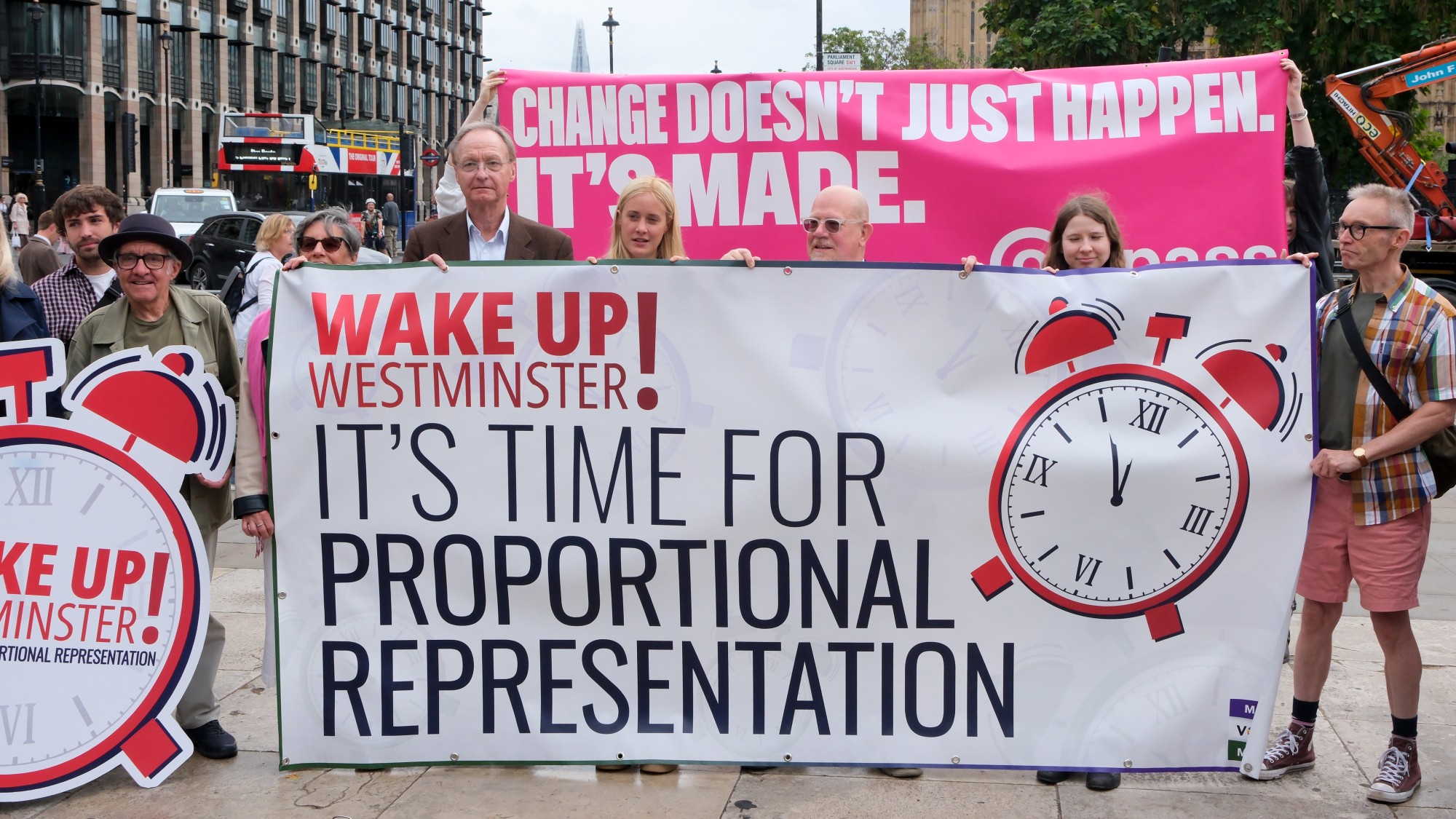
    Electoral reform: is PR a vote-winner?

    What do Britain and Belarus have in common? The answer, said Xavier Greenwood in The Observer, is that they’re the only two European countries that use the first-past-the-post (FPTP) voting system. But for how much longer? 

    In his conference speech last week, Andy Burnham announced that Labour would commit to changing Britain’s electoral system in its next election manifesto “so that everyone’s vote counts”. A national commission will be set up to examine the options. The Prime Minister has previously backed the idea of adopting a form of proportional representation (PR), and the public seems open to such a change. In a recent poll, just 27% of respondents said they preferred the current FPTP system, while 45% favoured PR. 

    Heaven forbid that we switch to the latter system, said Peter Hitchens in The Mail on Sunday. It would effectively mean the abolition of proper elections. Voters would no longer be able to send useless governments packing. Instead, we’d get “months of slippery negotiations between the parties – ending with most of the same people in power as before”. Parliament would become “a conspiracy of the elite against the people”. 

    This is the last reform Britain needs, agreed Janet Daley in The Sunday Telegraph. One of the main drivers of right-wing rage today is the perception that the main parties are all the same, “too centrist, too mushy liberal” to take meaningful action. A PR voting system would only exacerbate that sense of alienation. 

    It’s true that FPTP yields a direct form of accountability – what defenders call “removal van democracy”, said Vernon Bogdanor in The Times. But while it served us well in the days of two-party politics, it’s not suited to today’s five- or six-party era. It creates perverse and haphazard election outcomes. Labour won almost two-thirds of the seats in Parliament in the 2024 election on the strength of just 34% of the vote – the most disproportionate result ever. The Lib Dems’ 12.2% of the vote secured the party 72 MPs; Reform UK’s 14.3%, just five. Burnham is right to call for change. 

    It’s certainly a canny political move, said Andrew Rawnsley in The Observer, as it’s likely to win him some votes from Green and Lib Dem supporters at the next election. We’ll have to wait to see what options the commission comes up with, but aides say Burnham believes it’s “critical” that any new voting system retains the “constituency link”. That would rule out the pure form of PR used in countries such as Israel and the Netherlands. Whatever is proposed, we can expect plenty of fierce arguments over the details, and over whether such a change could be introduced without a referendum. “Buckle up.” 


    It wasn’t all bad

    A 54-year-old former Royal Marine from Dorset has completed a world record solo row across two oceans – without setting foot on land between them. David Bell’s 17,500-mile journey began in Peru; he then crossed both the Pacific and Indian Oceans, and reached the coast of Kenya, near Mombasa, 327 days later. That made it the longest solo, nonstop unsupported row on record, by some margin: the previous record was 7,500 miles. In the process, Bell was tailed by sharks and braved storms – and also raised more than £110,000 for the veterans’ charity Rock2Recovery.


    People

    Anneka Rice

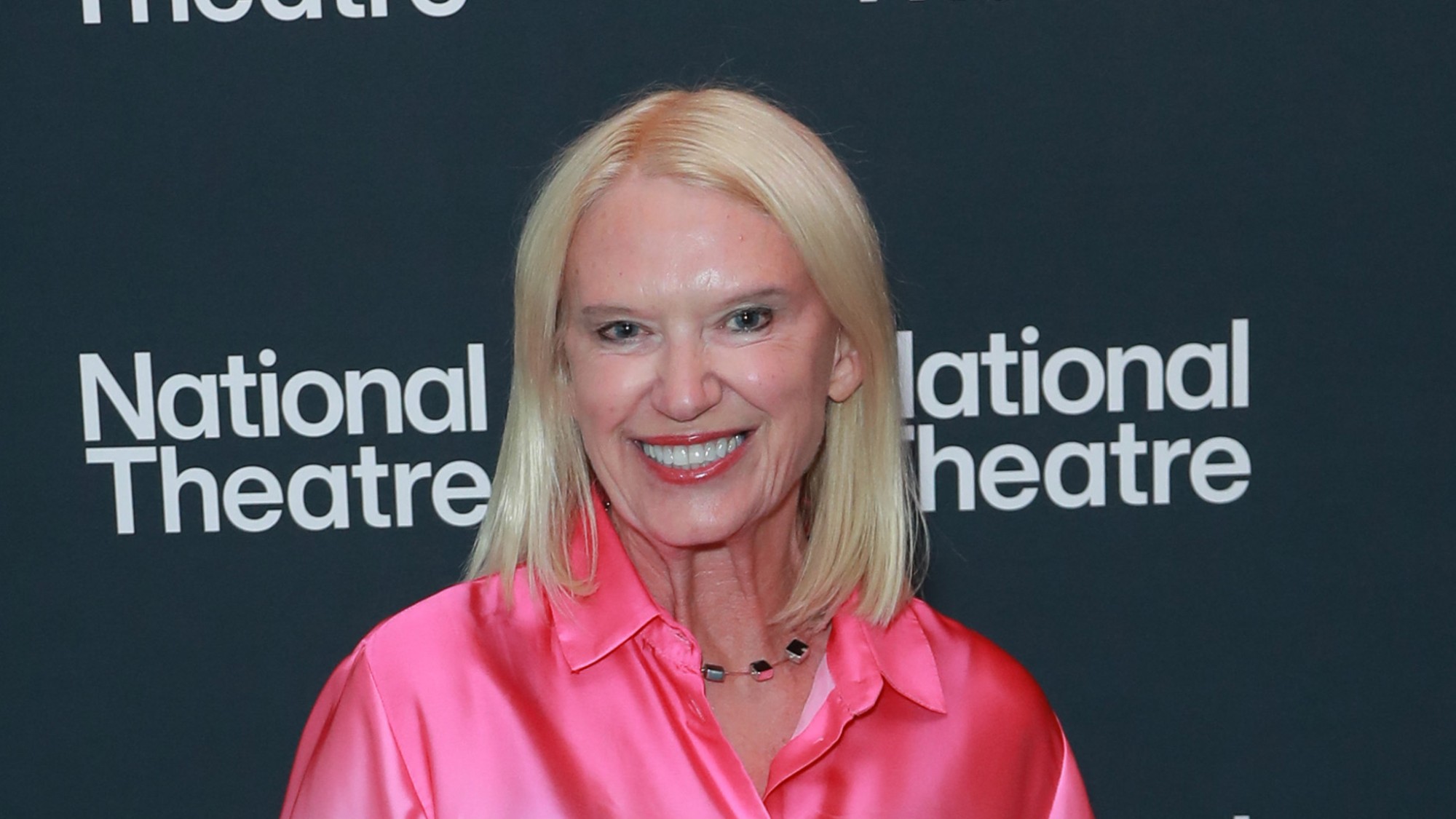
    Having joined the BBC as a trainee in 1976, aged 17, Anneka Rice shot to fame hurling herself out of helicopters for Treasure Hunt in the 1980s, and doing good deeds in jumpsuits for “Challenge Anneka” in the early 1990s. But that person, she says, is not the real her. 

    “Nothing about me is Anneka Rice apart from the work,” she told Louise Carpenter in The Times. “She’s a better version of myself,” she says of her public persona, “a whirlwind of community action who will leave no stone unturned — not the ‘Annie Rice’ who likes to go to bed at 8.30pm and is riddled with self-doubt.” She carries, she says, an “inherent” sadness that she traces to her childhood. In the past, she has explained that her mother was distant and unhappy – and “her unhappiness seeped into me”. Even now, after a stellar career, she is insecure, melancholy. “I’ve just always known that other people seem to skip through life in a merry old way and I seem always to be taking an old suitcase around with me.” 

    She feels better, though, when she is “moving forwards”; which is partly why she has written a memoir. She feels it’s self-indulgent, but decided it would be OK if all the proceeds went to charity – Alzheimer’s Research UK. People might buy it, she says, in order to make a donation; and “if they don’t read it, fair enough. It can be a draught excluder or kindling. There are many uses for a book.”


    Image credits, from top: Luke MacGregor / Bloomberg / Getty Images; Kirsty Wigglesworth / WPA Pool / Getty Images; Matthew Chattle / Future Publishing / Getty Images; Grant Buchanan / Dave Benett / Getty Images
     

    Recent editions

    • Morning Report

      Hegseth trumpets livestreamed execution

    • Evening Review

      Rethinking the death penalty

    • Morning Report

      Christa Pike awake, confused, in legal tempest

    VIEW ALL
    TheWeek
    • About Us
    • Contact Future's experts
    • Terms and Conditions
    • Privacy Policy
    • Cookie Policy
    • Advertise With Us
    • FAQ
    Add as a preferred source on Google Add as a preferred source on Google

    The Week US is part of Future US Inc, an international media group and leading digital publisher. Visit our corporate site.

    © Future US, Inc. Full 7th Floor, 130 West 42nd Street, New York, NY 10036.