Chronicler of British life
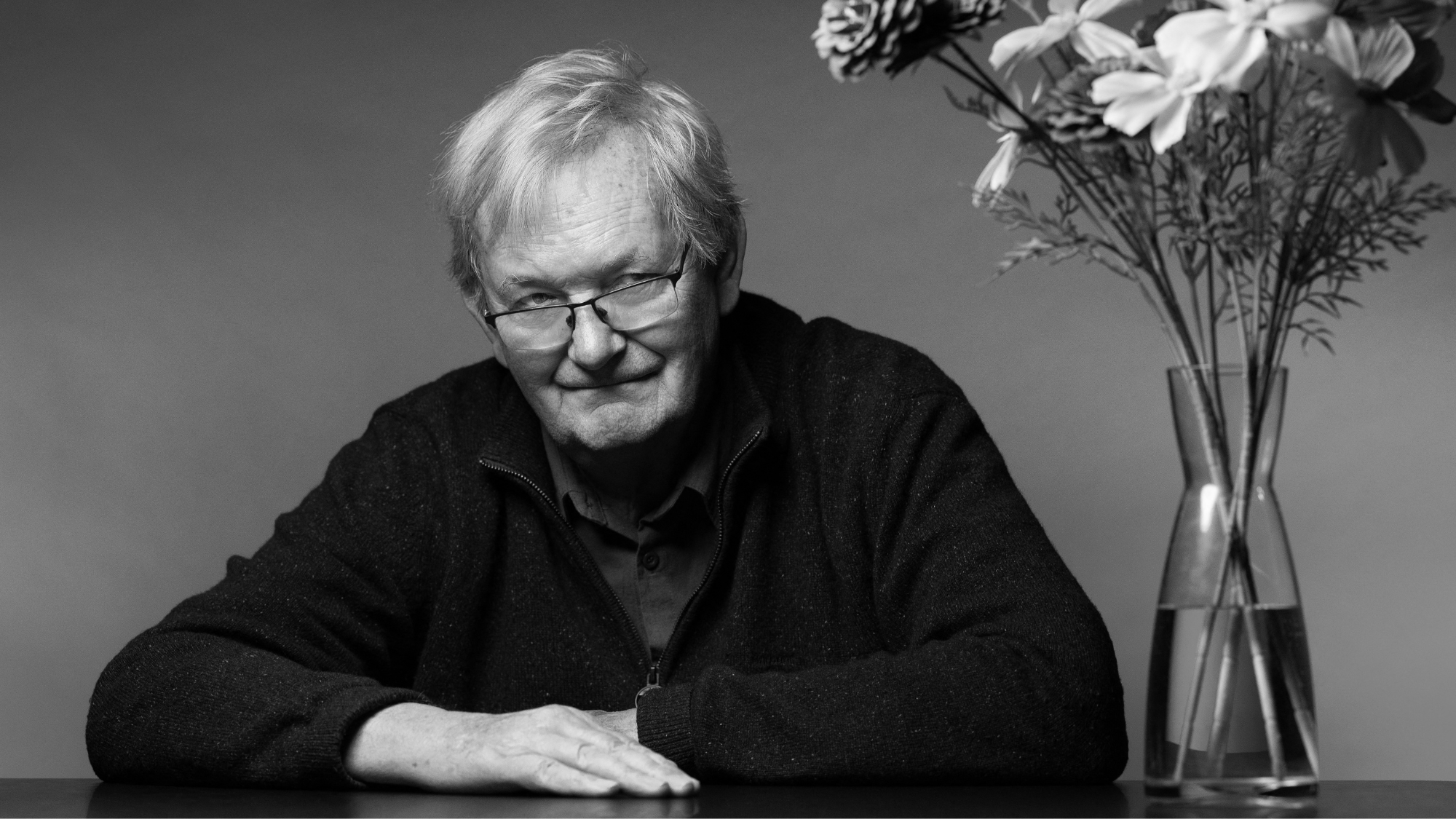
In 1986, the photographer Martin Parr published “The Last Resort”, “a book that would define him in the public mind for the rest of his career”, said Charles Darwent in The Guardian. Parr, who has died of cancer aged 73, was then living in Wallasey, Merseyside. His photos of the run-down nearby resort of New Brighton “showed Northerners at play: men in cloth caps eating chips with their fingers; women sitting on buckets; children eyeing virulent ice creams; rubbish blowing under leaden skies”. Exhibited first in Liverpool, these pictures had a positive reception. But when the show moved to the Serpentine in London, they prompted a wave of critical disapproval. Parr, who was middle class and Southern, was attacked for his pitiless scrutiny of the Northern poor, for patronising and exploiting them. In Parr’s eyes, this was unfair: his photographs were not patronising but “lyrical”.
Parr was born in Epsom, Surrey, and went to Surbiton Grammar School. “The advantage of coming from Surrey is that everywhere else looks more interesting,” he would say. His parents were bird-watching Methodists. His grandfather encouraged his interest in photography, which he studied at Manchester Polytechnic. At the time, serious photographs were in black and white. Parr’s own career, after working as a photographer at Butlin’s, began with “a body of work in black and white chronicling the disappearing customs in the north of England”, said The Telegraph. But for “The Last Resort” he moved to bright, saturated colour – his favoured palette thereafter. His next series poked fun at another extreme of “Thatcher’s Britain”, a “loadsamoney world of Conservative fêtes, horse trials, big hats, starched shirts and floral prints”. In time, he would be admired as “a playful satirist, skewering the nation’s eccentricities”. Parr recorded “mundane absurdities” and details that are “eloquent about status and taste: chintzy lavatory-roll covers, dark brown tea in china cups, and greasy fry-ups”.
Later, he turned his attention to “Small World”, a series of colour images taken between 1987 and 1994, which “depicted the spread of mass tourism around the globe”, said The Times. But it was ParrWorld, as he called it, for which he would always be best known: quotidian British life, with all its strangeness, which is all around us if we only open our eyes to it. “There’s something very interesting about boring,” Parr once said. |