The Week The Week
flag of US
US
flag of UK
UK
https://cdn.mos.cms.futurecdn.net/flexiimages/jacafc5zvs1692883516.jpg

SUBSCRIBE & SAVE

Less than $3 per week

Sign in
  • View Profile
  • Sign out
  • The Explainer
  • The Week Recommends
  • Newsletters
  • Cartoons
  • From the Magazine
  • The Week Junior
  • Student Offers
  • More
    • Politics
    • World News
    • Business
    • Health
    • Science
    • Food & Drink
    • Travel
    • Culture
    • History
    • Personal Finance
    • Puzzles
    • Photos
    • The Blend
    • All Categories
  • Newsletter sign up Newsletter
  • Sunday Shortlist, from The Week
    A ‘visually lush’ film, and a ‘hypnotic’ musical

     
    FILM REVIEW

    Nouvelle Vague  

    Richard Linklater’s homage to the French New Wave

    Films about films can alienate the “non-cinephile viewer”, said Kevin Maher in The Times. But happily, Richard Linklater’s “visually lush and frankly encyclopaedic account” of the making of Jean-Luc Godard’s “Breathless” (“À bout de souffle”) doesn’t depend on the viewer picking up on every reference: its “fundamental beauty” lies in “the lightness and the love that Linklater brings to the material”.

    Set over the course of the 23-day “Breathless” shoot in the summer of 1959, “Nouvelle Vague” is focused on the “tense” relationship between Godard (Guillaume Marbeck) and his producer Georges de Beauregard. It also examines “the sweetly unfolding relationship between the leads”, Jean Seberg (Zoey Deutch) and Jean-Paul Belmondo (Aubry Dullin). It all builds into “a film of great passion” that is “full of unexpected tenderness” – and which shouldn’t appeal only to aficionados.

    “Linklater certainly recreates the look, feel and sound” of Godard’s masterpiece, said Deborah Ross in The Spectator: as in “Breathless”, the dialogue is almost entirely in French; it is shot in black and white; and many New Wave innovations are on show, such as natural light, handheld cameras and choppy cutting. But while “Nouvelle Vague” is “intelligent and funny” and rather fascinating, it is also “far too celebratory to be revelatory”: Godard remains an enigma, and it fails to examine the old-school misogyny on display in his film and others like it. Still, the impact of the French New Wave is hard to overstate, said Robbie Collin in The Telegraph. And it seemed to me that this homage could have done with more of the movement’s “reactive, incautious, free-range” approach. Instead, “its light touch starts to feel uncomfortably like a lack of substance”.


    THEATRE REVIEW

    American Psycho

    Thrilling musical adaptation of Bret Easton Ellis’ novel

    During Rupert Goold’s “gilded” 13-year tenure at the Almeida Theatre, in north London, it has staged 72 shows, 14 of which have transferred to the West End, and 11 to Broadway. In that time, the powerhouse venue has also bagged 21 Oliviers, said Dominic Cavendish in The Telegraph, for plays including Mike Bartlett’s verse-drama “King Charles III” and James Graham’s “Ink”. It is quite a legacy for Goold – the “most exciting director of his generation” – who is now heading south of the river to take over at the Old Vic.

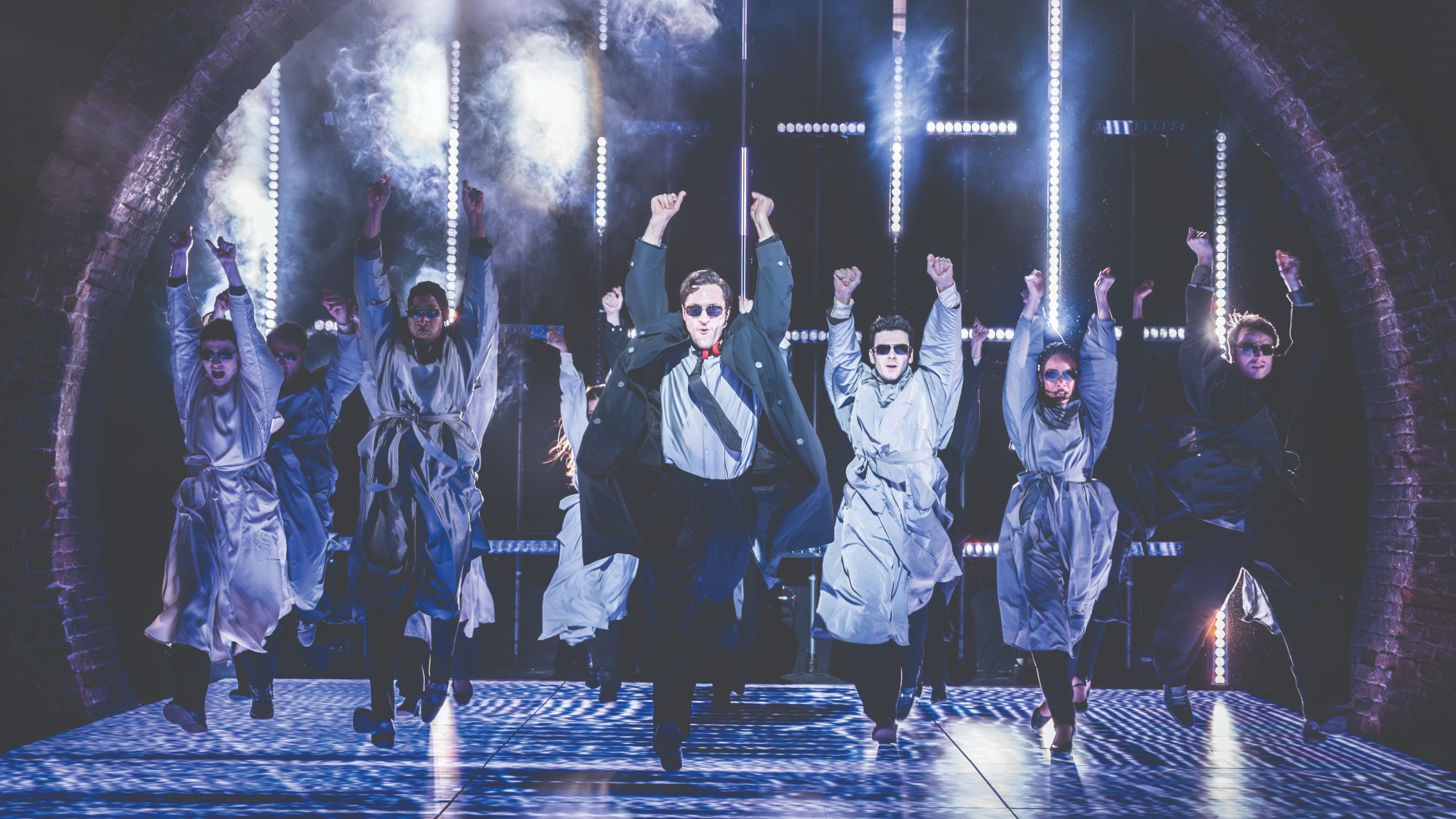
    For his swansong in Islington, said Arifa Akbar in The Guardian, Goold has restaged his debut production: an all-singing, all-dancing musical adaptation of “American Psycho”, Bret Easton Ellis’ 1991 novel about a murderous Wall Street banker. In a typically slick, visually thrilling evening, the dark satire is “amped to 10” as it “sends up” 1980s yuppy culture. But the show “never spirals into kitsch, and our contemporary world of toxic masculinity, Trumpian capitalism and Insta-fuelled solipsism slowly, chillingly, creeps out of it”. Arty Froushan impresses as Patrick Bateman, the preppy boy-next-door who “turns gradually lunatic” (while being a lot less sinister than Christian Bale in the film version). Duncan Sheik’s score consists of “one great electrosynth number after another”, and there’s a “razor-sharp book” by Roberto Aguirre-Sacasa.

    The “catwalk-style stage” works brilliantly, said Alex Wood on WhatsOnStage, especially for “dance-heavy moments”. Combined with imaginative use of video projections and often “garishly overwrought” lighting, like a “nightmarish 1980s music video”, the effect is “hypnotic”.

    For all the “demonic razzle dazzle”, “American Psycho” is a “deadpan show with a downbeat story that sometimes feels in conflict with the maximalist nature of musical theatre”, said Andrzej Lukowski on Time Out. I am not sure it was really worth reviving, said Clive Davis in The Times. Sure, this production is slick and polished, but it hasn’t a lot to say. Watching it is “an oddly bloodless exercise in nostalgia, like being forced to sit through a re-run of ‘9½ Weeks’”.

    Almeida Theatre, London N1. Until 14 March.


    BOOK OF THE WEEK

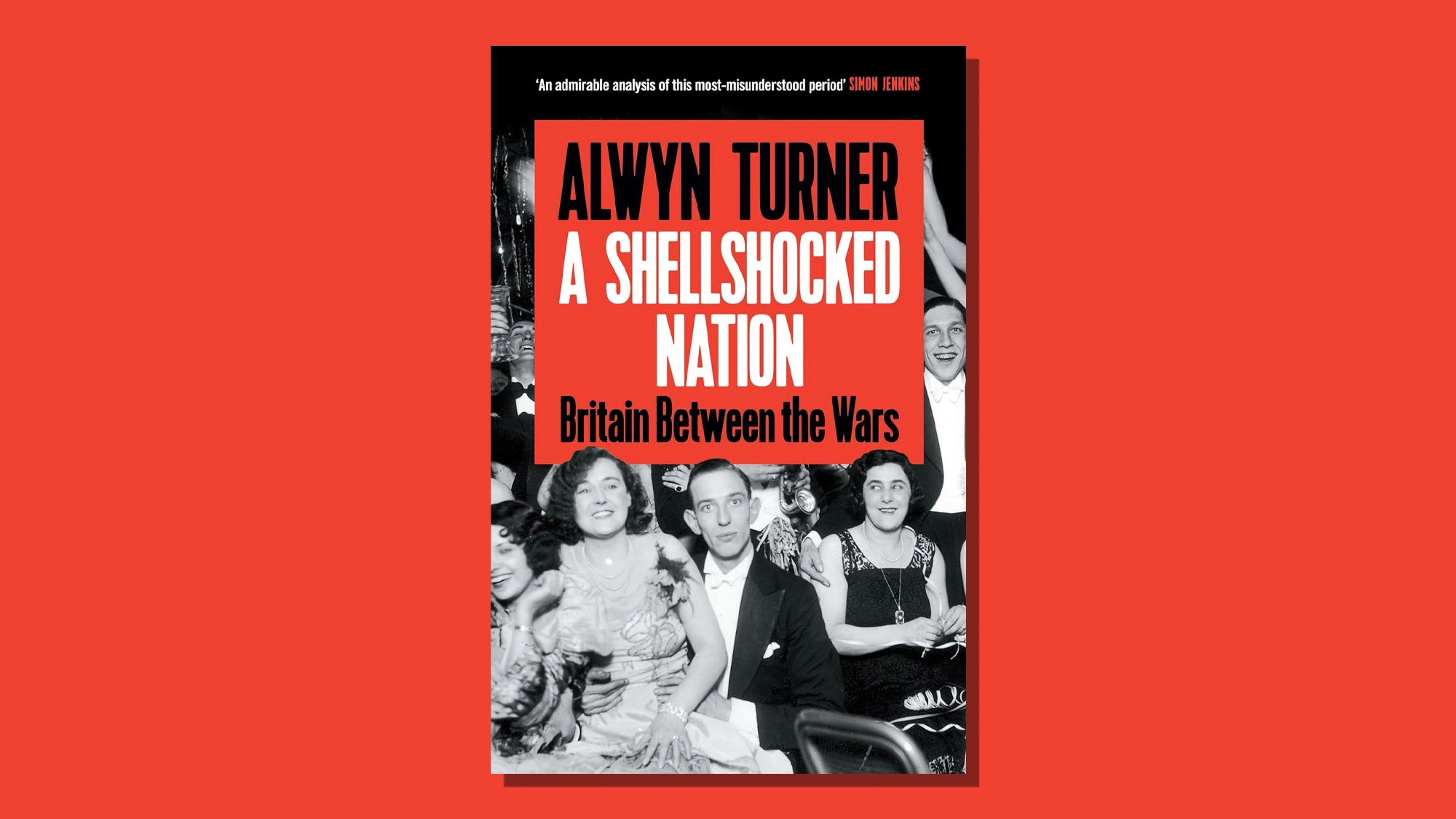
    Shellshocked Nation: Britain Between the Wars 

    by Alwyn Turner  

    Alwyn Turner specialises in “bottom-up history – or, to be more precise, middle-up history”, said Robbie Millen in The Times. In his series of books on 20th-century Britain, his focus has been not so much on high politics as on “the ordinary, suburban and middlebrow”. In the latest, Turner sets out to “take the temperature” of the nation in the 20 years after the First World War. While he doesn’t ignore big events – the General Strike, the abdication crisis, the rise of the blackshirts – what preoccupies him is the “stuff of daily life”: what people were buying, what they were reading, “what entertained them on stage or in the flicks”. And so we learn about the radio-fuelled craze for “outrageous new dances” – the shag, the shimmy, the Suzie Q – and the era’s new consumer goods: “the Aga cooker, the Anglepoise lamp, the Goblin Teasmade”. We learn about the craze for “pot-boiling crime thrillers”, and for the “low-key adventures of Rupert the Bear”. Turner’s account is “witty and wide-ranging” and – refreshingly – he doesn’t scold his subjects for “not passing 21st-century morality tests”.

    We think of the interwar years as a far-off era, “cosier and more patriotic” than our own, said Andrew Marr in The New Statesman. Yet, as Turner shows, there are striking parallels between the two periods. The 1920s was a time of political turmoil, with the two-party system breaking down, as “attention-grabbing challengers” came from Left and Right”, and “constant criticism of the second-rate, wooden-tongued national leaders in No. 10”. The “unruly new media” were lambasted for spreading lies and half-truths, and even today’s trans debate was foreshadowed by the “media outrage over androgynous haircuts and dress codes”. Building his account from newspapers and magazines, Turner has produced a typically “sharp and often surprising read”.

    While the 1920s was a decade of stagnation, as Britain struggled to recover from the First World War, by the early 1930s the economy was “on an upswing”, said Jane Shaw in the Financial Times. Some 2.5 million houses were built during this decade, and there was a motoring boom, fuelled by the arrival of “cheaper cars, like the Austin Seven”. Britain became more “mobile and more connected, and one result was cheap holidays: Billy Butlin opened his first holiday camp in 1936”. I wish I’d had a history teacher like Turner, said Juliet Nicolson in The Spectator. With his “gift for wit and tenderness”, he makes the past feel knowable. “This is history at its most fun, immersive, human and revelatory.”


    OBITUARY

    Mark Tully 

    The BBC journalist known as “the Voice of India”

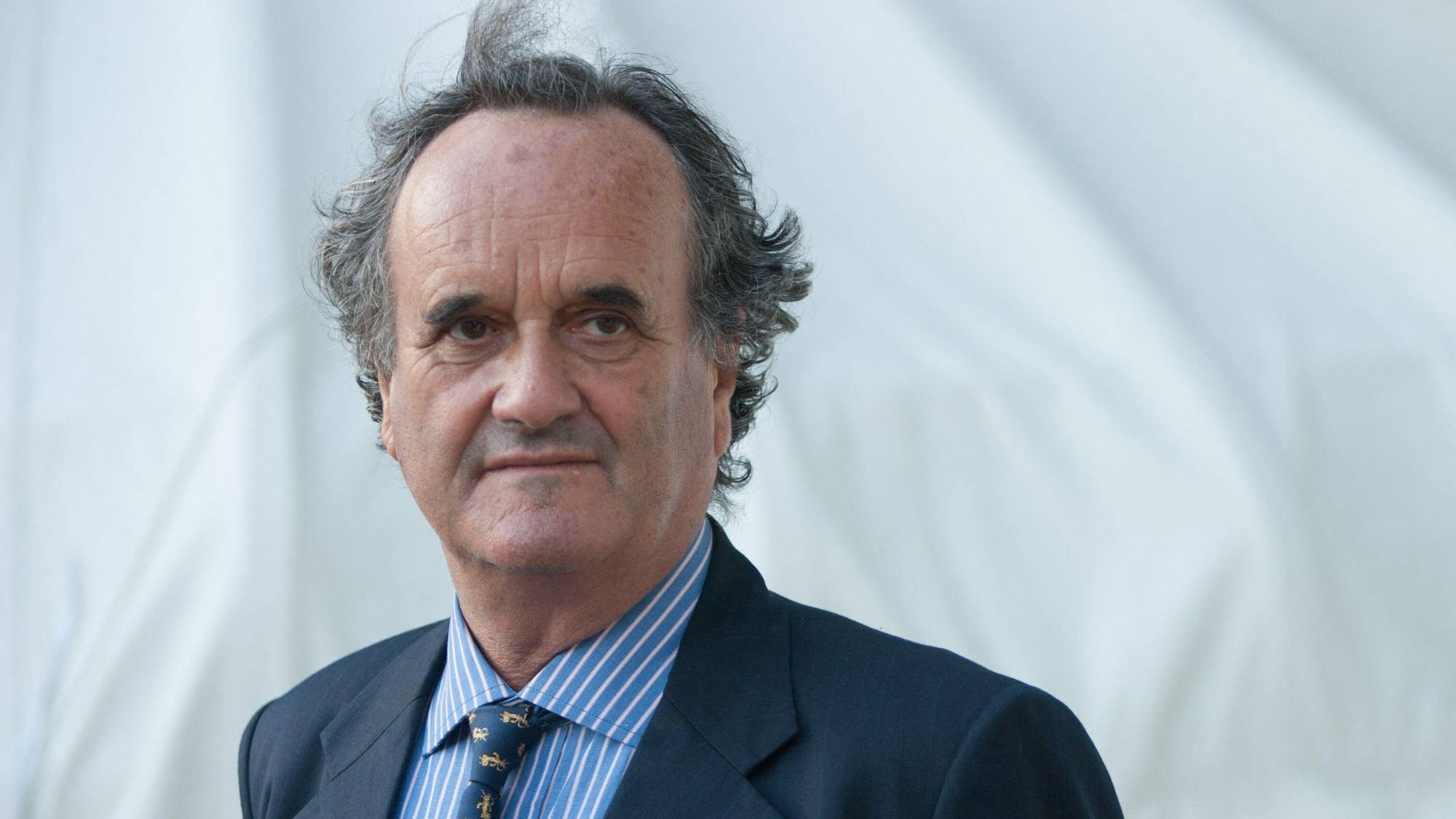
    When Rajiv Gandhi was told – while on a road trip deep into India’s interior – that his mother had been assassinated, he refused to believe it, until he had turned on his radio, and heard the news from Mark Tully of the BBC. Known as “the Voice of India”, Tully, who has died in New Delhi aged 90, was one of the most revered foreign correspondents of his generation, said The Guardian. He spent most of his life in India, and over the decades, won respect all over the country for his sensitive, knowledgeable broadcasts on key moments in the nation’s 20th-century history – including the Bangladesh war of independence in 1971, the siege at the Golden Temple at Amritsar, the disaster at Bhopal and Indira Gandhi’s assassination, all in 1984, and Rajiv’s killing seven years later. There were times when his reporting enraged specific groups, said The Telegraph, and during the Emergency of 1975-1977, Indira Gandhi had him expelled for more than a year; but in 2004, a poll found that 70% of Indians would be happy to have Tully as their prime minister.

    Mark Tully was born in Calcutta in 1935, during the British Raj, where his father had a senior role at an Anglo-Indian company. His early childhood was spent in an exclusive neighbourhood known as Regent Park. The family had numerous Indian servants, but he had no Indian friends. His European nanny was under strict instructions that her charges did not “go native”. Nevertheless, said The Telegraph, Tully saw ordinary Indian life unfold in the streets – and missed it after the family moved back to “dark, drab” England in 1945. He went to Marlborough College, then spent time in the Army before taking up a place at Cambridge, where he studied theology under Robert Runcie. He planned to train for the priesthood. But, he recalled, “the bishop told me I liked wine, women and song too much, and that my face was more appropriate in the pub than in the pulpit”.

    After a few years working for a housing charity, he joined the BBC as an administrator in 1964, and was soon posted to Delhi. “Just after I arrived, sitting on the hotel verandah, I smelt the gardener’s food: it brought memories of my childhood flooding back. I suddenly sensed I had a root.” He started reporting, and in 1972 he was made bureau chief. He had, he said later, drifted into journalism. “It doesn’t obsess me. India is what obsesses me.”

    A tall, rumpled figure, he spoke in a plummy English accent but dressed in a kurta, smoked cheroots and was fluent in Hindi. His reports – rebroadcast in Hindi, Urdu, Tamil, Nepali and Bengali – often reached 50 million people in that pre-internet era, said The Times. He also wrote several books about India. His fans on the subcontinent called him Tully Sahib. “I owe everything to India,” he once said, “and if you asked me if I care more for England or India, I’d say India every time.”

    Tully sensationally left the BBC in 1994, having been enraged by its then-director-general, John Birt, whom he accused of “turning the BBC into a secretive monolith with poor ratings and a demoralised staff”. However, he returned soon after to front “Something Understood”, a long-running Radio 4 series that explored spirituality and philosophy. He had married Margaret Butler in 1960. They had four children and he lived with her on his prolonged visits to London each year. In Delhi, he shared his home with a fellow journalist, Gillian Wright. It was “complicated”, he said. “I am able to have a meaningful relationship with two women, but both women suffer.” He was knighted in 2002. He also received the Padma Shri (1992) and the Padma Bhushan (2005) from the government of India.

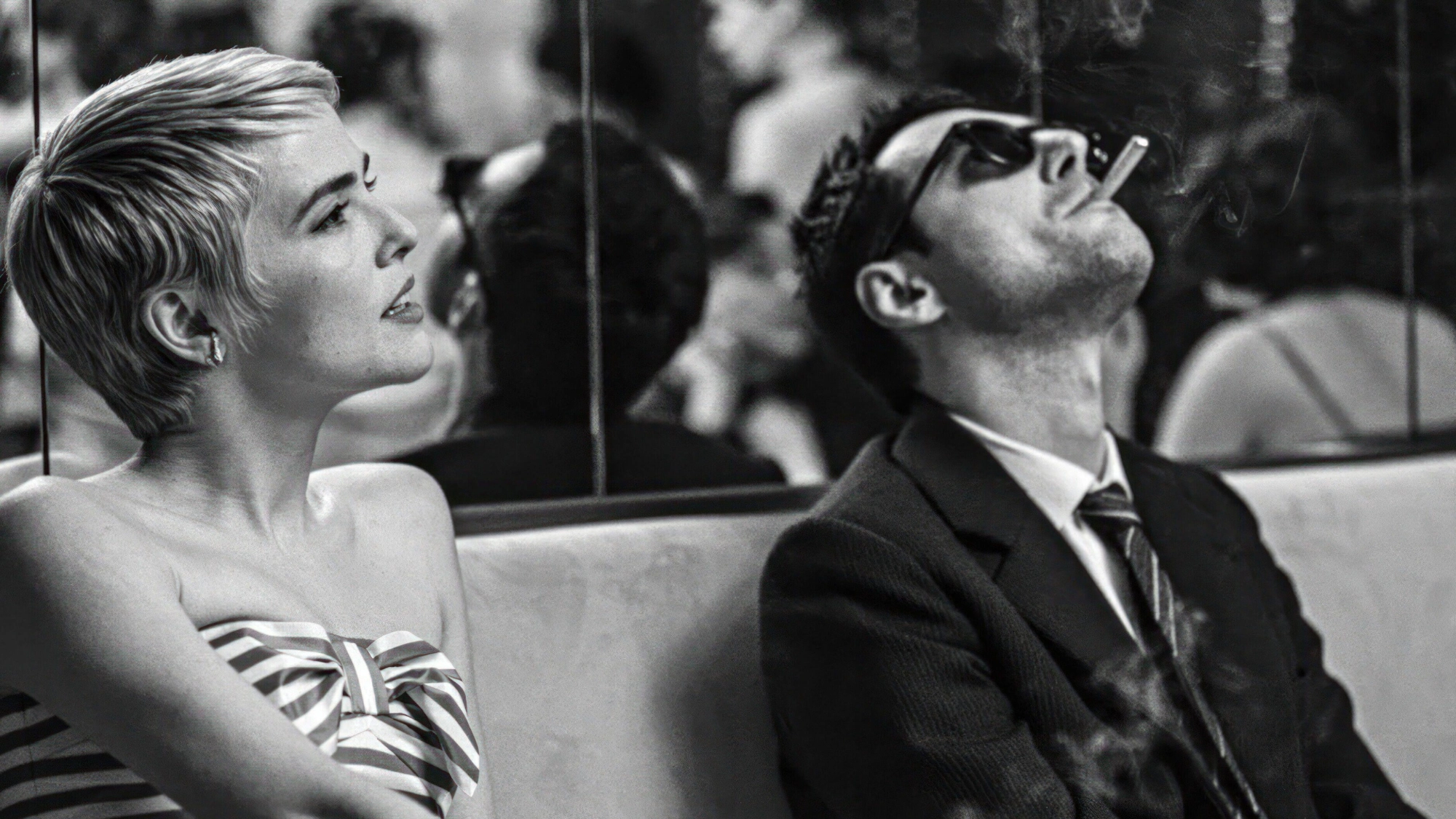


    Image credits, from top:  ARP / Cinetic Media / Album / Alamy; Marc Brenner; Profile Books; Jeremy Sutton-Hibbert / Alamy
     

    Recent editions

    • Evening Review

      Minnesota ‘running on fumes’

    • Morning Report

      Trump claims another slice of the civil service

    • Evening Review

      A post-nuclear treaty world

    VIEW ALL
    TheWeek
    • About Us
    • Contact Future's experts
    • Terms and Conditions
    • Privacy Policy
    • Cookie Policy
    • Advertise With Us
    • FAQ
    Add as a preferred source on Google

    The Week is part of Future US Inc, an international media group and leading digital publisher. Visit our corporate site.

    © Future US, Inc. Full 7th Floor, 130 West 42nd Street, New York, NY 10036.