Exiled Iranian artist best known for Persepolis
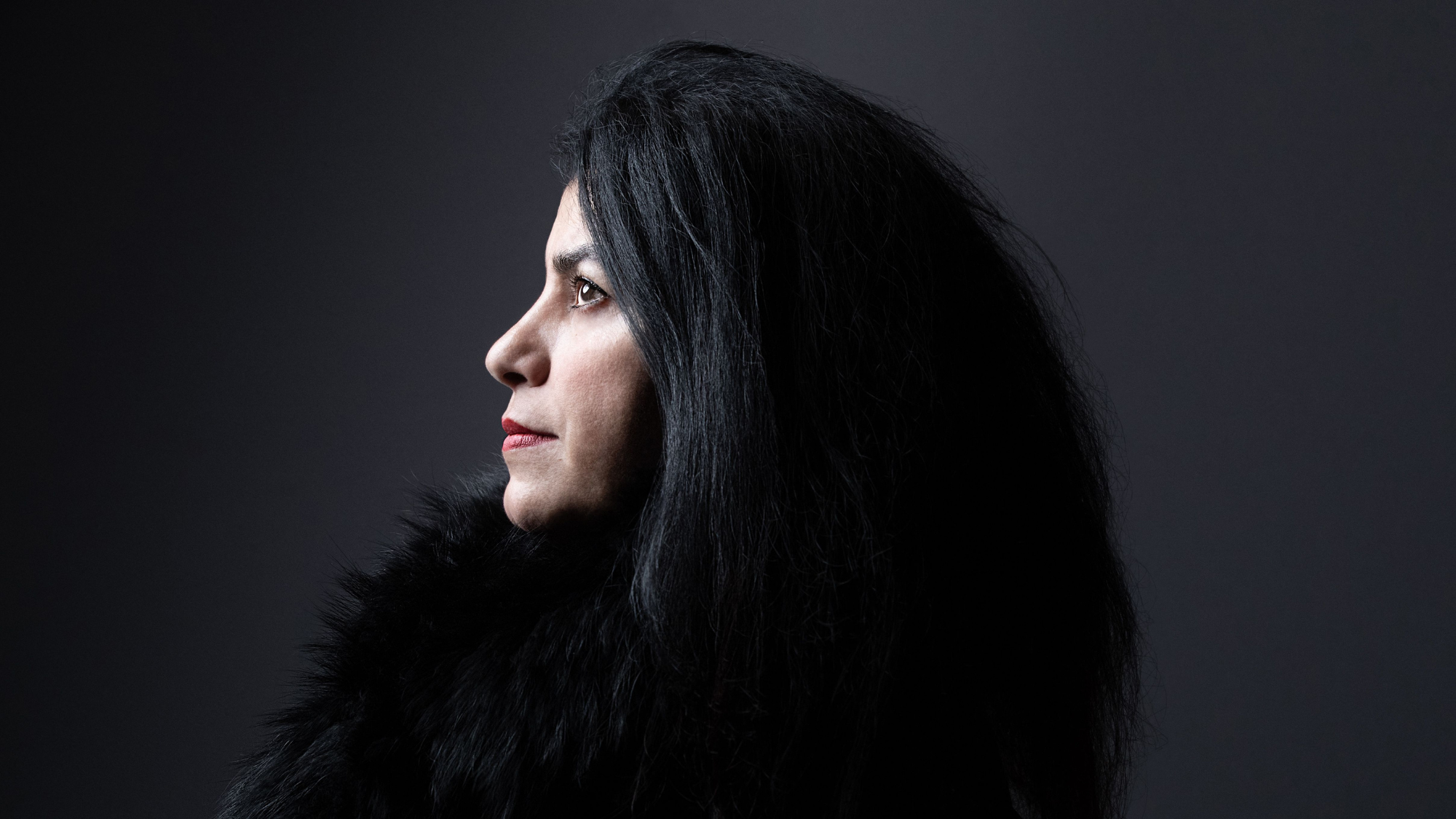
Marjane Satrapi, who has died aged 56, became famous as the author of “Persepolis”, a memoir in graphic novel form, said The Telegraph. Using stark, monochrome illustrations and black humour, it tells the story of a strong-willed 10-year-old growing up in Iran, surrounded by people “coping valiantly and often bolshily with the restrictions and privations they were obliged to endure”.
First published in France in four volumes from 2000, the book provided an alternative view of a country associated with “fundamentalism, fanaticism and terrorism”, and became an international phenomenon, selling more than two million copies and inspiring an award-winning film. Satrapi never returned to her home country, but became from exile a “hero to a younger generation of protesters, as a woman representing Iran’s best qualities to the world”.
Born in 1969, Satrapi grew up in Tehran, the only child of politically engaged, upper-middle-class parents – members of a generation who had “protested against the Shah’s rule only to be rewarded with the oppressive ayatollahs”, said The Times. Her own life was also transformed by the revolution. She had to leave her French-language co-ed school for an all-girls institution, where she had to wear a veil. As she got older, she began to rebel against the regime’s strictures, and after several of her relations were arrested, tortured and executed, her parents sent her to Austria. Lonely and adrift, she did not settle, however, and returned to Iran in 1989 to study art. But following the collapse of her first marriage, she left again, ending up in Paris.
Her “genre-defying memoir” conveyed sadness, anger, humour and doubt, said The Guardian. Her figures were simple but expressive; she recalled that she’d not learnt to draw the human form in Iran because female models wore burqas. Its success made her internationally famous, and opened the door to a second career as a filmmaker. Yet she remained deeply engaged with events in Iran. In 2023, she edited “Woman, Life, Freedom”, a collection inspired by the protest movement of that name. She had become a French citizen in 2006, but said that, as much as she loved France, she would always feel Iranian. “No matter how long I live in France,” she said, “to me the word ‘home’ has only one meaning: Iran.” Her second husband, Mattias Ripa, who helped translate “Persepolis” into English, died of cancer last year. Her family said she had “died of sadness”.