The Week The Week
flag of US
US
flag of UK
UK
https://cdn.mos.cms.futurecdn.net/flexiimages/jacafc5zvs1692883516.jpg

SUBSCRIBE & SAVE

Less than $3 per week

Sign in
  • View Profile
  • Sign out
  • The Explainer
  • The Week Recommends
  • Newsletters
  • Cartoons
  • From the Magazine
  • The Week Junior
  • Student Offers
  • More
    • Politics
    • World News
    • Business
    • Health
    • Science
    • Food & Drink
    • Travel
    • Culture
    • History
    • Personal Finance
    • Puzzles
    • Photos
    • The Blend
    • All Categories
  • Newsletter sign up Newsletter
  • Sunday Shortlist, from The Week
    A ‘riveting’ moment in pop history and a ‘rapturous’ production

     
    FILM REVIEW

    Wham! Ten Days in China 

    ‘Brilliant’ documentary, using re-edited Lindsay Anderson footage

    In 1985, Wham!’s manager Simon Napier-Bell came up with a “cunning plan”, said Peter Bradshaw in The Guardian. To help George Michael and Andrew Ridgeley break America, without them having to embark on a lengthy US tour, he’d send them to China, to become the first Western pop act to perform on the mainland. This, he calculated correctly, would create a blizzard of publicity that would propel the duo to fame in the States.

    After months of delicate negotiations, Napier-Bell confirmed concerts in Beijing and Guangzhou as part of a 10-day tour. Veteran director Lindsay Anderson was hired to make a fly-on-the-wall documentary about the trip but Michael and Ridgeley didn’t like him or his film, and it was shelved. Now, his footage has been re-edited, and spliced with interviews with Ridgeley and others, to give a glimpse of a “strange and riveting moment in pop and political history”.

    “Everything you could possibly want in a rock doc” is here, said Kevin Maher in The Times. In places, it’s “alarmingly” like “This Is Spinal Tap”: the two young stars are dragged to a reception at the British embassy, where Ridgeley is asked “squirm-inducing” questions about cricket; Anderson pontificates grandly about capitalism; and, at Beijing’s Workers’ Stadium, party apparatchiks look horrified when Michael says Wham!’s next song is called “Freedom”. It’s “quite brilliant”.

    The trip, we learn, had an unexpected legacy, said Phil de Semlyen in Time Out: the film includes interviews with locals whose lives were transformed by two hours of “kitsch pop heaven”. Wham! split less than a year later but, in this “surreal cultural collision, something genuinely meaningful happened”.


    THEATRE REVIEW

    Ariadne auf Naxos

    Stellar operatic performances in this ‘immersive Greek myth’

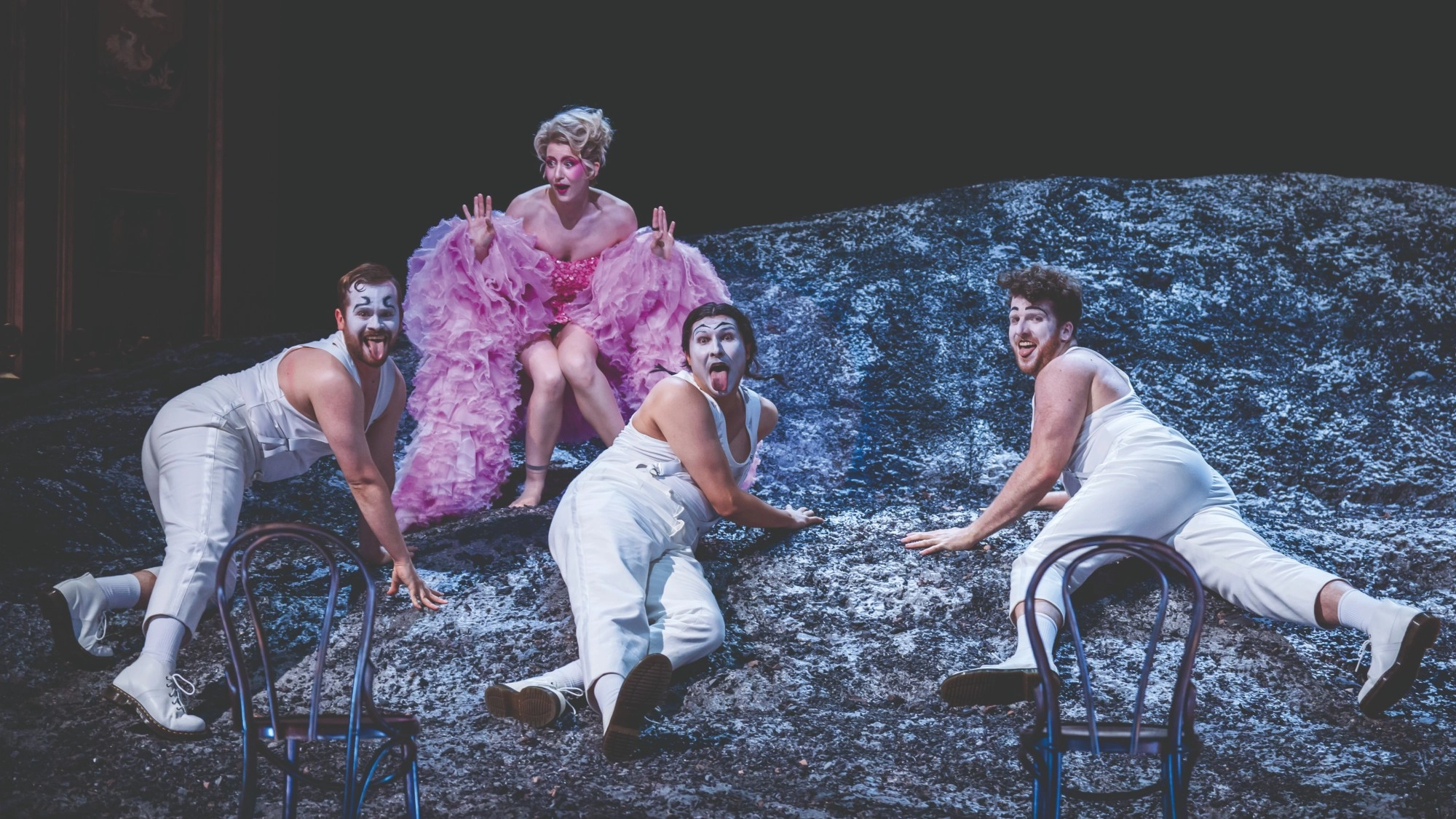
    Christopher Nolan’s film adaptation of “The Odyssey” may promise “three hours of head-spinning storytelling”, said Neil Fisher in The Times. But “when it comes to immersive Greek myth, nothing beats Richard Strauss in full surround sound in the final 15 minutes of ‘Ariadne auf Naxos’”.

    Written in 1912, the opera tells the story of the eponymous Cretan princess who is abandoned by Theseus on a desert island with only nymphs for company, before falling in love with the god Bacchus. She had mistaken him for Death, but “that’s not really important. What matters is the moment shortly before the end when you can hear Strauss push the throttle and fire up the engines, and we bathe in the power of a soaring tenor, ecstatic soprano and coruscating orchestra”. I have never heard this scene performed with such virtuosity as in Glyndebourne’s “rapturous” new production. Catch it if you can.

    It’s hard to imagine where you could find “more exciting singing” than that of David Butt Philip (as Bacchus) and Rachel Willis-Sørensen (Ariadne) in the latter stages of this “delight”, said Richard Fairman in the Financial Times. The production does not see director Laurent Pelly at his most imaginative, and Massimo Troncanetti’s “spartan designs are unappealing (Ariadne’s desert island is an even more miserable lump of rock than the plot demands)”. But the singing is just superb and the music is a joy. Conductor Robin Ticciati and players from the London Philharmonic Orchestra expertly capture both the score’s Rococo wit and its rousing Wagnerian grandeur.

    “Ariadne auf Naxos” is an opera of two parts, said Erica Jeal in The Guardian. Before we get to Naxos, there’s a long satirical prologue, set in Vienna, about the difficulties of putting on an opera. This first part (added four years after the opera was first performed) finds the director “at his witty best”, and features a host of nicely judged comic performances. The second half is certainly well performed but it is “less sparky and less insightful than the first”. The upshot is an evening that is “enjoyable” but ultimately “unmoving”.

    Glyndebourne, Lewes. Until 29 August.


    ALBUM REVIEW

    Yard Act: You’re Gonna Need
    a Little Music

    Given Leeds post-punk rockers Yard Act’s deserved reputation for live performance, said Lisa Wright in The Observer, it’s surprising that this terrific third album “is their first to be recorded with the band all in the same room”. They built their own recording-studio space in Leeds to push back against “laptop” music, then travelled to LA to finish the record with producer Justin Meldal-Johnsen (Beck, Wolf Alice). The result is the sound of a band coalescing to “create something greater than the sum of its parts”. Yard Act’s playful, “Gorillaz-esque” second album “Where’s My Utopia?” (2024) felt like a reaction to the “quick-witted post-punk” storytelling that dominated their Mercury-nominated debut “The Overload” (2022), said Rishi Shah on NME. This third collection is a “thrilling distillation of what their previous two did best”. There’s “wonky piano” (“Tall Tales”) alongside “bulky garage-rock”; there’s irresistibly euphoric choruses (the title track) and full-blown rap (”Thrill Of The Chase”). It’s a heady mix: open your ears, sit back and enjoy.


    BOOK OF THE WEEK

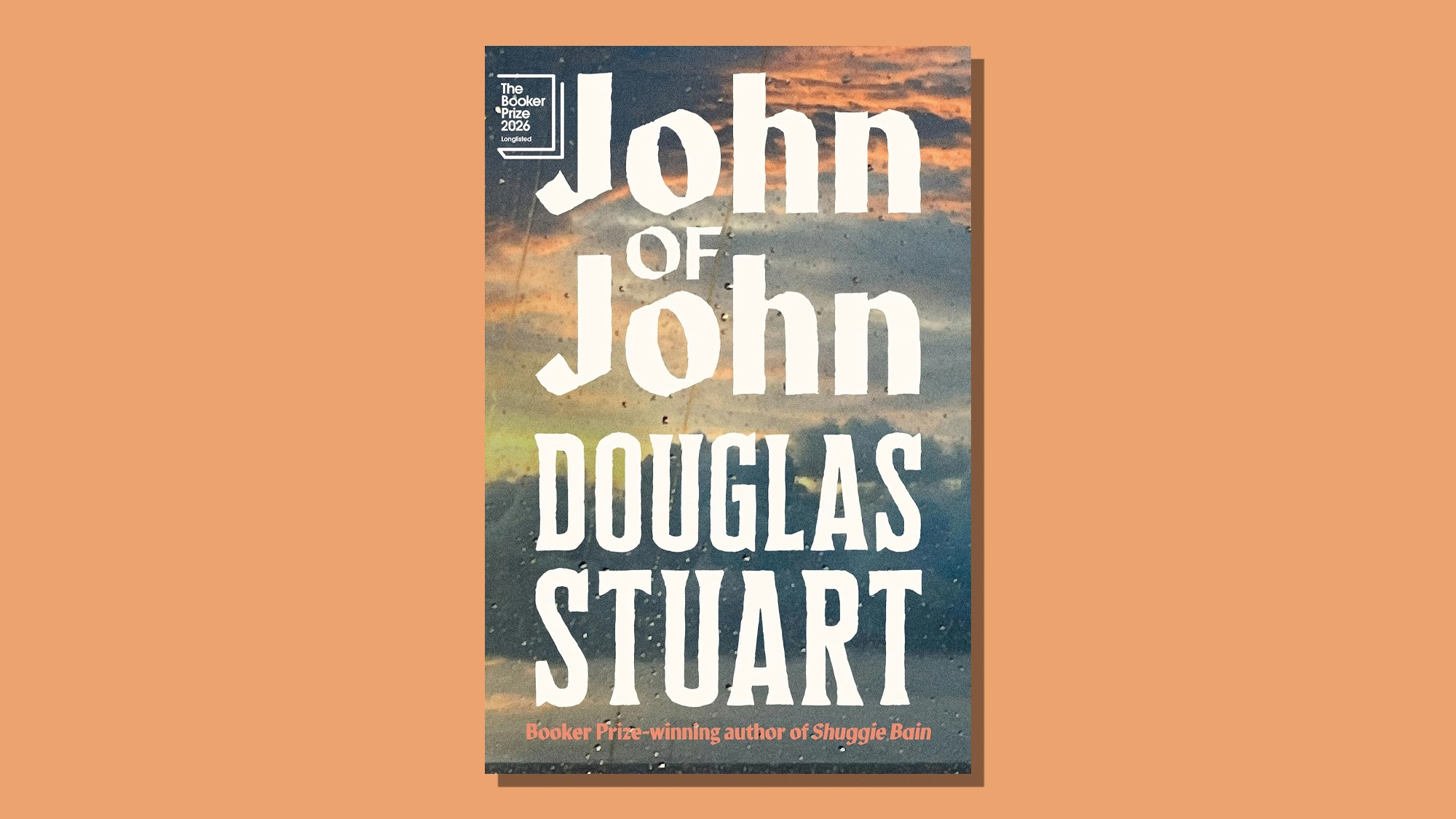
    John of John 

    by Douglas Stuart 

    Douglas Stuart’s two previous novels – the Booker Prize-winning “Shuggie Bain” (2020) and “Young Mungo” (2022) – were both set in Glasgow tenements, said Michael Arditti in The Spectator. For his third, Stuart has “moved north”, to the island of Harris in the Outer Hebrides.

    Cal, 22, “returns to his family croft” on the island, after spending four years studying textiles in Edinburgh, in response to a call from his father, John, telling him that his grandmother is dying. Cal is gay, and comfortable with that fact; his father, a deacon of the island’s Free Presbyterian Church, which adheres to an “extreme biblical morality”, is in denial about his own homosexual leanings. The relationship between the two – by turns loving and violent – is at the heart of this “beautifully observed” novel.

    “This is a magnificent book of disarming intensity,” said Maria Albano in The Telegraph. Stuart excels at “rendering the soul of a place” in all its variety: the “descriptions of pulling a lamb from the ewe in her labour are as confident as his mastery of weaving argot”. And his “character-building” is no less superb: all his portraits are “equally lifelike”.

    While “John of John” is an “unashamedly emotional novel”, full of “vivid, generous” prose, it is also, at times, very funny, said Johanna Thomas-Corr in The Times. A scene in which Cal climbs through a window clutching flowers “has the farcical quality of Shakespearean comedy”. It also features “one of the funniest and most memorable depictions of masturbation in fiction”.

    It’s already on the longlist for this year’s Booker Prize, and it’s “difficult to imagine” that it won’t be shortlisted.


    OBITUARY

    Bill Oddie   

    Goodie turned naturalist who fronted Springwatch

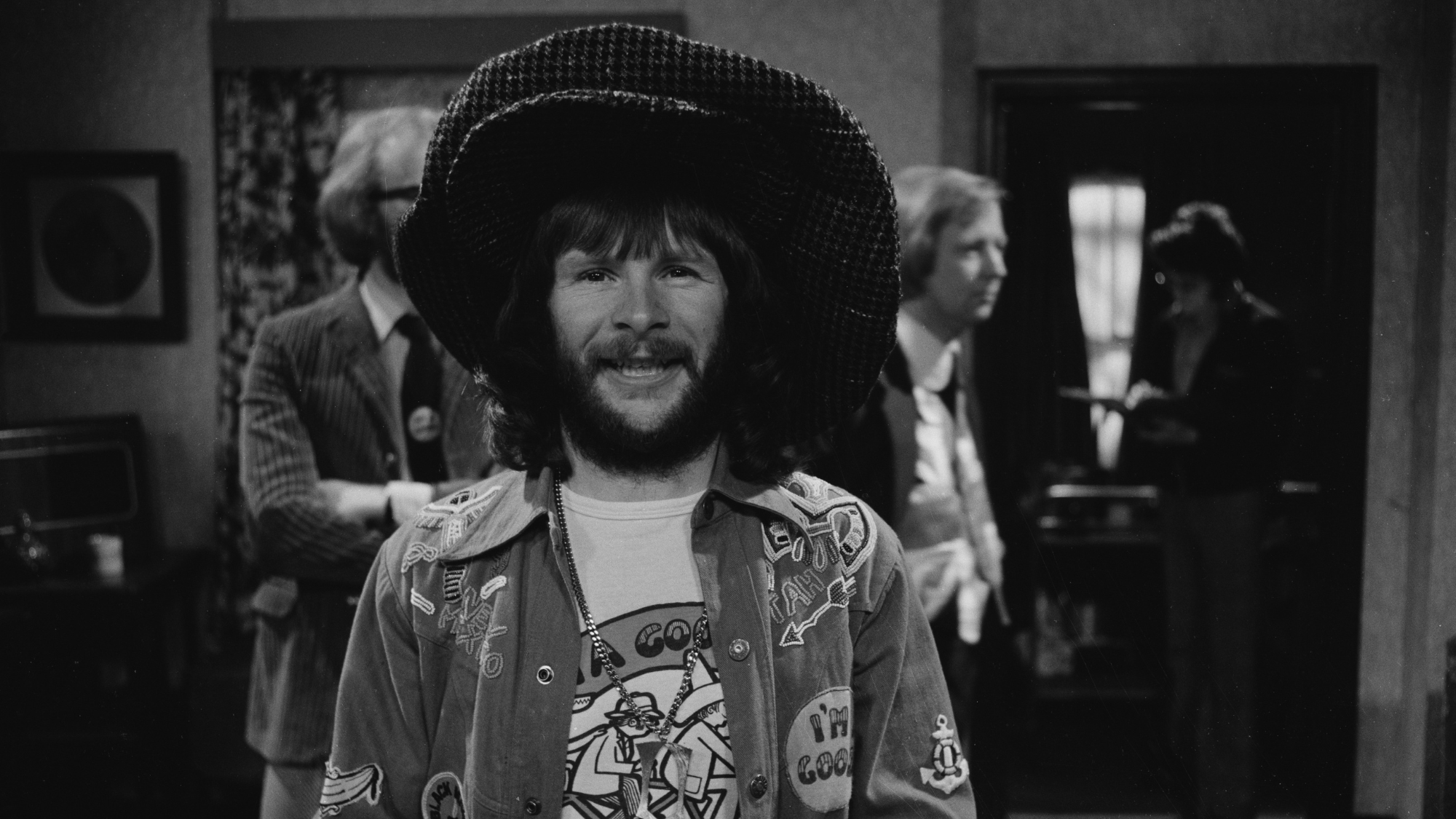
    For those who grew up in the 1970s, Bill Oddie, who has died aged 85, will always be one of “The Goodies”, said The Times. The anarchic comedy show, co-starring his Cambridge Footlights alumni Graeme Garden and the late Tim Brooke-Taylor, was about a trio of fixers who travel around on a three-seater bicycle they called a “trandem”, supposedly solving all manner of problems. Running for 76 episodes, it mixed “lavatorial” jokes and sight gags inspired by Buster Keaton and Tom and Jerry with absurdism (one episode had the group being chased by a giant kitten) and political satire (another addressed apartheid). As well as helping to write the show, Oddie composed songs for it, including “The Funky Gibbon”, which reached No. 4 in the charts in 1975 and led to him and his fellow comics appearing on “Top of the Pops”.

    At its peak, “The Goodies” attracted 12 million viewers. But although it had similarities to “Monty Python”, BBC executives did not take it as seriously, said Mark Lawson in The Guardian. They classified it as children’s TV, which was meant as an insult and Oddie took it as one. Later, he reinvented himself as a naturalist and won many new fans as the presenter of wildlife programmes, including “Springwatch”. Yet here, too, his success was undercut by sadness. He left “Springwatch” at the end of 2008 and later made it clear that he’d been forced out by the BBC. He said his mental health had been a factor and that he “could be very tetchy”. He had, he revealed, fallen into a depression, twice attempted suicide and been diagnosed with bipolar disorder.

    Born in Rochdale in 1941, William Oddie was the son of Harry Oddie, an accountant, and his wife Lilian. Aged six, Bill came home from school to find the house empty and blood all over the kitchen. It turned out his mother had attacked his father. She spent years in psychiatric wards. The family subsequently moved to Birmingham. He was educated at King Edward’s School, then won a place at Cambridge, where he made a splash at Footlights alongside the likes of John Cleese. Before long he was appearing in a Footlights revue in the West End and on Broadway. He wrote scripts for “That Was the Week That Was” and episodes of the TV comedy “Doctor in the House”. He also appeared regularly on radio, including in “I’m Sorry, I’ll Read That Again”. “The Goodies” launched in 1970 and ran for more than a decade. Each of its creators had a distinct personality, said The Guardian: Brooke-Taylor was pompous; Garden was professorial; while Oddie was hairy and untidy. Even then, he suffered from mood swings. He found fame hard to manage and could be grouchy. When, in 2001, Michael Aspel approached him with his big red book and the words, “Bill Oddie, this is your life,” Oddie replied: “It’s not. I always said I wouldn’t do it and I won’t.” His family eventually persuaded him to go ahead with the show.

    Oddie had loved birdwatching since his teens and, after a spell working in children’s TV in the 1980s, he began fronting wildlife shows such as “Birding with Bill Oddie”. In 2003, he was made an OBE for his conservation work. He attributed his mental health problems to his childhood, and the feeling that his mother had abandoned him. Later, however, he began to appreciate that she may also have had bipolar disorder. He realised, he said, that she had been “in no way negligent”, only “immensely unlucky”. He is survived by his three children, and his second wife, the writer and former actress Laura Beaumont.

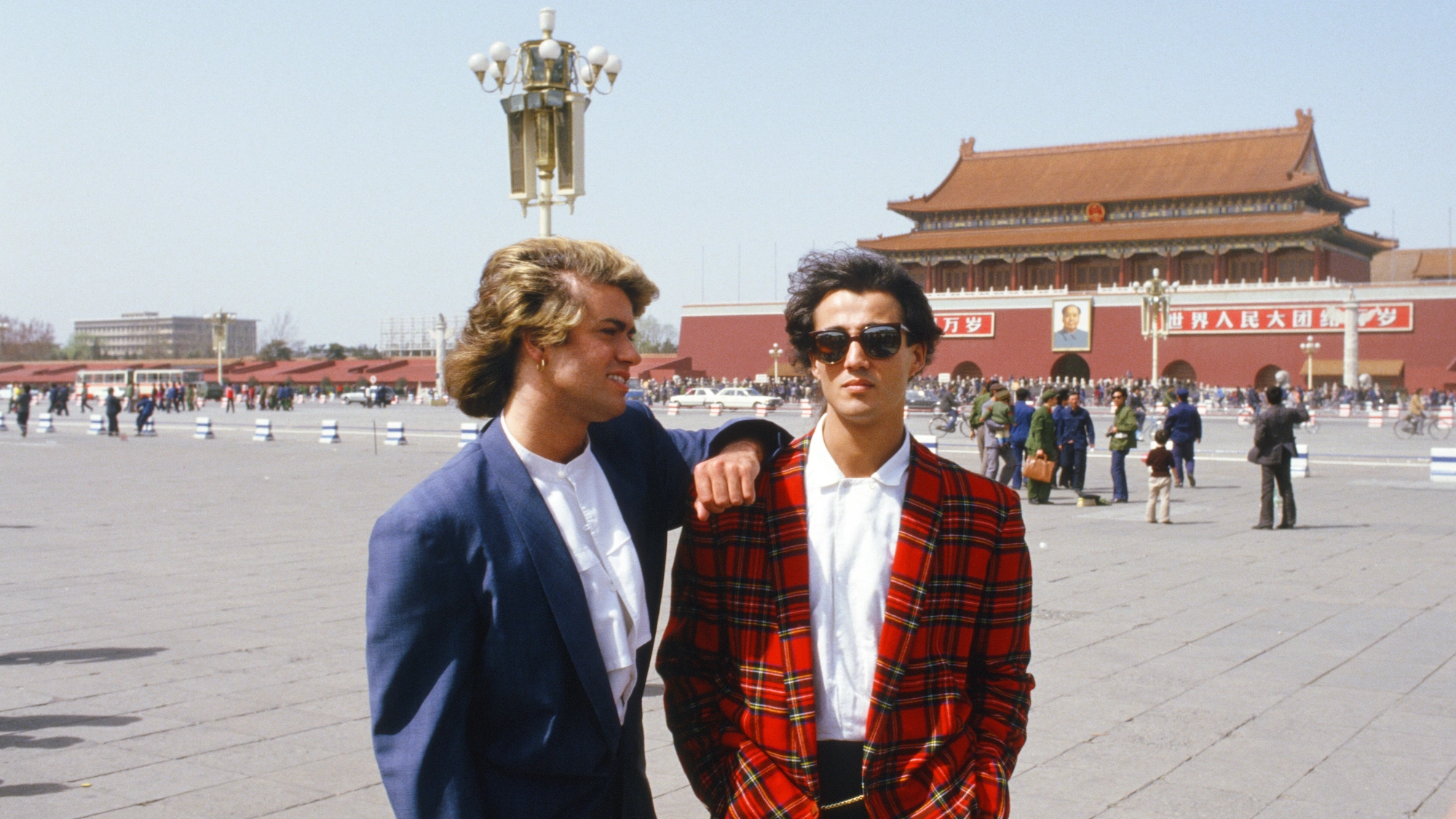


    Image credits, from top: Kent Gavin / Mirrorpix / Getty; Tristram Kenton / Glyndebourne Productions Ltd.; Grove Press / Atlantic Monthly Press; Don Smith / Radio Times / Getty
     

    Recent editions

    • Evening Review

      The GOP’s Miller dilemma

    • Morning Report

      Another Trump-backed incumbent loses his seat

    • Evening Review

      Saudi Arabia enters the fray

    VIEW ALL
    TheWeek
    • About Us
    • Contact Future's experts
    • Terms and Conditions
    • Privacy Policy
    • Cookie Policy
    • Advertise With Us
    • FAQ
    Add as a preferred source on Google Add as a preferred source on Google

    The Week is part of Future US Inc, an international media group and leading digital publisher. Visit our corporate site.

    © Future US, Inc. Full 7th Floor, 130 West 42nd Street, New York, NY 10036.