The Week US
flag of US
US
flag of UK
UK
https://cdn.mos.cms.futurecdn.net/flexiimages/jacafc5zvs1692883516.jpg

SUBSCRIBE & SAVE

Less than $3 per week

Sign in
  • View Profile
  • Sign out
  • The Explainer
  • The Week Recommends
  • Newsletters
  • Cartoons
  • From the Magazine
  • The Week Junior
  • More
    • Politics
    • World News
    • Business
    • Health
    • Science
    • Food & Drink
    • Travel
    • Culture
    • History
    • Personal Finance
    • Puzzles
    • Photos
    • The Blend
    • All Categories
  • Newsletter sign up Newsletter
  • Sunday Shortlist, from The Week
    An ‘astounding’ film and a ‘spellbinding’ play

     
    Theatre Review

    Harry Potter and the Cursed Child

    ‘Propulsive’ new version halves the running time of the original

    When “Harry Potter and the Cursed Child” opened at London’s Palace Theatre in 2016, it won rave reviews and nine Olivier Awards. Presented in two parts, running at just over five hours in total, the drama, scripted by Jack Thorne, revisits J.K. Rowling’s characters a generation on – and proved so effective, it “quickly became canon” among “Potter” fans, said Emma John in The Guardian.

    Now, just a few weeks after that show closed in London, a condensed version of the play, presented in a single instalment, has opened.

    This adaptation – originally devised for audiences on Broadway, and since staged in Australia and elsewhere – was designed to make the play cheaper and more accessible for family audiences but even Thorne and director John Tiffany were anxious about reworking the original.

    And yet their downsized show works magnificently, said Dominic Cavendish in The Telegraph. It is “a different beast to the one I raved about 10 years ago – less palatial, more propulsive” – but it is still fantastic, and now surely “good for another 10 years” or more. I’d forgotten how “head-spinning” the stage illusions are: there’s a “genuine wow factor” to the levitating broomsticks, and to the sight of chairs and bodies suspended in mid-air as Harry and Draco Malfoy settle old scores. Admittedly, some of the “extravagant strangeness” has been lost, but it remains a “spellbinding” spectacle.

    Even more so than before, however, it does help to “know your Potterverse (to muggle up, as it were)”, as the action “proceeds with the speed of the Hogwarts Express, often shifting location in the time it takes to flap a cape”.

    As a “‘Potter’ agnostic”, said Clive Davis in The Times, I found some of the plot hard to follow, but I still enjoyed the show and its thrilling illusions. David Ricardo-Pearce and Naana Agyei-Ampadu remain a “reassuring presence” as the adult Harry and Hermione. And there’s much to savour in the evolving relationship between the two next-generation leads: Harry’s son Albus and Draco’s son Scorpius. Slimmed-down “Potter” is “still magic”, which is “good news for parents who don’t want to re-mortgage their homes” for tickets.

    Palace Theatre, London; until 27 June.


    Film REVIEW

    You Can See Everything  

    Documentary about jailed Theranos founder is an ‘unalloyed masterpiece’

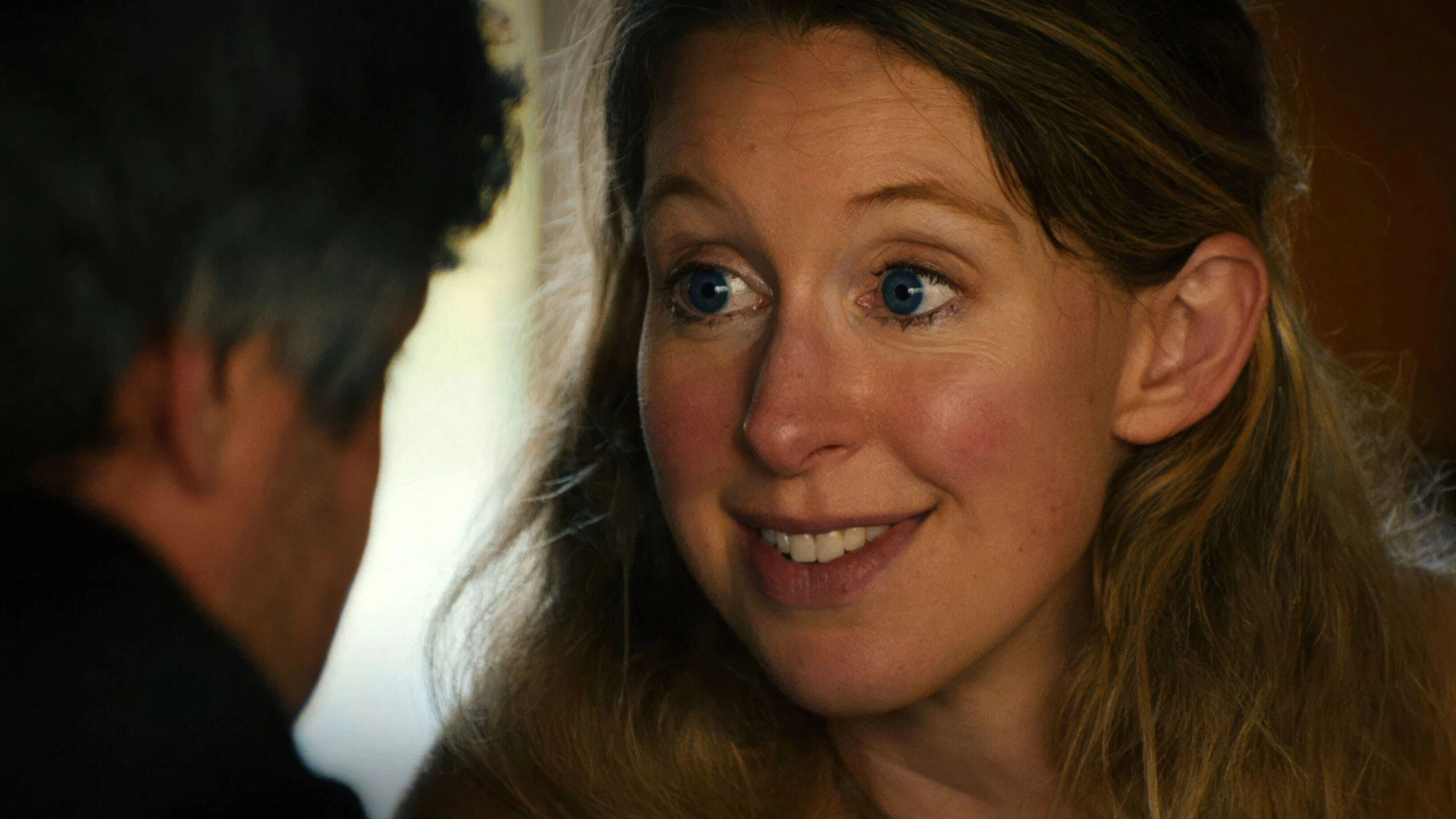
    “Hold the bets, shelve the predictions and cancel the Oscars party for ‘The Odyssey’,” said Kevin Maher in The Times. The awards race has changed, “possibly for ever”, thanks to this “astounding” documentary about the disgraced tech entrepreneur Elizabeth Holmes (pictured above).

    In 2015, Holmes became the face of Theranos, a health technology company, and claimed to have invented a machine that could accurately test for a range of diseases using just a few drops of blood. Holmes appeared on the cover of Forbes magazine and, aged 30, she was named the world’s youngest self-made female billionaire, with a $4.5 billion fortune. Her success, however, turned out to have been built on a pack of lies – and in 2022 she was sentenced to 11 years for fraud.

    Her story was told in the TV miniseries “The Dropout”, starring Amanda Seyfried. Now we have this “unalloyed masterpiece” from co-directors Nathan Fielder and Lance Oppenheim. At the Oscars, documentaries tend to be siloed in their own category; this one, though, is so gripping, so extraordinary, it’s surely a shoo-in for numerous awards, and could even become the first documentary to be nominated for best picture.

    The film opens in April 2023, when Fielder – the “absurdist comedian” whose series “The Rehearsal” “cemented his status as docu-reality’s premier auteur” – has been invited to move into the beach house that Holmes shares with her “shifty husband-cum-business-partner” Billy Evans and their two children, said Adrian Horton in The Guardian. It is a month before she is due to present herself to a federal prison.

    Fielder is there to gauge whether or not she is the manipulative monster of public imagination; she’s there to protest her innocence and perhaps lay the groundwork for Theranos 2. A lot of hype has surrounded this film – and it is deserved: what unfolds is “more shocking, twistier, thornier and revealing than billed”. My mouth “was agape for, conservatively, one half of the film’s unusually deserved three-hour run time”.

    The first half of the film, in which Fielder follows the couple around the house, asking them awkward questions, is fairly conventional, said Angie Han in The Hollywood Reporter. It’s in the second half that the movie “kicks into gear”. Holmes is now in prison, and the directors find other ways of telling her story, adding another “giddy layer of artificiality”, and raising questions about who the real fakers are.

    By the end, said David Fear in Rolling Stone, you’re not sure what you have seen. All you know is that it was “totally gobsmacking” and brilliant.


    ALBUM REVIEW

    Michael Kiwanuka: Fudge

    One of the UK’s most talented singer-songwriters, Michael Kiwanuka had rather disappeared from public view lately. Now, with the release of his fifth album, we know why: it turns out that in July 2025, the 39-year-old suffered a severe stroke caused by high blood pressure. He spent months in intensive care and – according to his statement – still faces a “long, tough journey” to recovery. “This cruel twist seems all the crueller”, said Ludovic Hunter- Tilney in the Financial Times, when you consider “the warmth and humanity” in his work. “Fudge”, which he completed before the stroke, is the first album Kiwanuka has made without outside producers, and it has a dreamier, more “languorous” feel than his previous records, said Roísín O’Connor in The Independent. The title of the album fits it well, in that the songs are “delightfully loose, squashy and often sweet – Kiwanuka does romance very well – capturing a playfulness that is often lacking in contemporary music”. The highlights here include “Just Another Moment”, “You Sent Me Flying”, “Stars” and “Sing”.


    BOOK OF THE WEEK

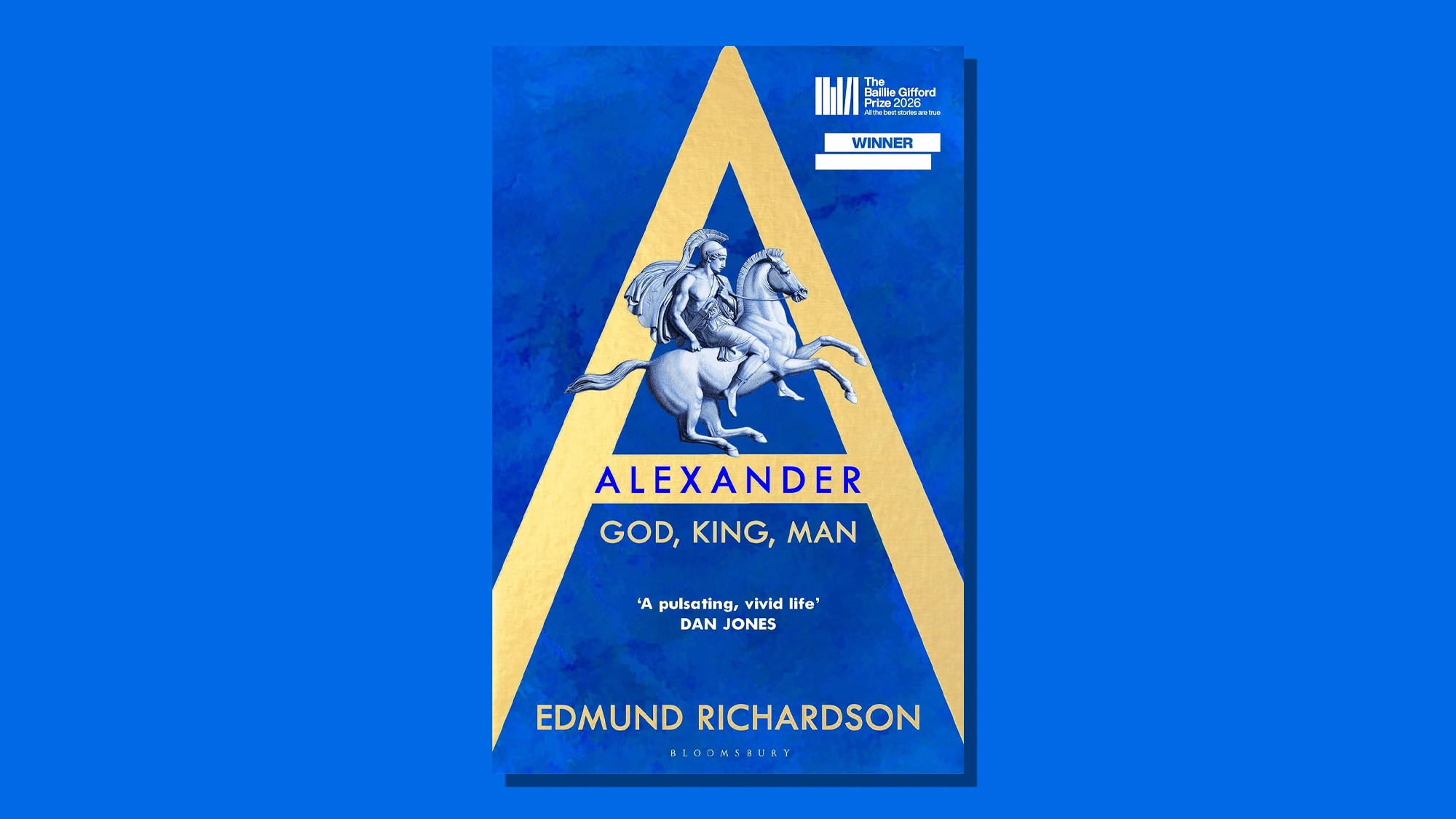
    Alexander: God, King, Man

    by Edmund Richardson

    “In 336BC, Alexander was not great,” said Ioan Marc Jones in The Guardian. The newly crowned king of Macedon was a “wiry 20-year-old” seemingly unfit for a new role thrust on him by his father’s assassination.

    Desperate to prove his worth, he “led an army into the Persian empire to confront Darius III, a man who ruled more than 50 million people”. Alexander was heavily outnumbered and “dissent rattled through his ranks”. Improbably, he defeated Darius, and went on to conquer “vast tracts of the world”. In this “brilliant” book, which last week won the 2026 Baillie Gifford Prize for Non-Fiction, Edmund Richardson, a classics professor at Durham University, tells the “story of that legend”.

    By necessity, it’s a “violent read, tracking one conquest after the next”. Yet Richardson has a “light touch”, and the book is “all the better” for its many diversions – including an “especially fascinating” chapter on Alexandria (which Alexander founded in 331BC) and the library built there 50 years later. No “staid history of chalkboards”, this is a “riot from start to finish”.

    As a military strategist, Alexander was unrivalled, said Rupert Christiansen in The Telegraph. A “master of cool tactical calculation”, he helped pioneer the “phalanx model”, in which spear-wielding “squadrons of infantry, packed close” and “locked together by their shields”, were organised into a “relentless killing machine”. But in other ways, he was less admirable. “He did not dispense justice or govern wisely” and, for the most part, left only “devastation in his wake”. Even before his death, aged 32 (probably from typhoid), his “vast empire” was collapsing. Historians have generally been “too kind” to this “chillingly heroic figure”. Richardson’s “finely crafted” book takes us “closer to the truth”.

    This is a curious “hybrid” – “part novel, part biography”, said James Romm in the Times Literary Supplement. Richardson “freely imagines Alexander’s emotions” – before the crucial battle of Issus, we are told, the young man tried to “ready himself for death” – and he rarely mentions the many contradictions in the sources. For an “accomplished scholar”, this seems “strange”.

    On the contrary, this is an object lesson in “how history can be both academically ambitious and readable”, said The Economist. For too long, historians have “not tried hard enough to rivet readers”. With its plethora of “delicious” details, and refreshing lack of “hand-wringing”, this book triumphantly bucks the trend.


    OBITUARY

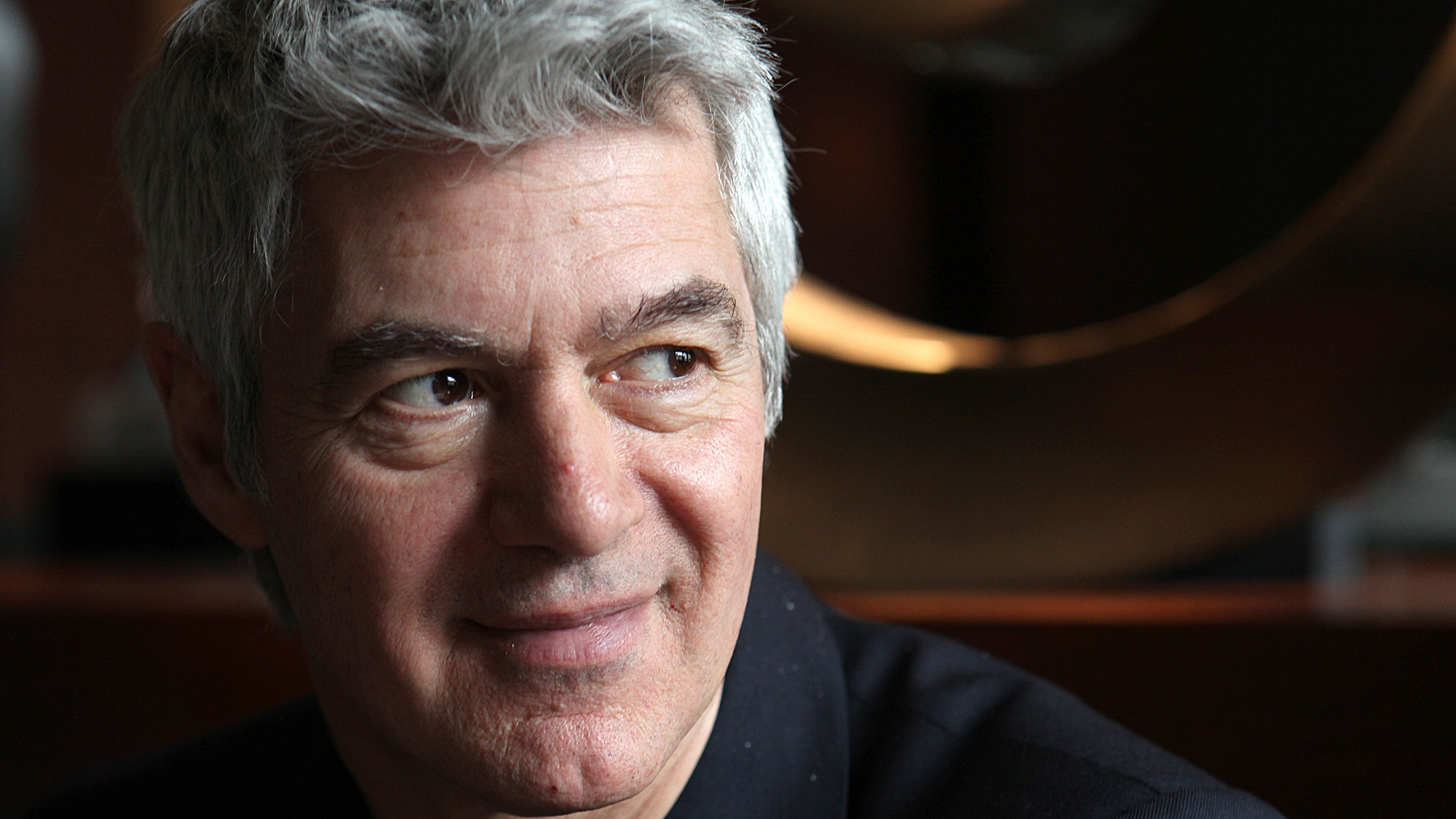
    John Frieda 

    Hair stylist who created the “Purdey” for Joanna Lumley

    Today, he may be best known for the bottles of Frizz Ease serum that line the shelves of supermarkets and chemists, said The New York Times. But before he became one of the first hairdressers to launch an eponymous range of hair products, John Frieda attracted some of the biggest names of the 1970s to his salons in central London and elsewhere. He created the Beatles-inspired pageboy bob that Joanna Lumley’s character wore in “The New Avengers” – the Purdey – and gave Shirley MacLaine her shaggy look. She thanked him in a card reading: “Every time I shake my hair I display your art.”

    Yet Frieda, who has died aged 75, was not a louche or bohemian figure: there was no scent of marijuana in his salons. On the contrary, they were clean white spaces; and he was himself elegant, serious-minded and reserved – something he once put down to the year he spent in hospital as a child, suffering from rheumatic fever. He was born in west London in 1951, said The Telegraph. His mother was an Irish Catholic who, he said, dressed like Celia Johnson in “Brief Encounter”. His father, who was of Polish-Jewish heritage, was also a hairdresser, with a thriving salon in Ealing; Frieda Sr was himself the son of a barber, who had opened a salon on Fleet Street after fleeing 19th-century pogroms.

    His parents sent him to a private school, King’s in Harrow, hoping he’d become a doctor. Instead, he left at 16, saying he wanted to cut hair like his father. It was, he later said, an excuse to get out of studying. Yet nine months later, he took up an apprenticeship at the fashionable salon Leonard of Mayfair. He was paid £4 a week, said The Times, but took his work seriously, and got noticed by his boss, owing to the care he put into folding the towels. Taken on as an assistant, he shampooed Twiggy’s hair, swept up Mick Jagger’s “collectable locks”, and styled Jean Shrimpton’s tresses for fashion shoots. Soon, he had become in demand in his own right. “The technical skills are easy to learn,” he once said, “but visual perception is more important, finding the right hairstyle for a woman’s face.” He opened his own salon in 1976, in Marylebone. Lumley, a virtual unknown at the time, was an early client; six months later, she was famous, and everyone was asking for a Purdey. Later clients included Diana, Princess of Wales, and Jackie Onassis. He married one of them – the pop star Lulu. They had a son, Jordan Frieda, before divorcing in 1991. He is survived by his second wife, Frances Avery Agnelli, with whom he had two more children.

    In the 1980s, he decided he needed a fresh challenge, and began devising his own haircare products. He sold them first in salons; then Boots suggested he produce a major commercial range. With the fashion for big hair at its height, he and a chemist worked on a thickening lotion. After he demonstrated the Root Booster on Richard & Judy’s “This Morning”, Boots sold 1.2 million bottles. He then teamed up with marketing expert Gail Federici, who helped him break into the US market – and launch Frizz Ease, for those with curly hair. It became the bestselling hair serum in America, and still sells a bottle every few seconds. Later, he produced a range for specific hair colours – Radiant Red, Brilliant Brunette and so on. In 2002, he sold the company for $450 million. He collected art, bought homes all over the world, and became a serious student of Eastern philosophies. He had, he once said, got to know some very rich and successful people, and found a lot of them to be unhappy.

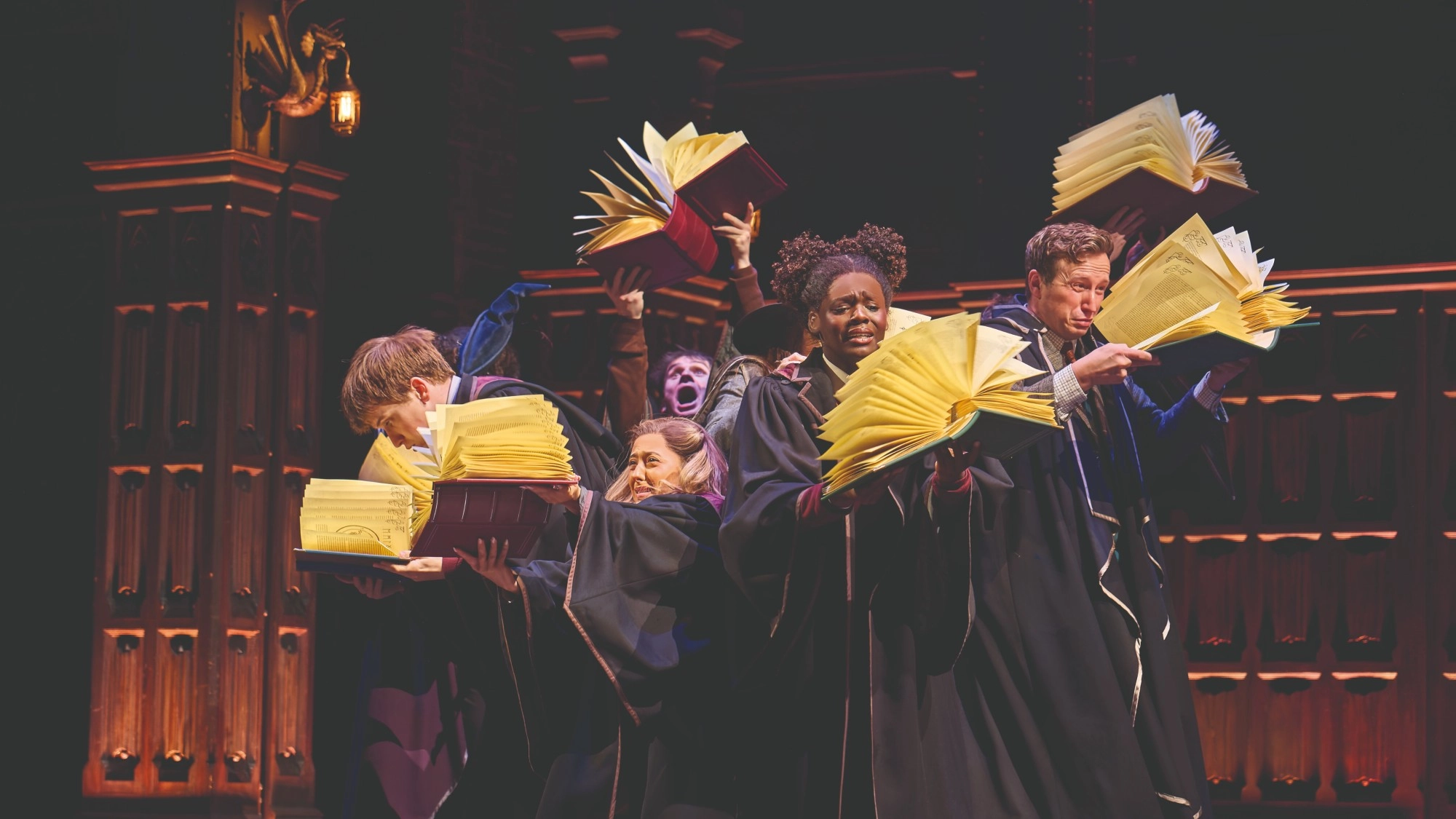


    Image credits, from top: A24 / Blow Out Productions / To Be Formed / Album / Alamy; Manuel Harlan; Bloomsbury Publishing; Angela Rowlings / MediaNews Group / Boston Herald / Getty Images
     

    Recent editions

    • Evening Review

      Trump threatens to investigate his investigators

    • Morning Report

      Huang downfall fallout

    • Evening Review

      Has Vance destroyed his 2028 odds?

    VIEW ALL
    TheWeek
    • About Us
    • Contact Future's experts
    • Terms and Conditions
    • Privacy Policy
    • Cookie Policy
    • Advertise With Us
    • FAQ
    Add as a preferred source on Google Add as a preferred source on Google

    The Week US is part of Future US Inc, an international media group and leading digital publisher. Visit our corporate site.

    © Future US, Inc. Full 7th Floor, 130 West 42nd Street, New York, NY 10036.