Much has been made of the closing of the Strait of Hormuz during the Iran war, given that the passage is a major lifeline for the global economy. But it’s just one of five major waterways that play a significant role in world trade.
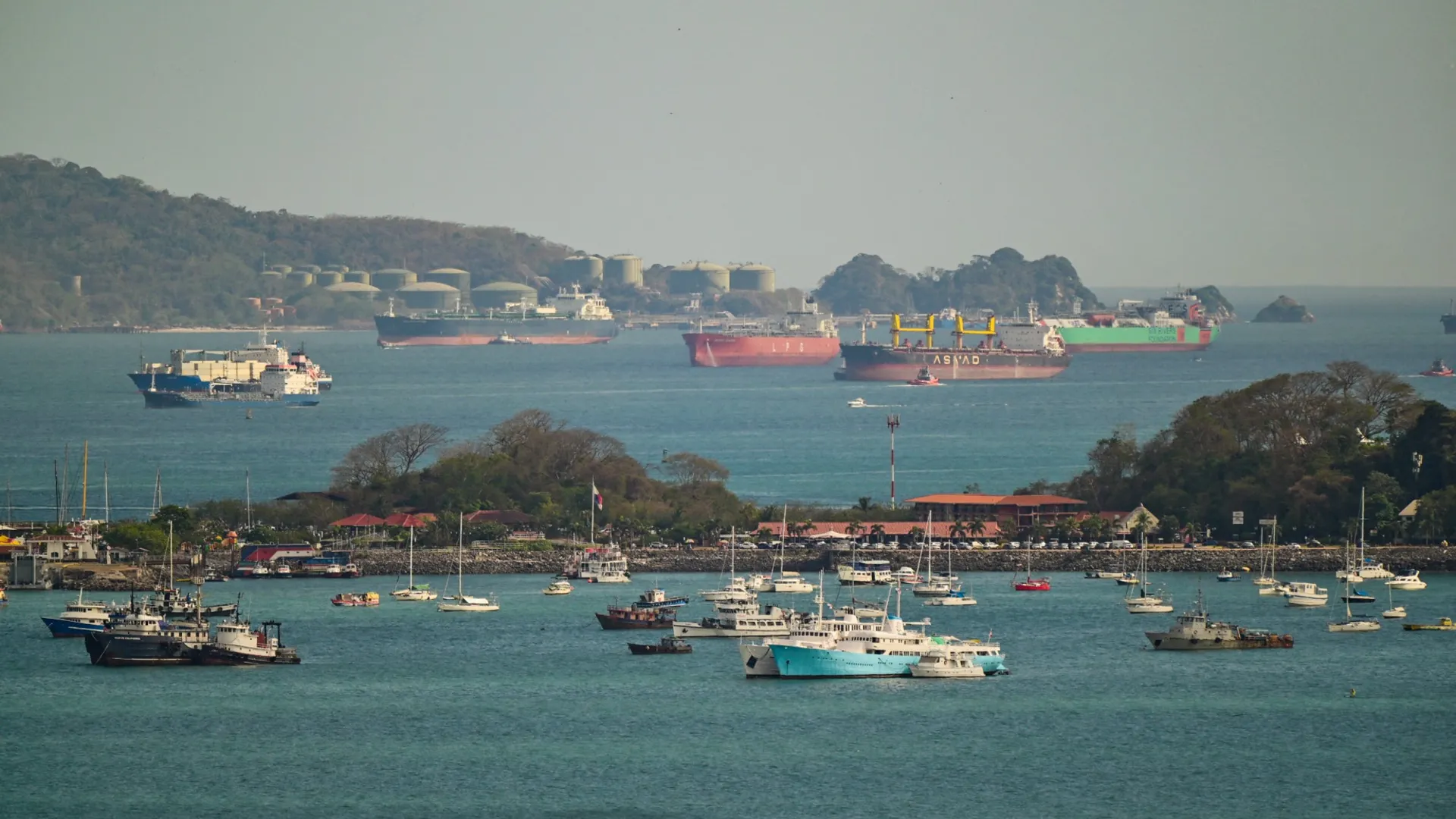
Panama Canal
This canal connects the Atlantic and Pacific Oceans and lets ships “avoid the lengthy voyage around Cape Horn,” said the International Trade Administration, contributing to the “reduction of carbon emissions.” President Donald Trump has pushed for the U.S. to gain control of the canal, but Panama has managed it “incredibly well,” said the Harvard Kennedy School of Government.
Strait of Malacca
This strait in Southeast Asia serves as a passage between the Indian and the Pacific oceans. It represents “one of the most strategically, economically and politically significant maritime chokepoints in the world,” said the National Bureau of Asian Research.
Suez Canal
This waterway is the “only place that directly connects the waters of Europe with the Arabian Sea, the Indian Ocean and the countries of the Asia-Pacific,” making it an essential waterway for cargo, said CNN. In 2021, a vessel became stuck across the shipping lane, and disruptions like this can have “outsized impacts on global commerce and energy markets,” said the Atlantic Council, given that over $1 trillion goods are transported through the Suez annually.
Turkish Straits
These straits are the “only waterway connecting the Black Sea to the Mediterranean Sea,” said Turkey’s Ministry of Foreign Affairs. During times of conflict, the Dardanelles and the Bosphorus become strategically vital due to a 1936 treaty stating that “vessels of war belonging to belligerent powers shall not pass” through the straits, said Arab News.
Strait of Hormuz
Cutting between Iran, the United Arab Emirates and Oman, Hormuz is one of the “world’s busiest oil shipping channels,” said BBC News. Its recent closure could affect more than just gas prices, as it’s also a “vital channel for imports to the Middle East,” said BBC News. If not reopened soon, it could harm “energy markets, maritime transport and global supply chains,” said the U.N. Conference on Trade and Development. |