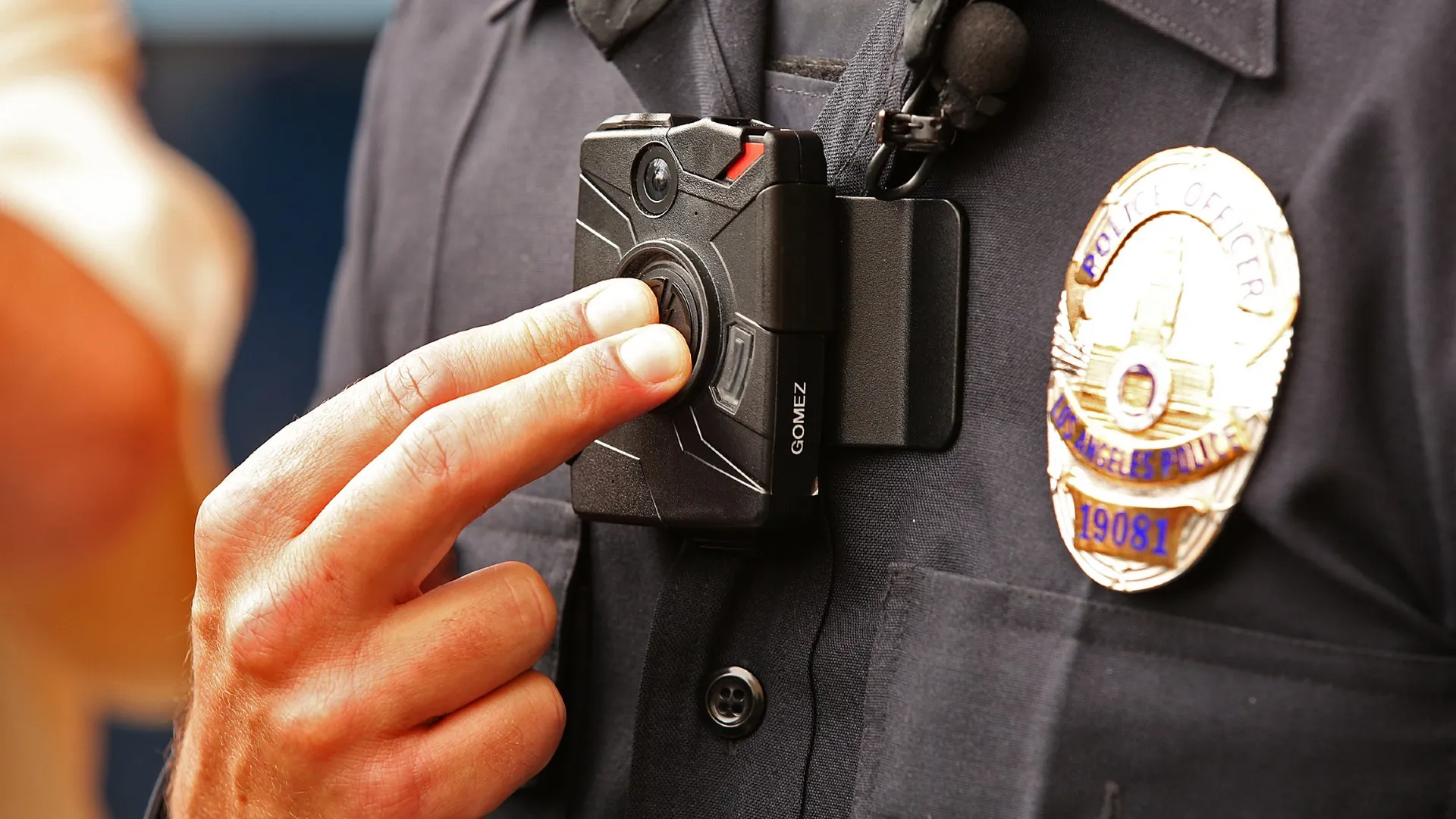
With many police officers across the U.S. wearing body cameras, a cottage industry of YouTube channels streaming police interactions on bodycams has sprung up. These videos rack up thousands or even millions of views. But some law enforcement experts consider them exploitative.
How do these channels operate?
They get their content from the “same basic model: Someone uses public records requests to obtain video from police arrests, lightly edits the video and then hits ‘publish,’” said Vox. Many of the videos involve DUIs or intoxicated people “yelling, speeding, throwing things, hitting cops” and then “being arrested while crying, screaming, spitting and so on.” The channels document arrests for “just about anything, from shoplifting to murder and kidnapping cases.”
Many channels do big numbers. Code Blue Cam, for example, averages “over 10 million views a video,” said Vox. The channels publish bodycam footage “based on their significance, the clarity of the footage, and whether the interaction offers meaningful insight into how officers respond under pressure,” said the owner of Code Blue Cam, who goes by LJ, to Wisconsin Public Radio.
Why are some people concerned?
The people uploading these videos “usually aren’t on a crusade for justice. They are interested in having footage of someone’s shoplifting arrest rack up millions of views for profit,” said Vox. The most viral videos can be “devastating for their subjects,” said Intelligencer. Since bodycam footage is often public record, the people in the videos generally “have little legal recourse: Claims of defamation and false light,” the legal term for invasion of privacy, are “extremely difficult to prove.”
For victims, the “experience of having their worst moments broadcast to millions of strangers” on the internet can be “devastating,” said Wisconsin Public Radio, especially since they are often uncensored and include defendants’ real names. Women and people of color are disproportionately seen, even though “some 80% of DUIs are committed by men,” said Intelligencer.
The channels also have a financial component. Code Blue Cam earns about $325,000 monthly, according to YouTube analytics tracker VidIQ. Many channels additionally feature a “list of affiliate links,” said Wisconsin Public Radio, for earning “commission from viewers purchasing products like security and dash cameras.” |