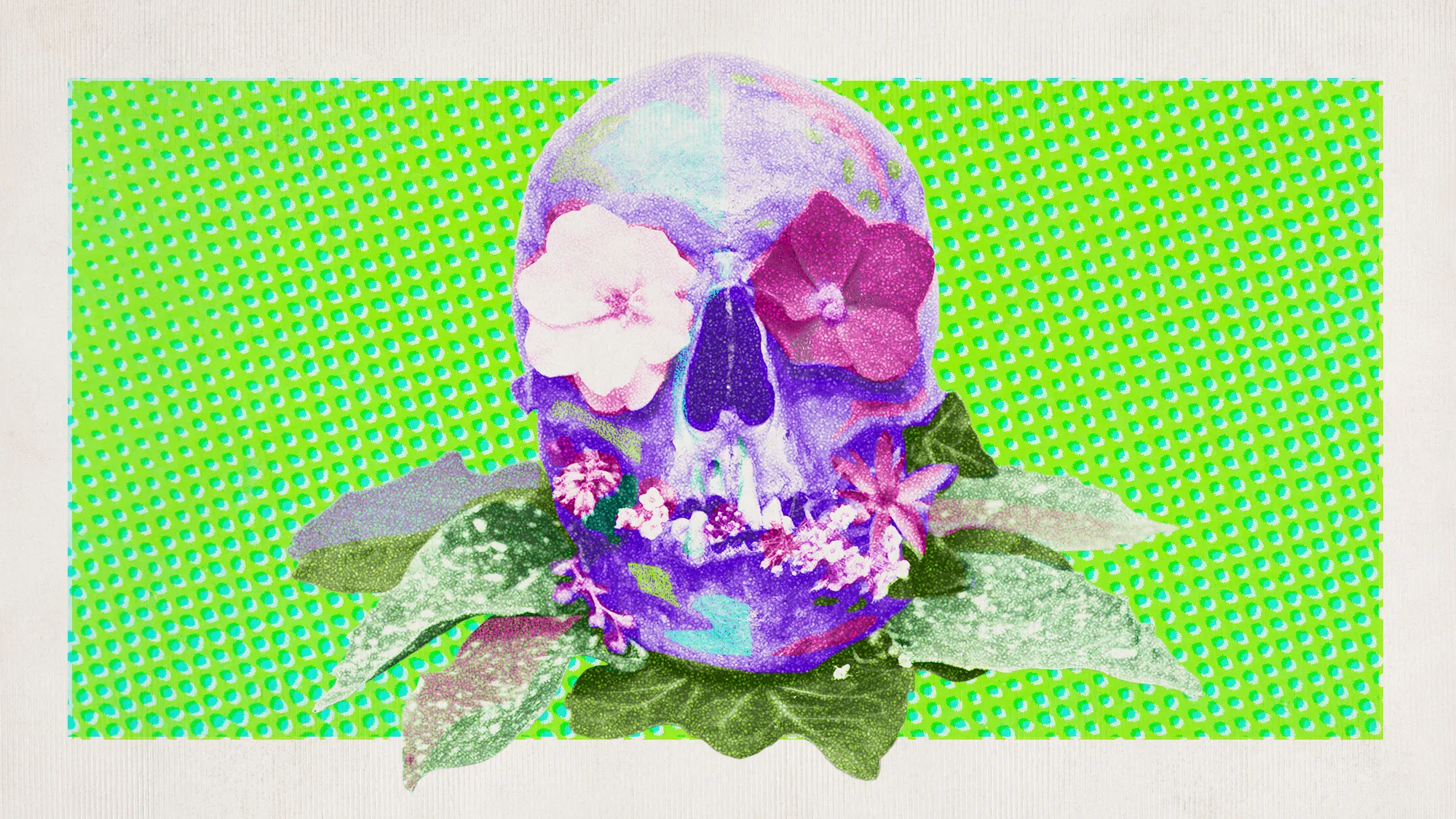
“If someone had warned me, my daughter would still be here,” florist Laure Marivain said to Le Monde. Her 11-year-old child, Emmy, died in 2022 after seven years battling leukemia. In a landmark case two years later, French officials acknowledged a link between Emmy’s death and her exposure to pesticides during her mother’s pregnancy, when Laure was working as a florist. Now, said The Guardian, voices from within the industry are “raising the alarm.”
Unlike with food, there’s no regulatory limit on the residue levels from pesticides sprayed onto cut flowers in the U.S., EU or Britain. And our bouquets are bursting with these chemicals.
A cocktail of pesticides protects flowers from disease and pests, helping to give customers “perfect blooms year-round,” said The Guardian. Buying a bouquet at your local shop “won’t necessarily put you at risk,” but for the florists and growers working with flowers for hours each day, pesticides can be “absorbed through skin contact or inhalation.”
For florists in particular, avoiding pesticides is extremely challenging. There are no “occupational hazard guidelines” available, and many florists only learn about the risks through “word of mouth,” said The Guardian. Most florists buy “blind” from wholesalers, as the labels often “lack clear information about chemical usage, origin and labor practices.” And between the current “sky-high prices” for cut flowers and shrinking profit margins, it’s understandable that some may not want to address “something as insidious as pesticides. After all, you can’t see them, so it’s easy to pretend they are not there.” |