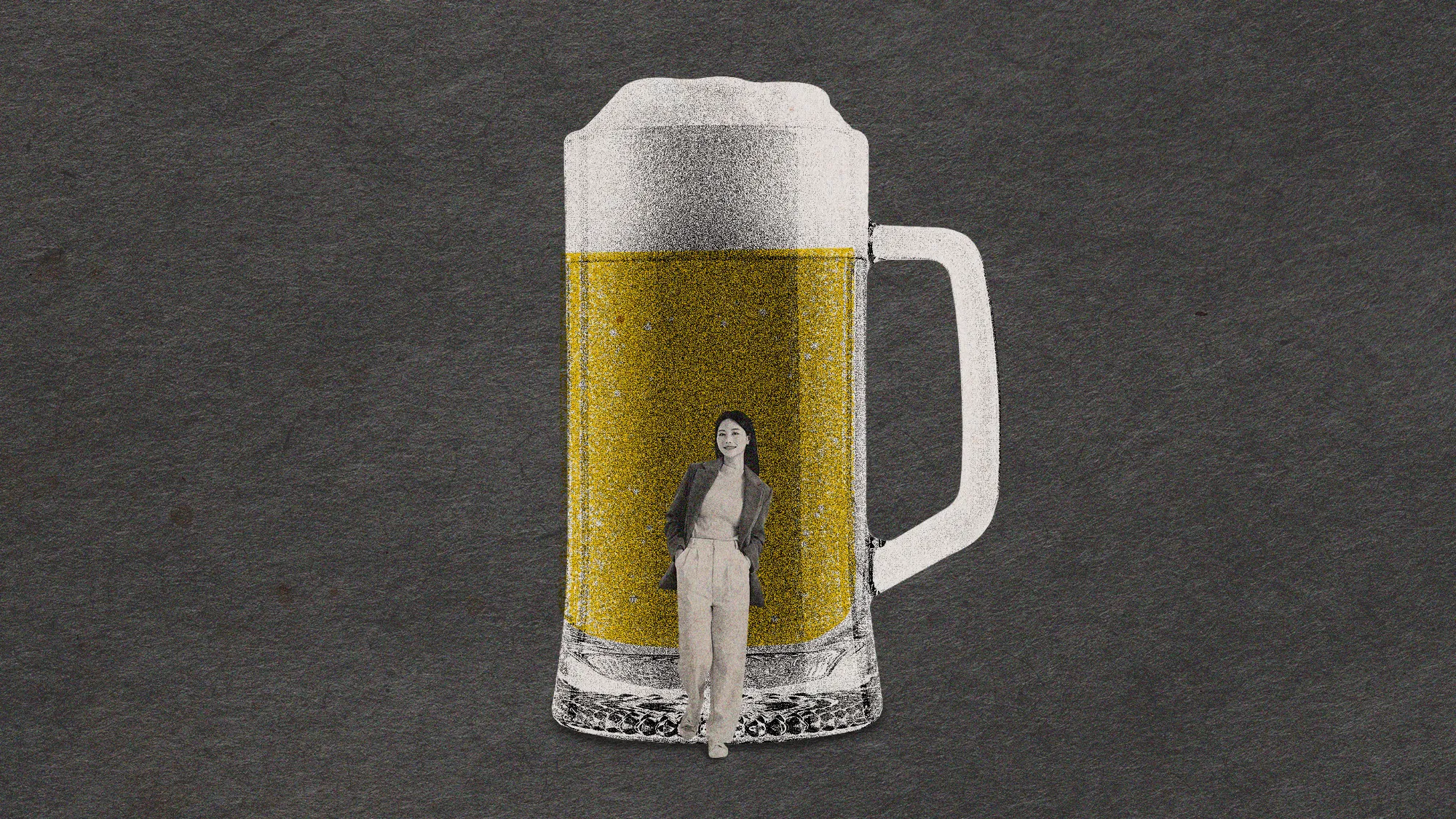
Heavy-drinking culture in South Korea has long been male-dominated and fueled by corporate workplace and business traditions. Over the past decade, rates of high-risk drinking for men — defined as seven or more shots of soju rice wine or five cans of beer in a single sitting at least twice a week — have fallen significantly among all age groups. But among women, the trajectory has been the reverse.
While heavy drinking has become far less common at company dinners, tippling has “quietly moved into the home,” said Aju Press, a South Korean news agency. For many women, alcohol has become “more varied, more accessible and more seamlessly woven into everyday life.” One “popular explanation” is that more women have entered the workforce and become “exposed to Korea’s long-standing drinking culture,” while still shouldering the “double burden” of juggling childcare and household responsibilities.
Still, it’s “difficult to attribute the increase solely to stress,” said Kim Yoon-tae, a sociology professor at Korea University. There’s a broader cultural shift afoot. As women’s “economic and social participation has expanded, there may be more occasions when they drink at workplaces or social gatherings” like networking events. Drinking “remains a strong part of social culture.”
Despite the shift, men still outpace women on “every indicator,” drinking substantially more, said The Korea Times. And while South Korea’s overall high-risk drinking rate may have “come down somewhat over the past decade,” it’s still “near the top by international standards,” said Seoul Economic Daily. Its monthly binge-drinking rate ranks fifth-highest among 27 developed countries, according to the Organization for Economic Cooperation and Development. |