Liechtenstein, a majority-Catholic country of 42,000 situated between Switzerland and Austria, has some of the most restrictive abortion laws in Europe. And its ruling prince is expected to veto an initiative passed by the country’s parliament that would legalize abortion during the first 12 weeks of pregnancy.
The tiny Alpine principality is “one of the few places on earth where a royal family still reigns with real political power,” said The Australian Women’s Weekly. Unlike other European monarchies, Liechtenstein’s constitution allows the prince to dismiss governments, appoint judges, call referendums and veto legislation.
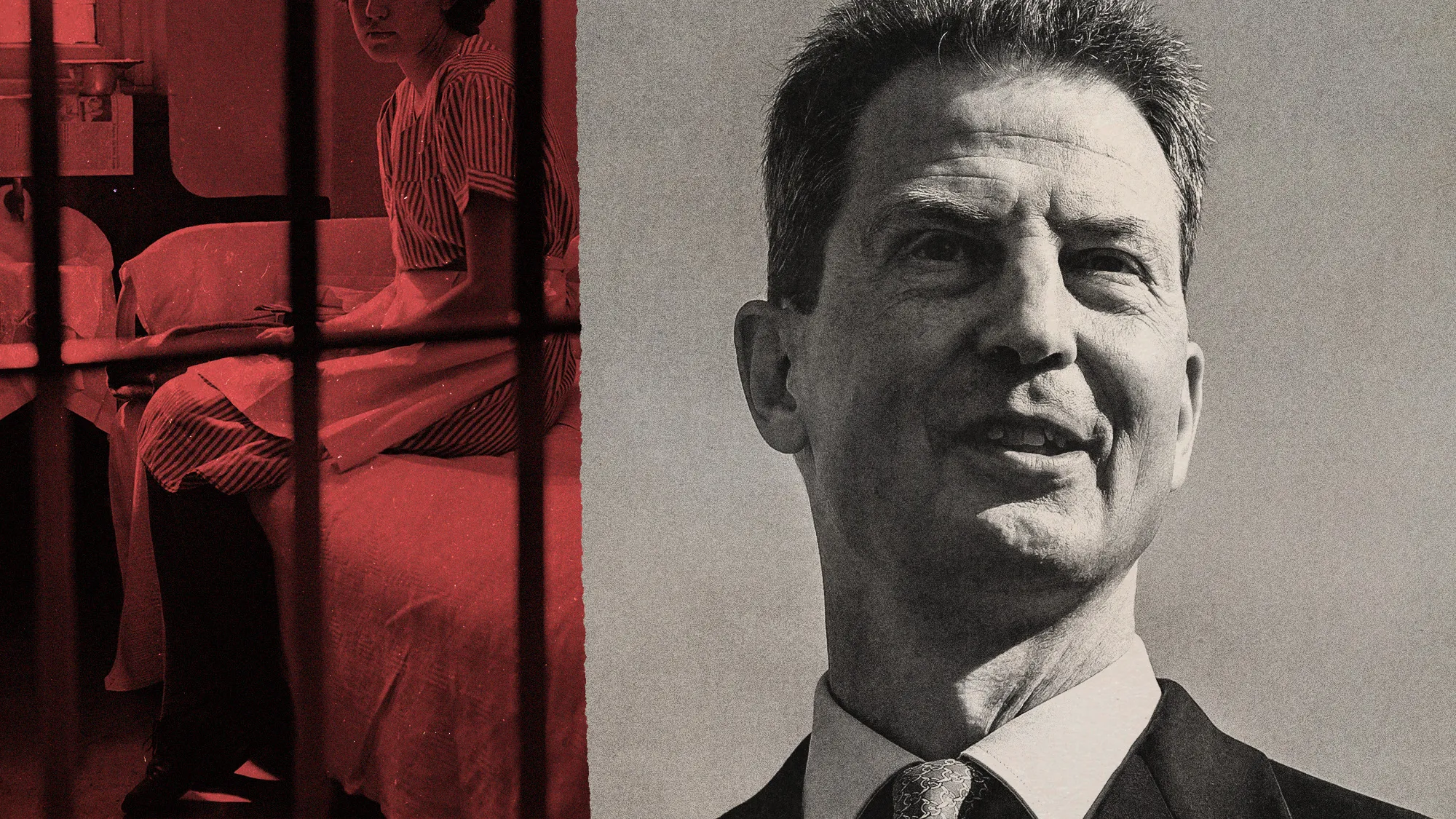
Earlier this month, Liechtenstein’s parliament, the 25-seat Landtag, voted 13-12 to back a citizens’ initiative that would legalize abortion during the first 3 months of pregnancy. However, the initiative is unlikely to become law. Prince Alois (pictured above, right), who serves as regent for his father, Prince Hans-Adam II, indicated to a Liechtenstein newspaper that he would veto any legislation of this kind, citing the “central legal interest of the protection of life.”
The last time legalizing abortion was put to a public vote, back in 2011, the royal family also threatened to use its veto power if the measure passed. It was narrowly rejected by 52.3% of the electorate. And the ruling princes threatened to leave the country if voters took away their veto power in a subsequent referendum. Such a step would have “plunged our nation into a severe crisis,” said Gabriella Alvarez-Hummel, a campaigner from Liechtenstein focused on reproductive rights, at The Guardian. That’s why more than a decade later, “speaking out in favor of legalizing abortion is regarded as speaking out against the monarchy.” |