The killing of a woman in Okinawa has sparked an outcry across Japan and inflamed long-simmering tensions over the U.S. military’s presence on the island. Japanese Prime Minister Sanae Takaichi urged U.S. authorities to “enforce stricter discipline” of their troops in light of the “brutal and heinous” killing.
Devin Ballard, a 20-year-old U.S. Marine, was arrested on Sunday on suspicion of strangling Anna Yagi, 39, whose body was found at a hotel in Naha, Okinawa’s largest city. He denied the allegations. Ballard will remain in Japanese custody and, if convicted, could face life in prison or the death penalty.
The incident, and the protests it sparked, are grimly familiar. Crimes involving U.S. troops stationed on Okinawa have been a constant source of tension between Tokyo and Washington. Most of the 54,000 troops in Japan, and 70% of their military facilities, are based on the island.
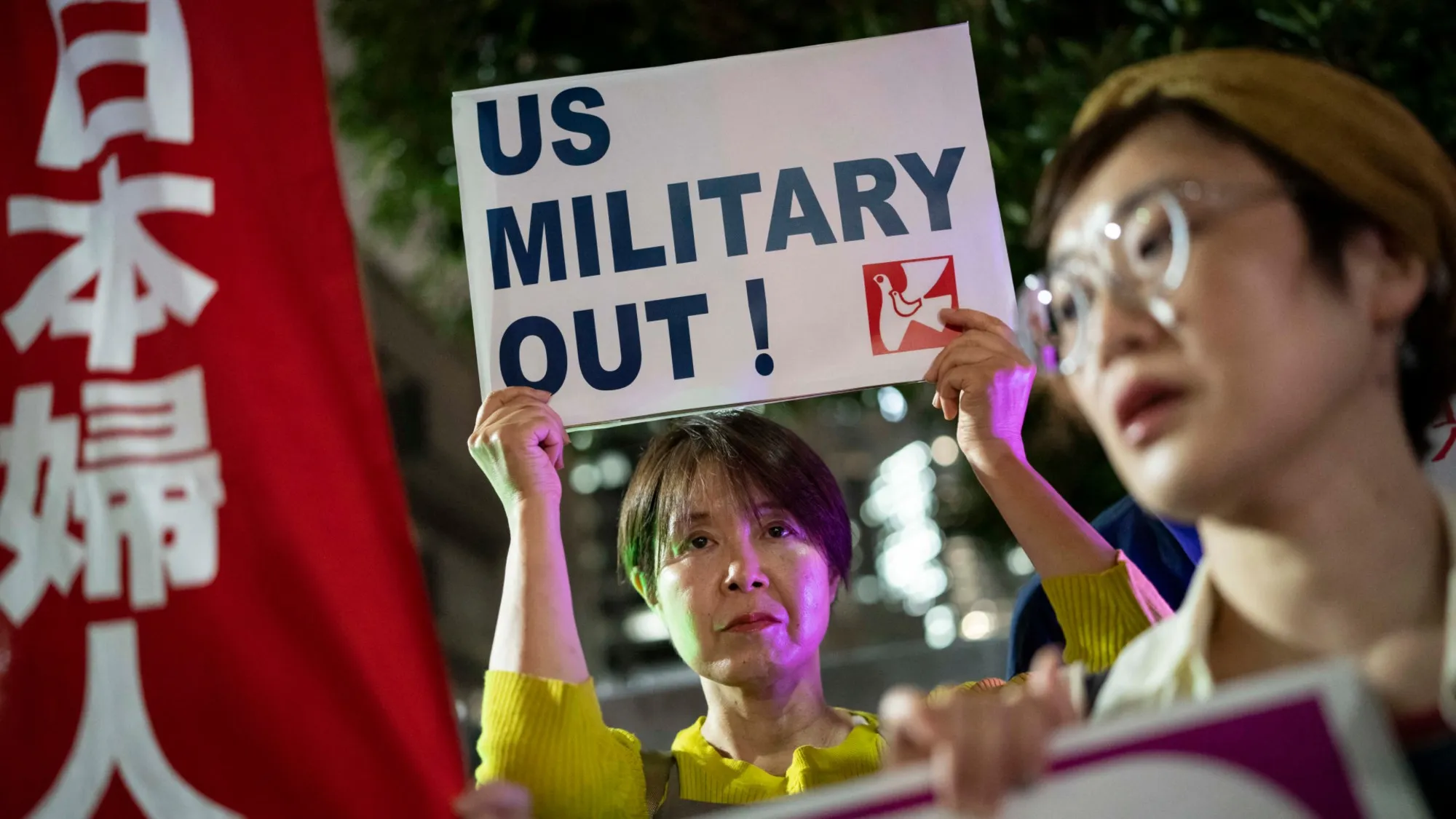
In 1995, when three American servicemen raped a 12-year-old girl, tens of thousands of people protested for months, intensifying “anti-U.S. sentiment” in Okinawa, said The Guardian. And when a teenage girl was raped by a serviceman in 2024 — one of four sexual crimes linked to military personnel that year — the “anger erupted again.”
For decades, the people of Okinawa “have “expressed countless times their opposition to and anger at the U.S. military presence,” said Kozue Akibayashi, a professor of global studies at Kyoto’s Doshisha University, to Al Jazeera. But Tokyo has “chosen the U.S.-Japan alliance over the safety and lives and voices” of its people. |