What happened
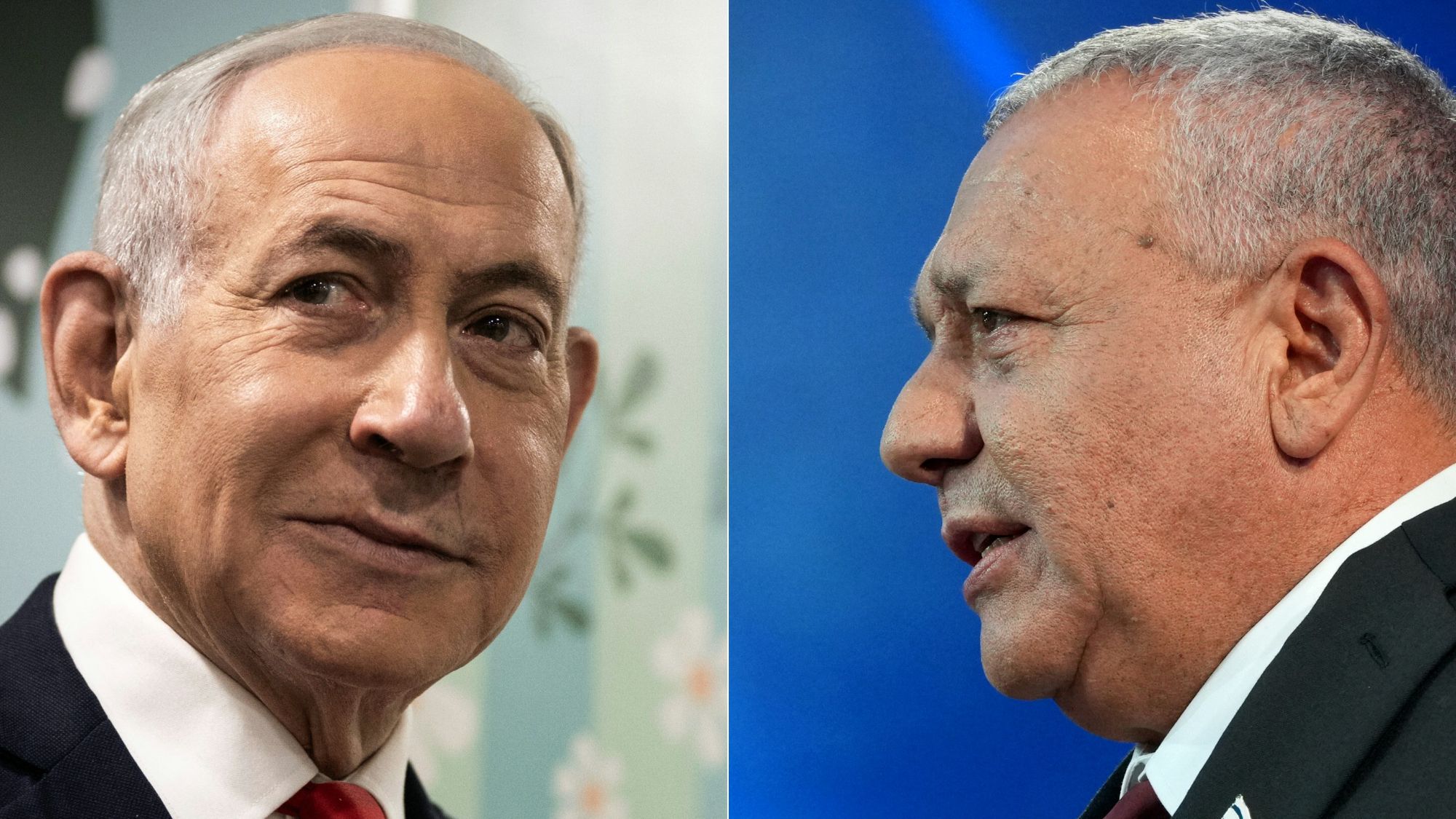
Israeli Prime Minister Benjamin Netanyahu lost his governing majority in yesterday’s national elections, according to early results and exit polls. But the opposition bloc, led by Gadi Eisenkot, was also far short of the 61 Knesset seats needed to form a government. Turnout, at 77.7%, was the highest since 1999.
With 70% of votes counted, Netanyahu’s far-right coalition had 44.2% while Eisenkot’s centrist bloc had 37.1% and Arab parties, in a historically strong showing, held 15.1%. According to Israeli news networks, Netanyahu will control 54 seats, Eisenkot 47 and the Arab parties 19.
Who said what
Netanyahu’s Likud looks set to remain the “largest single party” in Israel’s parliament, CNN said, but his “bloc of ultra-Orthodox and far-right allies” will “collapse” from their current 68 seats, signaling a “crash in public support.” Exit polls, “which have a spotty record in Israel,” point to “weeks of political gridlock,” The New York Times said, but that didn’t stop Netanyahu and Eisenkot from “making triumphant late-night speeches to their supporters.”
Israel “has voted for change,” Eisenkot said. And a “worthy leader would acknowledge this lack of public confidence” and retire “from political life today.” Netanyahu claimed a “clear, decisive majority among the Zionist public” and “Jewish population” and called for a “strong, right-wing, nationalist government.”
What next?
After all votes are counted, which could take until Friday, Israeli President Isaac Herzog will invite either Eisenkot or Netanyahu to try to form a government. Many experts see the most likely scenario being a “hung parliament that ultimately heads to another round of elections” early next year, The Wall Street Journal said, “with Netanyahu hanging on as a caretaker premier.” |