The Week The Week
flag of US
US
flag of UK
UK
https://cdn.mos.cms.futurecdn.net/flexiimages/jacafc5zvs1692883516.jpg

SUBSCRIBE & SAVE

Less than $3 per week

Sign in
  • View Profile
  • Sign out
  • The Explainer
  • The Week Recommends
  • Newsletters
  • Cartoons
  • From the Magazine
  • The Week Junior
  • Student Offers
  • More
    • Politics
    • World News
    • Business
    • Health
    • Science
    • Food & Drink
    • Travel
    • Culture
    • History
    • Personal Finance
    • Puzzles
    • Photos
    • The Blend
    • All Categories
  • Newsletter sign up Newsletter
  • The Week's Saturday Wrap
    Undoing a public health miracle, the rise of humanoid robots, and a Jan.6 conspiracy theory unravels

     
    controversy of the week

    Health: Will Kennedy dismantle U.S. immunization policy?

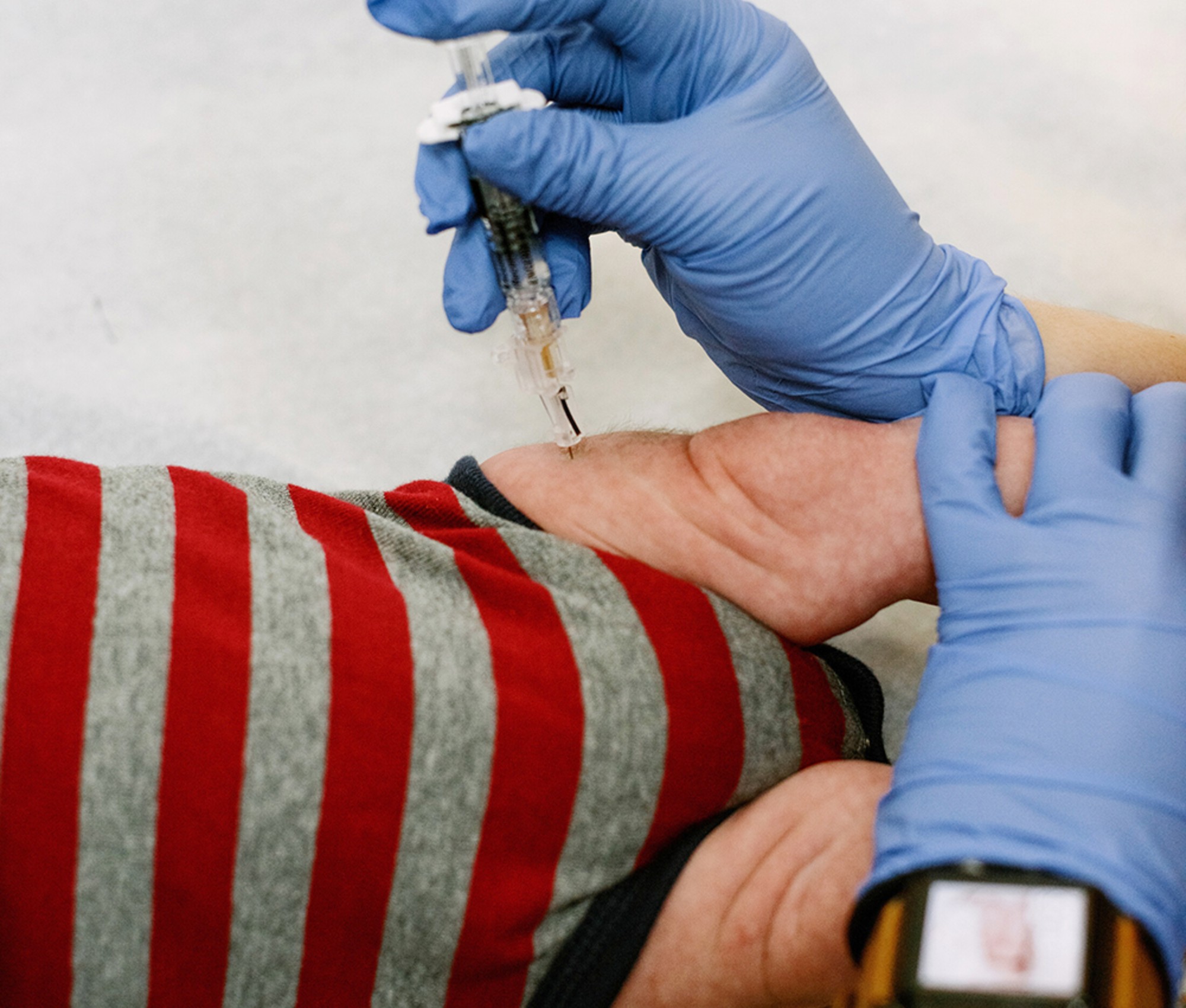
    “A seismic shift in the nation’s approach to public health occurred last week,” said Leana S. Wen in The Washington Post, and American children will suffer for it. Since 1991, the Centers for Disease Control has recommended all babies be immunized at birth against hepatitis B, a virus that attacks the liver. About 90% of infected babies develop the chronic version of the disease, which often culminates in fatal liver cancer. Under the CDC’s “universal birth dose” policy, mercifully, pediatric cases of hepatitis B have fallen from 18,000 in 1991 to only 20 a year now. But the CDC’s Advisory Committee on Immunization Practices—packed with anti-vax allies of Health and Human Services Secretary Robert F. Kennedy Jr.—voted 8-3 last week to undo this miracle of public health. If acting agency director Jim O’Neill accepts the panel’s decision, the CDC will recommend that only the babies of mothers who test positive for hepatitis B be vaccinated at birth. Those who test negative will be advised to talk with their doctors about “when or if” to vaccinate and will have to wait two months to start the three-dose regimen. “Why change a policy that has been so effective?” Because Kennedy and his allies share a gut feeling, unsupported by science, that vaccines are not “lifesaving tools” but rather “a source of harm.”

    Kennedy has claimed that hepatitis B is spread only through sexual activity and needle sharing, said Jonathan Cohn in The Bulwark. If true, that would obviously reduce the urgency of vaccinating newborns...but it’s not true. This highly contagious virus can survive up to a week on surfaces, and infants contract it by sharing toys or utensils with infected family members. Other critics of the current CDC guidelines, including members of the panel, also cite the example of Denmark, which recommends vaccination at birth only for babies of infected mothers. But unlike the U.S. (population 340 million), Denmark (population 6 million) has a “well-tended universal health care system” that can identify those infected mothers before they give birth. 

    Expect to hear more about Denmark, said Lauren Gardner in Politico. After the vote, Trump ordered Kennedy to review “best practices” in “peer, developed countries” and to update the U.S. vaccine schedule accordingly. No prizes for guessing what this review will conclude, said Tom Bartlett in The Atlantic. Among the supposed experts who presented to the panel last week was Kennedy ally Aaron Siri, a lawyer who has petitioned the government to stop distributing the polio vaccine. “He used his time to spell out his doubts about the childhood-vaccine schedule.” And the panel has other ways to weaken childhood vaccinations: Its chair said it will examine the aluminum salts added to many vaccines to trigger a stronger immune response. The amount of aluminum in shots is paltry, less than what naturally occurs in breast milk, and a ban would “upend childhood immunization in the U.S.” But that, of course, is what Kennedy and his “allies have wanted all along.” 

    It isn’t just children, said Dylan Scott in Vox. The CDC has already “walked back” its recommendation that most adults get Covid shots, and the FDA announced this week it was investigating “deaths potentially related to Covid vaccines.” Is there evidence of such deaths? Not that the FDA has shared. But evidence hardly matters to people whose goal is the dismantling of medical science. Maybe a surge in pediatric hepatitis cases will spark a backlash and end this nightmare. For now though, “America’s vaccine playbook is being rewritten by people who don’t believe in them.” 


    VIEWPOINT

    Six degrees of immigration

    “Virtually everyone in the U.S. today knows someone, has hired someone, or works with someone who is an immigrant, or has someone in his or her family who is or was an immigrant, [including] President Trump’s mother and his first and third wives. Every day, ‘native-born’ Americans see that the majority of people who fill in potholes, do construction work, landscape, mow lawns, and paint houses tend to be immigrants. A glance at their work at 7 a.m. in the cold and the rain shows that they are hard workers. Daily observations and experiences like these explain why nearly 80% of Americans say immigration is ‘a good thing’ for America.” 

    Thomas Dichter in The Dispatch


    briefing

    The robot revolution

    Advances in tech and AI are producing android machine workers. What will that mean for humans?

    What is in the pipeline? 
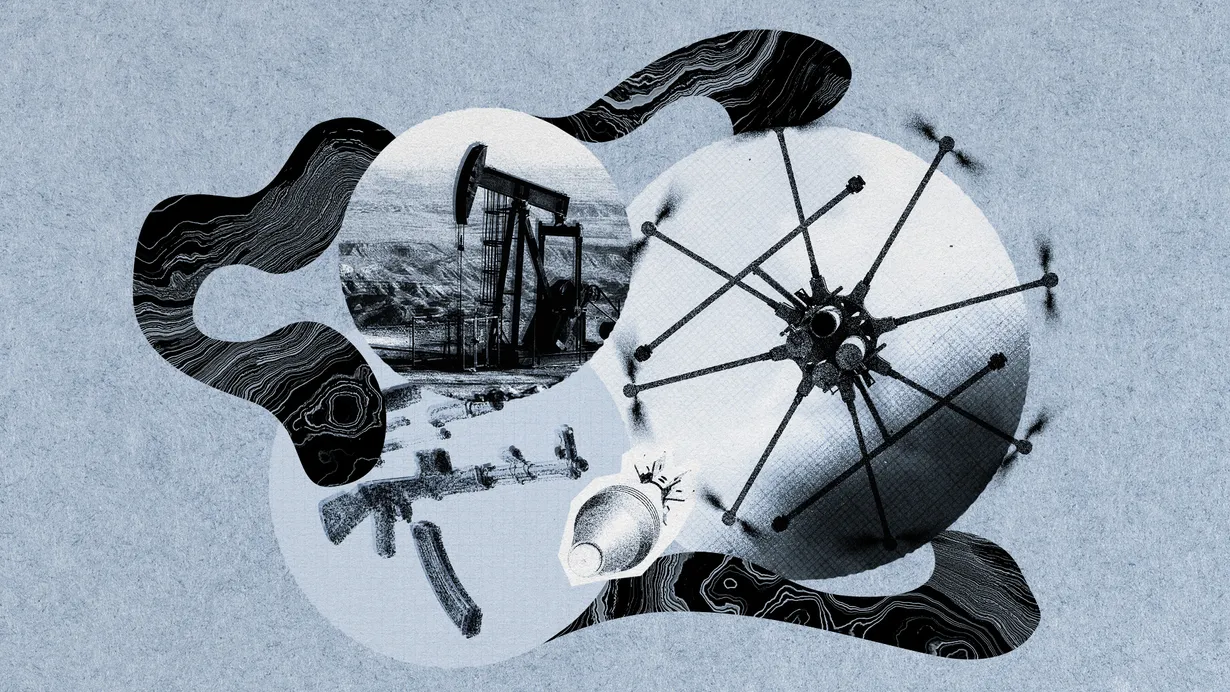
    Humanoid robots that can obey commands, make decisions, and deftly perform manual tasks have long been a sci-fi fantasy. Now they are becoming reality. Artificial intelligence, coupled with advances in robotics, has the potential to give humanoid robots unprecedented power to analyze, “think,” and learn. Tech evangelists say these robots will have a transformative impact on workplaces and even in our homes, and not in distant decades but in the next few years. Elon Musk believes robots will be “the biggest product ever in history.” His Tesla robot Optimus can already climb stairs and carry 45-pound objects, and he says Tesla will deliver a million units a year by 2030. By 2035, Citigroup predicts, some 1.3 billion robots will be in operation, both in industrial settings and in households, nursing homes, and construction sites. “By the 2040s,” said Adam Dorr, research director at the analytics firm RethinkX, “there will be almost nothing a robot can’t do better and cheaper than a human.” 

    Where are robots used now? 
    China already has more than 2 million of them working in factories, and the U.S. is rushing to catch up. In workplaces across America, robots are lifting boxes, transporting goods, even flipping burgers. At a Spanx warehouse outside Atlanta, humanoid bots pluck baskets of clothes from wheeled bots and set them on conveyor belts. To unpack trucks in several facilities, the shipping company DHL uses wheeled Stretch robots from Boston Dynamics, which can lift 50-pound boxes using flexible arms covered in vacuum suction cups. Just one can unload nearly 600 cases per hour, nearly double what humans can do. BMW just finished a pilot program in Spartanburg, S.C., where robot tasks included loading sheet metal parts into a welder. Even small firms are getting in on the action. Greg LeFevre is CEO of Raymath, a metal-fabrication company in Troy, Ohio. His factory is using 13 robot arms, supervised by his human employees, and he says the machines can work around the clock and can execute tricky aluminum welds “anywhere from two to six times faster” than a person. But it’s the nation’s second-largest private employer, Amazon, that is taking the biggest leap. 

    What is Amazon doing? 
    It has a million robots working in various capacities and says some 75% of its global deliveries are assisted by robotics. At its 3-million-square-foot “next generation” facility in Shreveport, La., some 1,000 robots of various shapes and sizes shuttle pallets across floors, pluck items from storage bins, and load packages onto carts. Citing internal documents, The New York Times reported last month that Amazon is on track to replace some 600,000 jobs with robots in the coming years, even with sales projected to double by 2033. Its transformation will be closely watched, said Daron Acemoglu, an MIT professor who studies automation. “Once they work out how to do this profitably, it will spread to others too.” 

    What other uses do robots have? 
    Robot enthusiasts say the next frontier after warehouses and factories will be homes. The California robotics firm 1X Technologies is taking $20,000 preorders for its Neo robots, with expected delivery next year. The 5-foot, 6-inch humanoids—which currently require remote human operators to joystick them around but will eventually be autonomous—will not just clean toilets and load dishwashers. They’ll also be able to share jokes and engage in “lively, natural conversations,” says the firm. CEO Bernt Bornich believes users will rely on them for both cleaning and companionship. “I don’t think it’s another person, and it’s not a pet,” he said. “It’s something else.” 

    Will we all be out of work? 
    There’s no question robots will take away some jobs, but the net effect is a matter of debate. Tech CEOs are quick to say that in fact new higher-skilled jobs will be created—like the position of robot wrangler—and that robots will largely fill dull jobs that most people don’t want. The bots unloading DHS trucks, for example, do “the most hated job in a warehouse,” said Marc Theermann of Boston Dynamics. But some scientists say the robot revolution is still far off, because the machines still have significant physical limitations. Those who think android plumbers and cooks will soon proliferate should “reset expectations,” said Ken Goldberg, a roboticist at University of California, Berkeley. For one thing, it’s proved very hard to endow them with the dexterity to manipulate objects, such as “pick up a wine glass or change a light bulb,” he said. “No robot can do that.” 

    But are those breakthroughs coming?
    Robot evangelists say yes. They say robots are learning so quickly that their advent will inevitably lead to labor-market upheaval. Kavin, a 27-year-old who helps train AI robots to fold clothes in India, says the humanoids aren’t perfect. “Sometimes the robot’s arms throw the clothes,” he says. “Sometimes it scatters the stack.” But he says they’re improving to the point where soon, “they’ll be able to do all the jobs, and there will be none left for us.” Anticipating pushback over mass layoffs, Amazon is reportedly developing plans to mitigate the fallout through community outreach, and other companies are commissioning studies on possible impacts. “We’re basically going to live in a world,” says Brett Adcock, CEO of Figure AI, “where any physical labor is a choice.”



    Only in America

    The State Department is denying visas to foreigners who have worked as fact-checkers. A directive leaked to Reuters instructs staff to “thoroughly explore” applicants’ employment histories, and rule “ineligible” anyone who has worked in content moderation, fact-checking, or identifying “misinformation.” A State Department official said the Trump administration does “not support aliens coming to the United States to work as censors muzzling Americans.”


    talking points

    Pipe bombs: The end of a conspiracy theory?

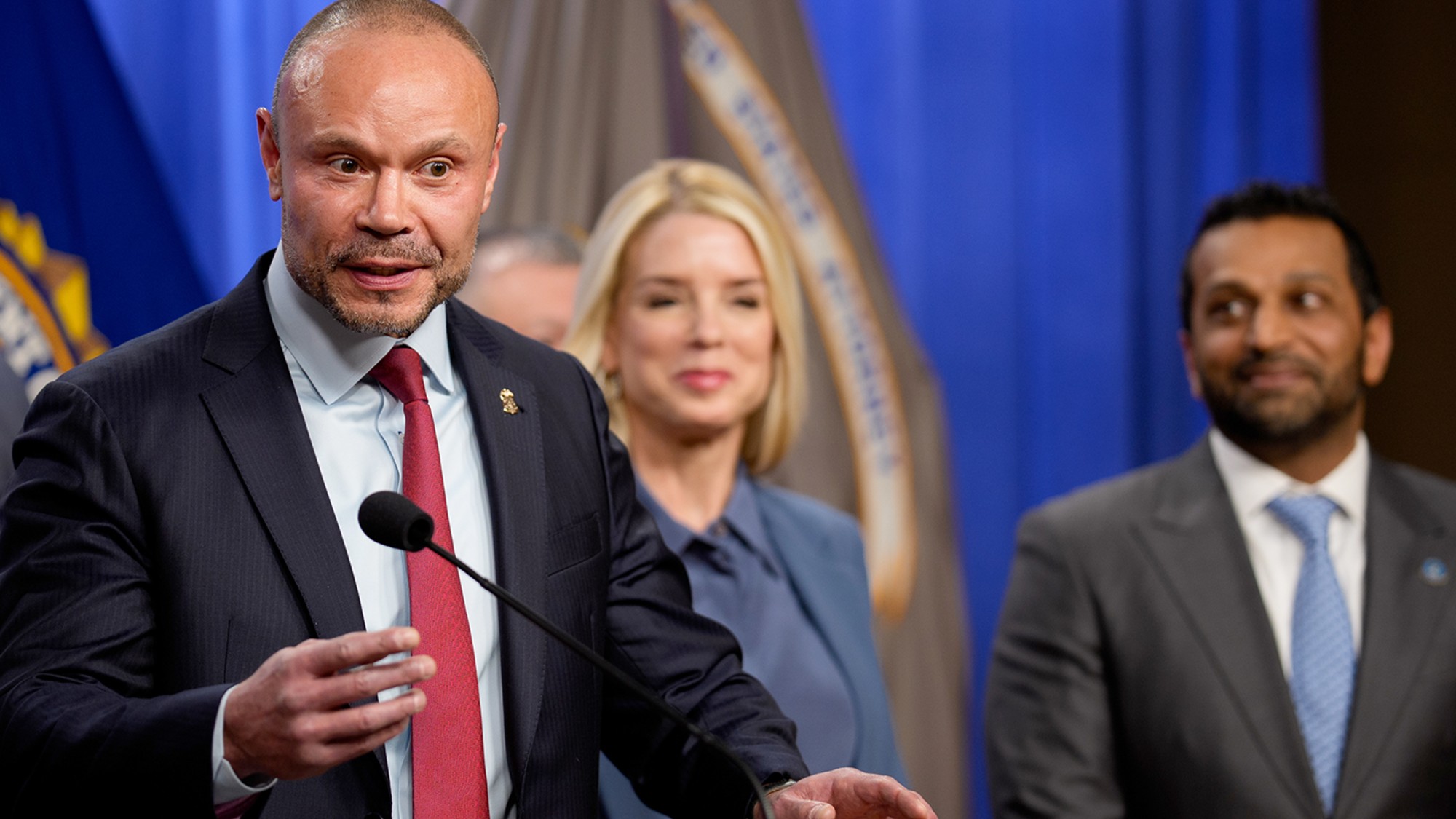
    “After a five-year manhunt that fueled intense speculation and conspiracy theories,” said Kyle Cheney in Politico, we may finally know who planted pipe bombs near the U.S. Capitol before the Jan. 6, 2021, riot. The FBI announced last week that it had arrested Brian Cole Jr., 30, at his Virginia home on suspicion of leaving the deadly devices outside the Democratic and Republican national party headquarters. “No new tip led to Cole’s arrest.” Instead, investigators scoured the mountains of already collected evidence, including phone tracking data and bank records that show Cole—who allegedly told agents he believed President Trump’s claim that the 2020 election was stolen—bought galvanized pipe, timers, and other bomb components. This is “compelling circumstantial evidence,” said former U.S. attorney Joyce Vance in her Substack newsletter. Yet rather than explain her case, Attorney General Pam Bondi used a press conference to falsely claim the Biden administration had failed to aggressively investigate the plot. FBI Deputy Director Dan Bongino joined in the attack, saying it was refreshing to have a president who actually goes after “the bad guys.” 

    Bongino’s triumphalism is “more than a little ironic,” said Jim Geraghty in National Review. The former Fox News host spent years insisting the pipe bombs were part of an elaborate Deep State hoax, claiming the plot was “a freakin’ inside job” intended to tar Trump and the MAGA faithful as violent terrorists. In a February episode of his podcast, Bongino even called the pipe bombs “the biggest scandal in U.S. history” and argued that former vice president Kamala Harris may—“in some fashion”—have helped cover up the truth. Yet now that the agency he leads has demolished that “vast conspiracy theory,” Bongino wants us to forget all the nonsense he spouted. “I was paid in the past, Sean, for my opinions,” he told Fox News’ Sean Hannity last week. Now “I’m paid to be your deputy director, and we base investigations on facts.” 

    Sorry, but conspiracy theories don’t die that easily, said Will Sommer in The Bulwark. Despite Bongino and Bondi’s attempt at truth telling, the MAGAverse is still convinced the Deep State is responsible. Hard-right Rep. Thomas Massie (R-Ky.) said he’d never believe Cole was a Trump supporter or “lone wolf,” while Infowars host Breanna Morello claimed without evidence that one of the case’s prosecutors was somehow compromised. To accept Cole is just another election denier would blow up their whole worldview. And perhaps just as importantly, if Cole did plant the bombs, there’d be “no conspiracy theory for right-wing media to keep pursuing.” And that would be bad for business.


    It wasn't all bad

    Dog days” have a whole new meaning after a record number of golden retrievers gathered in a park in Buenos Aires last week. Over 2,300 pooches and their owners traveled from across Argentina to break an informal world record. “We witnessed something historic,” said Fausto Duperre, the event’s organizer and an influencer known for his 10-year-old golden. The number to beat was the 1,685 golden retrievers who crowded into an event in Vancouver in 2024. Ten volunteers with clipboards registered every tail-wagging pup. Attendee Elena Deleo, 64, said the event was surprisingly chill. “They’re all affectionate and gentle. It was a very lovely experience.”


    people

    Why Ryder is happy to be 54

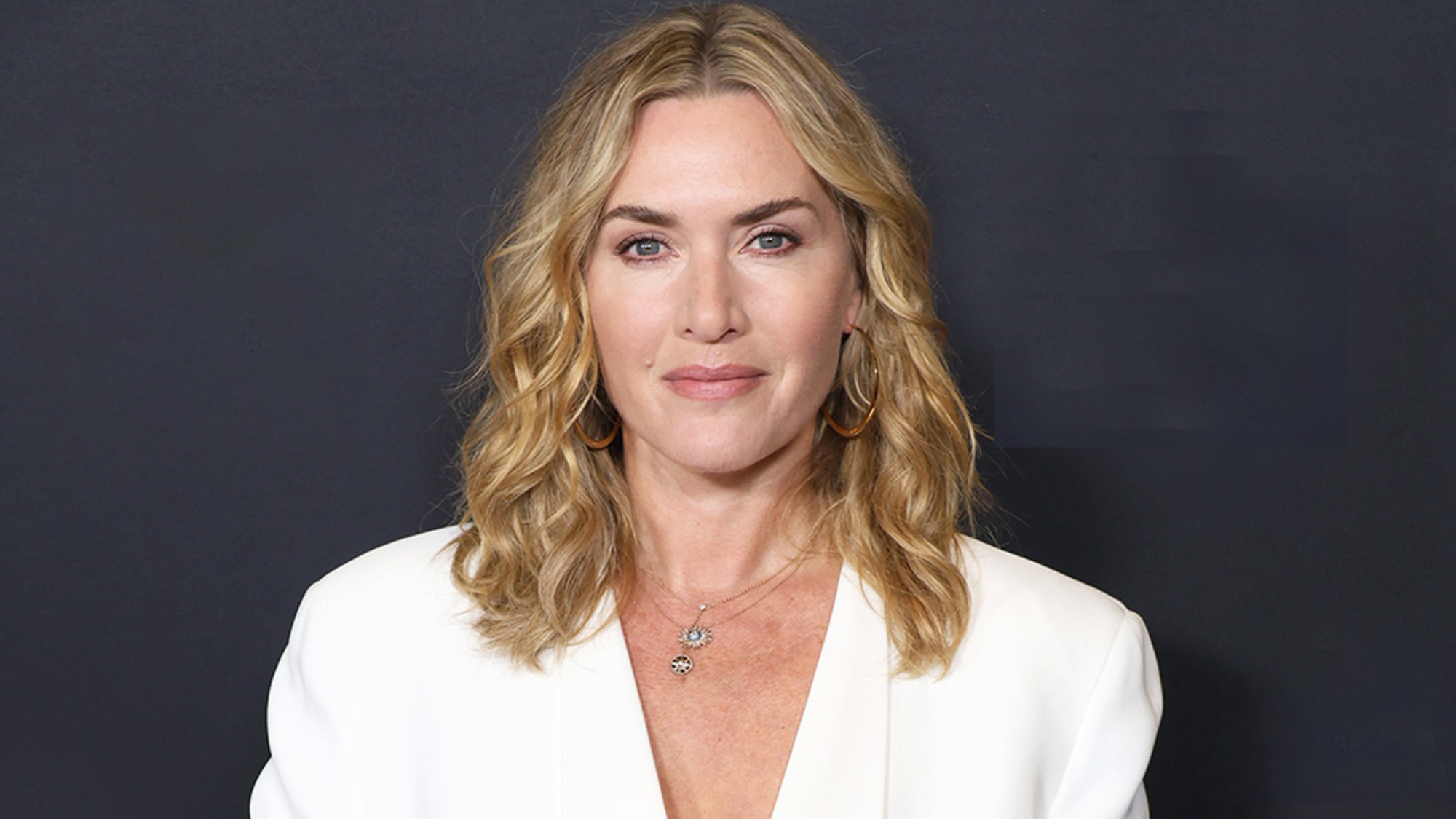
    Winona Ryder found fame playing moody but complex teenagers in Beetlejuice, Heathers, and Mermaids, said Tavi Gevinson in Interview. Now, at 54, she’s a Hollywood veteran who has learned to thrive in an industry that remains obsessed with youth. “I worry, just like anyone else, about continuing to work,” says Ryder. “I heard my whole life that women stop working once you become the mom”—a role that she’s now played for nearly a decade on Netflix’s Stranger Things. “I remember running into some of my favorite actresses when they were in their 40s who were like, ‘It’s pretty bleak. I’ve been offered a witch role’—before witches were cool.” As a former teen star, Ryder says she’s had to contend with the idea that “you’ll always be the age of your biggest or your first thing. That’s hard to get your head around if you are interested in growing.” When she does interviews, she knows people often want to ask, “‘What is it like to be so old?’ And it’s going to hurt unless you just embrace it.” Which is exactly what Ryder says she’s done. “Getting older, there are things that obviously suck, like bone density, but there’s so much great stuff with it. With what’s happening in the world and with AI, it’s scary. I’d kind of hate to be 22 right now.”


    Saturday Wrap was written and edited by Theunis Bates, Chris Erikson, Bill Falk, Allan Kew, Bruno Maddox, Tim O'Donnell, Zach Schonbrun, and Hallie Stiller.

    Image credits, from top: Kristian Thacker / The New York Times / Redux; Agibot; Getty; Getty
     

    Recent editions

    • Evening Review

      Not long for Noem?

    • Morning Report

      Trump’s Hoosier fumble

    • Evening Review

      Patel’s political retribution?

    VIEW ALL
    TheWeek
    • About Us
    • Contact Future's experts
    • Terms and Conditions
    • Privacy Policy
    • Cookie Policy
    • Advertise With Us
    • FAQ
    Add as a preferred source on Google

    The Week is part of Future US Inc, an international media group and leading digital publisher. Visit our corporate site.

    © Future US, Inc. Full 7th Floor, 130 West 42nd Street, New York, NY 10036.