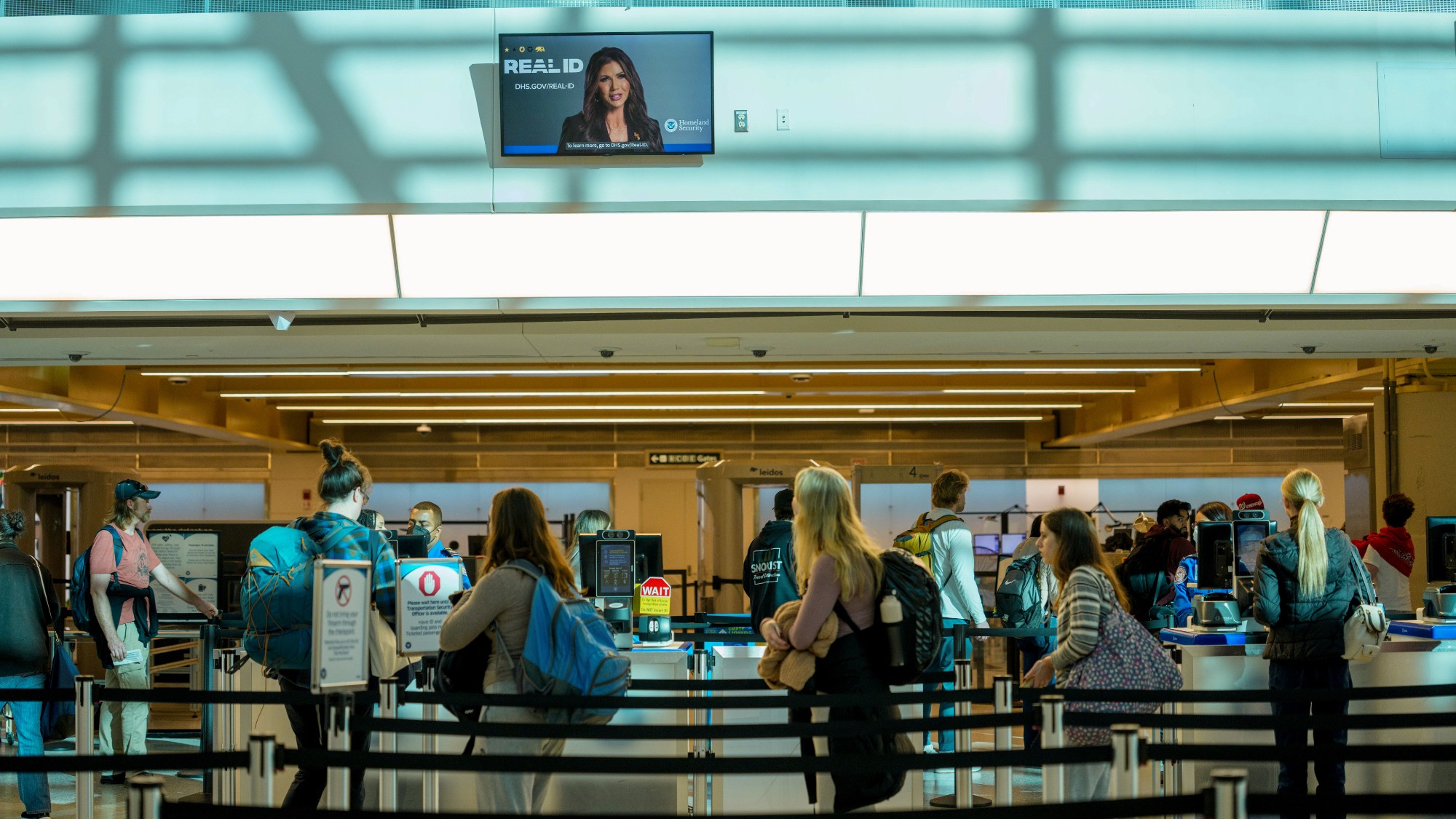
“Planning to visit the U.S.?” asked Eleanor Limprecht in The Guardian. “Don’t.” In the latest escalation of President Trump’s efforts to restrict entry into the country, Customs and Border Protection last week unveiled “new invasive requirements” it may impose on tourists from 42 visa-exempt nations, including allies such as the U.K., France, Australia, and South Korea. Visitors may soon have to provide five years’ worth of social media history, as well as every email address used in the past decade and contact information for relatives. The new requirements for visiting tourists may also include biometric data like fingerprints, iris and face scans, and DNA. These changes aren’t definite yet, with CBP accepting public comment for 60 days, but the proposal vividly illustrates how “Trump’s America has become an unwelcoming country of deep divisions and waning trust.” Plenty of nations “welcome visitors without trawling their political opinions and family history,” so if I were a tourist, “I’d pick a less totalitarian place to travel.”
“We live in dangerous times,” said Andrew Stuttaford in National Review, and the government has the right to decide who enters the country. But this is “a snoop too far.” Allies will view this Orwellian regime as “unfriendly,” and it could “invite retaliation against American travelers.” A policy of policing the speech of visitors could be abused by future administrations, “whether MAGA or woke, unwilling to allow foreigners with whom it disagreed into the country.”
Scaring off tourists is “bad for American businesses,” said Emma Camp in Reason. We’re already predicted to lose $12.5 billion in spending by international visitors in 2025. The “most concerning” feature of this directive is its vagueness. It’s unclear what would disqualify someone from entering the country: Praising a terrorist group? Condemning Israel’s war in Gaza? Or perhaps “posts that simply criticize Trump?” Those “distinctions matter,” said The Washington Post in an editorial. This administration has demonstrated a tendency “to blur speech it does not like with over-torqued claims of national security threats.” Because these intrusive searches target foreign visitors, not U.S. citizens, they may not violate constitutional rights, “but it certainly breaks with the spirit” of our founding principles. Scouring years of visitors’ social media history would also force us to cede “the free-speech high ground,” putting us alongside nations like Russia and China. That’s pure “lunacy.” |