The Colorado River is running dangerously low. States can’t agree how to share what’s left.
What’s happening to the river?
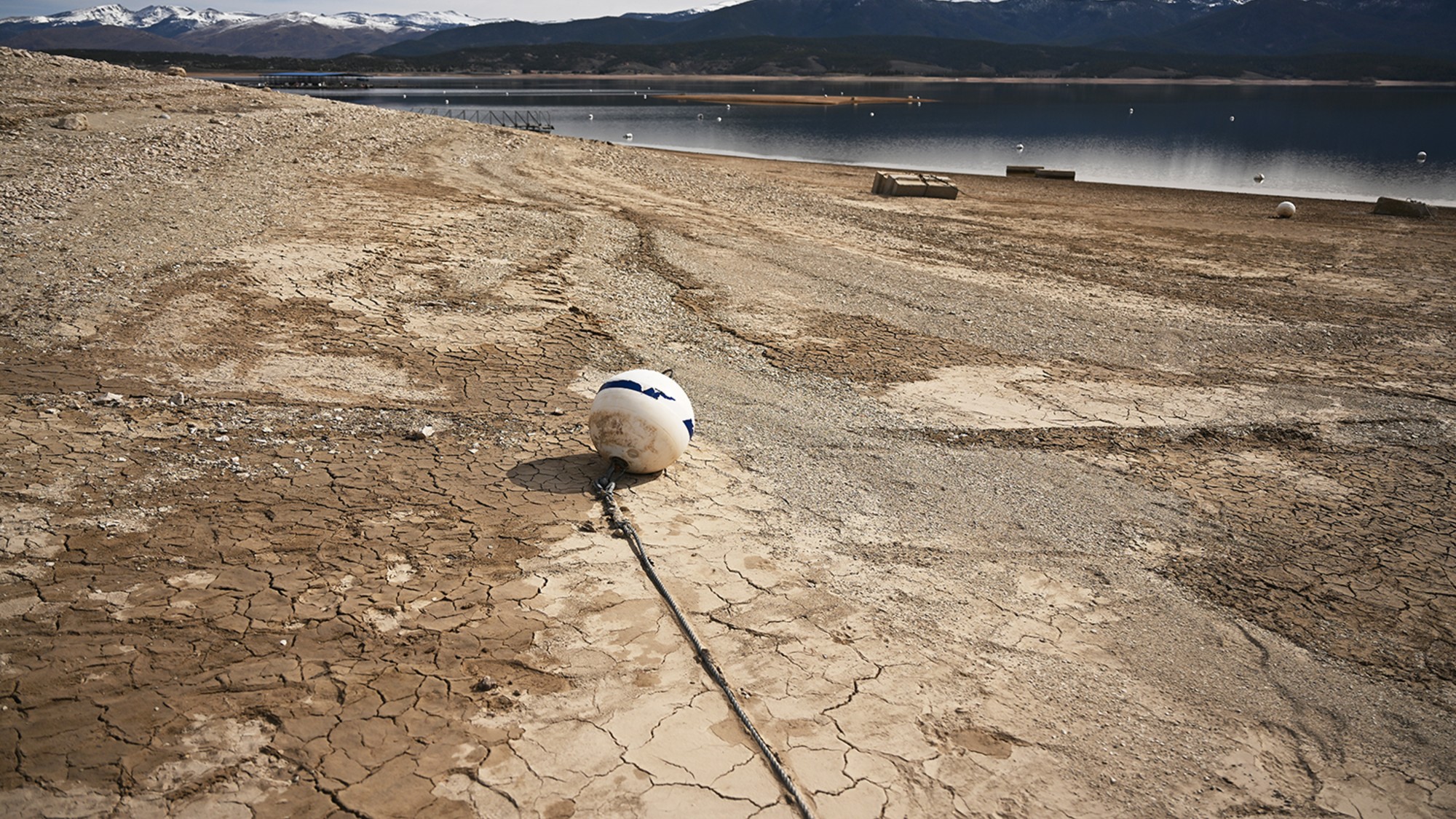
Running from the Rocky Mountains in Colorado to Mexico’s Gulf of California, the Colorado River is being pushed to the breaking point by years of drought and overuse. That dwindling flow is causing panic across the region because the river supplies water to more than 40 million people in seven Western states—Arizona, California, Colorado, Nevada, New Mexico, Utah, and Wyoming. It also provides power to more than 25 million people through hydroelectric dams at the nation’s two largest reservoirs: Lake Powell (in Utah and Arizona) and Lake Mead (in Nevada and Arizona). Water levels at both are down about 75% from peak volumes; declining water levels at Lake Mead could potentially reduce the Hoover Dam’s power generating capacity by 40% as early as this fall. And the situation will likely worsen as climate change accelerates and further dries out the West, with recent studies suggesting the river will provide 10% to 45% less water by 2050. With an October deadline looming for the seven states to agree on a new Colorado River Compact—the plan that governs how water is distributed between them—regional officials are under pressure to strike a compromise on steep water cuts. “Maybe this is the first worldwide climate-change crisis that’s going to force really fundamental policy-level decisions to be made,” said Brad Udall of Colorado State University’s Colorado Water Center.
How did the situation get this bad?
The entire Colorado River Basin has been in drought since 2000, with snow and rain down 7% from the 20th-century average. The snowpacks that feed the river hit their lowest level on record this year, with snow accumulations in Colorado’s high country peaking a month early in March and containing just half the average moisture. Even a rare May storm that dropped 30 inches of snow in parts of the Rockies offered little relief. But drought is just one of the basin’s problems. Struck in 1922 during an unusually wet period, the Colorado River Compact overestimated how much water the river could provide. Meanwhile, the demands for water keep rising as drought shrinks the flow. The semi-arid region’s population has exploded over the past century—the river served only 457,000 people in 1922—as has its agriculture sector, which now covers more than 5 million acres of farmland and accounts for 70% of all water use. Alfalfa grown for cattle feed swallows 26% of all water consumed in the basin, more than every city in the region combined. Former Upper Colorado River commissioner Anne Castle likens the demands on the river to “spending more money than you’re bringing in. You can pull on your savings, but your savings aren’t going to last forever.”
Are states willing to take less water?
In theory. But three years of talks on a new compact between the four upstream states—Colorado, New Mexico, Utah, and Wyoming —and the three downstream states of Arizona, California, and Nevada have yet to produce an agreement. The Lower Basin states recently proposed slashing their water allotments by about 20% annually and asked Upper Basin states to commit to permanent cuts to ensure water keeps flowing south. But Upper Basin states are wary of restrictions that would limit future development and stop them building new dams. “I see still a very large lack of skin in the game by the Upper Basin,” said Tom Buschatzke of the Arizona Department of Water Resources.
What’s the federal government doing?
To avert potential water shortages, the Interior Department in April sent billions of gallons from Wyoming’s Flaming Gorge Reservoir into Lake Powell. Up to a third of the water in Flaming Gorge could be let out over the next year to ensure Powell’s dam keeps generating electricity. The Upper Basin states only reluctantly agreed to the Flaming Gorge drawdown, which could put many boat ramps out of action at the popular tourist destination and also hurt local fish populations. “Our consideration and approval are not taken lightly,” said Wyoming state engineer Brandon Gebhart, “and we wouldn’t be recommending this release except for the historically dire conditions.”
What happens if states can’t reach a deal?
The Bureau of Reclamation, which oversees water in the West, will step in and impose cuts. Buschatzke said a plan under consideration by the Trump administration would slash the Lower Basin’s allocation by up to 40%—almost as much water as flowed from 19 million people’s taps in Southern California last year. For now, any breakthrough in compact talks seems unlikely. If anything, the recent releases by the Interior Department have exacerbated tensions, with Upper Basin states complaining they’ve already been forced to use less than the 7.5 million acre-feet allotted by the compact because dry conditions have cut their water supply by 25%. “The Upper Basin is proud to be part of the solution,” said Colorado water commissioner Becky Mitchell. “But we cannot be the entire solution.”
Could taps actually run dry?
It’s possible in some areas. The small desert town of Kearny, Ariz., gets its water from a reservoir on a Colorado tributary that’s only 2% full. Mayor Curtis Stacy has warned residents they could run out of water in July unless they take radical action now; he’s suggested washing clothes less often and showering together. Other towns and cities are rationing water just in case. Las Vegas, N.M., has barred restaurants from serving water to customers unless specifically requested. Denver and Aurora, Colo., have ordered cuts to outdoor watering. Climate change could force more communities to drastically reduce their water usage in coming years. “Just because we’re the first don’t mean we’ll be the last,” said Stacy. “We’re the canary in the copper mine.” |