The Week The Week
flag of US
US
flag of UK
UK
https://cdn.mos.cms.futurecdn.net/flexiimages/jacafc5zvs1692883516.jpg

SUBSCRIBE & SAVE

Less than $3 per week

Sign in
  • View Profile
  • Sign out
  • The Explainer
  • The Week Recommends
  • Newsletters
  • Cartoons
  • From the Magazine
  • The Week Junior
  • Student Offers
  • More
    • Politics
    • World News
    • Business
    • Health
    • Science
    • Food & Drink
    • Travel
    • Culture
    • History
    • Personal Finance
    • Puzzles
    • Photos
    • The Blend
    • All Categories
  • Newsletter sign up Newsletter
  • The Week's Saturday Wrap
    A Ralph Fiennes period piece, three bold Mexican gins, and a tale of hate and murder in Orange County

     
    FILM review

    The Choral

    Directed by Nicholas Hytner

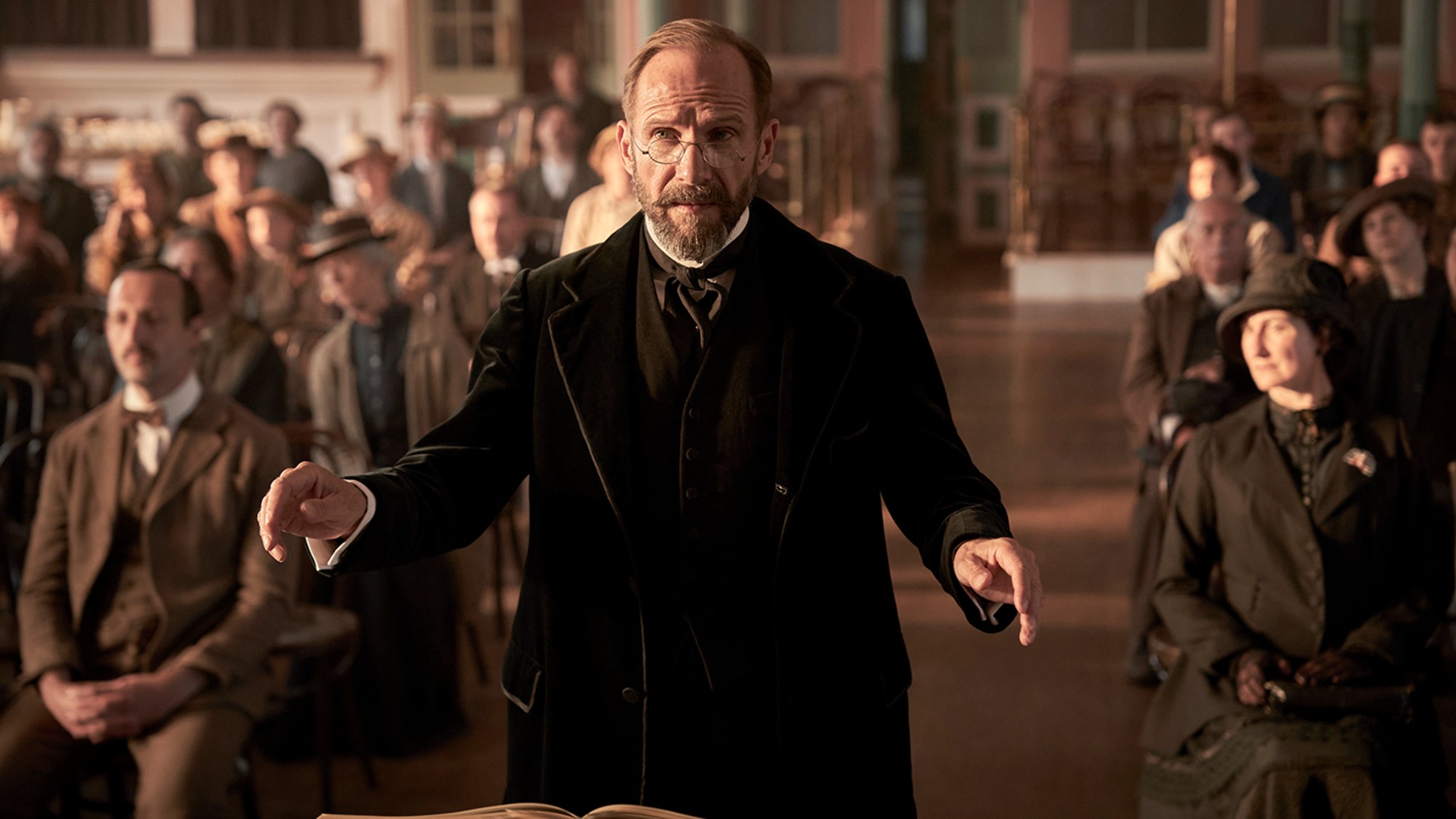
    The new period screen drama starring Ralph Fiennes is at its best “when it chafes quietly against our expectations of gentle British comfort viewing,” said Guy Lodge in Variety. In a small Yorkshire mill town, young men are shipping off to World War I’s battlefields and returning broken “if at all” when an outsider played by Fiennes is hired as the local church’s new choirmaster. But while director Nicholas Hytner bathes the proceedings in “a buttery gloss of tea-and-crumpets nostalgia,” screenwriter Alan Bennett, who was also Hytner’s partner for 1994’s The Madness of King George, ensures that the film “doesn’t culminate in the against-the-odds artistic triumph you might expect.” The story honors art more honestly and proves “never less than diverting.” To me, The Choral widely misses its mark, said Johnny Oleksinski in the New York Post. The rebuilt choir’s “scrappy, working-class, aurally iffy Brits” are “supposed to find healing, togetherness, and compassion through the power of music.” But Bennett’s script fails to even convince us that Fiennes’ Dr. Henry Guthrie teaches them anything, and the rest is “a cacophony of half-baked characters and rushed ideas that leaves you puzzled and unsatisfied.” So see the movie without trying to guess where it’s going, said Glenn Kenny in The New York Times. Sure, once Guthrie begins recruiting singers, his great find is a talented Black singer “beautifully played” by Amara Okereke. Past that discovery, though, the story’s dramatic swings turn out to be “gripping and unpredictable.” What’s more, “the film’s final shot will kick your heart into your throat.” (R)


    tv review

    Drops of God

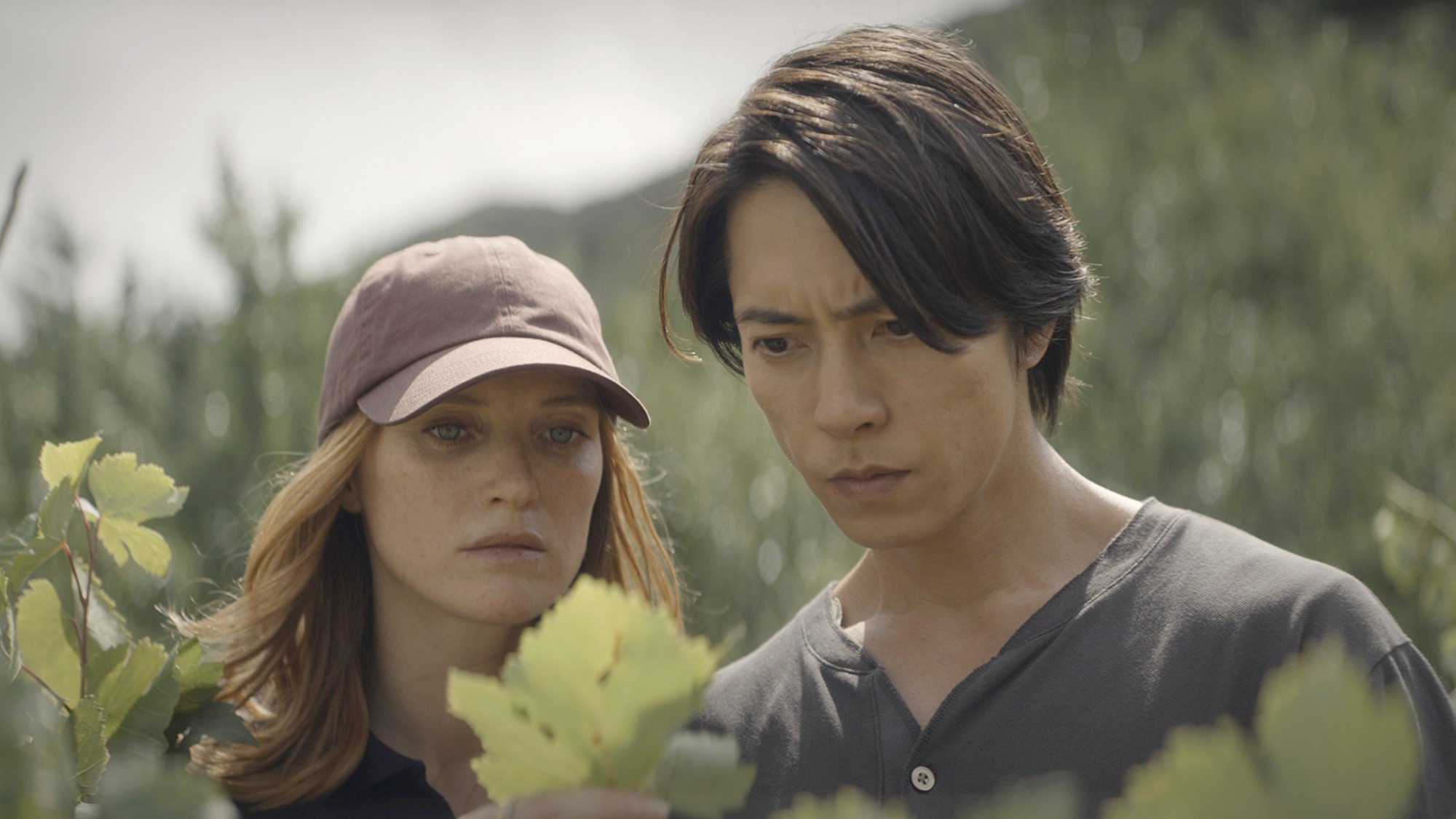
    Blood is thicker than water, but what about wine? In Drops of God’s first season, Camille and Issei fought head-to-head for the $148 million wine collection of Camille’s late father, a wine critic whose will prescribed a competition between his daughter and his protégé. Turns out the old man was Issei’s father, too. In Season 2, the half-siblings work together to discover the origins of the world’s most valuable wine, a mystery that stumped even their dad. Like a fine cabernet, the quest unfolds its depth in complex layers, revealing buried histories and challenging Camille and Issei’s new bond. Wednesday, Jan. 21, Apple TV


    FOOD & DRINK

    Spirits: Mexican gin

    Gin isn’t about to challenge tequila or mezcal as Mexico’s national spirit, said Samantha Leal in Food & Wine. “But a growing number of producers are quietly redefining Mexican gin by drawing on regional botanicals, alternative base spirits, and a strong sense of place.” Don’t expect variations on London dry. “Mexican gin is carving out a bold identity of its own.” 

    Las Californias Nativo Gin ($30) 
    An “accessible entry point” into Mexican gin, this widely available option harvests its botanicals from the Pacific coast on both sides of the U.S.–Mexico border. 

    Condesa Clásica Gin ($37) 
    “A defining force in Mexican gin,” Condesa is also widely available. While its Prickly Pear expression is ideal for savory cocktails, the Clásica, with its hints of palo santo and sage, shines in martinis. 

    Gracias a Dios 32 Botanicos ($50)
    A “mildly sweet” gin, Gracias a Dios is agave-based, adding a smoky finish to its blend of juniper and citrus.


    BOOK OF THE WEEK

    American Reich: A Murder in Orange County, Neo-Nazis, and a New Age of Hate

    by Eric Lichtblau

    The dispiriting nature of author Eric Lichtblau’s latest subject “might be reason enough to avoid this book,” said Wendell Jamieson in Air Mail. But to defeat darkness, “we must first understand it,” and the Pulitzer Prize–winning journalist has dug deeply into how racial hatred has spawned deadly violence across the country in recent years, basing his conclusions on “rock solid” reporting. “Oscillating between alarming and infuriating,” American Reich focuses on the 2018 murder of Blaze Bernstein, a gay Jewish college student, by Sam Woodward, a former high school classmate who’d been radicalized, having joined the Atomwaffen Division, a Texas-based neo-Nazi terrorist network. Both young men lived in Southern California’s Orange County, which Lichtblau characterizes as a hotbed for white supremacist thinking that has spread from coast to coast, showing itself most prominently during Jan. 6, 2021’s attack on the U.S. Capitol. 

    Orange County’s central role in spreading racial hatred “should come as no surprise,” said Costa Beavin Pappas in the Los Angeles Times. In 1906, Santa Ana ordered its Chinatown burned to the ground. In 1936, the Orange County sheriff issued a “shoot to kill” order to deputies seeking to break a strike among Mexican orange-grove workers. From the 1980s on, the county’s music scene has specialized in white-power rock bands, including one that featured the future perpetrator of the 2012 massacre of worshippers at a Sikh temple in Wisconsin. Since 2004, Orange County also has been predominantly nonwhite, but some conservative families, such as Woodward’s, bond over a hateful ideology. In other words, Woodward wasn’t a lone-wolf killer when he pretended to flirt with Bernstein, talking him into getting together before stabbing him 28 times. 

    Lichtblau contextualizes the murder by thoroughly describing many other recent Southern California hate crimes, said Elon Green in The New York Times. The inclusion of that material proves both the book’s greatest strength and “ultimately, a weakness,” because Bernstein and his killer disappear from the narrative for long stretches. “This is a quibble,” though, as Lichtblau, a former Times reporter, “has done an admirably vivid job of situating Atomwaffen amid a landscape of like-minded groups,” many of which have “risen from the muck of online forums.” Beyond that, Lichtblau “adeptly charts the sustained fallout from Trump’s first successful presidential campaign,” a period that has seen U.S. hate crimes soar to the highest levels since the FBI began tracking them in 1990. Sad as it is to say so, “American Reich is queasily of the moment, and evokes our present reality with frightening detail. One can only hope that someday its subject is relegated to the past.”


    OBITUARY

    Bob Weir

    The Grateful Dead guitarist who kept the hippie flame

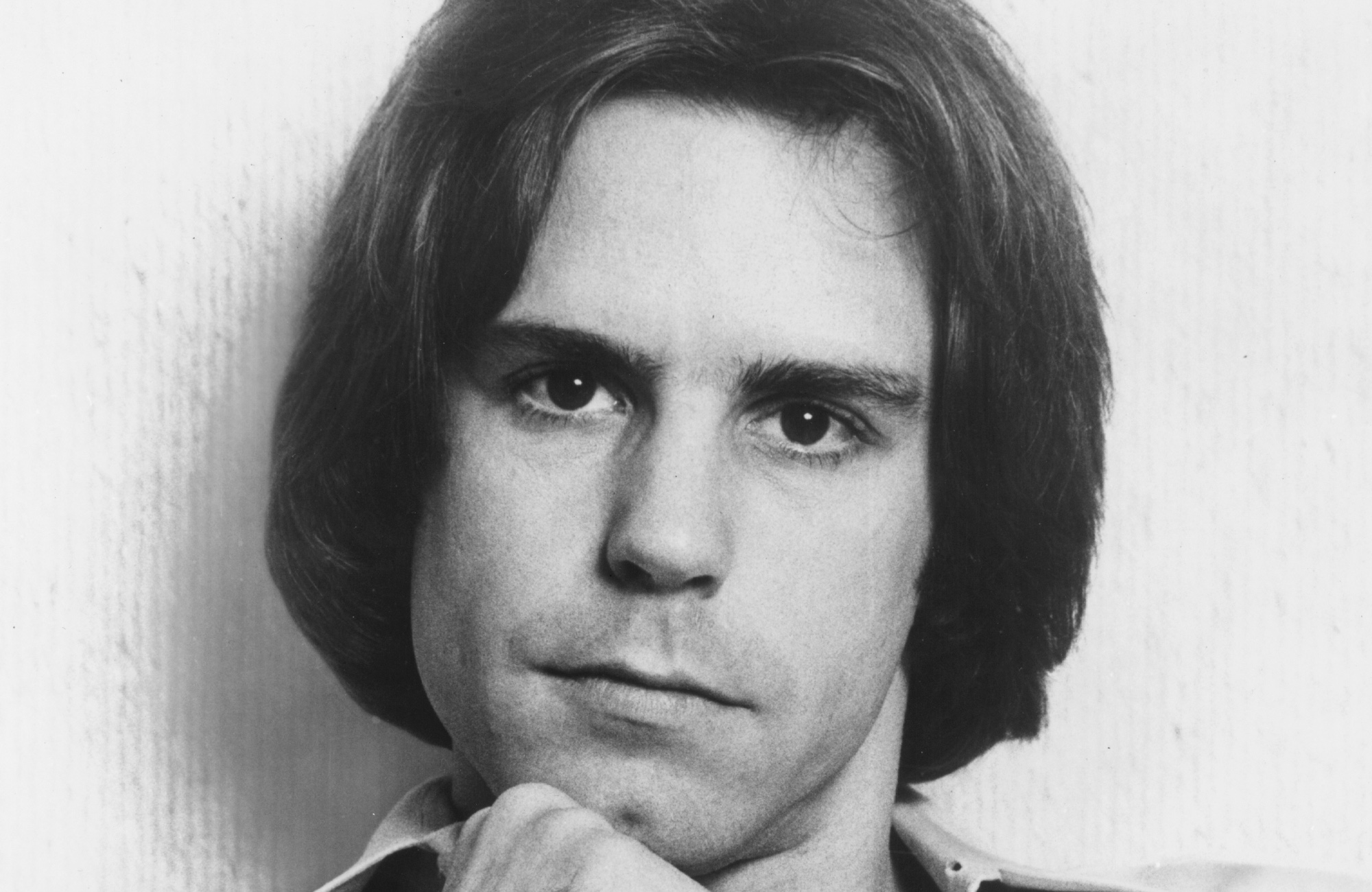
    Bob Weir was the quiet linchpin of the Grateful Dead. Though he was uninterested in competing with the mythical presence of Jerry Garcia, saying fans’ deification had ultimately killed the frontman, Weir was a fan favorite: the good-looking one in the very short jean shorts. As a rhythm guitarist with precise timing and inventive chord voicing—in live shows he would play notes from a song’s chords in varying octaves or an unconventional order—he bridged Garcia’s long, noodling guitar solos with bassist Phil Lesh’s effervescent countermelodies. Several of Weir’s compositions, like “Sugar Magnolia,” “Truckin’” and “Playing in the Band,” became standards, helping establish the Dead’s blend of rock, blues, folk, and country. And his constant playfulness onstage helped drive the band’s signature improvisations. We “state a theme and take it for a walk in the woods,” Weir said in 2010. “If I were playing a note-for-note set every night for all these years, I think I would have put a gun to my head.” 

    Robert Hall Weir was adopted as an infant and raised in the affluent town of Atherton, near San Francisco. His undiagnosed dyslexia “managed to get him kicked out of both preschool and the Cub Scouts,” said Rolling Stone. Instead of school, he devoted himself to piano and guitar, and at age 16 he wandered into a Palo Alto music store where Jerry Garcia was preparing to give banjo lessons. As soon as the two started jamming, they decided to start a jug band. By 1965, it had morphed into the Grateful Dead, the house band for author Ken Kesey’s “Acid Test” LSD parties. The group became the center of a hippie culture dominated by drugs and the “flower power values of peace, love, and anti-Vietnam war protests,” said The Guardian. While they only had one hit single, “Touch of Grey” (1987), “their devoted live audience made them one of the most successful touring artists” ever. The Dead “proved unusually resistant to time,” said the San Francisco Chronicle. Even after their 1970s heyday, a “self-sustaining world” of Deadheads continued selling weed and tie-dyes as they followed the group from city to city. The woman who would become Weir’s wife followed him, too: The two met when he was in his 30s and she was a 15-year-old who sneaked backstage. But he maintained they were platonic at first, and they didn’t marry until much later. It was only when he was “edging toward 50,” he said, that he realized he didn’t want to remain “a rock ’n’ roll tomcat.” 

    After three decades as “Pied Pipers of the hippie movement,” the Grateful Dead broke up when Garcia died in rehab in 1995, said The New York Times. Weir, though, kept touring for the rest of his life, even after getting cancer last year. He founded several other bands, some of them tribute acts like “Dead & Company,” and was a committed collaborator, playing with Willie Nelson, Joan Baez, the Allman Brothers, Sammy Hagar, and myriad other musicians. “I hope I’m remembered for bringing our culture and other cultures together,” Weir said in 2025. “I’m hoping that people of varying persuasions will find something they can agree on in the music that I’ve offered and find each other through it.” 



    Sunday Shortlist was written and edited by Susan Caskie, Conor Devlin, Ryan Devlin, Chris Mitchell, and Matt Prigge.

    Image credits, from top: Sony Pictures Classics; Apple TV; AP; Getty
     

    Recent editions

    • Saturday Wrap

      Trump’s oil grab

    • Evening Review

      The momentum to impeach Noem

    • Morning Report

      Trump escalates Minneapolis threats

    VIEW ALL
    TheWeek
    • About Us
    • Contact Future's experts
    • Terms and Conditions
    • Privacy Policy
    • Cookie Policy
    • Advertise With Us
    • FAQ
    Add as a preferred source on Google

    The Week is part of Future US Inc, an international media group and leading digital publisher. Visit our corporate site.

    © Future US, Inc. Full 7th Floor, 130 West 42nd Street, New York, NY 10036.