Sign up to get Today’s Best Articles in your inbox
Join 350,000+ subscribers and keep yourself informed with a selection of
The Week’s most interesting, enlightening and entertaining stories - plus daily puzzles.
You are now subscribed
Your newsletter sign-up was successful
Want to add more newsletters?
An account already exists for this email address, please log in.
Choline: the ‘under-appreciated’ nutrient
Studies link choline levels to accelerated ageing, anxiety, memory function and more
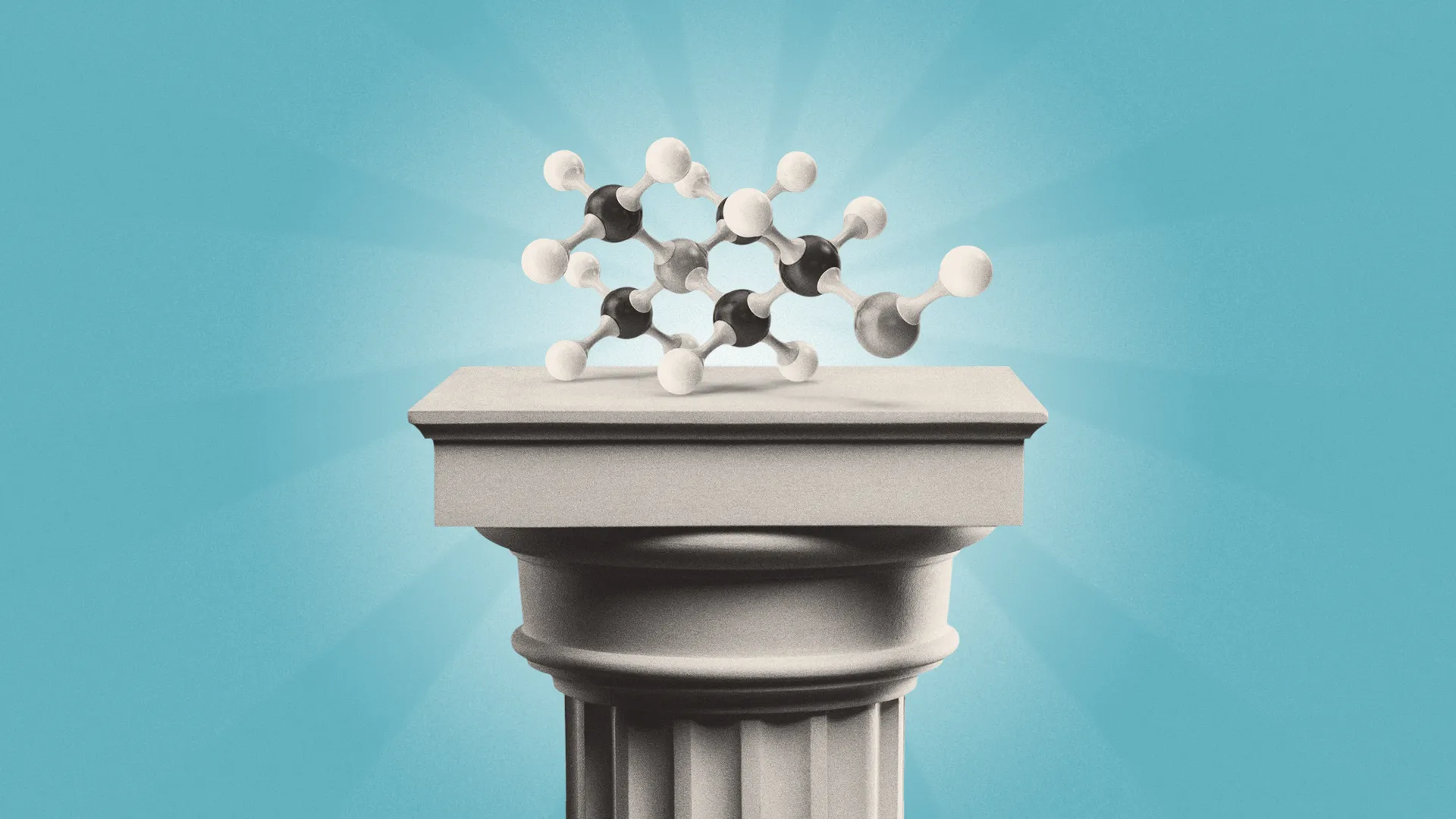
There's emerging evidence that a compound called choline could play an under-appreciated role in our health – and particularly in the functioning of our brain.
New research suggests low blood levels of choline in obese people could contribute to brain ageing and potentially trigger the kind of neurodegenerative changes that can lead to Alzheimer’s disease.
This study finding, along with others looking at choline’s role in preserving memory and bone health, and avoiding depression and anxiety, has led some scientists to class choline as a “wonder nutrient” that “has been hugely overlooked”, said BBC Future.
The Week
Escape your echo chamber. Get the facts behind the news, plus analysis from multiple perspectives.
Join more than 350,000 subscribers and keep yourself informed with a selection of The Week’s most interesting, enlightening and entertaining stories - plus daily puzzles.
Join more than 350,000 subscribers and keep yourself informed with a selection of The Week’s most interesting, enlightening and entertaining stories - plus daily puzzles.
Choline is a nutrient that essential to our health. It’s not a vitamin or a mineral but an organic compound that’s closely related to the B-vitamin group.
We need it for “numerous functions in our bodies”, says BBC Future. These include liver function, synthesising phospholipids (key components of cell membranes), and producing acetylcholine, a brain chemical that plays a major role in memory, thinking and learning processes. Scientists have also linked good levels of choline to higher bone density and better mental health.
We produce small amounts of choline in our liver but, to get enough, we also need to consume it in food. The most common dietary sources of choline are eggs, red meat, chicken, potatoes, yoghurt, fish, leafy green vegetables, peanuts, kidney beans and mushrooms. Of these, animal-based foods tend to contain more choline than plant-based ones.
What did the recent study find?
Researchers from Arizona State University recruited 15 people with obesity, analysed key chemical levels and biomarkers in their systems and then compared them to those of 15 people of a healthy weight. The results, published in Aging and Disease, show that the people with obesity had less circulating choline, more biomarkers associated with inflammation and higher levels of blood proteins indicating neuron damage.
Sign up to get Today’s Best Articles in your inbox
A free daily email with the day’s biggest news and analysis – and the best features from TheWeek.com
It is only a small study, and it didn’t prove cause and effect, but the “big picture” is that obesity, choline, and the accelerated brain ageing that could lead to dementia “could all be connected”, said Science Alert. And that means low circulating levels of choline could be an “early warning sign” of diseases such as Alzheimer’s, and that maybe a “boost” in choline levels could be an effective “preventive measure”.
What about other studies?
Low levels of choline have been identified as having “a significant link” with anxiety disorders, according to a meta-analysis published last month in Molecular Psychiatry.
University of California researchers analysed data from 25 studies and found that levels of choline were 8% lower in the brains of people with anxiety disorders. An “8% lower amount doesn’t sound like that much, but, in the brain, it’s significant”, senior author Richard Maddock told New Atlas.
Other studies have shown that people with higher choline intakes from their diets tend to have a higher bone density – “an indicator of strong, healthy bones with a lower risk of being fractured”, said BBC Future. There has also been a large study suggesting that people with a higher choline intake tend to have better memories.
How can you make sure you get enough choline?
Choline is very easily absorbed into our blood from foods containing it but there has been some research, published in the British Medical Journal, suggesting that some people aren’t getting enough.
We need about 425mg of choline a day, which is the equivalent of about three eggs or seven potatoes. Pregnant women need 450mg and breastfeeding women need 550mg. It’s “particularly important” for pregnant and lactating women to get enough choline because it “plays a key role” in building and maintaining a baby’s healthy brain, said The Telegraph.
Choline supplements are generally considered to be safe, as long as they’re made by a trusted brand and don’t contain more than the recommended daily amount. The NHS does not currently specifically recommended choline supplements during pregnancy or lactation, so if you’re expecting or breastfeeding a baby, you should always seek advice from a healthcare practitioner before taking them.
Chas Newkey-Burden has been part of The Week Digital team for more than a decade and a journalist for 25 years, starting out on the irreverent football weekly 90 Minutes, before moving to lifestyle magazines Loaded and Attitude. He was a columnist for The Big Issue and landed a world exclusive with David Beckham that became the weekly magazine’s bestselling issue. He now writes regularly for The Guardian, The Telegraph, The Independent, Metro, FourFourTwo and the i news site. He is also the author of a number of non-fiction books.