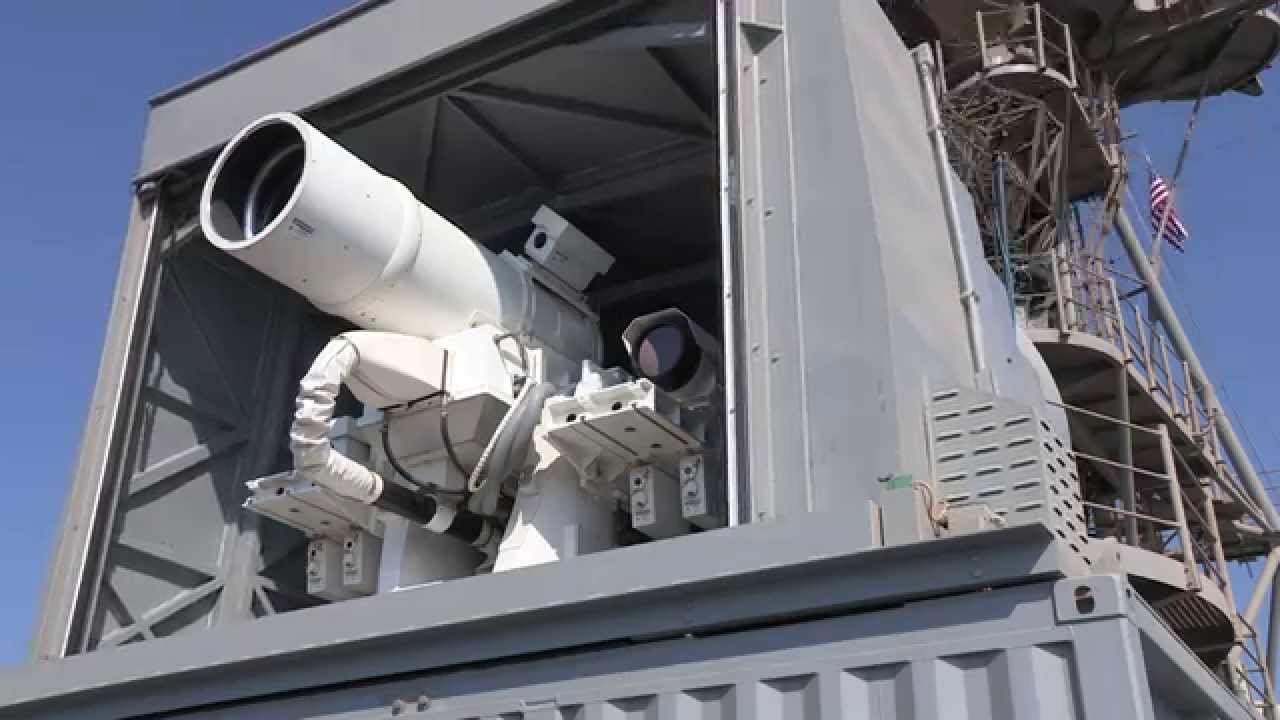
Watch the U.S. Navy field-test its fully operational laser cannon, take out a drone

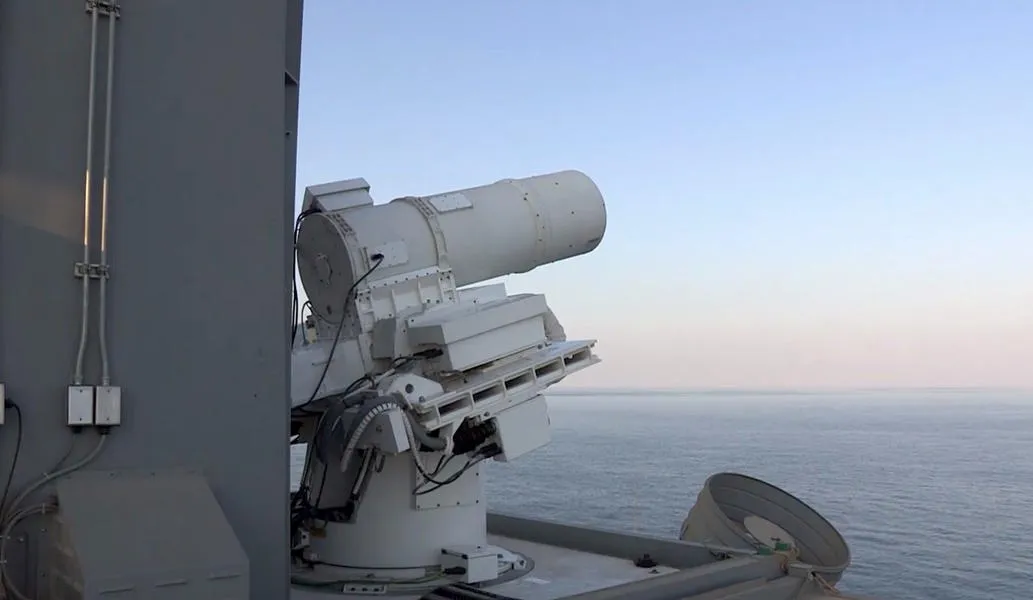
Drone, meet laser. On Wednesday, the U.S. Navy let the world watch its blandly named Laser Weapons System (LaWS) in action in the Persian Gulf. The 30-kilowatt laser cannon, installed on the USS Ponce, is "part of the ship, it looks like it's part of the ship, and it is part of the ship." says Rear Adm. Matthew Klunder, the chief of Naval Research. "The reality is it's ready."
That seems pretty evident when you watch it destroy targets on a speedboat and raft, then "dazzle and destroy" an unnamed aerial drone with its invisible beam of concentrated light. "It's almost like a Hubble telescope at sea," Klunder says. "Literally, we're able to get that kind of power and magnification." And U.S. Central Command has approved LaWS's use in actual combat if the ship needs to defend itself — though only on weapons systems, not people.
The Week
Escape your echo chamber. Get the facts behind the news, plus analysis from multiple perspectives.

Sign up for The Week's Free Newsletters
Join more than 350,000 subscribers and keep yourself informed with a selection of The Week’s most interesting, enlightening and entertaining stories - plus daily puzzles.
Join more than 350,000 subscribers and keep yourself informed with a selection of The Week’s most interesting, enlightening and entertaining stories - plus daily puzzles.