This unidentified spacecraft could be the Russian military's 'satellite killer'

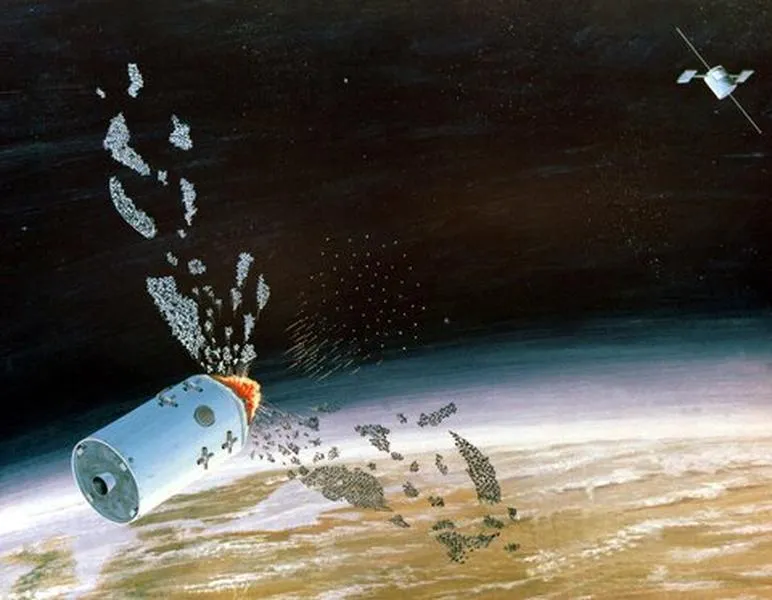
The Soviet "Istanbul Sputnikov" anti-satellite program hasn't gained much attention since the Cold War, after which it was thought to be retired. But a new, mysterious spacecraft has reignited rumors about the so-called "satellite killer."
The Washington Post explains that it was widely believed the collapse of the Soviet empire had grounded the killer. But this past May, the Russian "Roar" rocket was launched into space and deployed a satellite, Object 2014-28E, that remains a mystery to scientists across the globe.
The Week
Escape your echo chamber. Get the facts behind the news, plus analysis from multiple perspectives.

Sign up for The Week's Free Newsletters
Join more than 350,000 subscribers and keep yourself informed with a selection of The Week’s most interesting, enlightening and entertaining stories - plus daily puzzles.
Join more than 350,000 subscribers and keep yourself informed with a selection of The Week’s most interesting, enlightening and entertaining stories - plus daily puzzles.