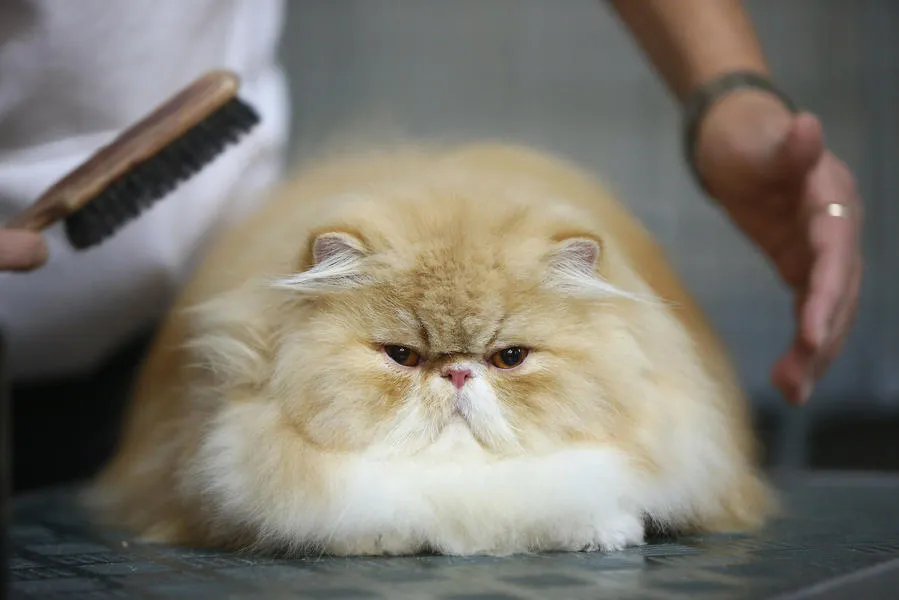
(Image credit: Sean Gallup/Getty Images)
Who's a good kitty — and what genes make them so?
A team of researchers at Washington University School of Medicine in St. Louis, Missouri, undertook a genetic study of modern house cats, NBC News reports, to determine what features have evolved in them as they were domesticated alongside humans.
The Week
Escape your echo chamber. Get the facts behind the news, plus analysis from multiple perspectives.
SUBSCRIBE & SAVE

Sign up for The Week's Free Newsletters
Join more than 350,000 subscribers and keep yourself informed with a selection of The Week’s most interesting, enlightening and entertaining stories - plus daily puzzles.
Join more than 350,000 subscribers and keep yourself informed with a selection of The Week’s most interesting, enlightening and entertaining stories - plus daily puzzles.
Explore More


