After 40 years of trying, a family will finally receive Medal of Honor for Civil War ancestor
A free daily email with the biggest news stories of the day – and the best features from TheWeek.com
You are now subscribed
Your newsletter sign-up was successful
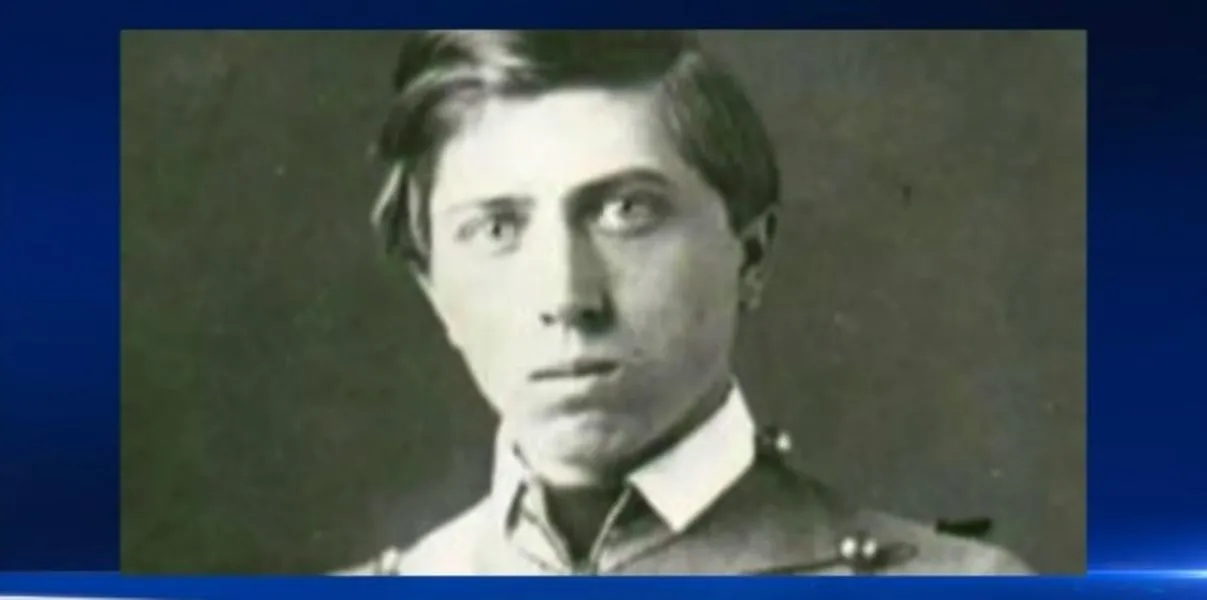
More than 150 years after he was killed during the Civil War, Union Army 1st Lt. Alonzo Cushing is being honored with the Medal of Honor.
"Apparently he is the longest-delayed Congressional Medal of Honor," Brooks Ensign, a relative of Cushing, told NBC Los Angeles. Following the Civil War, the Medal of Honor was rarely given out posthumously, and it took 40 years of petitioning from Cushing's ancestors and various historians to make it finally happen.
Documents say Cushing fought in the Battle of Gettysburg. After being injured twice, he was told to move to the back, but was killed after refusing to leave the front lines. His bravery became family lore, and many relatives today give their children the middle name "Cushing."
The Week
Escape your echo chamber. Get the facts behind the news, plus analysis from multiple perspectives.
Sign up for The Week's Free Newsletters
From our morning news briefing to a weekly Good News Newsletter, get the best of The Week delivered directly to your inbox.
Ensign's mother, Helen, will travel from San Diego to Washington, D.C., on Nov. 6 to accept the medal from President Obama, and she's proud to represent Cushing. "We've all treasured memories of what a great person he was," she told NBC Los Angeles. "So it's really our way of saluting his great valor under fire."
A free daily email with the biggest news stories of the day – and the best features from TheWeek.com
Catherine Garcia has worked as a senior writer at The Week since 2014. Her writing and reporting have appeared in Entertainment Weekly, The New York Times, Wirecutter, NBC News and "The Book of Jezebel," among others. She's a graduate of the University of Redlands and the Columbia University Graduate School of Journalism.