Brazil's largest city is running out of water

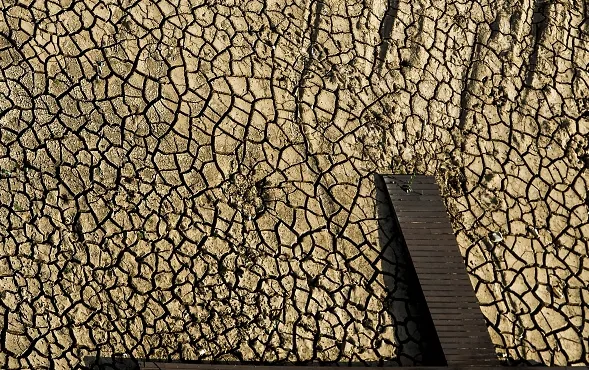
That's according to a New York Times report out of São Paolo on Monday, which says that crippling drought combined with pollution and population growth have depleted the city's largest reservoir system. Residents are already experiencing intermittent water cutoffs, and a senior official at São Paolo's water utility warned in a private meeting that soon “there won't be water to bathe” and residents may have to flee the city. The shortage comes from the convergence of some long-term problems in São Paolo:
"Experts say the origins of the crisis go beyond the recent drought to include an array of interconnected factors: the city's surging population growth in the 20th century; a chronically leaky system that spills vast amounts of water before it can reach homes; notorious pollution in the Tietê and Pinheiros rivers traversing the city (their aroma can induce nausea in passers-by); and the destruction of surrounding forests and wetlands that have historically soaked up rain and released it into reservoirs." [The New York Times]
The Week
Escape your echo chamber. Get the facts behind the news, plus analysis from multiple perspectives.

Sign up for The Week's Free Newsletters
Join more than 350,000 subscribers and keep yourself informed with a selection of The Week’s most interesting, enlightening and entertaining stories - plus daily puzzles.
Join more than 350,000 subscribers and keep yourself informed with a selection of The Week’s most interesting, enlightening and entertaining stories - plus daily puzzles.