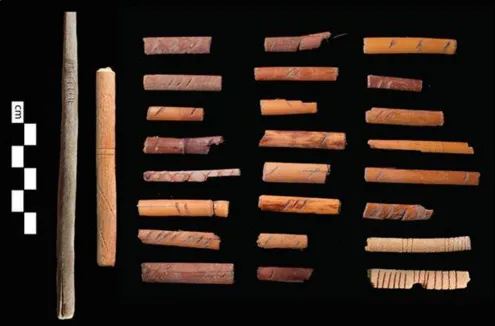
Archaeologists are betting that their latest discovery in the caves of Utah's Great Salt Lake indicates the presence of what may have been America's first casino.
"It's apparent that people were playing a lot of games," said Jack Ives, a professor of Northern Plains Archaeology at the University of Alberta in Canada. In addition to discovering a lot of dice, the researchers "found bone pieces from hand games, a ball, a number of hoops, pieces that look like counters, [and] stick games." Ives and his team think these estimated 17,000 game pieces date back to the 13th century.
The Week
Escape your echo chamber. Get the facts behind the news, plus analysis from multiple perspectives.

Sign up for The Week's Free Newsletters
Join more than 350,000 subscribers and keep yourself informed with a selection of The Week’s most interesting, enlightening and entertaining stories - plus daily puzzles.
Join more than 350,000 subscribers and keep yourself informed with a selection of The Week’s most interesting, enlightening and entertaining stories - plus daily puzzles.


