British researchers are now allowed to genetically modify human embryos

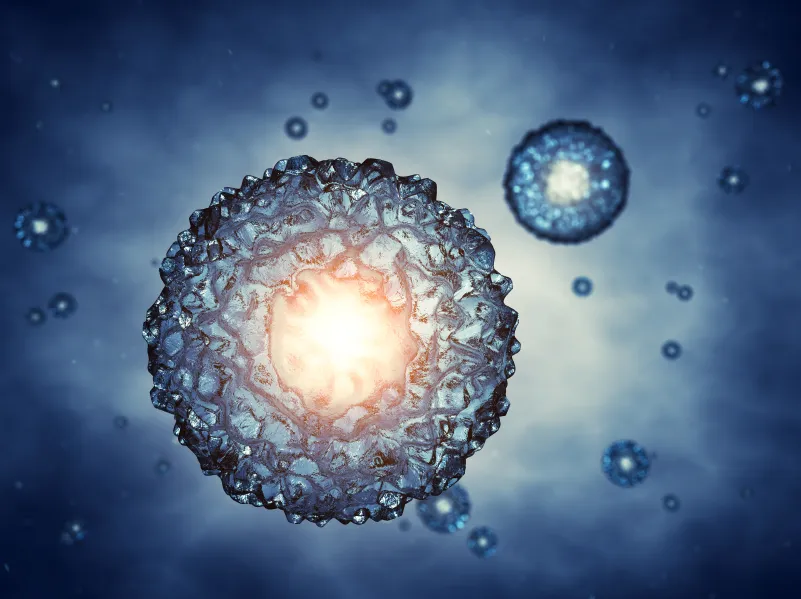
In a landmark decision Monday, British researchers will be the first worldwide to edit human embryos for genetic research, The Guardian reports.
The Human Fertilization and Embryology Authority is allowing Kathy Niakan, a London stem cell researcher, to genetically modify embryos using CRISPR and study them for up to 14 days. The embryos, which come as donations from couples who had some leftover after undergoing in vitro fertilization, cannot be implanted in women.
The Week
Escape your echo chamber. Get the facts behind the news, plus analysis from multiple perspectives.

Sign up for The Week's Free Newsletters
Join more than 350,000 subscribers and keep yourself informed with a selection of The Week’s most interesting, enlightening and entertaining stories - plus daily puzzles.
Join more than 350,000 subscribers and keep yourself informed with a selection of The Week’s most interesting, enlightening and entertaining stories - plus daily puzzles.



