Record Republican turnout in Iowa caucuses probably hurt Donald Trump, not helped him

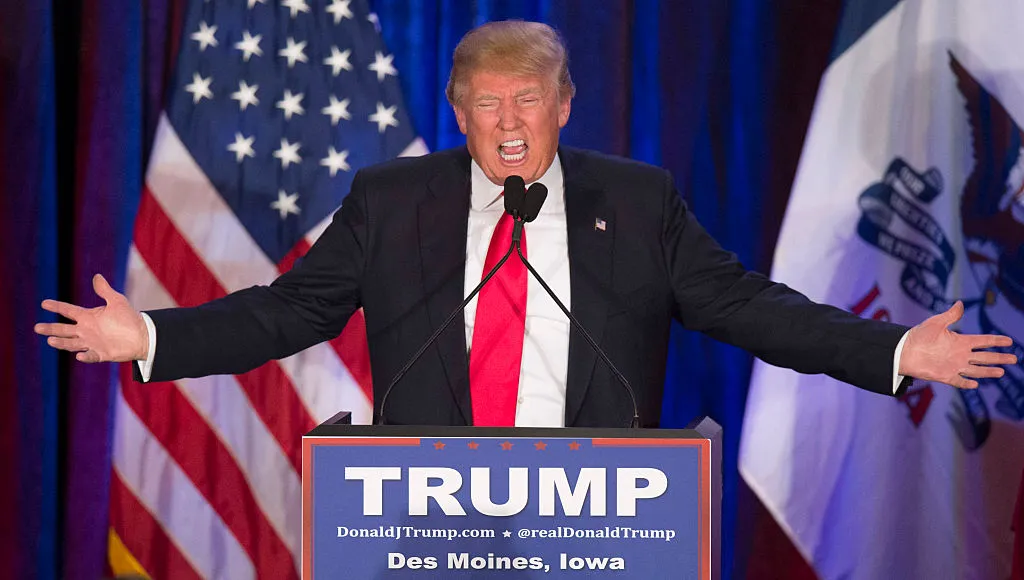
In 2012, 121,354 Republicans caucused in Iowa, setting a new record and helping propel Rick Santorum to a narrow victory over eventual nominee Mitt Romney. On Monday, according to estimates by Edison Research, 185,000 Republicans turned out, 46 percent of them attending their first GOP caucus. The large number and influx of first-time voters was widely expected to help Donald Trump, "but that was not how things went, raising the prospect that some of the voters who turned out were interested in stopping Mr. Trump, instead of propelling him to victory," says Maggie Haberman at The New York Times.
Trump finished second in the caucuses, three percentage points behind Ted Cruz and just one point ahead of Marco Rubio. Political analysts are divided about why Trump underperformed his pre-caucus poll numbers, with some speculating that a barrage of negative ads in the final week persuaded voters to abandon him and others pinning Cruz's victory on his ground operation. Dave Wasserman of the Cook Political Report had a simpler explanation:
The Week
Escape your echo chamber. Get the facts behind the news, plus analysis from multiple perspectives.

Sign up for The Week's Free Newsletters
Join more than 350,000 subscribers and keep yourself informed with a selection of The Week’s most interesting, enlightening and entertaining stories - plus daily puzzles.
Join more than 350,000 subscribers and keep yourself informed with a selection of The Week’s most interesting, enlightening and entertaining stories - plus daily puzzles.



