UN: Hospitals in Aleppo 'all but obliterated'

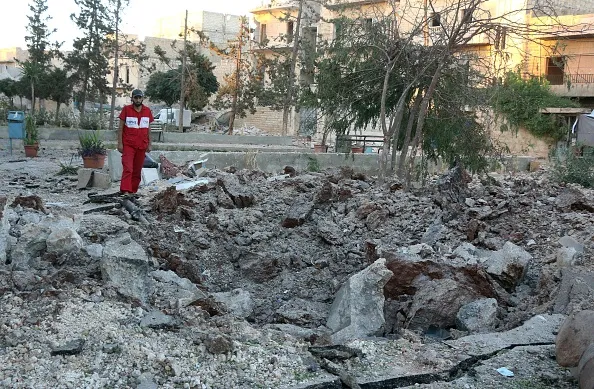
With indiscriminate bombings leaving hospitals in Aleppo "all but obliterated," a United Nations official on Sunday said it's a "race against time to protect and save civilians" in the eastern part of the city.
The warfare has subjected civilians to "a level of savagery that no human should have to endure," Stephen O'Brien, UN Under-Secretary-General for Humanitarian Affairs and Emergency Relief Coordinator, said in a statement. People are being killed and maimed, he said, with the amount of shelling "shocking and unrelenting."
The Week
Escape your echo chamber. Get the facts behind the news, plus analysis from multiple perspectives.

Sign up for The Week's Free Newsletters
Join more than 350,000 subscribers and keep yourself informed with a selection of The Week’s most interesting, enlightening and entertaining stories - plus daily puzzles.
Join more than 350,000 subscribers and keep yourself informed with a selection of The Week’s most interesting, enlightening and entertaining stories - plus daily puzzles.