Sign up to get Today’s Best Articles in your inbox
Join 350,000+ subscribers and keep yourself informed with a selection of
The Week’s most interesting, enlightening and entertaining stories - plus daily puzzles.
You are now subscribed
Your newsletter sign-up was successful
Want to add more newsletters?
An account already exists for this email address, please log in.
The Mint’s 250th anniversary coins face a whitewashing controversy
The designs omitted several notable moments for civil rights and women’s rights
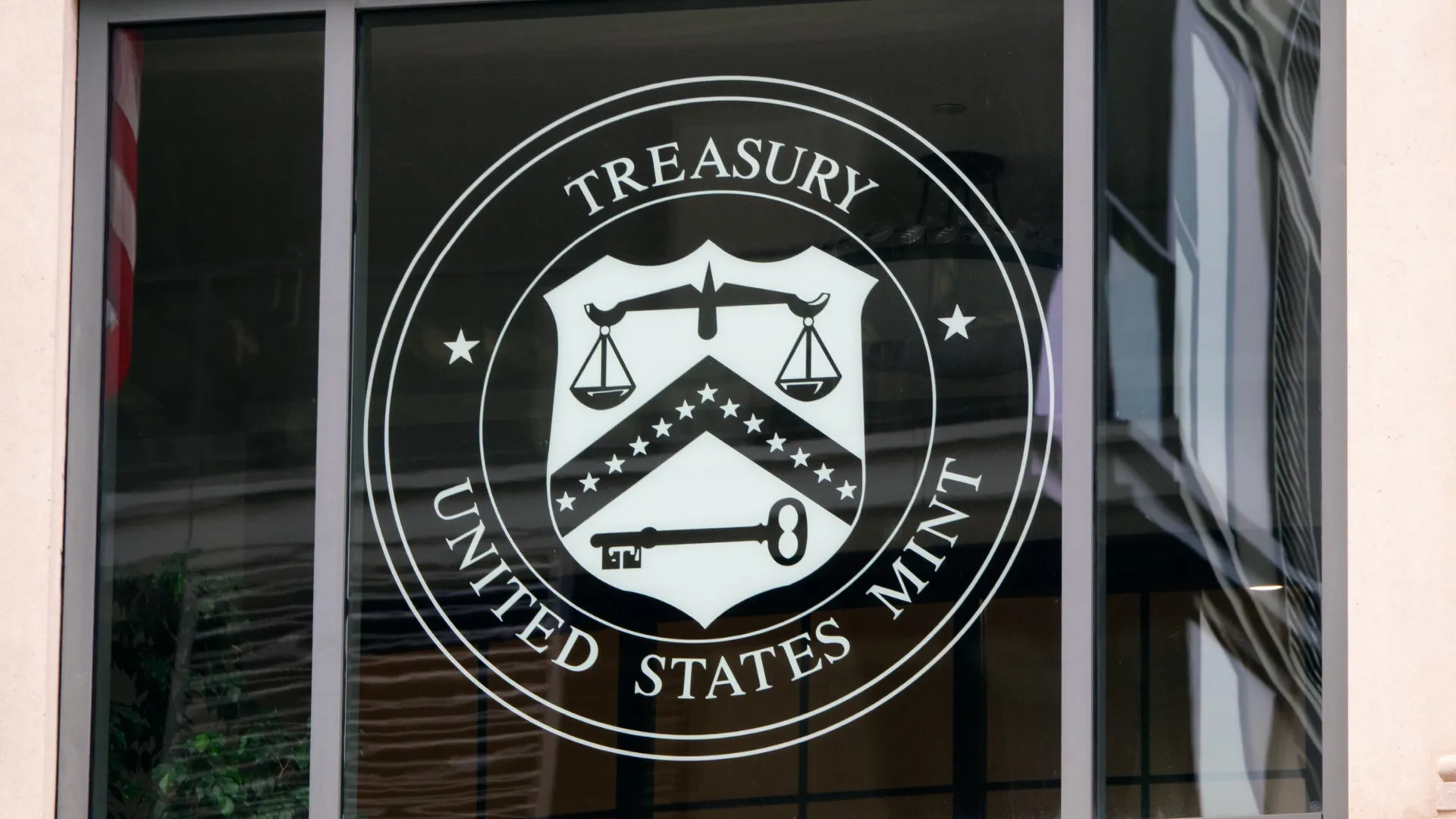
The U.S. Mint began circulating new coins this week in celebration of the United States’ 250th anniversary. These semiquincentennial coins are generating headlines for what they do not depict as much as for what they do: The coin designs omitted notable moments in women’s history, the civil rights movement and more, in what some are calling a whitewashing effort by the Mint. And many are pointing to the Trump administration as the culprit.
What do these coins depict?
The coins feature various moments throughout the country’s life, with the new quarter in particular featuring “five new designs related to American history,” according to the Mint. The designs illustrate a pilgrim couple, as well as four former presidents: Thomas Jefferson, Abraham Lincoln, James Madison and George Washington.
The designs “depict the story of America’s journey toward a ‘more perfect union,’ and celebrate America’s defining ideals of liberty,” said Kristie McNally, the acting director of the Mint, in a statement. The coins are part of an American history movement “dedicated to fostering prosperity and patriotism,” said U.S. Treasurer Brandon Beach to Fox News.
The Week
Escape your echo chamber. Get the facts behind the news, plus analysis from multiple perspectives.
Join more than 350,000 subscribers and keep yourself informed with a selection of The Week’s most interesting, enlightening and entertaining stories - plus daily puzzles.
Join more than 350,000 subscribers and keep yourself informed with a selection of The Week’s most interesting, enlightening and entertaining stories - plus daily puzzles.
The Trump administration has been accused of nixing prior coin designs for the semiquincentennial that featured more women and people of color. During the Biden administration, a bipartisan advisory panel for the coin designs “settled onfive options, including quarters honoring abolitionist Frederick Douglass; Ruby Bridges, a 6-year-old girl who helped integrate public schools in New Orleans; and the women’s suffrage movement,” said The Washington Post.
But when the Trump administration took over, it was announced they would “ignore the committee’s recommendation and produce quarters that are far less diverse and more traditional,” said the Post. The White House claimed that the Biden administration’s designs were too “focused on diversity, equity and inclusion and critical race theory.” The shunning of the more diverse coins comes as the Trump administration “seeks to frame any focus on the knottier moments in the nation’s arc as ‘wokeness,’” said The New York Times. The “rejection of its recommendations, along with the selection of designs it had not vetted, did not sit well with the committee, whose 11 members include numismatists, historians and members of the public.”
Another controversial element of the coins involves President Donald Trump himself. The Mint is reportedly considering a $1 coin featuring Trump’s face, a “move usually shunned as a symbol of monarchy,” said NPR. It would also mark a significant break from tradition; George Washington “didn’t appear on a coin until 1932, more than a century after his death,” and the first president was “strongly opposed to that kind of personal aggrandizement.” Nine Democratic U.S. senators wrote a letter to the Treasury claiming this coin would be part of Trump’s “cult of personality.”
With these coins, Trump is “risking infusing partisan politics into the semiquincentennial and turning off half the country,” said Andrew Rudalevige, a professor of government at Bowdoin College, to the Post. It is “likely that the celebration is going to be pushed into the same culture wars and the same polarization that seems to affect so much of the country right now when it ought to be a time when we could rise above that.”
Sign up to get Today’s Best Articles in your inbox
A free daily email with the day’s biggest news and analysis – and the best features from TheWeek.com
Justin Klawans has worked as a staff writer at The Week since 2022. He began his career covering local news before joining Newsweek as a breaking news reporter, where he wrote about politics, national and global affairs, business, crime, sports, film, television and other news. Justin has also freelanced for outlets including Collider and United Press International.