China and Russia slam Trump's national security strategy, but few think Trump will actually follow it

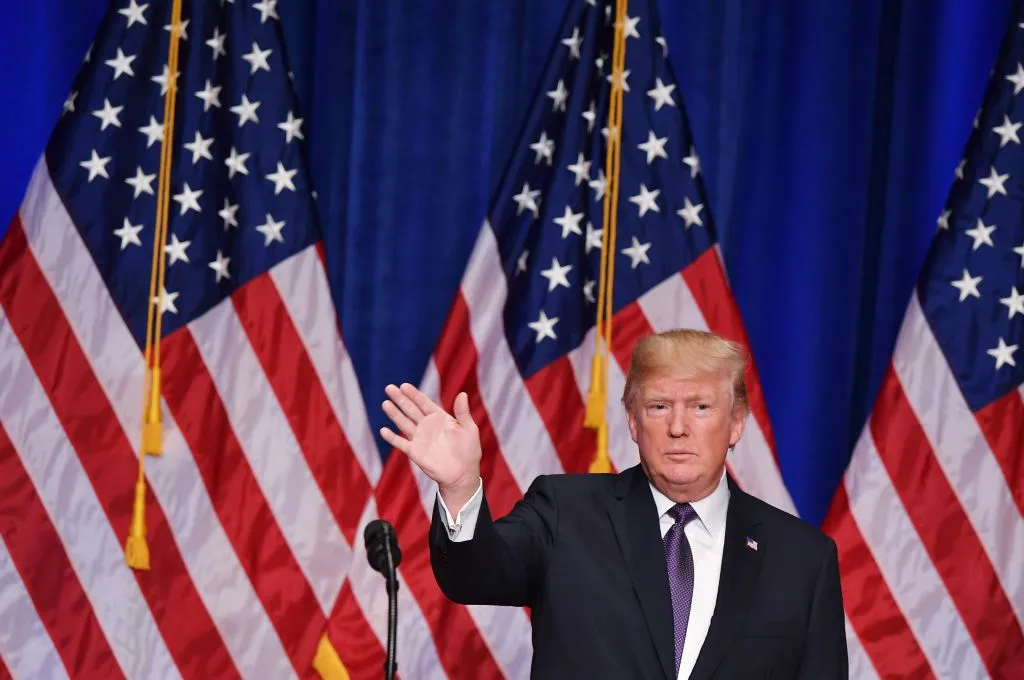
On Monday, President Trump unveiled a new national security strategy that portrays China and Russia as strategic adversaries using "subversive measures" to "challenge American power, influence, and interests, attempting to erode American security and prosperity." On Tuesday, Russia called Trump's new strategy "imperial" and indicative of "an aversion to a multi-polar world," while China urged Trump "to stop deliberately distorting China's strategic intentions and abandon a Cold War mentality," so the U.S. doesn't "injure others and damage itself."
But it isn't at all clear Trump will adhere to his national security strategy. As president he has frequently touted his good relationship with Chinese President Xi Jingping and studiously avoided criticizing Russian President Vladimir Putin, whom he spoke with twice last week. Halfway through Monday's speech on his security plan, Politico notes, Trump said he will work to "build a great partnership" with Moscow and Beijing and cited his intelligence-sharing with Russia, saying, "That's a great thing, and the way it's supposed to work."
The Week
Escape your echo chamber. Get the facts behind the news, plus analysis from multiple perspectives.

Sign up for The Week's Free Newsletters
Join more than 350,000 subscribers and keep yourself informed with a selection of The Week’s most interesting, enlightening and entertaining stories - plus daily puzzles.
Join more than 350,000 subscribers and keep yourself informed with a selection of The Week’s most interesting, enlightening and entertaining stories - plus daily puzzles.


