Microsoft investing $500 million to build affordable housing in Seattle area

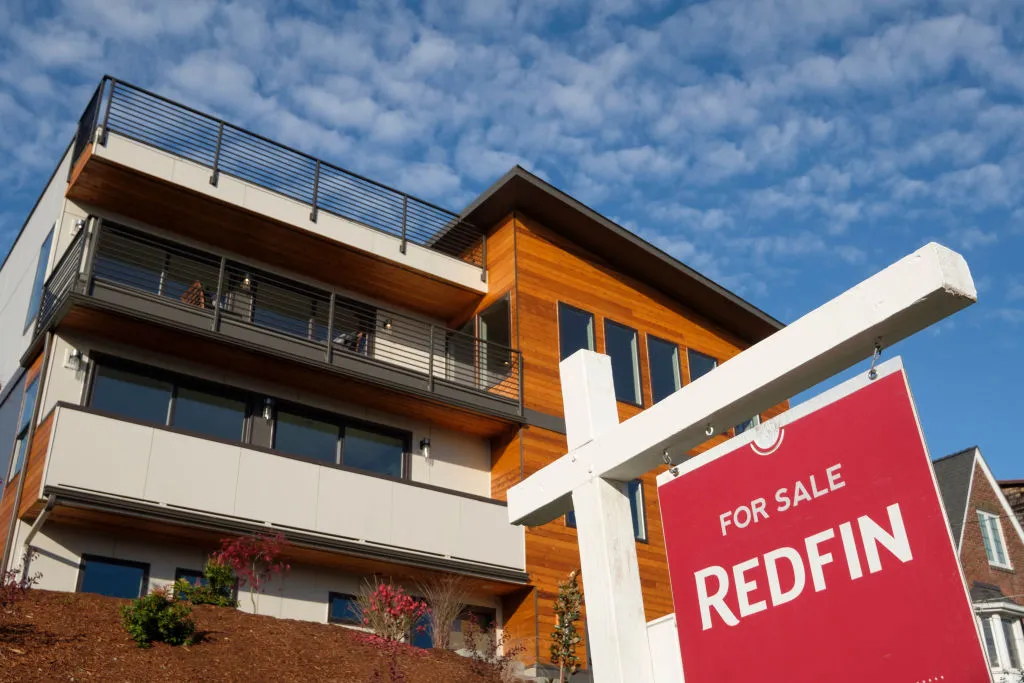
In response to the housing crisis in Seattle, Microsoft announced late Wednesday it is pledging $500 million to build affordable housing in the region.
Microsoft is based in the suburb of Redmond, and in many areas where tech giants have their headquarters, low-and middle-income homeowners are being priced out. During a meeting attended by New York Times reporters earlier this week, Microsoft President Brad Smith and CEO Satya Nadella said they were worried about their employees being able to afford housing in an area where prices are skyrocketing. "We are going to invest quite a bit," Nadella said. "Of course, we have lots of software engineers, but the reality is that a lot of people work for Microsoft. Cafeteria workers, shuttle drivers. We have a real challenge. We don't have enough affordable housing units."
The Week
Escape your echo chamber. Get the facts behind the news, plus analysis from multiple perspectives.

Sign up for The Week's Free Newsletters
Join more than 350,000 subscribers and keep yourself informed with a selection of The Week’s most interesting, enlightening and entertaining stories - plus daily puzzles.
Join more than 350,000 subscribers and keep yourself informed with a selection of The Week’s most interesting, enlightening and entertaining stories - plus daily puzzles.


