Miners kill Brazilian tribal leader in protected area of the Amazon

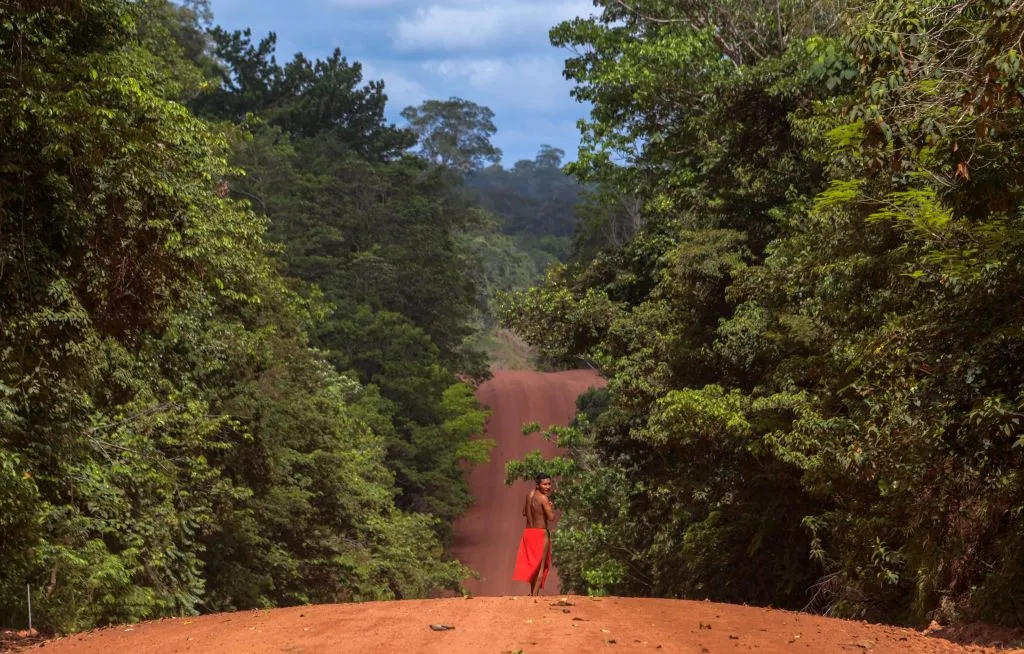
A group of armed miners stormed a remote indigenous village in northern Brazil last week, killing a tribal leader, officials said.
The incident took place in the Yvytotõ village in the state of Amapá, home to the Waiãpi tribe. "This is the first violent invasion in 30 years since the demarcation of the indigenous reserves in Amapá," Sen. Rodolfe Rodrigues told the newspaper Diário do Amapá. Funai, Brazil's indigenous rights agency, said 10 to 15 miners took over the town, stabbing to death 68-year-old Emyra Waiãpi and dumping his body by a river.
The Week
Escape your echo chamber. Get the facts behind the news, plus analysis from multiple perspectives.

Sign up for The Week's Free Newsletters
Join more than 350,000 subscribers and keep yourself informed with a selection of The Week’s most interesting, enlightening and entertaining stories - plus daily puzzles.
Join more than 350,000 subscribers and keep yourself informed with a selection of The Week’s most interesting, enlightening and entertaining stories - plus daily puzzles.


