Study: In 2 decades, nearly 146 million acres of forest have regrown naturally across the world

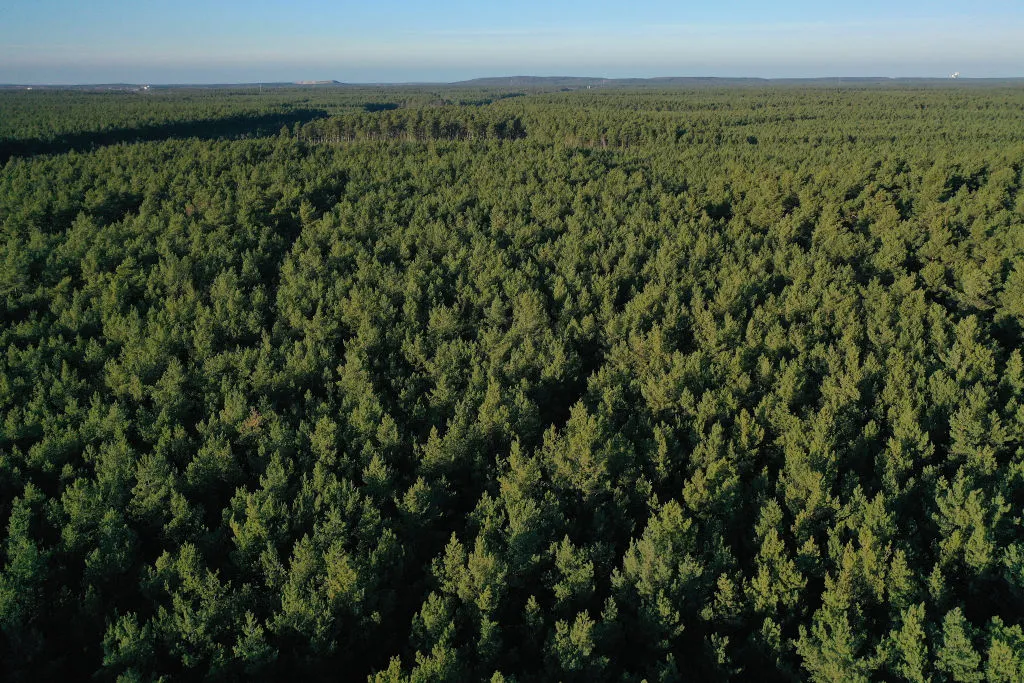
Over the last 20 years, so many forests have regenerated worldwide that they could fill up France, according to a new World Wildlife Fund study.
There were different ways the forests were regenerated — in some areas, nothing was done, while in others native trees were planted, invasive plants removed, and livestock fenced off, BBC News reports. Natural forest regeneration is "cheaper, richer in carbon, and better for biodiversity than actively planted forests," WWF's William Baldwin-Cantello said.
The Week
Escape your echo chamber. Get the facts behind the news, plus analysis from multiple perspectives.

Sign up for The Week's Free Newsletters
Join more than 350,000 subscribers and keep yourself informed with a selection of The Week’s most interesting, enlightening and entertaining stories - plus daily puzzles.
Join more than 350,000 subscribers and keep yourself informed with a selection of The Week’s most interesting, enlightening and entertaining stories - plus daily puzzles.