The Week The Week
flag of US
US
flag of UK
UK
https://cdn.mos.cms.futurecdn.net/skoGBi9qKFoUtnNWkovjJQ.jpg

SUBSCRIBE

Try 6 Free Issues

Sign in
  • View Profile
  • Sign out
  • The Explainer
  • Talking Points
  • The Week Recommends
  • Podcasts
  • Newsletters
  • From the Magazine
  • The Week Junior
  • More
    • Politics
    • World News
    • Business
    • Health
    • Science
    • Food & Drink
    • Travel
    • Culture
    • History
    • Personal Finance
    • Puzzles
    • Photos
    • The Blend
    • All Categories
  • Newsletter sign up Newsletter
  • The Week Evening Review
    End of an era in Ukraine, Your Party launch, and the problem with presidential pardons

     
    TODAY’S BIG QUESTION

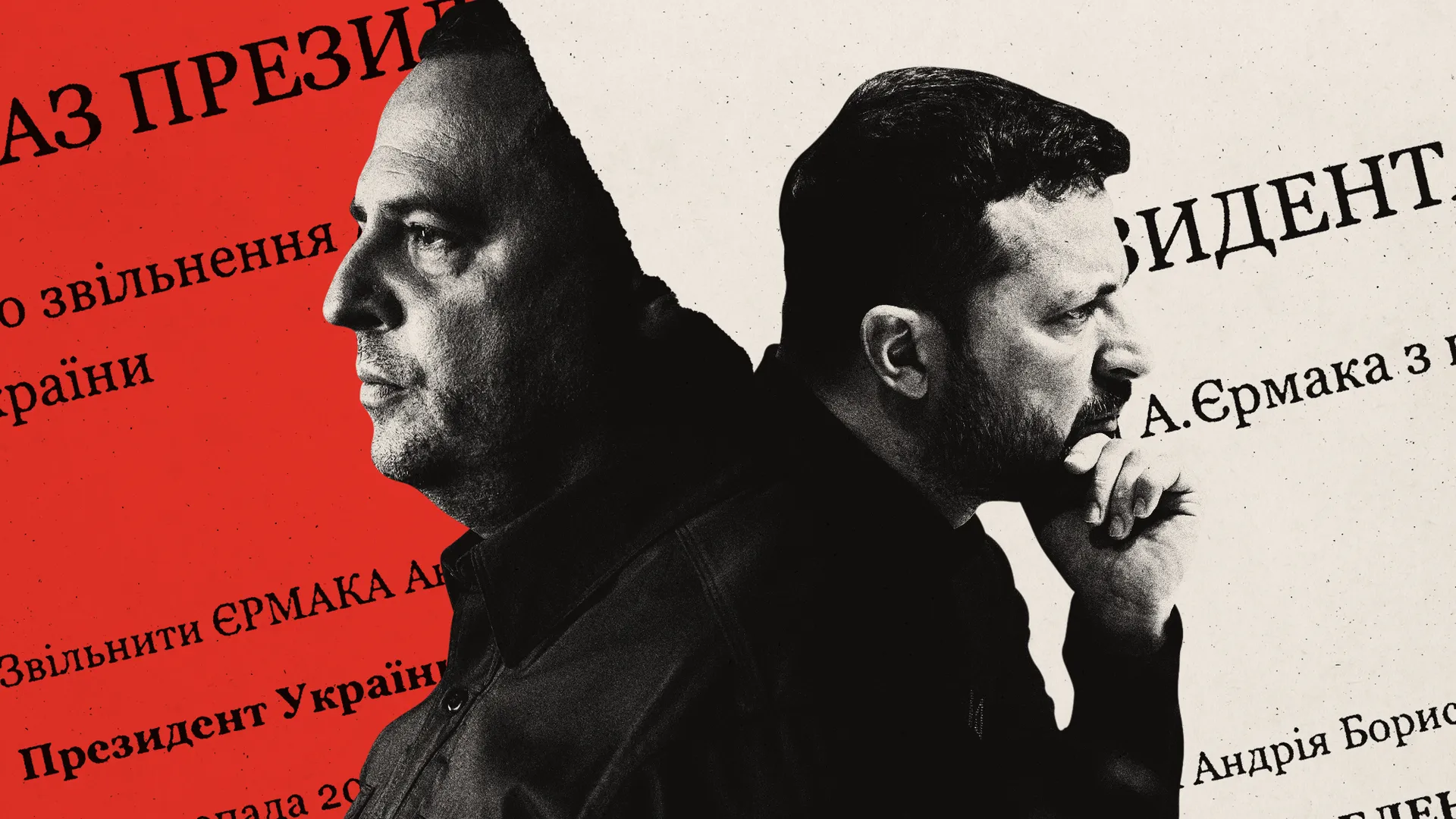
    How strong is Zelenskyy without his right-hand man?

    Volodymyr Zelenskyy has lost the back-up of his long-time chief of staff and lead negotiator as he scrambles to strengthen European support for Ukraine’s position in peace talks. 

    Andriy Yermak, Ukraine’s de-facto deputy leader, resigned on Friday following an anti-corruption raid on his house. Until then, he had been so influential that the political system was “known in Ukraine as Yermakshchina – the era of Yermak”, said Andrew E. Kramer in The New York Times.

    What did the commentators say?
    Without Yermak around to oversee domestic policy, “keep a lid on power struggles within the military and oversee peace negotiations”, Zelenskyy’s “political control may weaken” just as he is looking to agree an end to the war with Russia, said Kramer.

    The loss of his right-hand man will be “extremely painful” for Zelenskyy – “physically and psychologically”, Ukrainian political scientist Volodymyr Fesenko told The Washington Post’s Siobhan O’Grady. “Yermak was always next to him. But Zelenskyy is adaptive. He learns quickly. I don’t think it’s a catastrophe, but it is a serious challenge.”

    Yet Yermak had become deeply unpopular in Ukraine and “somehow aggregated all the dissatisfaction with what” Zelenskyy “does wrong”, Nataliya Gumenyuk of Ukrainian news site Hromadske told CNN. So “a key question will be whether his departure increases the domestic pressure on Zelenskyy himself, or in fact turns the tide”.

    It could dilute the concentration of authority in Ukraine. And that could actually “strengthen Zelenskyy both domestically but also internationally”, William Taylor, a former US ambassador to Ukraine told the Financial Times.

    What next?
    The widening scandal over corruption in Ukraine’s state energy company has weakened Zelenskyy domestically, and this week Ukrainian MPs will be asked to vote on his budget. Losing that vote would not be terminal, but it would be “another blow to Zelenskyy’s credibility as leader”, said Dominic Hauschild in The Times.

    On the international front, Zelenskyy has moved quickly to replace Yermak as lead negotiator in the peace talks. With the president facing “a new round of US pressure to reach a deal to end Russia’s war”, said O’Grady in The Washington Post, and Moscow continuing to “relentlessly bombard his country”, the stage is set for one of Zelenskyy’s “most politically perilous moments yet”.


    THE EXPLAINER

    The launch of Your Party: how it could work

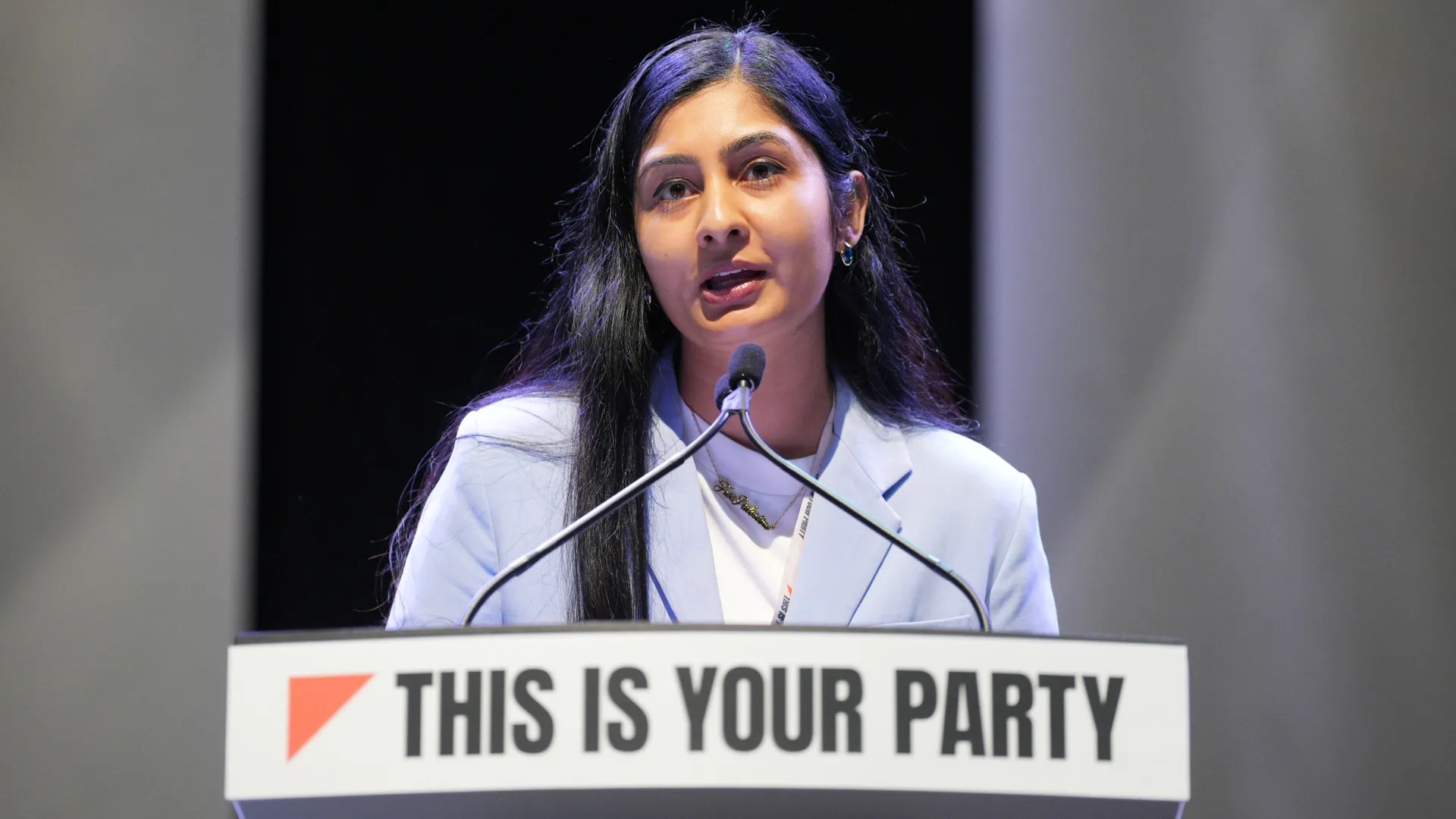
    Your Party has established its foundations, with members voting on the party’s name, leadership structure, membership status and a party constitution at its inaugural conference in Liverpool. But by the end of the weekend, cracks were already beginning to show.

    The group was established by Zarah Sultana and Jeremy Corbyn to present a “full-blooded left-wing challenge” to Labour, said Politico. Yet if the antics at the conference were anything to go by, it is “mixing deep idealism with the kind of factional splits that would make Monty Python blush”.

    What happened at the launch?
    Members of Your Party confirmed its formal name will remain the same.  Another takeaway from the conference was the introduction of a collective leadership model, by a narrow margin of 51.6% to 48.4% of votes. Sultana had previously championed the move as enabling “maximum member democracy”, while Corbyn called for a party structured on sole leadership.

    The left-wing party had aimed to attract around 13,000 people to the event, said the BBC. This was revised down to around 2,500, “which made the cavernous halls of the conference centre feel much emptier”.

    Who won between Corbyn and Sultana?
    The two co-founders have been at loggerheads since the party was launched in July, but their relationship hit new lows at the conference. “There would have been more chance of Ted Heath and Maggie deciding to be co-leaders of the Conservative Party than of this pair even being in the same room together,” said Stephen Pollard in The Spectator

    Leadership disagreements aside, Sultana undoubtedly came out on top, said The New Statesman. Her “fiery remarks” about the exclusion of the Socialist Workers Party members on day one were well supported, and she “appears to have triumphed in every major debate about Your Party’s future except its name”.

    Will collective leadership work?
    Your Party will be run by an executive committee of 11 elected members, including a chair, deputy chair and spokesperson to provide “public political leadership”. By establishing a collective leadership style, and also allowing members of rival parties to join, Your Party has “paved the way for maximum infighting in the months and years ahead”, said Heale in The Spectator. And it “runs the risk of repelling enthused members, who do not wish to partake in rancour and recriminations”.


    QUOTE OF THE DAY

    “There was no misleading.”

    Keir Starmer defends Rachel Reeves against claims the chancellor misled voters and the cabinet about the state of the economy to justify tax rises ahead of last week’s Budget. “Necessary choices” were made to keep Britain afloat, the PM told a news conference.


    Poll watch

    Four in five (82%) Brits think drink-drivers’ cars should be fitted with breathalysers that prevent the vehicle from starting until they pass the alcohol-detection test, according to RAC research. The survey of 2,395 motorists found that support for the so-called alcolocks was highest among those aged under 25, at 87%, compared with 73% of drivers aged 65 and above.


    TALKING POINT

    Is it time to rethink the US presidential pardon?

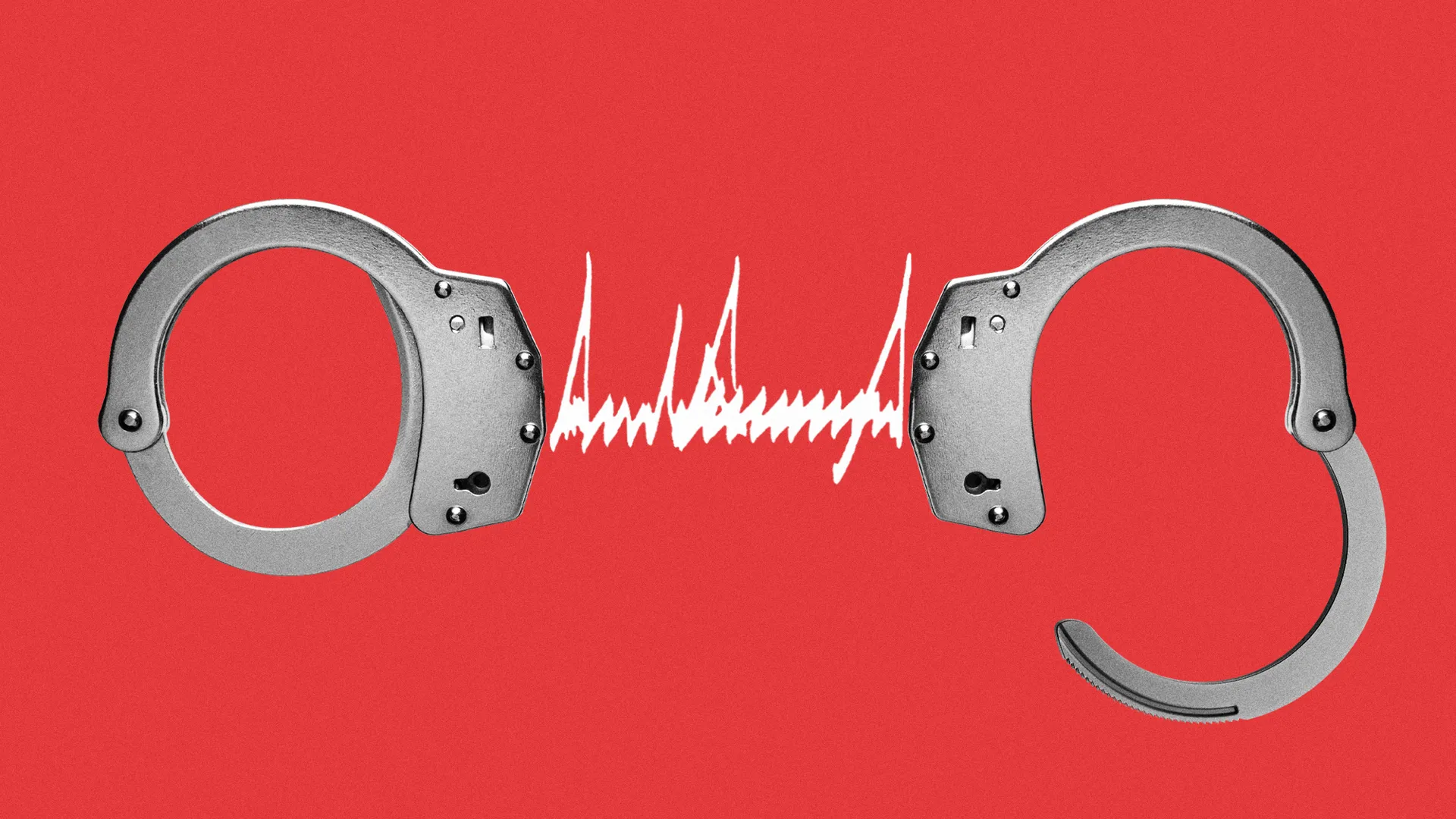
    The US president has the absolute right to grant pardons. But Donald Trump’s spree of pardons for loyalists and business allies has raised not only political eyebrows but also legal questions about abuse of power.

    In his latest act of clemency, Trump this weekend freed private equity executive David Gentile, who had just begun a seven-year sentence for a $1.6 billion fraud scheme. Trump has started to “expand the pardon power both in nature and in scale”, said Benjamin Wallace-Wells in The New Yorker. During his second term, he has issued nearly 2,000 presidential pardons and commutations, compared with 238 in his first term. 

    ‘Grotesque abuses’
    “More than any previous president,” Trump has “systematically deployed” pardons to “reward loyalists” and reassure “associates that they can violate the law with impunity”, said Thomas B. Edsall in The New York Times.

    Over the past decade, the presidential pardon power has been subject to “grotesque abuses”, said Jonah Goldberg in the Los Angeles Times. In his first term, Trump pardoned “lackeys and war criminals”, and now he has “outdone” himself, pardoning “a rogue’s gallery of donors, partisan allies and people with business ties to him or his family”.

    Trump is using his pardon power as “part of his effort to put the country on an authoritarian path”, Rachel Barkow, a law professor at New York University, told The New York Times.

    Allowed under Constitution
    It might seem “quaint these days” to reference America’s founding fathers, said The Wall Street Journal, but when they granted unlimited pardon power, “they anticipated at least a modicum of presidential restraint”. As such, there are no provisions in the US Constitution to rein in a president who embarks on a pardoning spree.

    Congress can’t remove the presidential power of pardon without changing the Constitution, but it could seek to “circumscribe” it “around a few basic principles”, said Bloomberg. These could include barring self-pardons and pardons given “in exchange for anything of value”. Seeking to impose these principles “will surely invite legal challenges”. But it would be difficult “to oppose them on the merits. More to the point: doing nothing would be unpardonable.”


    Good day 🐻

    … for bears treading the boards, as Paddington The Musical gets rave reviews following its world premiere. Adapted from the 2014 film about Michael Bond’s beloved bear, the new West End show is “one of the most wonderful theatrical creations in years”, said London’s The Standard. 


    Bad day 🔥

    … for waste disposal workers, amid warnings that the incorrect disposal of vapes is still causing hundreds of fires on bin lorries and at rubbish dumps, six months after the ban on disposable vapes came into force. Suez, which runs more than 300 waste management sites, told the BBC that it was facing fires on a daily basis.


    picture of the day

    P-p-p-pick up a present

    A diver dressed as Father Christmas swims with a penguin at Sunshine Aquarium as the Tokyo venue launches its annual “Happy Holidays” festive celebrations. 

    Kazuhiro Nogi / AFP / Getty Images


    Puzzles

    Daily crossword

    Test your general knowledge with The Week’s daily crossword, part of our puzzles section, which also includes sudoku and codewords

    Play here


    THE WEEK RECOMMENDS

    Best panettones for Christmas: tried and tasted

    Panettone is “synonymous with Christmas in Italy”, said Forbes, but over the years, the festive bread-cake has become popular “all over the world”. Whether “elegantly boxed, tinned, or wrapped in paper”, it is the “quintessential” edible gift.

    Carluccio’s limoncello panettone
    This elegant and deliciously sweet panettone is an ideal treat to enjoy in those festive in-between days. With a gorgeous white chocolate crust adorned with sparkling sugar crystals, the sweet bread wouldn’t go amiss as the centrepiece of a festive dessert table.

    DukesHill chocolate panettone
    Keen to ditch the traditional dried fruit offering? Look no further than DukesHill’s luxury panettone, which makes chocolate the star of the show. The traditional Italian recipe, with its fluffy centre, gets a decadent twist with the addition of chocolate chips and a velvety chocolate cream running all the way through.

    Vergani Dubai chocolate and pistachio panettone
    This panettone offers a festive take on 2025’s runaway flavour trend: Dubai chocolate. Combining velvety chocolate with a luscious pistachio cream filling, the artisan cake is a delicious fusion of nutty and sweet flavours. 

    Fattoria La Vialla organic panettone
    From an organic farm in central Italy, this traditional wholewheat panettone is ideal for those who want to get back to the roots of the traditional bread-cake. It’s packed with festive flavour, with fragrant orange peel and generous sprinklings of tasty golden sultanas.


    Statistic of the day

    £249,000: The average cost of raising a child to age 18, according to research by MoneyFarm. The investment platform tracked prices for 150 child-related necessities and found that the most expensive period of a child’s life was between 15 and 18 years old, when parents paid out an average total of £65,016.


    instant opinion

    Today’s best commentary

    I sympathise with Rachel Reeves
    Kwasi Kwarteng in The Spectator
    Rachel Reeves is “the prisoner of Downing Street”, writes former chancellor Kwasi Kwarteng. It’s “a polite fiction” that “she has any real freedom of action”. Both No. 10 and the bond markets have “limited” her “capacity to be bold”, and the Office for Budget Responsibility is “a black spider”, “binding” her “into its web of restrictions”. On top of that, there’s a “growing group of backbenchers” who, “terrified of losing their seats”, “won’t let her cut welfare payments”.

    Can’t handle rejection? You shouldn’t be dating, then
    Olivia Petter in The Independent
    I was dumped “via voicemail” when I was 13, writes Olivia Petter, and “I’m not sure” that “I’ve got better at handling rejection since”. Even “thoughtful rejections” have incensed me. I think “we can’t handle rejection” because “we’ve all become increasingly siloed” by algorithms “designed to reflect us back to ourselves”. Our “small cultural echo-chambers” make us “the stars of the show”, so “being turned down in any capacity” is “particularly hard to take”.

    Everything I found annoying in 2025? How much time you got?
    Robert Crampton in The Times
    “I’ve heard enough” about “cringe, game-changers, iconic anything, intermittent fasting, doomscrolling, being ‘on the pen’, cupcakes, kimchi, matcha and falafel to last me a lifetime”, writes Robert Crampton. I could also do without “the word ‘smorgasbord’, which sounds filthier every time you say it”. Other sources of irritation include the “utter fiction that the Prince of Wales is now, or ever was, hot”. “Duvet day” should not “be a respectable expression”, and “cyclists on pavements” are “an abomination”.


    word of the day

    Rage-baiting

    A more offensive or provocative version of clickbait, rage-baiting is a manipulative tactic used to drive online engagement. Oxford University Press has named rage bait as its word of the year, after an analysis by the Oxford English Dictionary publisher found that usage of the term has tripled in the past 12 months. 


    Evening Review was written and edited by Jamie Timson, Will Barker, Chas Newkey-Burden, Elliott Goat, Rebekah Evans, Irenie Forshaw, David Edwards, Helen Brown and Kari Wilkin, with illustrations from Stephen Kelly.

    Image credits, from top: illustration by Stephen Kelly / Getty Images; Christopher Furlong / Getty Images; illustration by Stephen Kelly / Getty Images; Kazuhiro Nogi / AFP / Getty Images; DukesHill

    Morning Report and Evening Review were named Newsletter of the Year at the Publisher Newsletter Awards 2025
     

    Recent editions

    • Morning Report

      Reeves denies lying about UK finances

    • Sunday Shortlist

      A retrospective to delight ‘Wesophiles’

    • Saturday Wrap

      Was Farage a teenage racist?

    VIEW ALL
    TheWeek
    • About Us
    • Contact Future's experts
    • Terms and Conditions
    • Privacy Policy
    • Cookie Policy
    • Advertise With Us
    • FAQ
    Add as a preferred source on Google

    The Week UK is part of Future plc, an international media group and leading digital publisher. Visit our corporate site.

    © Future Publishing Limited Quay House, The Ambury, Bath BA1 1UA. All rights reserved. England and Wales company registration number 2008885.