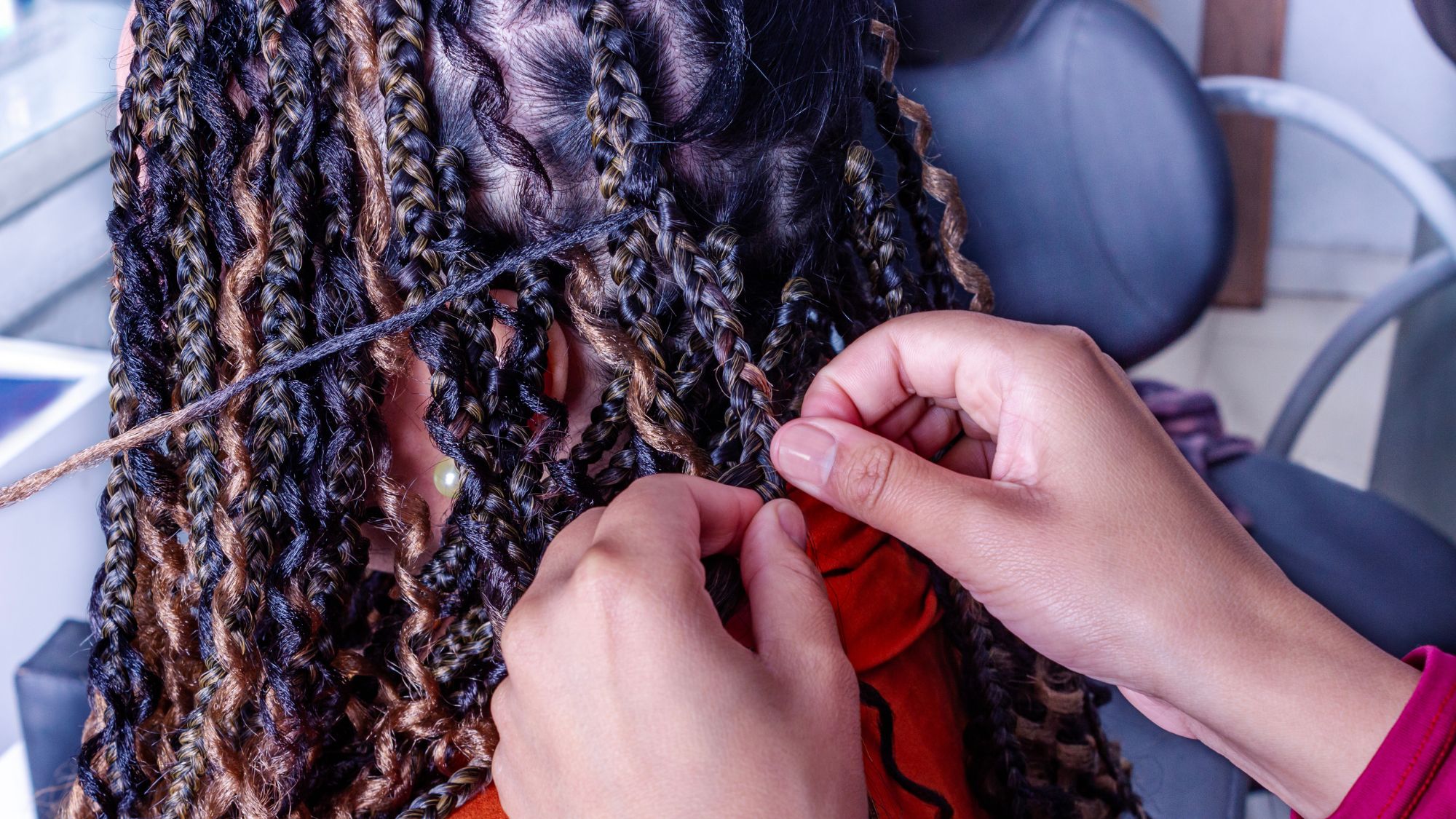
“They say beauty is pain, but it isn’t supposed to be deadly,” said Sheilla Mamona in Glamour. Yet for millions of Black women across the world who regularly wear braids, twists and extensions, troubling new evidence suggests that the synthetic hair used to create these styles may be exposing them to toxic substances.
A number of studies conducted in recent months have revealed that many popular braiding hair products include dangerous chemicals and carcinogens. The latest, published by Consumer Reports in the US, found lead in 29 of the 30 brands of extensions tested, while another peer-reviewed study published by Silent Spring Institute this month discovered hazardous ingredients across 43 hair samples.
Such findings “paint a grim picture”, said Mamona. In a market where a host of products contain potentially “harmful, and even deadly” elements, Black women find themselves “disproportionately” at risk.
Despite these risks, synthetic hair is not always regulated like other beauty products. There are “no parameters” in the US for what materials can be used in synthetic braiding hair, said Kayla Greaves in Marie Claire. In the UK in January, the Commons Science, Innovation and Technology Committee of MPs did hold an oral evidence session on the greater regulation of hair products – “the first evidence session of its new inquiry”.
But in the meantime, Black women are “refusing to accept the lack of new innovation” for braiding hair, said Greaves. Many are looking for “ethically sourced” and “plant-based” alternatives, and also calling for “expanded testing” of not just synthetic hair, but also human hair products. |