The Week The Week
flag of US
US
flag of UK
UK
https://cdn.mos.cms.futurecdn.net/flexiimages/jzblygzdxr1769609154.gif

SUBSCRIBE

Try 6 weeks free

Sign in
  • View Profile
  • Sign out
  • The Explainer
  • Talking Points
  • The Week Recommends
  • Podcasts
  • Newsletters
  • From the Magazine
  • The Week Junior
  • More
    • Politics
    • World News
    • Business
    • Health
    • Science
    • Food & Drink
    • Travel
    • Culture
    • History
    • Personal Finance
    • Puzzles
    • Photos
    • The Blend
    • All Categories
  • Newsletter sign up Newsletter
  • The Week Evening Review
    Fragile ceasefire, rules of war, and the value of human space travel

     
    TODAY’S BIG QUESTION

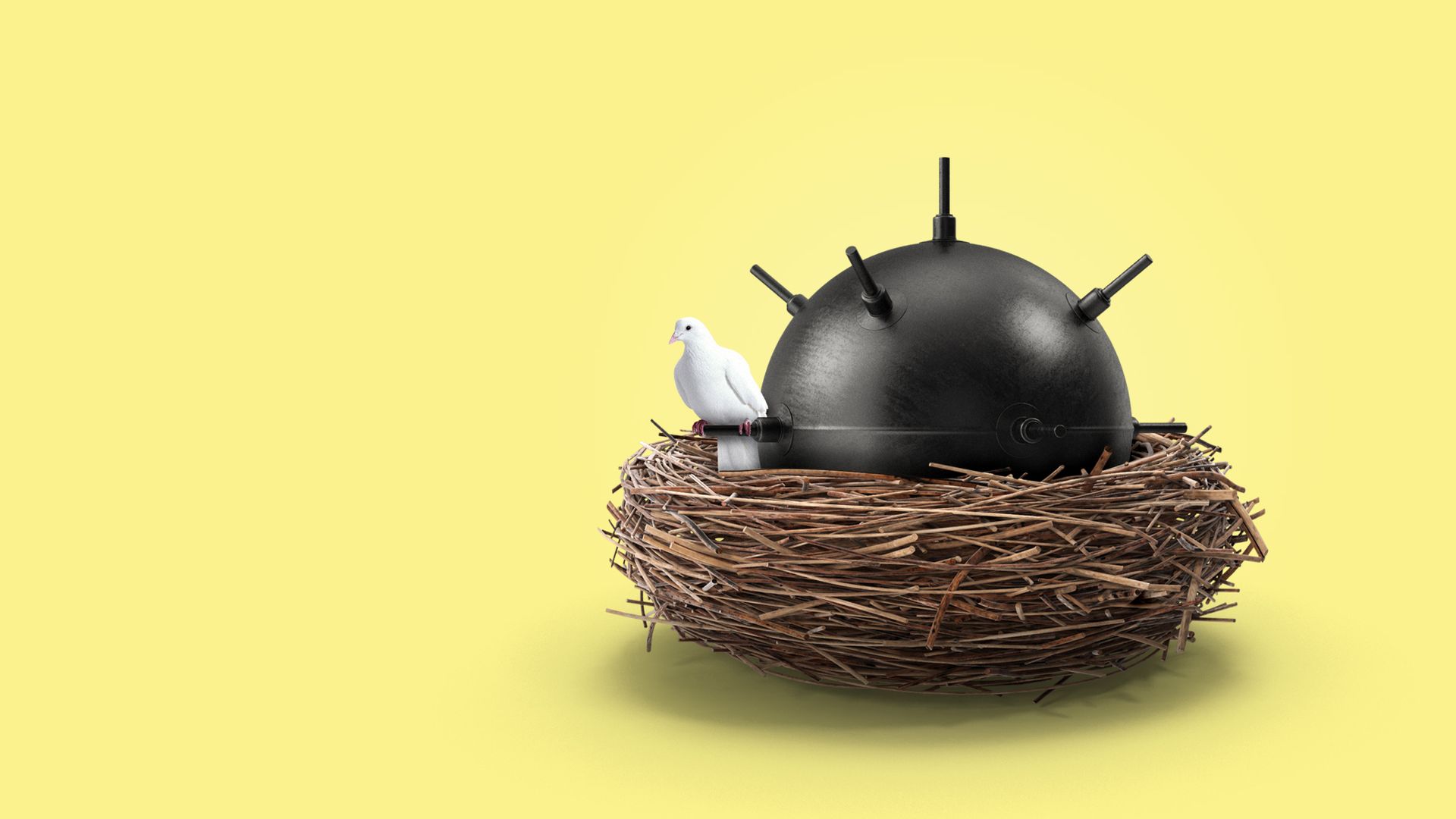
    Will ceasefire in Iran lead to end of war?

    “In the end, cooler heads prevailed – at least for now,” said North America Correspondent Anthony Zurcher on BBC News. Following Donald Trump’s threats to launch US attacks that would wipe out Iran’s “whole civilisation”, both countries agreed a two-week ceasefire.

    Peace talks are set to be held in Pakistan later this week, but uncertainty surrounding key elements of the agreement, such as the Strait of Hormuz and Iranian nuclear capabilities, has triggered scepticism about the chances of a lasting peace. 

    What did the commentators say?
    This ceasefire move is “check, not checkmate”, said Jonathan Sacerdoti in The Spectator. We shouldn’t even consider this a proper ceasefire, but rather a “fragile” and “conditional” pause in the conflict. “Beneath the surface, fundamental disagreements persist.” There has been “no clearly defined start time”, and “key uncertainties” remain. “If this is the Third World War, it is not over.”

    Even if the ceasefire holds, the US has “left in place a cadre of battle-scarred leaders, no doubt harbouring thoughts of revenge”, said David Charter in The Times. As “king of the ultimatum”, Trump has “played fast and loose in pursuit of his goals”, isolating himself from “shocked” allies, who are now “on their guard” more than ever. Countries may come to fear America’s “increasingly unpredictable behaviour” more than its “terrifying” military might.

    The last-minute ceasefire is “in theory, a victory for real-estate geopolitics”, said The Telegraph’s senior foreign correspondent Adrian Blomfield. But “as any real estate agent knows”, the devil is in the detail, and “closer inspection suggests Mr Trump’s triumph may not be quite as unalloyed as he claims”. Iran has now “agreed to allow shipping through the chokepoint” but “on its own terms, and has not relinquished its claim to control it”. 

    What next?
    “The talks in Islamabad will be complicated, to say the least,” said The Economist. The positions of both sides “could not be further apart”. If talks fail, we would probably see an “uneasy return to the status quo”, which “would be a bad outcome for everyone: a weakened, hostile regime; an impoverished Iran; and a lingering threat to the global economy”.


    THE EXPLAINER

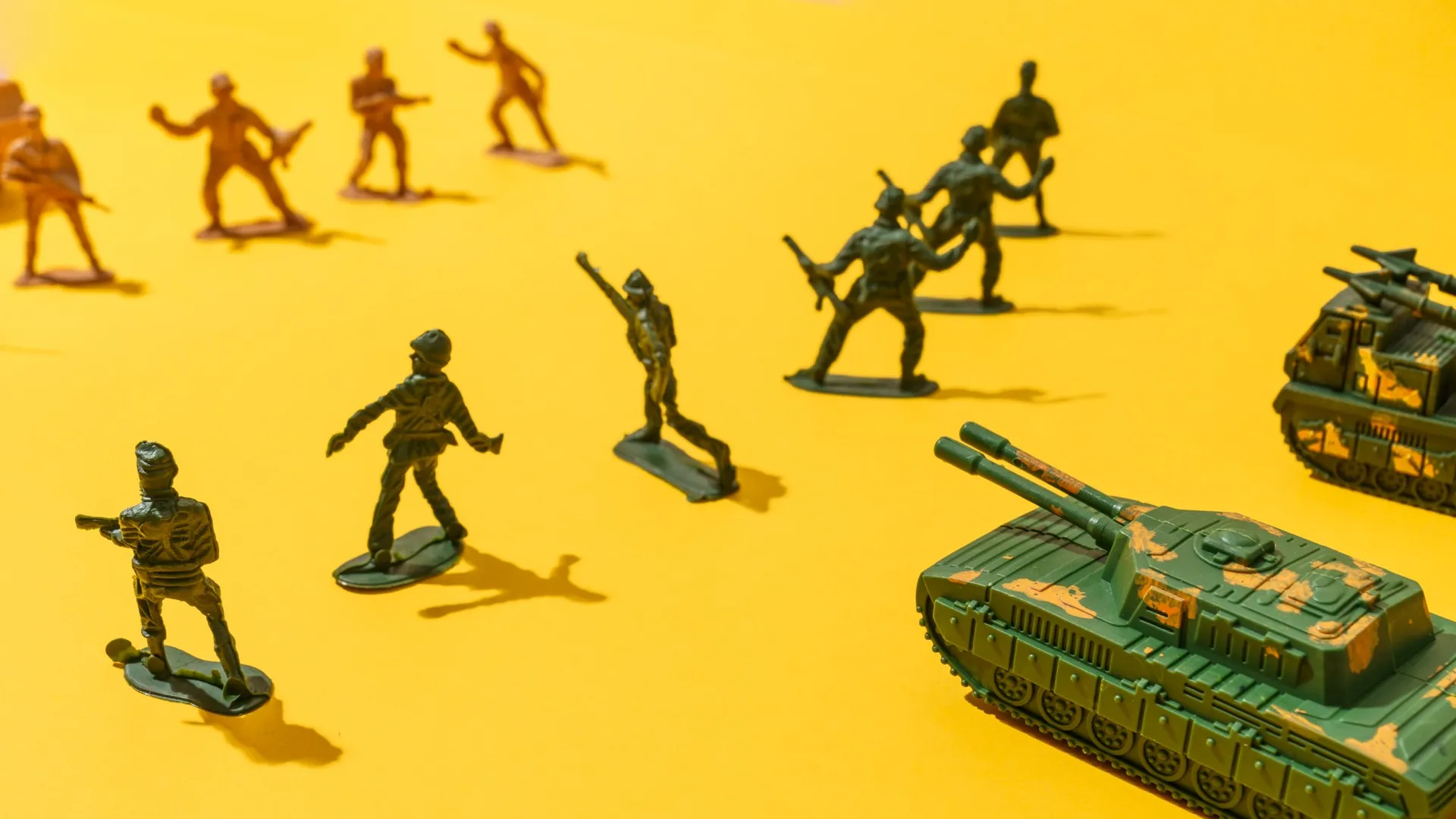
    The rules of war

    The rules of war are under scrutiny following Israel’s alleged use of white phosphorus and Donald Trump’s threats to wipe out a civilisation.

    Reports from Human Rights Watch that Israel has targeted southern Lebanon with “notorious” white phosphorus munitions are “reigniting accusations that it is breaking the laws of war”, said The Guardian. Legal experts have also challenged Trump’s threats against Iran, pointing out that “collective punishment on a population and the targeting of protected civilian infrastructure are prohibited under international law”, said ABC News. 

    What constitutes a war crime?
    War crimes are “violations of international humanitarian law” that, unlike genocide and crimes against humanity, “always take place in the context of an armed conflict, whether international or not”, said the UN. These crimes include cases of murder, torture, pillage and intentionally directing attacks against civilians and non-combatants such as humanitarian aid workers, as well as the deliberate targeting of religious and educational buildings, hospitals and, in some cases, vital infrastructure such as power stations and key transport links. The use of weapons banned by international conventions, such as chemical weapons or cluster munitions, can also be considered a war crime.

    The Geneva Conventions of 1949, and their Additional Protocols introduced in subsequent decades, are international treaties that serve as the “most important rules limiting the barbarity of war”, according to the International Committee of the Red Cross. 

    What happens to those who break the rules?
    The International Criminal Court (ICC), established under the Rome Statute in 2002, states that it “investigates and, where warranted, tries individuals charged with the gravest crimes of concern to the international community”.

    “Champions of the court say it deters would-be war criminals, bolsters the rule of law, and offers justice to victims of atrocities,” said the Council on Foreign Relations (CFR) think tank. Yet it has also “faced criticism from many parties” and has been fundamentally weakened by the refusal of several major powers to join. As well as the US, Russia and China, non-signatories include India, Egypt, Iran, Israel, Sudan, Syria, Ethiopia, Indonesia, Iraq, North Korea, Saudi Arabia and Turkey. 

    Recent arrest warrants for national leaders including Russia’s Vladimir Putin and Israel’s Benjamin Netanyahu have “generated mixed reactions from Washington and raised questions over the future of the court”.


    QUOTE OF THE DAY

    “Anna, I think it’s going to be all right.”

    Meryl Streep’s words of reassurance to Anna Wintour about “The Devil Wears Prada 2”. The former Vogue editor told the magazine that she called her big-screen alter ego after first learning about the sequel, because “I trusted her implicitly” to judge the script.


    Poll watch

    Almost two-thirds (64%) of voters in Wales think the UK government is doing a bad job, and the Welsh government fares little better. As the Senedd election campaign gets under way, a YouGov poll of 1,092 adults found that 51% are dissatisfied with the Labour lawmakers in Cardiff Bay.


    TALKING POINT

    Artemis II and the value of human space travel

    The cost of space programmes is truly astronomical. By 2028, when the fourth mission in Nasa’s Artemis programme lands astronauts back on the Moon, the agency will have spent $105 billion (£78 billion). That’s quite “a chunk of change”, said USA Today. Spending so much is controversial, especially after “we already did” the Moon thing. Are “science, exploration and the possible value of moon materials” really worth it, or would that all public money be better spent on ”healthcare or tax cuts”?

    ‘Futile pursuits of prestige’
    “It’s absolutely self-evident to me that space exploration is pointless,” said Zoe Williams in The Guardian. And the more crises there are “besetting this planet we live on, the more pointless it becomes”. The US, “of all nations”, has bigger issues to deal with, so “seriously, Nasa, can you not just knock it off”?

    Ordinary Americans are tired of “these absurd expressions of vanity, these futile pursuits of prestige”, said space historian Gerard DeGroot on UnHerd. Even the Apollo missions in the late 1960s “were not as popular as Nasa pretended”: opinion polls showed “support was consistently below 50%”, with women, people of colour and the poor, in particular, questioning the “obscene cost”.

    ‘Effect on our collective imaginations’
    I’ve always thought the so-called “choice” between “advancing to the stars and solving problems back on Earth” to be “a false one”, said Séamas O’Reilly in The New Statesman. Yes, the Artemis budget “may seem hard to justify”, but “this elides the truth” of the “titanic boost to science, technology and economies back home”.

    Nasa’s Apollo programme “returned around $7 to the US economy for every $1 spent”. In all of our homes, we can see “developments made at the bleeding edge of space”: if you have a laptop, a camera phone or a memory foam mattress, “you have Nasa to thank”. The same goes for advancements in water purification, landmine removal and artificial limbs – “not to mention the invention of ear thermometers and CAT scans”.

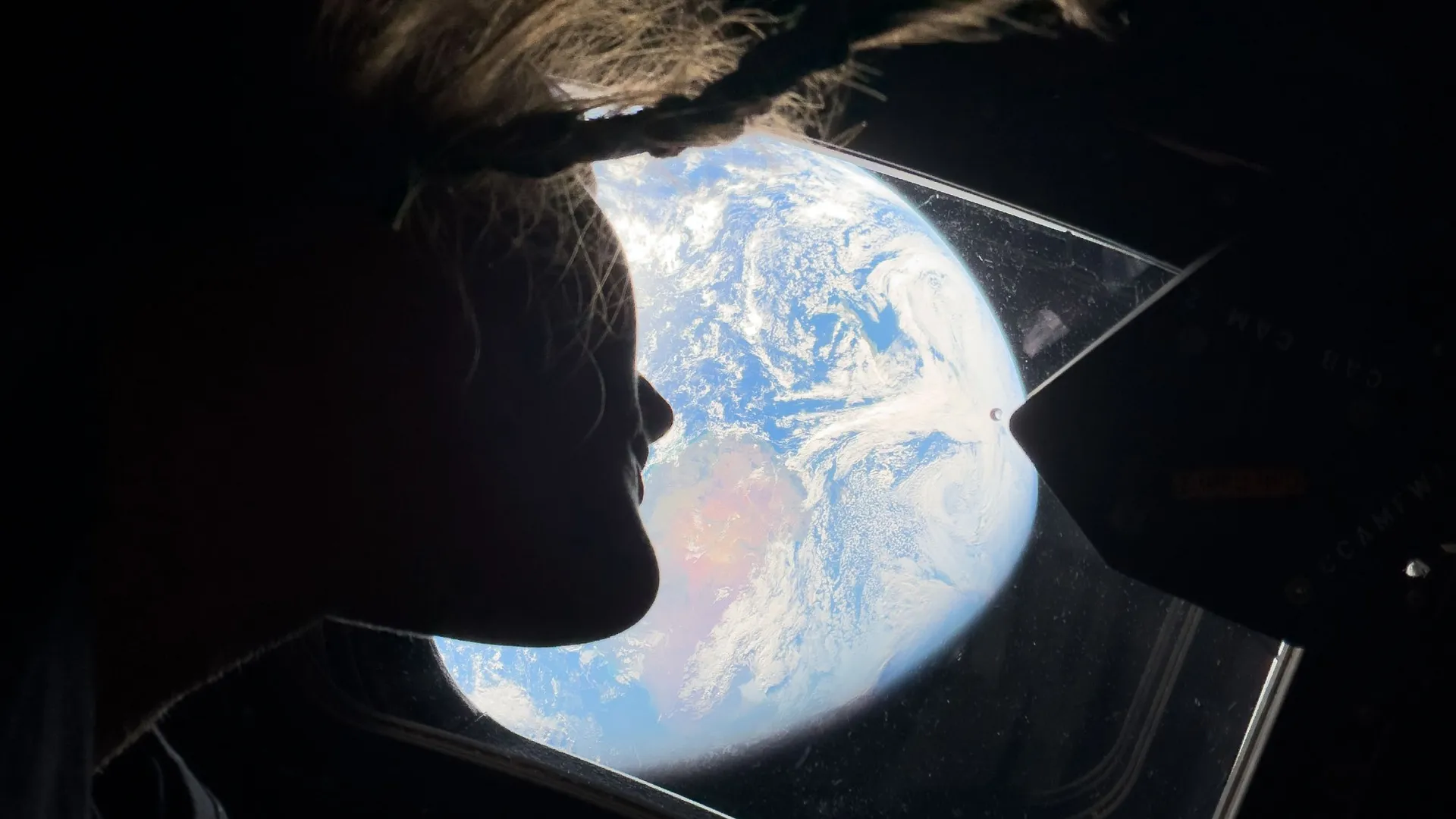
    And if those images beamed back from the Artemis II this week didn’t “catch the breath” in your throat, you can’t “be fully alive”, said Sam Leith in The Spectator. “The experience of seeing the Earth photographed from space” has “an effect on our collective imaginations”. The Apollo 8 “Earthrise” image, for example, is widely thought to have “kick-started the modern environmental movement”.


    Good day 🏗️

    … for building big, as JPMorgan Chase plans the construction of one of Europe’s tallest office towers in London’s Canary Wharf, after overcoming height restrictions linked to nearby London City Airport. According to the Financial Times, the proposed £3 billion skyscraper would stand 265 metres tall – 30 metres higher than One Canada Square, currently the Wharf’s tallest building.


    Bad day 👕

    … for just doing it, as Nike takes a kicking over a design flaw in its World Cup football kits. Fans complained after noticing an unsightly bulge along the shoulder seam of many of the new shirts debuted by players during the recent men’s international break. “Performance is unaffected, but the overall aesthetic is not where it needs to be,” a Nike spokesperson told The Guardian.


    PICTURE OF THE DAY

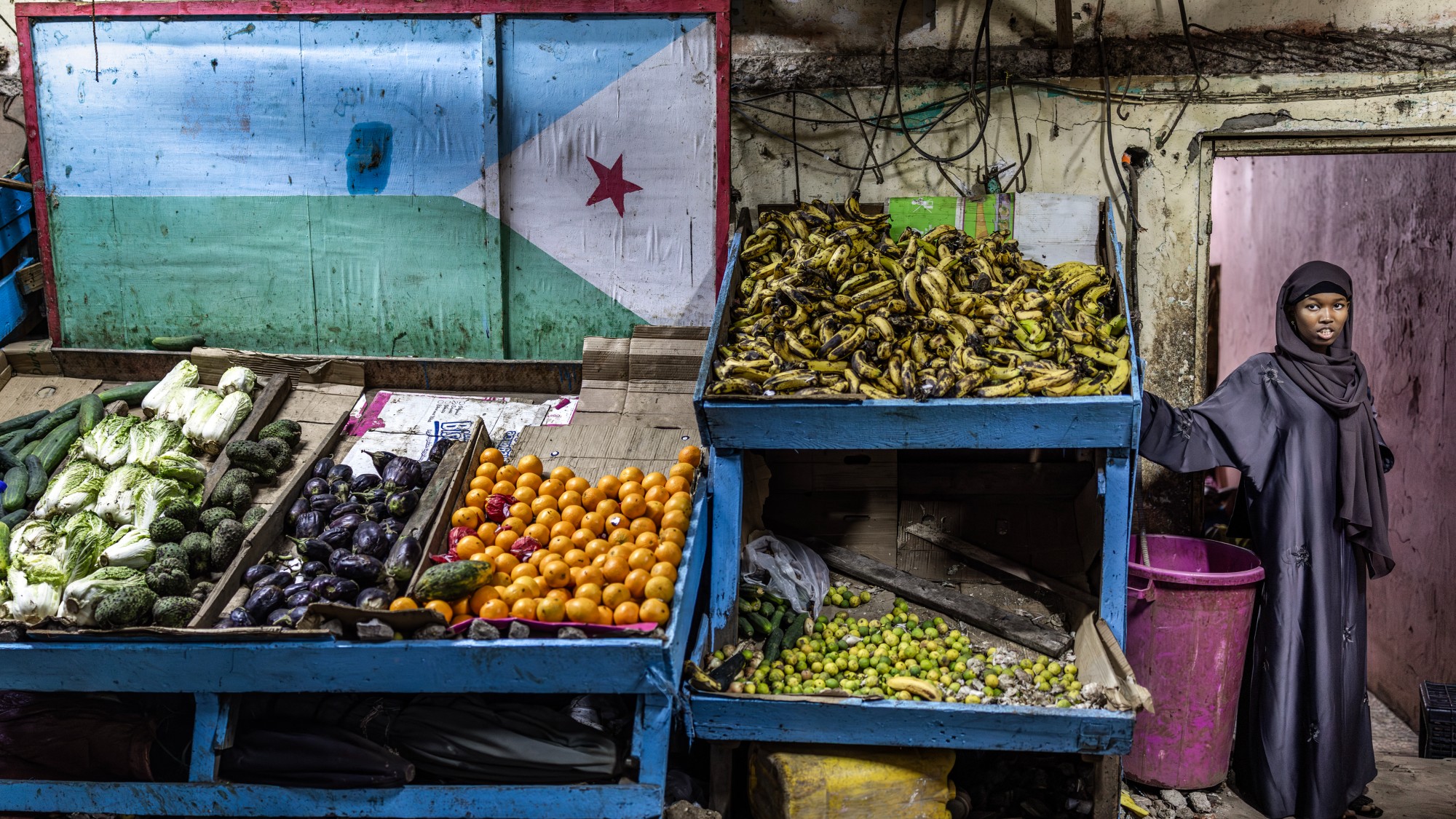
    Stalled progress

    A woman pauses beside an open-air market stall decorated with the Djibouti flag in Djibouti City. The East African nation is holding a presidential election on Friday, when incumbent Ismaïl Omar Guelleh, in power since 1999, is expected to secure a sixth term. 

    Luis Tato / AFP / Getty Images


    Puzzles

    Guess the number

    Try The Week’s daily number challenge in our puzzles and quizzes section

    Play here


    THE WEEK RECOMMENDS

    The Testaments: ‘magnificent coming-of-age’ story

    The TV adaptation of Margaret Atwood’s “The Handmaid’s Tale” was so “relentlessly bleak” that I had to stop watching, said Lucy Mangan in The Guardian. Now, the showrunner behind the original series, Bruce Miller, has brought Atwood’s Booker Prize-winning sequel to the small screen. “Brace yourselves.”

    “The Testaments” picks up a few years after the events of the first book, when we meet the “next generation of Gilead women”. Agnes (Chase Infiniti) (pictured above) is the daughter of a Commander, attending an “elite preparatory school” run by the formidable Aunt Lydia. “Yes, that Aunt Lydia.” Ann Dowd resumes her “The Handmaid’s Tale” role as a “genuinely savage Miss Trunchbull”.

    Agnes is put in charge of new student Daisy (Lucy Halliday), a “Pearl Girl” brought to the school by Gilead missionaries and “generally suspected by the other pupils” of spying for the teachers. The two girls’ increasingly “close and complicated” relationship forms the “backbone” of the series.

    Like its predecessor, “The Testaments” is a “disturbing” watch, said Aramide Tinubu in Variety. An “exemplary” follow-up to the original show, this is both a powerful tale of “girlhood, survival, rage and friendship”, and a “magnificent coming-of-age” story.

    Following her starring role in “One Battle After Another”, Infiniti brings “electric A-lister aura” to Agnes, said Ed Power in The Telegraph, and Aunt Lydia is the “same disturbing mix of contradictions” that she always was. Despite its dark subject matter, there is “fun to be had watching young people navigate the trials of growing up”. The school might be “hell on Earth, but it’s also ‘Mean Girls’ with a dystopian twist”.

    “The Handmaid’s Tale” became “murky and frenetic”, but this sequel “pops” with the pupil’s jewel-coloured robes, said Nick Hilton in The Independent. Yet while the tone is lighter and the pace quicker, the show continues to depict how a society can “backslide into regression and repression”. This is a “young adult epic for the ages”.


    Statistic of the day

    €2.50: How much Ryanair staff get for each passenger they catch and charge for having oversized cabin bags. The airline’s boss, Michael O’Leary, said the scheme has dramatically reduced the number of breaches, and after scrapping an €80-per-month cap on the bonuses, “now we’re down to less than 0.1%”.


    instant opinion

    Today’s best commentary

    Graduates are the canary in the coalmine for a failing welfare system
    Anne Strickland in City A.M.
    The student loans “crisis” exemplifies “Britain’s fiscal model: a successful few carry the cost for everyone else”, writes Anne Strickland of The TaxPayers’ Alliance. “Pensions, healthcare, energy bills all depend on the same overtaxed cohort” – and then “politicians start demanding bailouts” when “geopolitical shocks” push bills higher. “This is how countries become bankrupt.” We must “start saying no to demands we can’t afford”, or “the productive people that the state has relied on” will “stop bothering or simply leave”.

    The menace of extreme cats must end
    Ariane Sherin for The Telegraph  
    “Don’t purchase a pedigree cat,” writes stand-up comedian Arian Sherine. They are “too inbred for comfort” and come with “heftier vet bills, shorter lives and endless health problems”. While their “cuteness” makes them “massively popular”, their “extreme conformations” cause them “torment”. I wish “a lifetime of cat-related grievances” on their “snobby, status-fuelled owners”: “hair all over their favourite Jermyn Street shirts, long claw scratches in their Heal’s furniture” and “fur balls in their premium spaghetti bolognaise”.

    The doctors’ strike is about more than money
    Phil Whitaker in The New Statesman
    The government is clearly deeply frustrated by “its inability to resolve the resident doctors’ dispute”, writes physician Phil Whitaker. But these strikes are “about something more fundamental” than pay. The “belief in policy circles” is that “what expensively trained doctors do can be delivered by lesser qualified and cheaper staff”. That means the “‘oncologist’ or ‘surgeon’ you see” in the future “might not have undergone medical training”. NHS bosses “think that will be OK”; most medics “emphatically disagree”.


    word of the day

    Nautilus

    A multi-tentacled animal with an external shell. New research suggests that a 300-million-year-old fossil featured in the Guinness World Records as the remains of the world’s oldest octopus was actually a partly decomposed nautilus. The discovery solves the mystery of a 150 million-year gap between the fossil and other fossilised octopuses, according to a study in the journal Royal Society B: Biological Sciences. 


    Evening Review was written and edited by Jamie Timson, Will Barker, Elliott Goat, Chas Newkey-Burden, Irenie Forshaw, Adrienne Wyper, Helen Brown and Kari Wilkin, with illustrations from Stephen P. Kelly.

    Image credits, from top: illustration by Stephen P. Kelly / Shutterstock / Getty Images; Javier Zayas Photography / Getty Images; NASA / Getty Images; Luis Tato / AFP / Getty Images; Hulu / TCD / Prod.DB / Alamy

    Morning Report and Evening Review were named Newsletter of the Year at the Publisher Newsletter Awards 2025
     

    Recent editions

    • Morning Report

      Trump pauses Iran strikes at eleventh hour

    • Evening Review

      Is there a Nato without the US?

    • Morning Report

      Artemis II crew begin journey home

    VIEW ALL
    TheWeek
    • About Us
    • Contact Future's experts
    • Terms and Conditions
    • Privacy Policy
    • Cookie Policy
    • Advertise With Us
    • FAQ
    Add as a preferred source on Google Add as a preferred source on Google

    The Week UK is part of Future plc, an international media group and leading digital publisher. Visit our corporate site.

    © Future Publishing Limited Quay House, The Ambury, Bath BA1 1UA. All rights reserved. England and Wales company registration number 2008885.