The Week The Week
flag of US
US
flag of UK
UK
https://cdn.mos.cms.futurecdn.net/flexiimages/jzblygzdxr1769609154.gif

SUBSCRIBE

Try 6 weeks free

Sign in
  • View Profile
  • Sign out
  • The Explainer
  • Talking Points
  • The Week Recommends
  • Podcasts
  • Newsletters
  • From the Magazine
  • The Week Junior
  • More
    • Politics
    • World News
    • Business
    • Health
    • Science
    • Food & Drink
    • Travel
    • Culture
    • History
    • Personal Finance
    • Puzzles
    • Photos
    • The Blend
    • All Categories
  • Newsletter sign up Newsletter
  • The Week Evening Review
    Palestine Action reaction, autism diagnoses, and the end of the long summer holiday?

     
    TODAY’S BIG QUESTION

    What now after Palestine Action ban ruled unlawful?

    The High Court ruling that it’s unlawful to ban Palestine Action has created an almighty “mess”, said The Independent.

    The three-judge panel concluded on Friday that the proscription of the direct-action group as a terrorist organisation was “disproportionate” because only “a very small number of Palestine Action’s activities amounted to acts of terrorism”.

    But Home Secretary Shabana Mahmood has indicated that the government will appeal the judgement, so the ban remains in place for now – leaving Palestine Action’s supporters, the police and prosecutors in a “legal twilight zone”, said the Financial Times. 

    What did the commentators say?
    This ruling is “fantastically naive”, said barrister Alexander Horne in The Spectator. “Rather than making it clear that groups which incite action against UK defence targets” can be banned, “it encourages legal uncertainty and is likely to embolden further such activity”.

    “There are better ways” for Palestine Action to win arguments “than by using violence”, said The Independent’s editorial board. But “it was always absurd” to categorise the group as terrorists, putting it “in the same bracket” as al-Qaida or Hezbollah. The “mistake” the government  made “was to choose the wrong measure to keep the peace”.

    “Never before had a direct action group been banned,” said Haroon Siddique, The Guardian’s legal affairs correspondent. Now “not only has the government suffered a humiliating defeat, it has transformed Palestine Action from a little-known protest group to one that is on the front page of newspapers”.

    The Metropolitan Police has already indicated that it would no longer arrest people holding placards expressing support for the group. “Once the ban is fully quashed,” said Harriet Williamson on Novara Media, Palestine Action supporters “who have been arrested under the Terrorism Act“ will “have grounds to sue” the police. 

    What next?
    While the ruling is “embarrassing”, said The New Statesman, the quashing of the proscription could actually get the Home Office “out of a hole”: most of the 2,000 people arrested are “pushing” for expensive, court-clogging “jury trials”.

    The High Court’s decision has also “triggered calls for the whole system of proscription to be overhauled”. The Independent Commission on Counter-Terrorism last year advised that the definition of terrorism should be tightened up, and now it looks set to “lobby for proper parliamentary oversight of proscription orders”.


    THE EXPLAINER

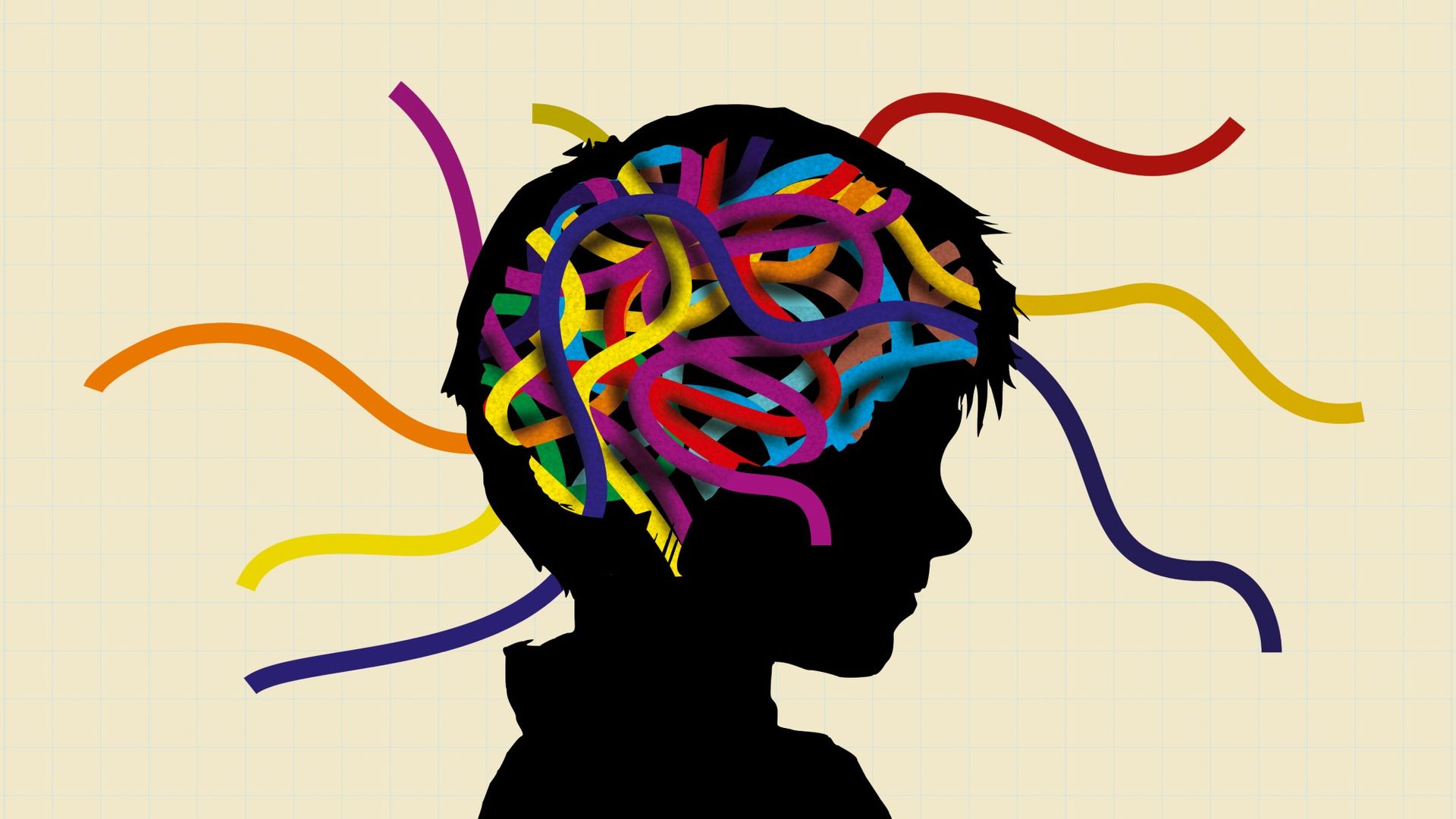
    The problem with diagnosing profound autism

    There is growing demand to separate “profound autism” into its own diagnosis, outside current parameters.

    Since 2013, autism diagnoses have been split into three levels, ranging from “some support required” to “requires very substantial support”, said The Autism Service. The addition of a “profound autism” category was first proposed in 2022 by a board of international experts in The Lancet. 

    Those who support the idea think it could bring welcome extra support to those who require it most, but critics say it could mean other members of the autistic community are neglected.

    What is profound autism?
    The proposed term would describe individuals with autism who “have little or no language (spoken, written, signed or via a communication device), who have an IQ of less than 50, and who require 24-hour supervision and support”, said neurodevelopment experts Kelsie Boulton, Marie Antoinette Hodge and Rebecca Sutherland on The Conversation. 

    In their study of 513 autistic children assessed between 2019 and 2024, they found that around 24% met, or were likely to meet, the criteria for profound autism.

    Why is the new definition needed?
    Having a more specific category in future clinical guidelines could allow governments, disability services and clinicians to plan and deliver support more effectively, said the research trio. Recent broadening of the current spectrum means it is possible that those with the highest needs are “overlooked”, so the new category would “rebalance their under-representation in mainstream autism research”.

    Current understanding of an autistic spectrum ranging from “mild” to “severe” can be “misleading”, said public health professor Aimee Grant on The Conversation. Autism is made up of many different elements, so “there can be no single line on which every autistic person is placed”.

    What are the arguments against it?
    Some experts say a new category would be “unhelpful”, said Grant. On its own, “it tells us nothing about a person’s particular challenges or the type of support they require”.

    Some advocates in the autism community see “unity as the best protection for everyone on the spectrum” and value being “part of one shared story”, said Forbes. Others in the community fear that creating a separate diagnosis would “reduce attention on the broader spectrum and the individual needs of everyone on it”, said The Independent.


    QUOTE OF THE DAY

    “I can say to you with confidence that President Trump is deeply committed to your success.”

    US Secretary of State Marco Rubio assures Hungarian Prime Minister Viktor Orbán he has the support of the Trump administration ahead of the country’s consequential parliamentary elections in April. Orbán is currently trailing opposition leader Péter Magyar in opinion polls. 


    Poll watch

    Most people in Western countries believe we are heading for global war, according to a new Politico/Public First poll of 10,289 adults across the US, Canada, the UK, France and Germany. In the UK, 43% said a new world war is “likely” or “very likely” to break out by 2031– up from 30% in March 2025.


    IN THE SPOTLIGHT

    Should ‘bizarre’ timing of school holidays be changed?

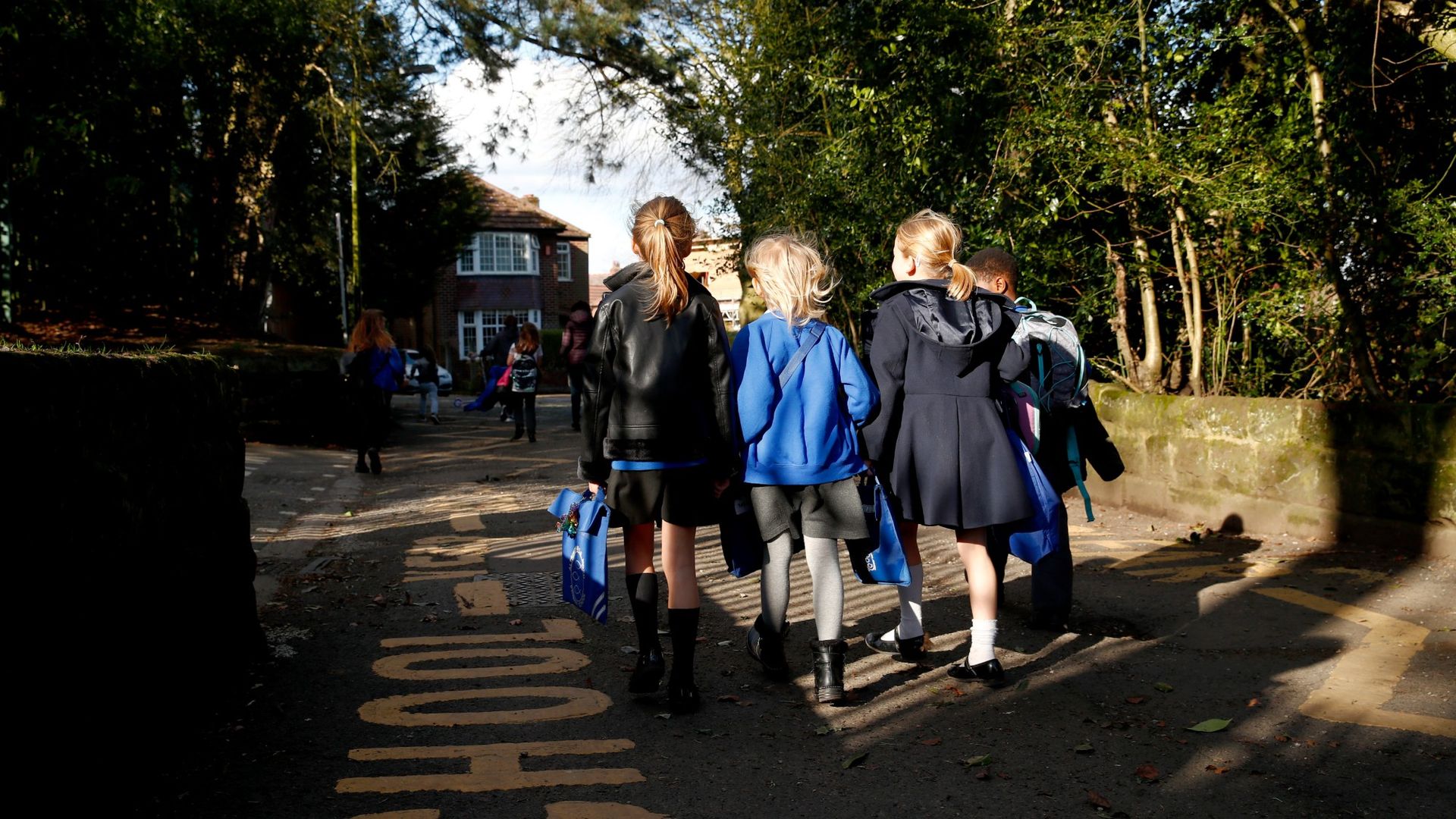
    As most parents in England tackle the first day of the February half-term, they may welcome the head of Ofsted saying it’s time to “have a good old look” at the “bizarre” timing and length of school holidays.

    Martyn Oliver, the chief inspector of the school watchdog, told the Financial Times that current arrangements might be worsening the “stubborn” gap between advantaged and disadvantaged children.

    Harvesting history
    Most state schools in England have a six-week summer holiday, two weeks at Christmas and Easter, plus three one-week half-term holidays. Oliver called for a “debate” about shortening these holidays so that children spend more time in class, because pupils are in school for a “ridiculously low” proportion of each year: only 190 days in total.

    “It’s interesting to think that the holiday period was very much determined around harvesting fields,” he said. “Some things are pretty bizarre.” He also pointed out that it’s “pretty hot usually in May, June and July, just at the point you’re asking children to sit down and take an exam”.

    “Six weeks is a long time away from learning,” said the BBC’s education editor, Branwen Jeffreys – particularly for children whose parents are working or who “can’t afford lots of costly day trips, activities or a long family holiday”. All children “may forget a little of what they have learnt”, but better-off families can “enrich their understanding by giving them other experiences”, which “widens the learning gap”.

    Regional variations
    The school year schedule in Scotland is causing “fatigue for both children and school staff”, said Gillian Hunt, an education consultant and former teacher, in a report for the Enlighten think tank last year. She called for a four-term year to reflect “modern society”. Like England and Wales, Scotland has a six-week summer break, but it tends to start and end earlier, meaning that the autumn term begins in mid-August. In Northern Ireland, schools close for all of July and August.

    A report by the Nuffield Foundation in 2024 said that it was “time to consider reforms to a school calendar that has been stuck in place since Victorian times”. It also argued that “spreading school holidays more evenly across the year could improve the working lives of teachers”.


    Good day 🗳️

    … for Reform UK, after the government abandoned plans to cancel some local elections in May, in the face of a legal challenge by Nigel Farage’s party. The ballots in 30 local authorities will now go ahead, reversing the decision to delay them until 2027. 


    Bad day ⚖️

    … for Jennifer Aniston and Rishi Sunak, among others, as experts say intermittent fasting “may make little to no difference in weight loss”. The Cochrane review of 22 studies involving 2,000 adults did however find that the practice of eating nothing on some days may still improve overall health.


    picture of the day

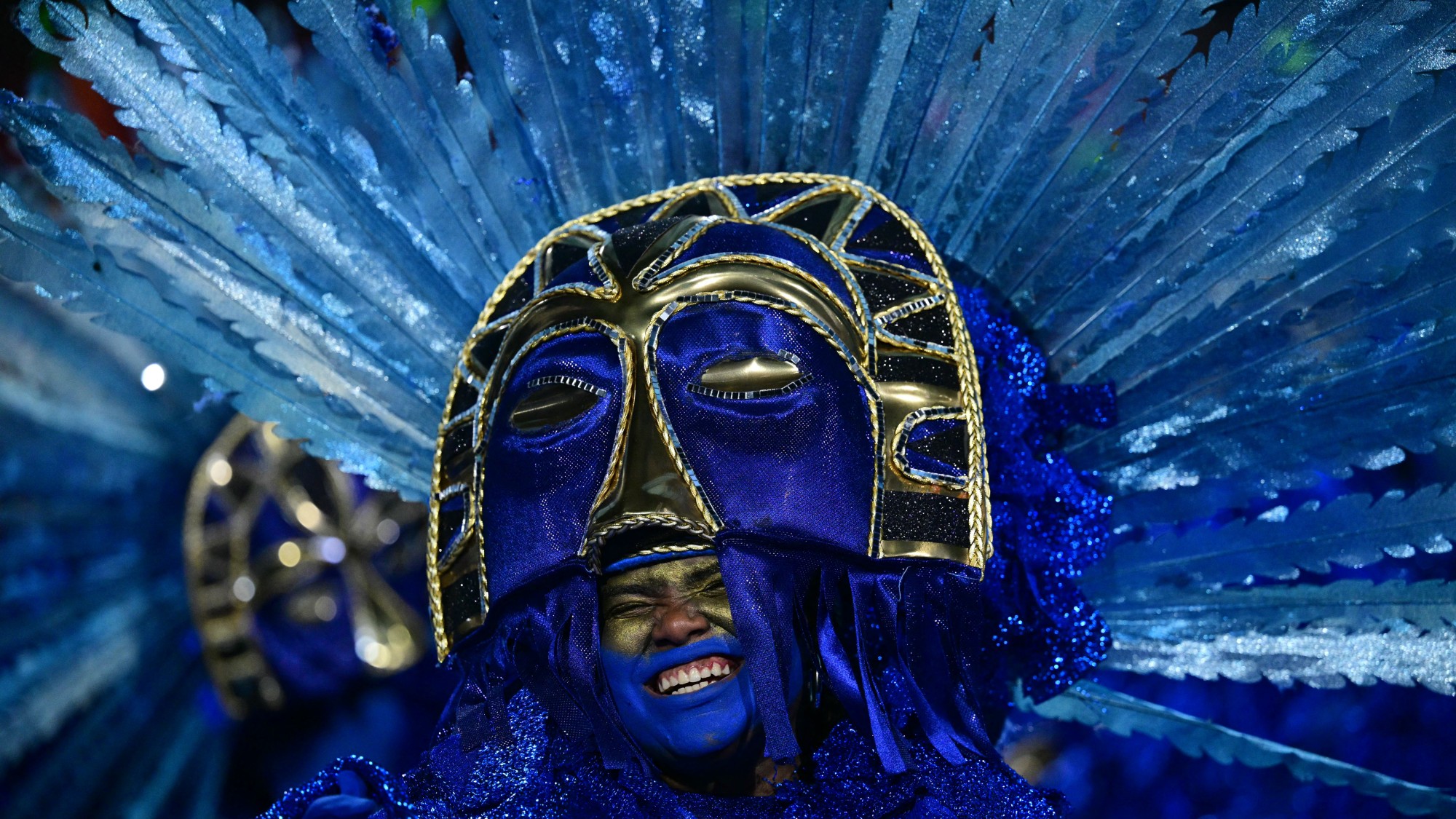
    Just a little samba

    A Portela samba school reveller performs on the opening night of the Rio Carnival. It is considered the biggest celebration of Carnival in the world, with two million people per day on the streets of Rio de Janeiro. There are three days of parades, featuring four top samba schools each day.

    Pablo Porcincula / AFP / Getty Images


    Puzzles

    Guess the number

    Try The Week’s new daily number challenge in our puzzles and quizzes section

    Play here


    THE WEEK RECOMMENDS

    ‘Swicy’ hot honey is ‘here to stay’

    When hot honey burst onto the food scene about five years ago, it was “something unusual” to drizzle over pizza or use as a meat or halloumi glaze, said Lucy Knight in The Guardian. But now the demand for it has “gone a bit crazy”.

    It’s all about its “swicy” – sweet and spicy – appeal. For Gen Z in particular, “swiciness reigns supreme”. And even brands like Walkers and Kellogg’s Crunchy Nut have jumped on board, with limited-edition hot-honey-flavoured crisps and cornflakes.

    It’s definitely the “buzzy new flavour sheriff in town”, said Abha Shah in The Standard. Hot honey is versatile and a very “approachable way to enjoy chilli”. 

    You can easily make it yourself: just put some honey in a pan over a low heat and then add dried chilli flakes (or diced fresh chilli) and a dash of vinegar or hot sauce. Simmer gently and then allow to cool. Strain the chilli out before serving or, if you like a bit of punch, leave it in.

    If you’d rather buy it from the professionals, the “acacia and Pasilla chilli pepper rendition” in Daylesford Hot Chilli Honey, £15, is a seductive luxury choice, said Shah in The Standard

    Hot honey may have “made waves” in the food industry but it does split opinion, said Alice Reynolds in The Independent. It’s “arguably the new Marmite” because people “either hate it or can’t get enough.” Either way, “it’s here to stay’.


    Statistic of the day

    $16.49m: The amount that venture capitalist A.J. Scaramucci, son of former White House communications director Anthony Scaramucci, has paid Logan Paul for an ultra-rare Pokémon card – the highest price ever paid for a trading card. The Pikachu Illustrator card is said to be the best-preserved example of one of the rarest Pokémon cards: only 40 are known to exist.


    instant opinion

    Today’s best commentary

    We owe it to every victim of Jeffrey Epstein to better protect women and girls in Britain. And we will
    Jess Phillips in The Guardian
    “‘Never waste a crisis’ is my mantra,” writes safeguarding minister Jess Phillips. Although I’m “furious” that institutions need women “to bleed first”, I see the “fallout from the Epstein files” as “an opportunity to push for” more action. Labour has a target “of halving violence against women and girls”, and I will use the current momentum to get more political attention on this, “like the scrappy kid at the dinner table of a large family that I am”.

    Astrology used to be fun – now it’s ruining my friendships
    Esme Gordon-Craig in The i Paper
    My generation’s “devotion to astrology has gone too far”, writes Esme Gordon-Craig. Friends said “my distress” about work and relationships last month was just “the wolf supermoon” and I should wait for the “personal transformation” coming with “February’s planetary parade”. Yet here I am, “still jobless, single, stressed”. We can’t make compassion “contingent on zodiac signs” or let “tapping into the cosmos” stop us supporting each other. From now on, I shall be “navigating life without planetary assistance”.

    Give Jim Ratcliffe a break. He’s just a billionaire
    Caitlin Moran in The Times
    “Just because” billionaires “have huge houses and helicopters”, writes Caitlin Moran, we “think they’re fine” and don’t “see their problems”. Jim Ratcliffe was criticised for saying Britain has been colonised by immigrants, but I “felt immense sympathy”: the man “runs more than 30 businesses” and, “on top of this already frazzling nightmare”, he has to cope with being a tax exile. He’s “spread wafer thin”. Billionaires “are not masters of the universe”; they’re “very tired, bewildered old men”. 


    word of the day

    Chunyun

    Mandarin for “spring transportation”, and the name of the largest annual mass migration of people in the world, as hundreds of millions cross China this month to celebrate the lunar new year with their family. The Chinese government expects a record 9.5 billion passenger trips to be made during the 40-day festival period, which began yesterday.


    Evening Review was written and edited by Jamie Timson, Will Barker, Chas Newkey-Burden, Elliott Goat, Irenie Forshaw, David Edwards and Helen Brown, with illustrations from Julia Wytrazek.

    Image credits, from top: illustration by Julia Wytrazek / Getty Images; Jonathan Raa / NurPhoto / Getty Images; Clive Brunskill / Getty Images; Pablo Porcincula / AFP / Getty Images; Elena Rui / Getty Images

    Morning Report and Evening Review were named Newsletter of the Year at the Publisher Newsletter Awards 2025
     

    Recent editions

    • Morning Report

      North London hit by ‘fast-spreading’ measles outbreak

    • Sunday Shortlist

      The ‘triumphant return’ of Tom Stoppard’s ‘masterpiece’

    • Saturday Wrap

      Student loans: an ‘aspiration’ tax?

    VIEW ALL
    TheWeek
    • About Us
    • Contact Future's experts
    • Terms and Conditions
    • Privacy Policy
    • Cookie Policy
    • Advertise With Us
    • FAQ
    Add as a preferred source on Google

    The Week UK is part of Future plc, an international media group and leading digital publisher. Visit our corporate site.

    © Future Publishing Limited Quay House, The Ambury, Bath BA1 1UA. All rights reserved. England and Wales company registration number 2008885.