The Week The Week
flag of US
US
flag of UK
UK
https://cdn.mos.cms.futurecdn.net/flexiimages/jzblygzdxr1769609154.gif

SUBSCRIBE

Try 6 weeks free

Sign in
  • View Profile
  • Sign out
  • The Explainer
  • Talking Points
  • The Week Recommends
  • Podcasts
  • Newsletters
  • From the Magazine
  • The Week Junior
  • More
    • Politics
    • World News
    • Business
    • Health
    • Science
    • Food & Drink
    • Travel
    • Culture
    • History
    • Personal Finance
    • Puzzles
    • Photos
    • The Blend
    • All Categories
  • Newsletter sign up Newsletter
  • The Week Evening Review
    The Gulf’s next move, a ‘golden age’ of HIV treatment, and the 2016 trend

     
    TODAY’S BIG QUESTION

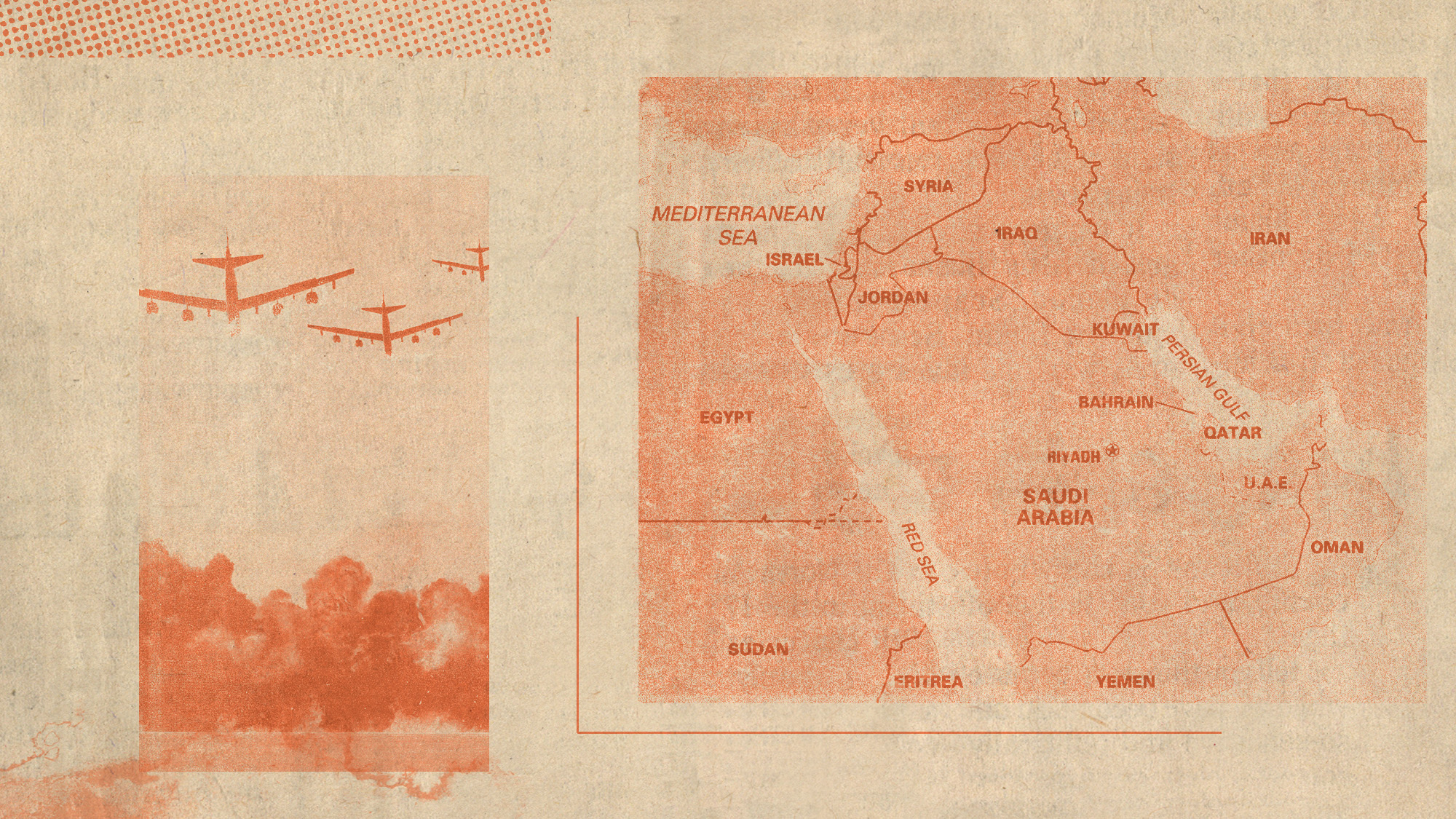
    Will the Gulf states enter the Iran conflict?

    As Iran attacks its Middle Eastern neighbours in response to US strikes, the Gulf states “face a difficult choice”, said Samer Al-Atrush in The Times. Either they press Donald Trump to “end the war quickly” or encourage him to “double down and hit Iran even harder, possibly with their help”. Neither option is “ideal for an energy-rich region that has been sucked into a war it had hoped to avoid”.

    The Gulf Cooperation Council – a six-member organisation including the UAE and Qatar – have not ruled out using force, and Qatar’s foreign ministry has said the aggression from Iran “cannot go unanswered”.

    What did the commentators say?
    The Islamic regime is banking on “inflicting as much pain on the region until it begs Trump to end the war”, said Al-Atrush in The Times. But this could have the opposite effect. If the Gulf states abandon their current “defensive posture”, they could quickly “escalate” the conflict by allowing the US to use their airspace and bases for attacks on Iran, or “even conduct their own”.

    The Gulf states “did not want this confrontation”, said Al Jazeera, and Iranian air strikes pose a serious threat to their “vulnerable infrastructure”. If power grids and water desalination plants are bombed out of action, “the scorching hot and bone-dry Gulf countries are essentially uninhabitable”, Monica Marks, a professor of Middle East politics at New York University Abu Dhabi, told the site.

    The current turmoil also risks “undoing years of work to de-risk the region” and develop its thriving economies, said Kristian Coates Ulrichsen, of Rice University, on The Conversation. The Gulf states are “critical hubs in the global economy” for oil, gas, international shipping and travel. Gulf states have “long viewed the Islamic Republic as a menace”, said The Economist, but they made concerted efforts towards “rapprochement with their foe, hoping to avoid exactly this scenario”.

    What next?
    It is “possible” that Gulf states’ forces will “enter the war directly”, Andreas Krieg, from King’s College London, told Deutsche Welle. But it’s more likely that they will engage in “narrow self-defence” operations rather than widespread offensive strikes. As well as trying to maintain diplomatic channels – probably through Oman and Qatar – the Gulf states will also look to “improve their defensive posture” and protect their critical infrastructure.


    THE EXPLAINER

    The ‘golden age’ of HIV treatment

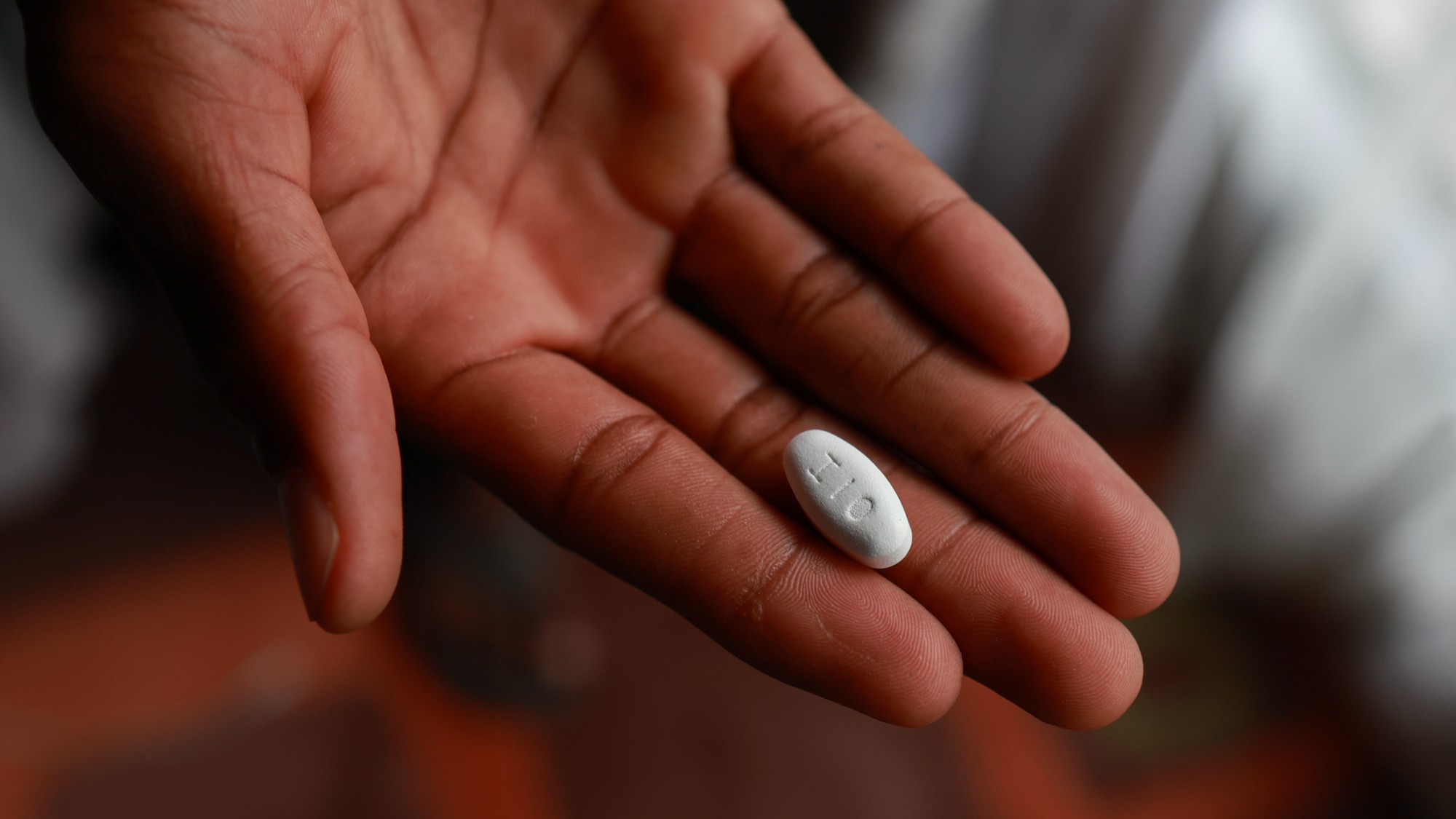
    A new single-pill HIV treatment has proved as effective as a course of up to 11 tablets a day in suppressing the virus in hard-to-treat patients. It’s “a potential breakthrough for a growing cohort of long-term HIV survivors” who are resistant to standard treatments and struggle with complex medication schedules, said the Financial Times. Along with the rollout of a twice-yearly jab to prevent HIV infection, this represents “the latest advance in a scientific ‘golden age’ for treating the virus” – even as wealthy countries cut their funding.

    How effective is the new single-dose pill?
    In a study spanning 15 countries, researchers recruited more than 550 people living with HIV for whom conventional therapies were no longer effective. They had a median age of 60, many had other health conditions, and their HIV treatment involved taking between three and 11 pills a day.

    For the research, they were randomly assigned to continue their treatment or switch to the new single pill. Almost 96% of those who switched continued to suppress the virus, without new signs of drug resistance, according to results published in The Lancet. That was a similar rate to the control group who stayed on their more complicated multi-pill treatment. And the “switchers” found the new regimen easier to follow and experienced a decrease in some side effects, such as elevated cholesterol levels.

    The findings are “game-changing” for people who have lived with the virus for decades and have conditions “associated with ageing”, said study lead Chloe Orkin, a professor of infection and inequities at Queen Mary University of London.

    How do the HIV-preventive injections work?
    A twice-yearly jab of lenacapavir was shown in 2024 clinical trials to be 100% effective at preventing new HIV infections. An injection like this has a clear advantage over daily prevention pills in poorer countries, where patients – particularly young women – might struggle to access clinics or feel stigmatised for seeking treatment. The World Health Organization recommended the jab last year, when director general Tedros Adhanom Ghebreyesus described it as “the next best thing” to an HIV vaccine.

    There was initial concern that the drug would not be affordable in poorer countries, but manufacturer Gilead then granted licences to six manufacturers to produce generic versions of the drug in 120 low- and middle-income countries, at a cost of $40 (£29) per patient per year. This is a “historic breakthrough”, said Philippe Duneton of the Unitaid global-health initiative.


    QUOTE OF THE DAY

    “Is that it?”

    Conservative shadow chancellor Mel Stride responds to the chancellor’s Spring Statement, which lasted just over 20 minutes. Rachel Reeves told MPs that a stable economy was key in “an increasingly uncertain world”, but announced no new policies or tax changes.


    Poll watch

    The Greens are now the country’s second most popular party following their Gorton and Denton by-election victory, according to a YouGov survey of 2,073 voters. The voting intention poll, for Sky News and The Times, put Reform UK on 23%, followed by the Green Party on 21%, with Labour and the Conservatives tied in third place on 16%.


    IN THE SPOTLIGHT

    Why people are nostalgic for 2016

    A decade on, 2016 is “making a comeback”, said NBC News. Instagram and TikTok are flooded with people “reminiscing about what they viewed as an iconic year for popular culture and the internet”. Many, including celebrities, have been digging out “hyper-filtered photos of themselves a decade ago”, in the latest example of the past being romanticised “as a form of escapism”.

    Pining for ‘good old days’
    “Grainy images of açai bowls and sunsets” are once again doing the rounds thanks to the 2016 trend, said The New York Times. And don’t forget the skinny jeans, choker necklaces and “Snapchat filters that put flower crowns and dog noses on our faces”. This “gaze backward to the not-so-distant past” is another “acceleration of nostalgia online”, where trends can “burn bright and die fast, making the landscape of just a few years ago feel like a foreign country”.

    It can all be traced back to an “ironic Gen-Z joke that turned into a sincere movement” known as the Great Meme Reset, in which TikTokers “pined for the good old days, before the web became infested with AI-generated brainrot”, said Forbes. They proposed that social media users “reset” the internet by “posting classic memes to drown out low-effort engagement bait” and spark a “comeback for forgotten trends”. And 2016 was chosen as the “golden age of memes, right before the perceived decline”.

    Of course, the internet wasn’t as “bright and cheerful as it’s being remembered”. But it wasn’t “quite as gamified and monetised as it is today” either, with more casual users “posting selfies and sharing random thoughts with their followers, just for the sake of it”.

    Some things don’t change
    All this “Coachella-flower-crowned nostalgia” fails to show that 2016 was “chock-full of horrors, too”, said Andrea González-Ramírez at The Cut. The year brought a bevy of controversies and low points, from Brexit to US shootings and a Zika outbreak.

    It was also the year that Donald Trump was first elected, signalling a major shift in the political atmosphere. The world has become a “scarier, more challenging, and more divided place over the past decade”. But with Trump “back in office pursuing his agenda more aggressively than in his first term”, and “high-profile law-enforcement shootings” still dominating US headlines, in some ways it’s like “we never left 2016”.


    Good day 🧅

    … for teary chefs, who are increasingly turning to a variety of onion that doesn’t make eyes water. Sales of the less-pungent Smile Ball onion, cultivated on Japan’s northern island of Hokkaido, are forecast to rise to 180 tonnes this year and to increase fivefold by 2029, according to newly published market research.


    Bad day 😾

    … for cat owners, as researchers warn that their feline friends would not help them in a bind. In a study by a team from Hungary’s Eötvös Loránd University, dogs and toddlers generally helped when their human caregiver looked for a “lost” object, but cats typically only assisted if it was something they wanted, such as a treat or toy.


    picture of the day

    Highly anticipated

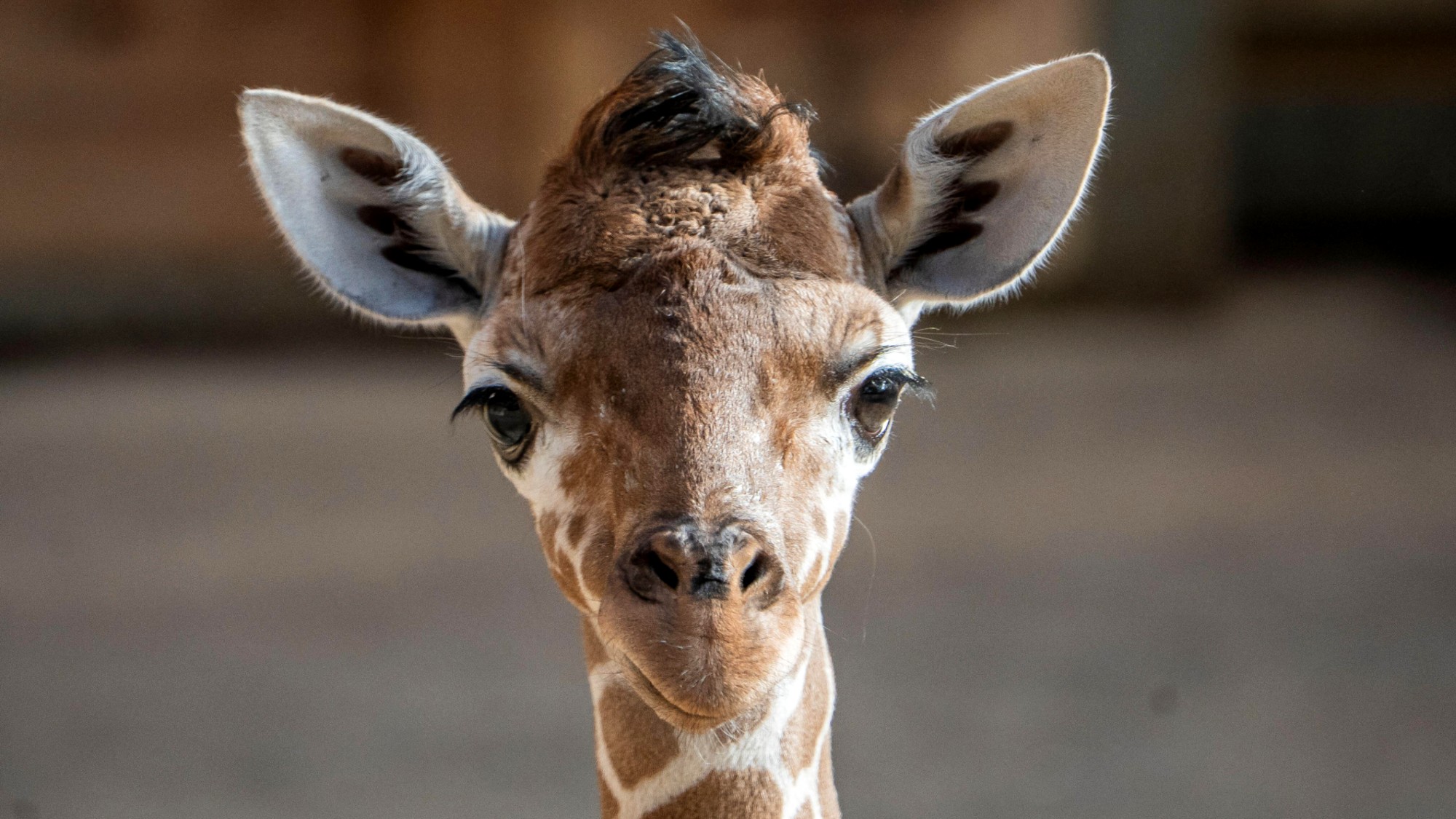
    Giraffe calf Mumbi makes her public debut at Germany’s Opel Zoo. Born 10 days ago after a gestation of 15 months, the reticulated giraffe was given a Kenyan name to reflect her origins in Africa, where only 21,000 of the endangered species remain.

    Andreas Arnold / DPA /Alamy Live News


    Puzzles

    Guess the number

    Try The Week’s new daily number challenge in our puzzles and quizzes section

    Play here


    THE WEEK RECOMMENDS

    Underrated Italian gems

    Throngs of tourists descend on the likes of Florence, Rome and Venice year-round to marvel at the historic architecture and sample the delicious food. But for those willing to look beyond these heavyweights, Italy is home to some underrated destinations that offer all the ingredients needed for a memorable city break.

    Livorno
    This vibrant port city on the west coast of Tuscany is a popular spot for cruise ships, but it’s also a “winning weekend destination in its own right”, said Julia Buckley in The Sunday Times. Just 12 miles south of Pisa, bars “unfurl” along the canal, and “ghostly” Armenian and Dutch churches “quietly crumble”.

    Turin
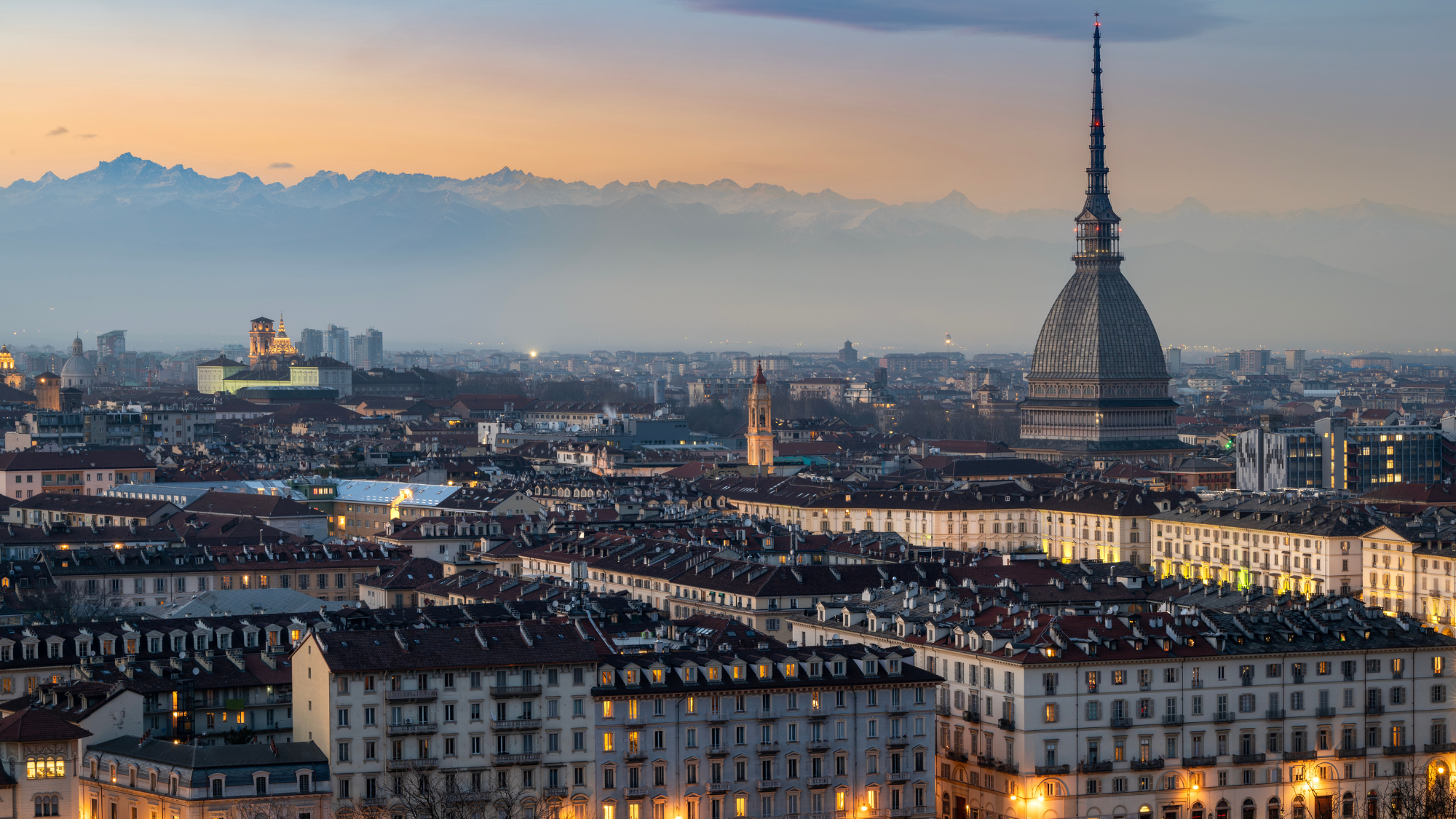
    With its “majestic palazzos”, “beautiful 360-degree views of the Alps” and “world-class restaurants”, it’s hard to believe Turin (pictured above) has “flown under the radar for so long”, said Condé Nast Traveller. The capital city of the Piedmont region is the birthplace of vermouth and the “beloved Italian tradition of the ‘aperitivo’”, so you’ll find lots of bustling buffet bars here.

    Genoa
    The port city of Genoa (Genova in Italian) has the “character, charm, culture and culinary prowess” of destinations like Rome, said Lisa Niven-Phillips in Vogue, but without the influx of tourists. A “stylish alternative to Marseille”, Genoa offers “colourful, hilly streets” similar to those of the French city.

    Bologna
    Home to a “marvellous medieval centre” and “piles of perfect pasta”, Bologna ticks a lot of boxes required for a “memorable” trip, said Sarah Lane in The Telegraph. There are plenty of “treasures to be discovered”, including its world-famous porticos and “monumental statues with intriguing stories attached”. But the real draw is the city’s culinary culture.


    Statistic of the day

    538,000: The number of Welsh speakers in the last census, conducted in 2021. A “revolution is required” if the Welsh government is now to reach its target of one million Welsh speakers by 2050, Welsh language commissioner Efa Gruffudd Jones said in a five-year report published today.


    instant opinion

    Today’s best commentary

    At 66 I’ve decided to rent for the rest of my life – homeownership is a trap
    Jaci Stephen in The i Paper
    “It was probably Paris that changed my view of renting,” writes Jaci Stephen. House ownership, “a badge of pride” in the UK, is just “not a big deal” to Parisians. Brits argue that renting is “money down the drain”, but “from where I’m standing, that drain is an alright place to be”. I love the freedom of no longer “struggling to find mortgage payments” that suddenly escalate. “There is life beyond interest rates. Trust me. I’m living it.”

    I’m convinced… I don’t know what to think
    James Marriott in The Times
    “Anyone whose world view has survived the past decade completely intact isn’t thinking hard enough,” writes James Marriott. Life has become “so strange and so changeable” that “never has there been a more appropriate time to keep an open mind”. By all means “take a stand” on issues, but “pause before digging in too deep”. If I’m convinced of anything anymore, “it’s that anyone who thinks they have the answers is selling snake oil”.

    Life is too short for cheap wine
    Lisa Hilton in The Telegraph
    “Wine snobbery is due a comeback,” writes Lisa Hilton. I avoid ultra-processed food, so why pour myself the “vinous equivalent of a Big Mac”? I’m not suggesting we “go back to chuntering about terroir”, but let’s acknowledge that “slumping on the sofa with a bottle of Plonk de Plonks is a dispiriting experience”. If “we’re happy to buy less but better when it comes to organic beef or cashmere sweaters”, we should take the same attitude with wine.


    word of the day

    Veavage

    “We’ve lived through side boob and under boob, and now it’s full frontal boob,” said Hilary Rose at The Times. Gwyneth Paltrow and Kristen Bell were among the stars wearing dresses slit from “neck to navel” to “give good veavage” at Sunday’s Actor Awards, formerly the SAG Awards  – an aptly named location to “prove that theirs do not”.


    Evening Review was written and edited by Hollie Clemence, Rebecca Messina, Will Barker, Harriet Marsden, Theara Coleman, Chas Newkey-Burden, Irenie Forshaw, David Edwards, Helen Brown and Kari Wilkin, with illustrations from Julia Wytrazek.

    Image credits, from top: illustration by Julia Wytrazek / Getty Images; Phill Magakoe / AFP / Getty Images; 123ducu / Getty Images; Andreas Arnold / DPA / Alamy Live News; Paolo Gagliardi / Getty Images

    Morning Report and Evening Review were named Newsletter of the Year at the Publisher Newsletter Awards 2025
     

    Recent editions

    • Morning Report

      Trump warns ‘big wave’ of strikes on Iran still to come

    • Evening Review

      How long will Middle East attacks last?

    • Morning Report

      Britain to let US use bases to strike Iran

    VIEW ALL
    TheWeek
    • About Us
    • Contact Future's experts
    • Terms and Conditions
    • Privacy Policy
    • Cookie Policy
    • Advertise With Us
    • FAQ
    Add as a preferred source on Google

    The Week UK is part of Future plc, an international media group and leading digital publisher. Visit our corporate site.

    © Future Publishing Limited Quay House, The Ambury, Bath BA1 1UA. All rights reserved. England and Wales company registration number 2008885.