The Week The Week
flag of US
US
flag of UK
UK
https://cdn.mos.cms.futurecdn.net/flexiimages/jzblygzdxr1769609154.gif

SUBSCRIBE

Try 6 weeks free

Sign in
  • View Profile
  • Sign out
  • The Explainer
  • Talking Points
  • The Week Recommends
  • Podcasts
  • Newsletters
  • From the Magazine
  • The Week Junior
  • More
    • Politics
    • World News
    • Business
    • Health
    • Science
    • Food & Drink
    • Travel
    • Culture
    • History
    • Personal Finance
    • Puzzles
    • Photos
    • The Blend
    • All Categories
  • Newsletter sign up Newsletter
  • The Week Evening Review
    Economic shocks, space mirrors, and China’s role in Iran

     
    TODAY’S BIG QUESTION

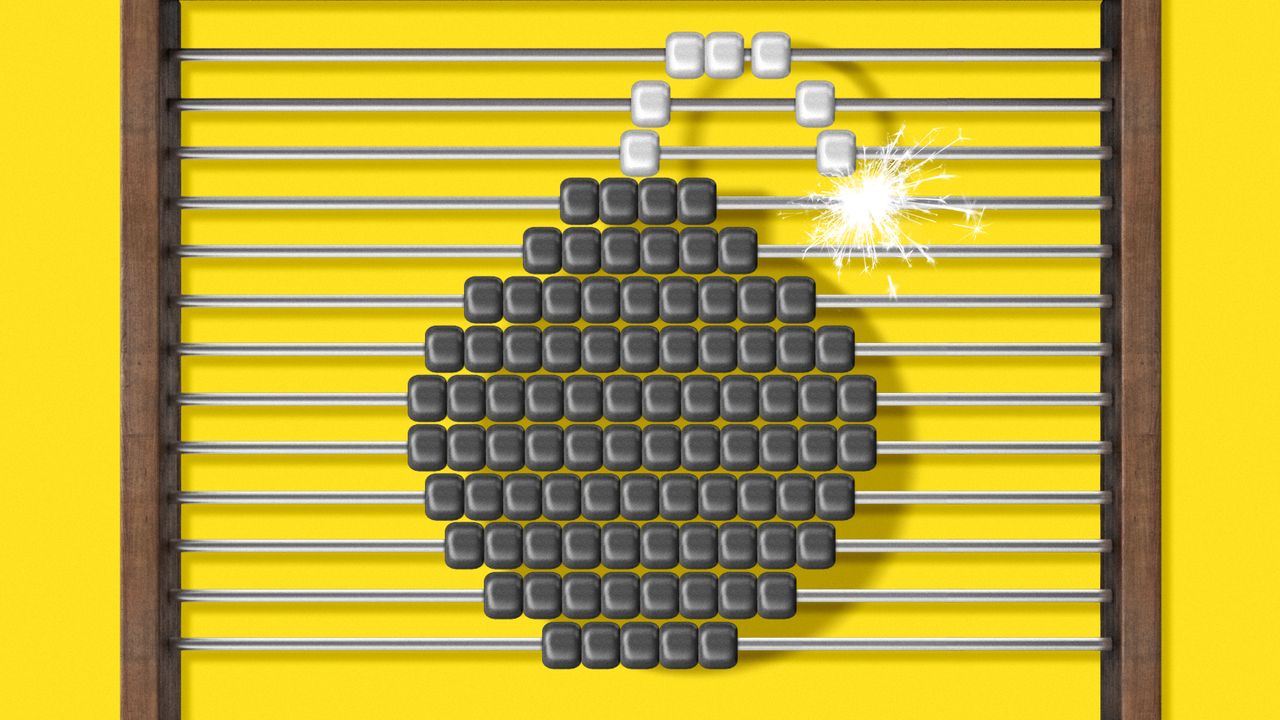
    Will the Iran war cause another cost-of-living crisis?

    The Bank of England today held interest rates at 3.75% and warned of higher-than-expected inflation, as the US-Israel war with Iran delivers a “new shock” to the UK economy.

    The direct impact of rising energy prices is expected to add about 0.75% to inflation this autumn, rising to around 1% if businesses pass their higher costs on to consumers. All the signals point to “households and homeowners” suffering “further financial hardship” if the Iran war does not end soon, said The Times.

    What did the commentators say?
    Oil experts have warned that Britain “could be only weeks away from needing to ration fuel”, said Gaby Hinsliff in The Guardian. Other countries are “already being forced into drastic steps”. In Pakistan, schools have been closed and government offices have shifted to a four-day work week. Vietnam is “urging people to work from home”, and Bangladesh has stationed soldiers at fuel depots.

    The financial impact on the UK of this war is “yet to fully play out”, said Rosa Prince on Bloomberg, “but the outlook is bleak”. Donald Trump’s “folly” has “kiboshed” Keir Starmer’s “economic revival”. For a “brief moment”, green shoots offered a chance “to salvage his beleaguered premiership”, only for “Trump’s addiction to foreign escapades” to crush it.

    A prolonged Iran crisis could now crush “the life out” of our heavy industry, shutting down production lines and mothballing “entire factory complexes”, said Ben Marlow in The Telegraph. There is a “real risk of widespread de-industrialisation”.

    What next?
    People will expect energy bills and petrol prices to go up, but a “less obvious” consequence will be rises in food costs, as a result of increasing transport costs and disrupted fertiliser supply chains, said Albert Toth in The Independent.

    For Starmer, dealing with Trump’s demands for military back-up may be difficult, but managing the “war’s economic blow is trickier”, said Bloomberg’s Prince. Starmer this week announced £53 million in support for low-income households most exposed to the sharp increase in heating-oil prices, but his government “will need a much bigger package if the conflict drags on”.


    TALKING POINT

    Reflect Orbital and the quest for space mirrors

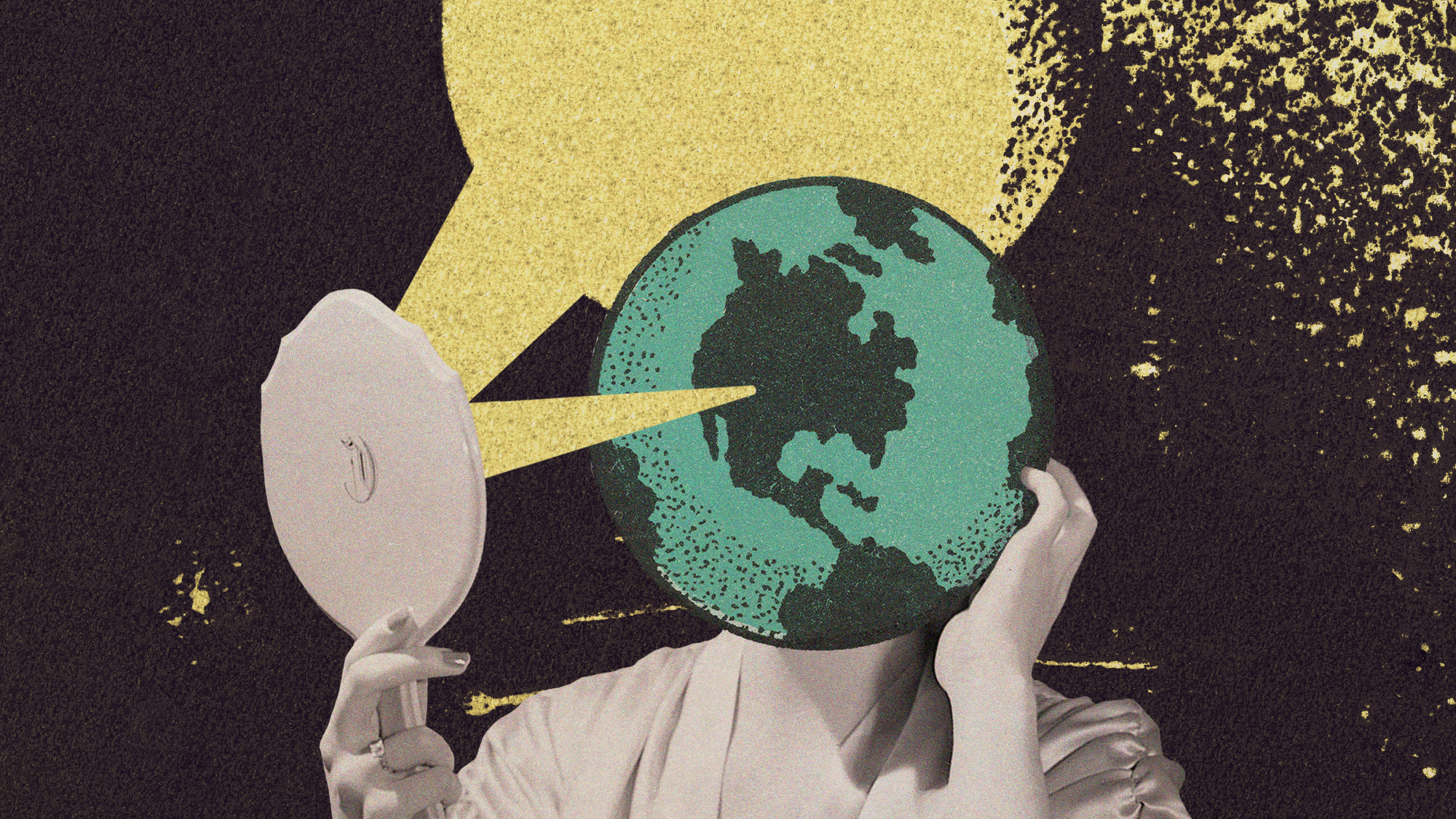
    A California-based start-up plans to send 50,000 mirrors into space to reflect sunlight onto Earth, which could “make the night sky three to four times brighter”, said The Times.

    Aerospace company Reflect Orbital claims the benefits could include expanding the potential of solar power, extending working hours, replacing streetlights and illuminating disaster zones. But the proposed project could have a “disastrous impact on the science of astronomy”, said Robert Massey, deputy executive director of the Royal Astronomical Society, and could “permanently scar the natural landscape”.

    ‘Equally ridiculous and hazardous’
    Reflect Orbital’s “controversial” idea sounds like a plot in a “sci-fi movie”, said The New York Times. But it is gaining traction: the company has raised more than $28 million from investors.

    Opponents argue that the mirrors could disrupt astronomical observations and “interfere with circadian rhythms” of humans and migratory animals. The prospect of having satellite mirrors in space to light up Earth is “equally ridiculous and hazardous”, said Gizmodo. Reflect Orbital is still waiting for approval from the Federal Communications Commission, but if it does “manage to make its far-fetched idea somehow work, it would have grave consequences for our view of the night skies”.

    ‘Workable energy source’
    The “insane” project may seem “borderline super villainous” but there is a “ring of logic to it”, said Vice. In its purest form, the idea is “climate-friendly”: reflected sunlight from the mirrors could hit solar panels on Earth more frequently, which would “extend the productivity of solar farms and reduce our reliance on fossil fuels”.

    There are reasons to be “enthusiastic” about the possibility of mirrors in space, said The New York Times, but they should be used on the Moon rather than Earth. With space agencies including Nasa planning to build “lunar outposts” in the future, sunlight reflected onto the Moon’s surface could provide a “workable energy source and brighten the two-week-long nights”. There wouldn’t be the problem of “scattering” – where light disperses or spreads due to particles in the air – since the Moon lacks an atmosphere. Reflect Orbital’s operation is “basically designed for the Moon”, said Princeton astronomer Gaspar Bakos.


    QUOTE OF THE DAY

    “I didn’t say it was ‘super secret’.”

    Senator Markwayne Mullin, Donald Trump’s pick to lead the Department of Homeland Security, snaps back during a Senate grilling over his claims to have led a “secret” mission in the Middle East. FBI vetting found no record of any such trip.


    Poll watch

    The majority (62%) of Brits trust the police, according to a survey of 4,202 adults. But the YouGov research, for Sky News, found that only 26% of 1,558 people who had reported a crime were satisfied with the outcome of the investigation. And of 511 police officers quizzed, 29% felt underappreciated by the public.


    THE EXPLAINER

    Why China is staying out of the Iran conflict

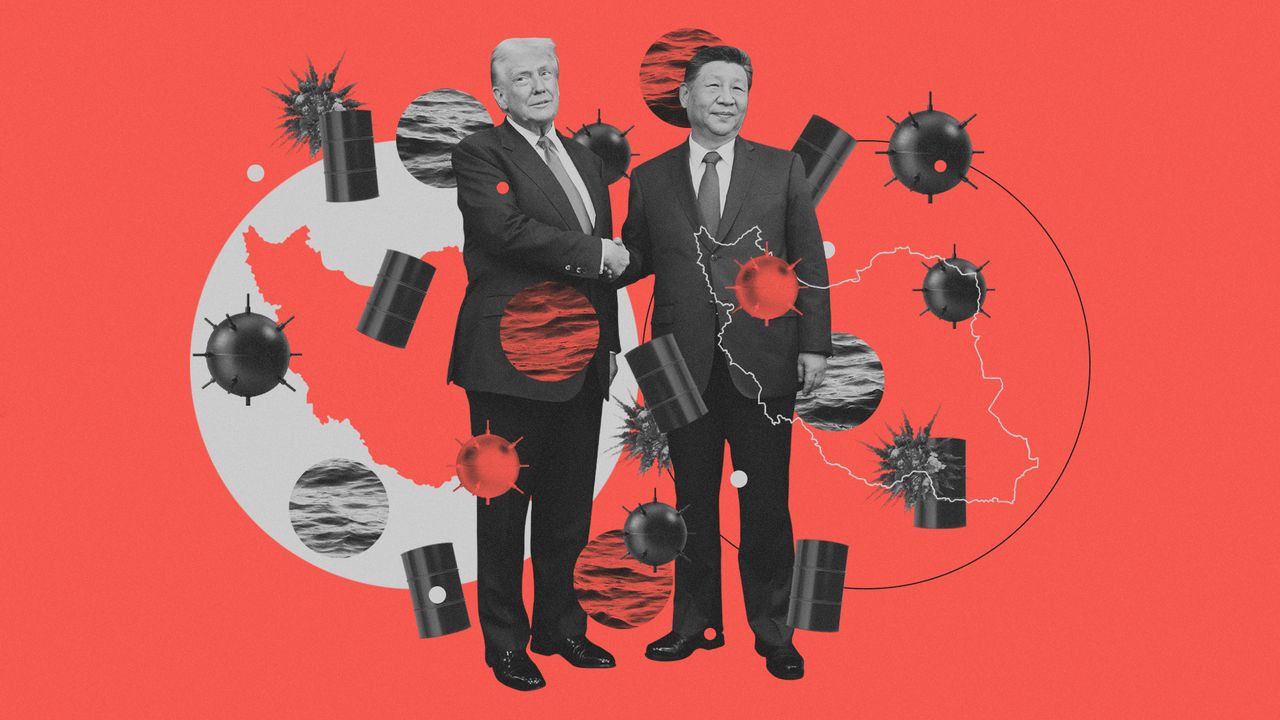
    For decades, China has been Iran’s most important economic ally, maintaining close diplomatic ties with Tehran through years of Western sanctions and international isolation. But China’s relatively muted response to the US-Israeli strikes has led many to question whether leader Xi Jinping is a fair-weather friend – or whether Beijing is playing a longer game in its bid for global supremacy.

    What is the background?
    When George Bush declared Iran part of an “axis of evil” in 2002, Beijing “saw an opportunity”, said Richard Spencer in The Times. It “began signing multibillion-dollar oil and gas deals” with Iran. Now, about 90% of Iran’s crude exports are sold to China every year, at a steep discount.
    In return, Iran “kept Washington bogged down in the Middle East”, said Geoffrey Cain in The Spectator. That was “extraordinarily useful” and cost Beijing “almost nothing”. China also supplied Tehran with arms until 2007, before joining in UN sanctions, and the countries have held regular joint military drills.

    How has China reacted to the conflict?
    China hasn’t provided any direct military support or “new weapons assistance to any party involved”, said The Diplomat. Although Beijing has voiced opposition to the US-Israeli strikes, warning that they could undermine regional stability, it has also criticised Iran’s retaliatory attacks on its Gulf neighbours, and its de facto blockade of the Strait of Hormuz.

    Why the muted response?
    With President Xi, “a hard-nosed pragmatism is at play”, said CNN. Iran “ranks below his top priorities”, including China’s fragile trade truce with the US, ahead of an upcoming summit with Donald Trump in Beijing. Trump this week announced that he was delaying the summit, as he pressures China to send warships to help reopen the Strait of Hormuz. But a delay could also be in China’s interests. “If the war drags on, added pressure on Washington could mean more leverage for China,” said The New York Times.

    Fundamentally, China does not lose much “whatever happens to Iran”, said Spencer – except for oil. As much as 40% of the country’s imported crude oil is shipped through the strait. Although China holds one of the world’s biggest oil reserves, said the BBC, the disruption is “putting its resilience to the test”.


    Good day 🗳️

    … for democracy, which may have a far older pedigree than previously thought. Analysis of archaeological evidence from 31 ancient societies suggests collective forms of government evolved as far apart as the Indus Valley and central Mexico long before “demokratia” emerged in Athens around 500BC, according to a study in the journal Science Advances.


    Bad day 🐕

    … for designer dogs, which are more likely to exhibit problem behaviours than their purebred relatives, according to new research. The Royal Veterinary College analysed data from the owners of 3,424 crossbreeds and 5,978 purebreds, and found that labradoodles, cockapoos and the like were more aggressive and less biddable than the breeds from which they derive.


    PICTURE OF THE DAY

    Snap happy

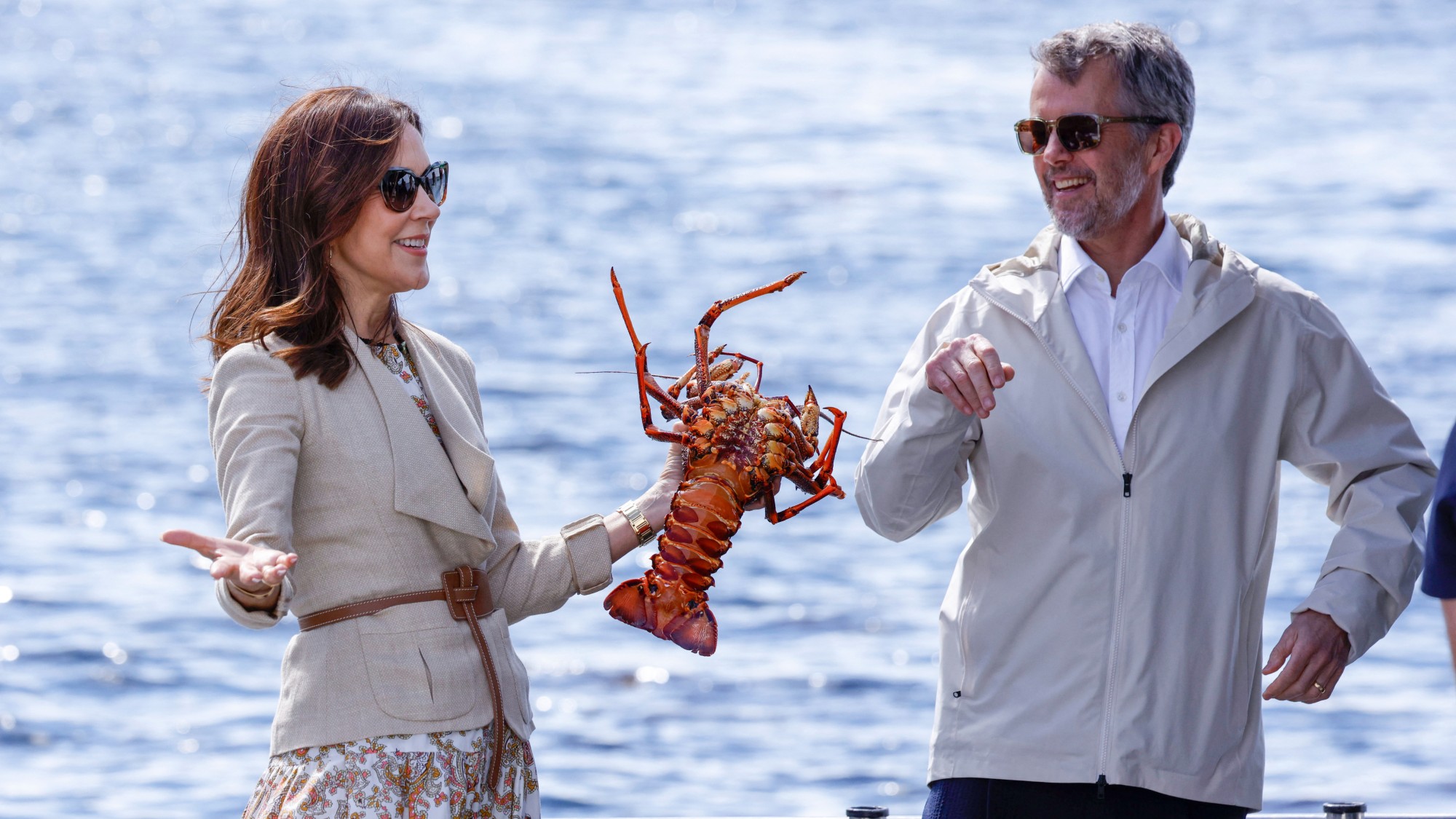
    Queen Mary of Denmark wields a lobster as she and her husband, King Frederik X, tour a marine reserve in her hometown of Hobart, Tasmania, during a state visit to Australia. The couple first met in a Sydney pub during the 2000 Olympic Games.

    Rob Blakers / Pool / AFP / Getty Images


    Puzzles

    Guess the number

    Try The Week’s daily number challenge in our puzzles and quizzes section

    Play here


    THE WEEK RECOMMENDS

    What to look out for at the RHS Chelsea Flower Show

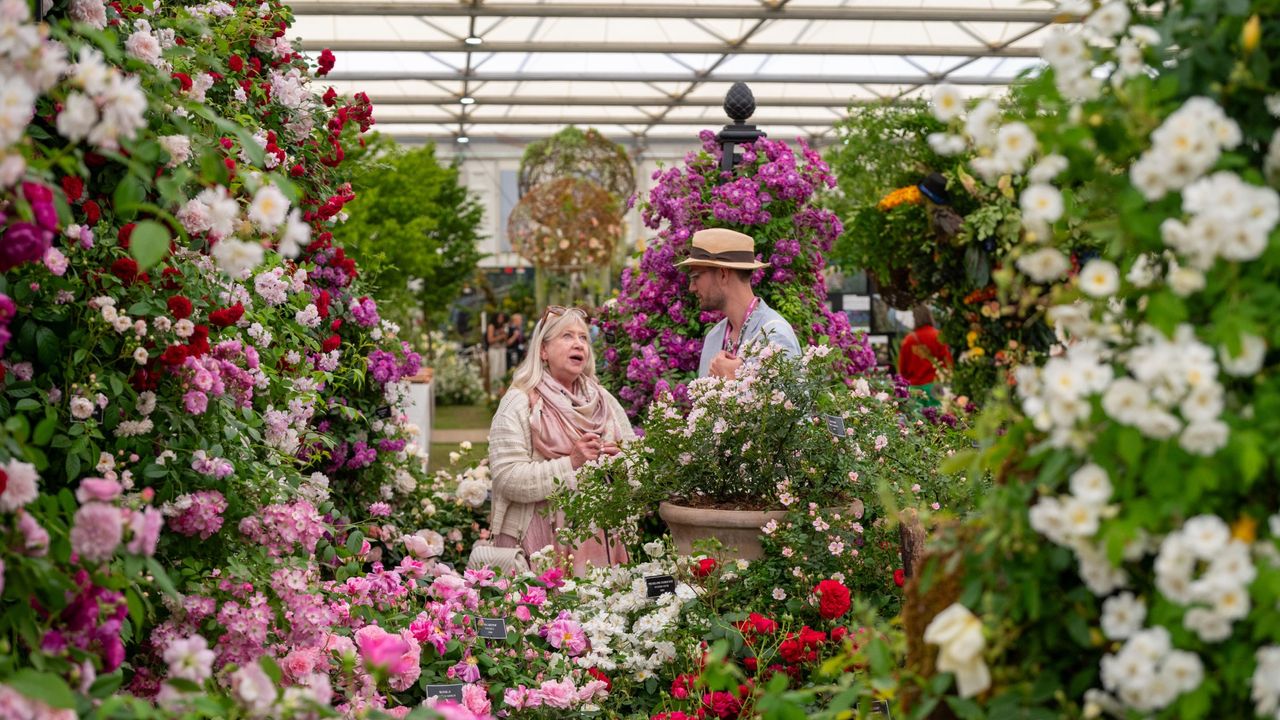
    The “fabulous floral extravaganza” that is the Chelsea Flower Show is almost upon us, said India Lawrence in Time Out. From 19 to 23 May, visitors can admire the works of “world-class” growers and garden designers from across the globe, in what many consider to be “horticultural heaven”.

    This is an “unmissable opportunity to see some of the most beautifully designed gardens from the most exciting talents in the industry”, said Christabel Chubb in House & Garden. Some of this year’s highlights include Tom Stuart-Smith’s “Tate Britain Garden”, an “evocation” of the new grounds designed for the London art gallery, due to open this autumn. “Inspired by East Asian woodlands and featuring drought-resilient planting, this show garden will be a fascinating preview of one of the city’s most exciting new green spaces.”

    Another must-see is “The Eden Project: Bring Me Sunshine Garden”, masterminded by Harry Holding and Alex Michaelis. “Inspired by the landscapes of Morecambe Bay”, it aims to open up the “world of green industry” to young people “who might be underrepresented in the sector”.

    For the first time, this year’s event will also feature a “mini flower farm” in the Great Pavilion, considered the “crown jewel of RHS Chelsea”, said Liz Lane in House Beautiful. The 20ft x 15ft plot will be crammed with seasonal British blooms, with “wildflower corners, beds of individual cut-flower varieties framed with foliage, and plenty of richly layered, vibrant colour”, all arranged in a “Fibonacci-inspired swirl, designed to mimic the unfurling of a flower”.


    Statistic of the day

    £102: The new cost of renewing a passport from next month, if Parliament approves the proposed hike. The Home Office plans to increase the current £94.50 fee for adults from 8 April, while children’s renewals will rise from £61.50 to £66.50, “to move towards a system that meets its costs through those who use it, reducing reliance on funding from general taxation”.


    instant opinion

    Today’s best commentary

    Britain’s chance to escape America
    Aris Roussinos on UnHerd
    The US “has become increasingly erratic and aggressive in the dotage of its empire”, writes Aris Roussinos. Donald Trump desperately “cajoles and pleads for our help with” his “mess” in Iran, but “it is not Britain’s responsibility to chase after every military whim, reasonable or otherwise, of our imperial patron”. It’s “disorienting” to watch US power crumbling but “at this moment of historic American weakness”, we must be “ambitious in renegotiating the terms of our relationship”.

    There is no ‘context’ for antisemitic terror
    The Jewish Chronicle’s editorial board
    “When synagogues are attacked, the response should be unequivocal condemnation,” says The Jewish Chronicle. But lately there’s “something more insidious: an impulse to contextualise”. It was “pointed out”, for example, that the suspect in a recent attack on a US synagogue “had lost relatives in an Israeli strike”. Such is “the demonisation of Israel” that society “increasingly treats hostility towards Jews as understandable once it is framed through” that prism. This thinking must be confronted “clearly and unflinchingly”.

    Club culture has moved to the kitchen
    Esme Gordon-Craig in The Spectator
    “Us Gen Z-ers” bear responsibility for the nightclub’s decline, writes Esme Gordon-Craig, but that doesn’t mean we’re not interested in “dancing the night away”. We’ve just moved “the ‘nightlife’ to our kitchens”, not only “out of economic necessity” but because “our smaller gatherings” generate more “confidence and musical expression” than “anything we could find on a crowded club floor”. We “show off playlists” and share “new artists and sounds”. For us, the music is “far from over”.


    word of the day

    Hanami

    Japanese for “flower viewing”, referring to the annual tradition of picnicking under blossoming cherry trees, or sakura, Japan’s unofficial national bloom. Hanami season officially kicks off today, with locals and tourists alike expected to flock to the most popular viewing spots along the so-called Golden Route between Osaka and Tokyo.


    Evening Review was written and edited by Rebecca Messina, Jamie Timson, Will Barker, Harriet Marsden, Chas Newkey-Burden, Irenie Forshaw, Helen Brown, David Edwards, Adrienne Wyper and Kari Wilkin, with illustrations from Stephen Kelly and Julia Wytrazek.

    Image credits, from top: illustration by Stephen Kelly / Getty Images; illustration by Julia Wytrazek / Getty Images; illustration by Stephen Kelly / AP Photo / Getty Images; Rob Blakers / Pool / AFP / Getty Images; Ben Montgomery / Getty Images

    Morning Report and Evening Review were named Newsletter of the Year at the Publisher Newsletter Awards 2025
     

    Recent editions

    • Morning Report

      Iranian strike hits major Qatar gas hub

    • Evening Review

      Should the King rethink his US visit?

    • Morning Report

      Iran confirms death of security chief Larijani

    VIEW ALL
    TheWeek
    • About Us
    • Contact Future's experts
    • Terms and Conditions
    • Privacy Policy
    • Cookie Policy
    • Advertise With Us
    • FAQ
    Add as a preferred source on Google Add as a preferred source on Google

    The Week UK is part of Future plc, an international media group and leading digital publisher. Visit our corporate site.

    © Future Publishing Limited Quay House, The Ambury, Bath BA1 1UA. All rights reserved. England and Wales company registration number 2008885.