The Week The Week
flag of US
US
flag of UK
UK
https://cdn.mos.cms.futurecdn.net/flexiimages/jzblygzdxr1769609154.gif

SUBSCRIBE

Try 6 weeks free

Sign in
  • View Profile
  • Sign out
  • The Explainer
  • Talking Points
  • The Week Recommends
  • Podcasts
  • Newsletters
  • From the Magazine
  • The Week Junior
  • More
    • Politics
    • World News
    • Business
    • Health
    • Science
    • Food & Drink
    • Travel
    • Culture
    • History
    • Personal Finance
    • Puzzles
    • Photos
    • The Blend
    • All Categories
  • Newsletter sign up Newsletter
  • The Week Evening Review
    Middle East conflict, heatwave woes for women, and the Old Masters return

     
    TODAY’S BIG QUESTION

    Can anything salvage peace between Iran and the US?

    Tensions between Iran and the US are ratcheting up a new notch. Mojtaba Khamenei, Iran’s new Supreme Leader, has said “revenge” for the death of his father Ayatollah Ali Khamenei “is the will of our nation and must certainly be carried out”. Donald Trump has called Iranian leaders “scum”, and said any attempt by Tehran to assassinate him will be met by bombings “at levels they’ve never seen before”.

    Meanwhile, both countries have renewed air strikes, as Iranian hardliners insist on control of traffic through the Strait of Hormuz, “their principal source of strategic leverage”, said US-based security think tank The Soufan Center. It seems the stage is set “for a return to major combat”.

    What did the commentators say?
    The leadership that has emerged in Iran since Khamenei’s death “looks keener to project strength” and wear down Trump “through military pressure, rather than diplomacy”, said The Economist. There has been a noticeable “shift in the regime’s centre of gravity” towards the Islamic Revolutionary Guard Corps, which “has accelerated Iran’s transition from a theocracy to an ambitious nationalistic state dominated by military men”.

    Their aim is “preventing the erosion of their perceived influence”, Sanam Vakil, Middle East director at UK think tank Chatham House, told the Financial Times. “They feel they have to do this to survive.” They are wagering that “Trump is risk-averse” and that they can “absorb” some “low-level conflict. But this is a quagmire.”

    The recent trading of strikes “raises questions for the future of the region”, said The Soufan Center. While Tehran seems “willing to suffer the consequences of escalation, neither they nor Trump appear to want to return” to all-out war. “Each side prefers a ‘no war, no peace’ status”, even while a return to negotiations looks “bleak”.

    What next?
    The conflict has “descended into a mutually unsatisfying stalemate”, with Washington “unable to topple the Islamic Republic” and Tehran “unable to force the US to vacate its backyard”, said Ali Vaez on Foreign Affairs. US-Iranian tensions are “worse than ever before” but, “paradoxically”, this may be “a moment of opportunity” for both countries “to repair their broken relationship”.

    Now that it is “plainly apparent” that neither side can “deliver a knockout blow to the other” or sustain “unmanaged hostility”, there are “decision-makers” in each nation who “have started looking for ways to co-exist”.


    THE EXPLAINER

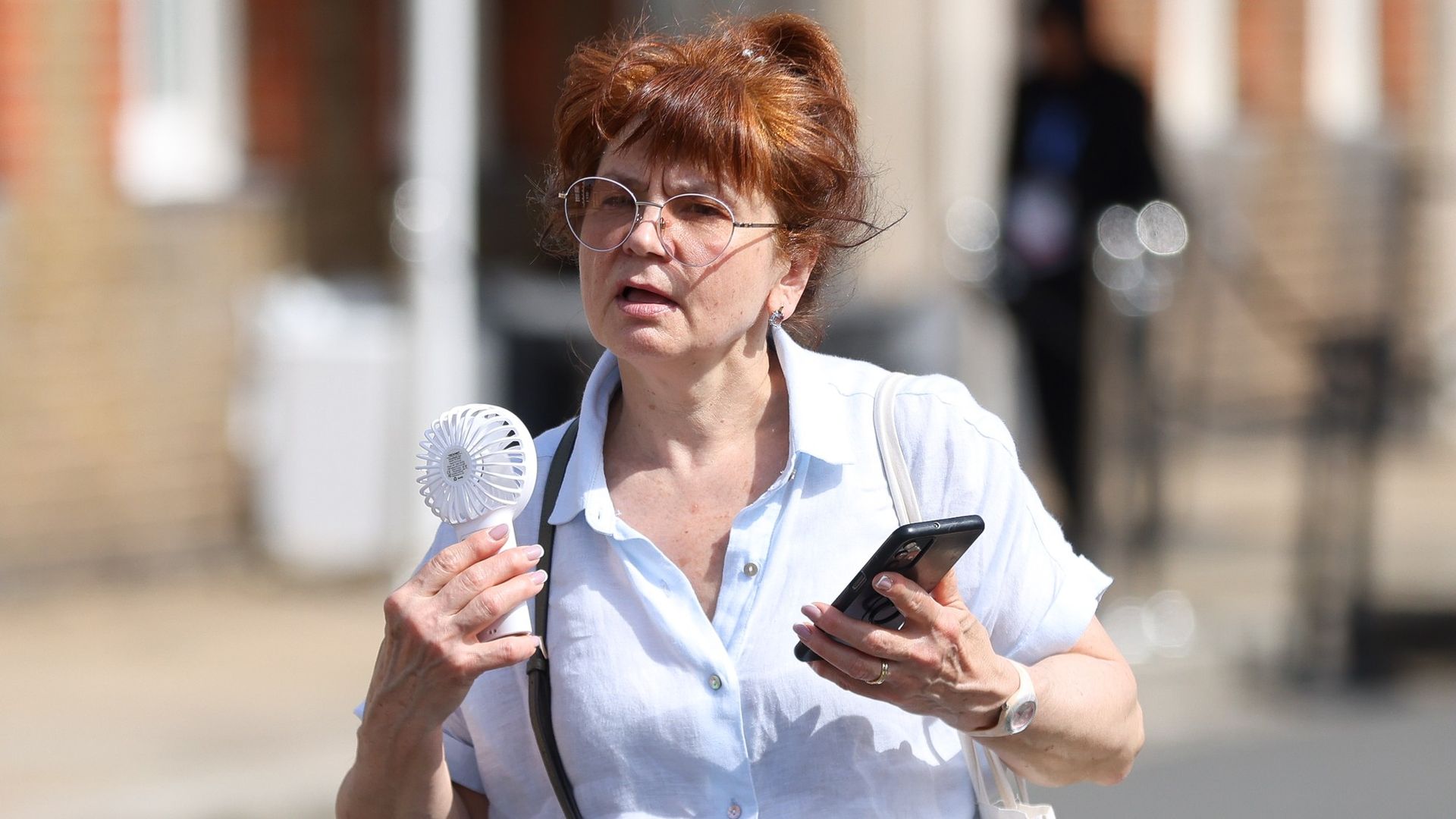
    The gendered impact of heatwaves

    The series of heatwaves “afflicting” Europe this summer have been the “worst ever”, said The Guardian. But wherever in the world they hit, high temperatures can exacerbate gender inequality, and women, particularly in low-income families, are “at the sharp end”.

    Why are women more affected?
    Women are more at risk of health complications during a heatwave for two main reasons, Nighat Arif, an NHS GP who specialises in women’s health, told the BBC.

    First, women respond differently to heat than men do: they sweat less, and start sweating at a higher temperature. These thresholds make it harder for women to “quickly shed heat”, and fewer visible indications mean women can find it hard to judge how much their “bodies are under burden”. The second reason is hormone regulation. Levels of oestrogen and progesterone shift “substantially” during the menstrual cycle, pregnancy and menopause, and can knock the brain’s temperature regulation systems “out of kilter”.

    How does this present itself socially?
    “How people experience heat is often gendered”, said researchers Febe De Geest and Sergio Jarillo on The Conversation. In domestic settings, particularly across Africa, Asia and Oceania, women tend to spend more time indoors in “poorly ventilated homes”, acting as primary caregivers. 

    There is also a “seasonal upswing in violence associated with hot weather”, even in countries typically associated with better provisions for the heat, said The Guardian. This could be due to the “temperature-aggression theory”, where hot weather increases “discomfort, frustration, impulsivity, and aggression, all of which make violence more likely”. Or it could be linked to greater alcohol consumption, which in turn “increases the opportunities for interpersonal conflicts and subsequent violence”.

    What can be done?
    In practical terms, it is important that women drink at “least six to eight cups of non-alcoholic, non-caffeinated, transparent-liquid drinks” to help with temperature regulation during periods of extreme heat, GP Anisha Patel told ITV. They should make sure to continue taking prescribed medication as normal, including HRT or other drugs designed to help with the menopause.

    Making sure women can cope with the heat is “not a woman’s problem”, Arif told the BBC. “This is a societal problem. If we get it right for women, we get it right for everyone.”


    QUOTE OF THE DAY

    “We have new information and evidence that means counter-terrorism policing is now leading the investigation.”

    Laurence Taylor of Counter Terrorism Policing issues an update on the investigation into Ann Widdecombe’s death. A 28-year-old white British man from Rotherham who was already in police custody has been re-arrested on suspicion of commission, preparation or instigation of acts of terrorism.


    Poll watch

    Six in ten voters (60%) think Nigel Farage has not behaved correctly over undeclared gifts from his wealthy benefactors, according to a new YouGov survey of 2,000 adults for The Times. Among the Reform voters polled, 50% believe he has acted incorrectly.


    IN THE SPOTLIGHT

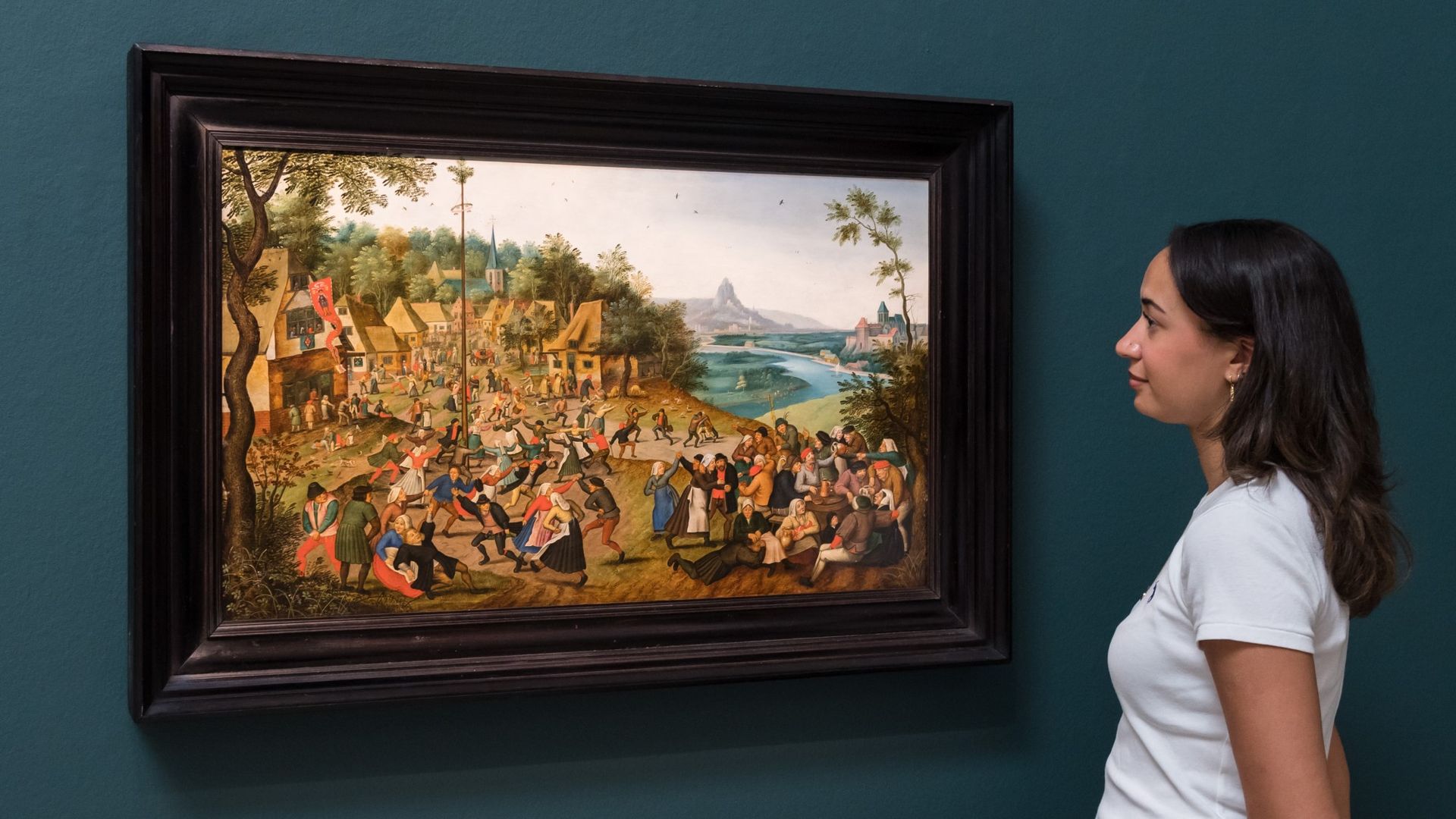
    The Old Masters are seeing a renaissance

    Until the 1980s, Old Masters – paintings typically completed before 1850 – “ruled the art world”, said The Economist. But then collectors began to see the “centuries-spanning” category as “too old-timey”, turning instead to more modern and Impressionist art. But now art experts are noticing rises in Old Masters’ sales again – and dramatic changes in the attitudes of collectors and artists alike.

    ‘Primed to connect’
    Old Masters have had “new life breathed into them”, said The Economist. In 2025, global sales of the paintings reached “£895 million, 30% higher than a year earlier”. And it’s younger buyers who are “showing more enthusiasm”.

    The contemporary art market has been showing “signs of volatility”, causing collectors to turn to Old Masters which are more “stable and significantly less expensive”. There is also an element of “scarcity” that makes them more attractive, as higher numbers of the older paintings enter museum collections with each passing year.

    Portraits and figurative art are particularly “in vogue” because they are so “Instagrammable”. People are drawn to what appears to be a “simpler life (if you ignore the revolutions, plagues and awful dentistry of past eras)”. And they are so used to seeing pictures of people online that observers are “primed to connect to painted ones”.

    ‘Embraced’ by emerging artists
    In the past, lesser-known artists would imitate bigger names – in effect “art historical name-dropping” – to improve the “gravity and market confidence” of their works, said J. Cabelle Ahn on Artnet. Cynics would call the modern-day evoking of Old Masters style a form of “reference-baiting”. But one of the main reasons for this “trans-historical escalation” is “technological unease”. Not only do artists fear being eclipsed by AI, but there is also a movement to explore “foundational concepts like meaning and originality in the endless sea of information”.

    As well as figurative painting being “back in a big way” for collectors, it is being “embraced” by large numbers of emerging artists “keen to demonstrate their skills”, said Chloe Stead in the Financial Times. This could be guided by materials, and neglected older techniques, appearing “new”. Oil paint became popular in the Netherlands in the 12th century, and now, for artists seeking to create realistic images, there is “no better alternative”.


    Good day 🪨

    … for late career changes, as Anthony Hopkins launches himself as a classical music composer. The 88-year-old actor has been playing piano since the age of four, and said “music was my first desire, my first wish”. The first single from his album, “Life Is A Dream”, was released on Friday, and was inspired by his childhood memories of Margam in south Wales.. 


    Bad day 👅

    … for fans of hip-swivelling singers, after Mick Jagger revealed he turned down the chance to meet Elvis. The Rolling Stones frontman said he’d “stupidly” listened to John Lennon, who told him he’d been disappointed by his own encounter with Presley. It wasn’t the best decision, Jagger admitted on Conan O’Brien’s podcast.


    PICTURE OF THE DAY

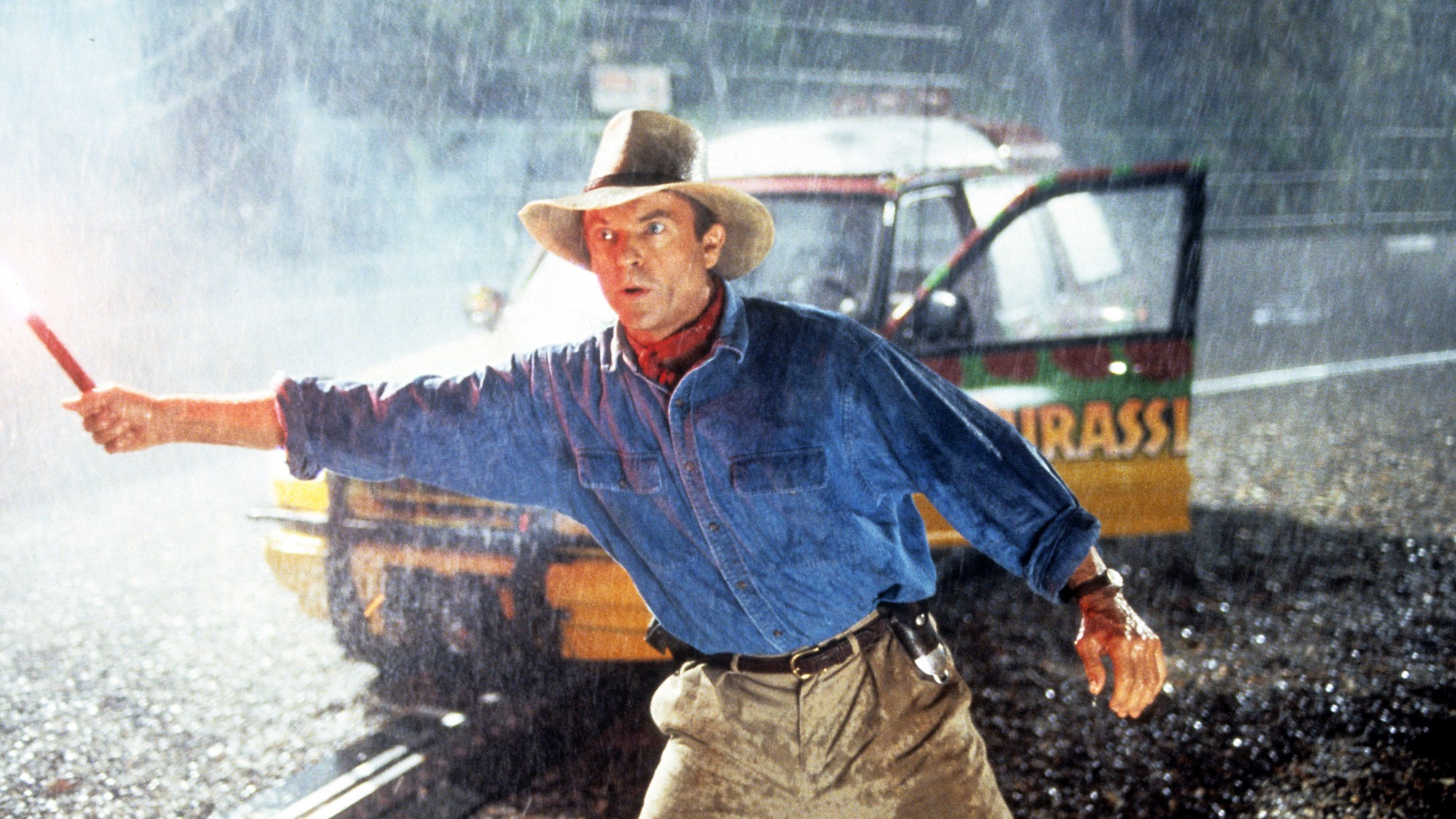
    Acting flair

    A rain-soaked Sam Neill plays cranky palaeontologist Alan Grant in the 1993 film “Jurassic Park”. The New Zealand actor, who starred in more than 150 films and TV shows over a five-decade career, died suddenly this morning at the age of 78. New Zealand Prime Minister Christopher Luxon described Neill as “one of the greats” of cinema.

    Universal / Getty Images


    Puzzles

    Chain Word

    Try The Week’s new daily word challenge in our puzzles and quizzes section

    Play here


    THE WEEK RECOMMENDS

    What to eat and drink to stay cool during the heat

    As the heatwave burns on, “the last thing people want to do is turn on the oven”, said the BBC. Sweltering weather can suppress your appetite and make it harder to concentrate or sleep. Could tweaking your diet help?

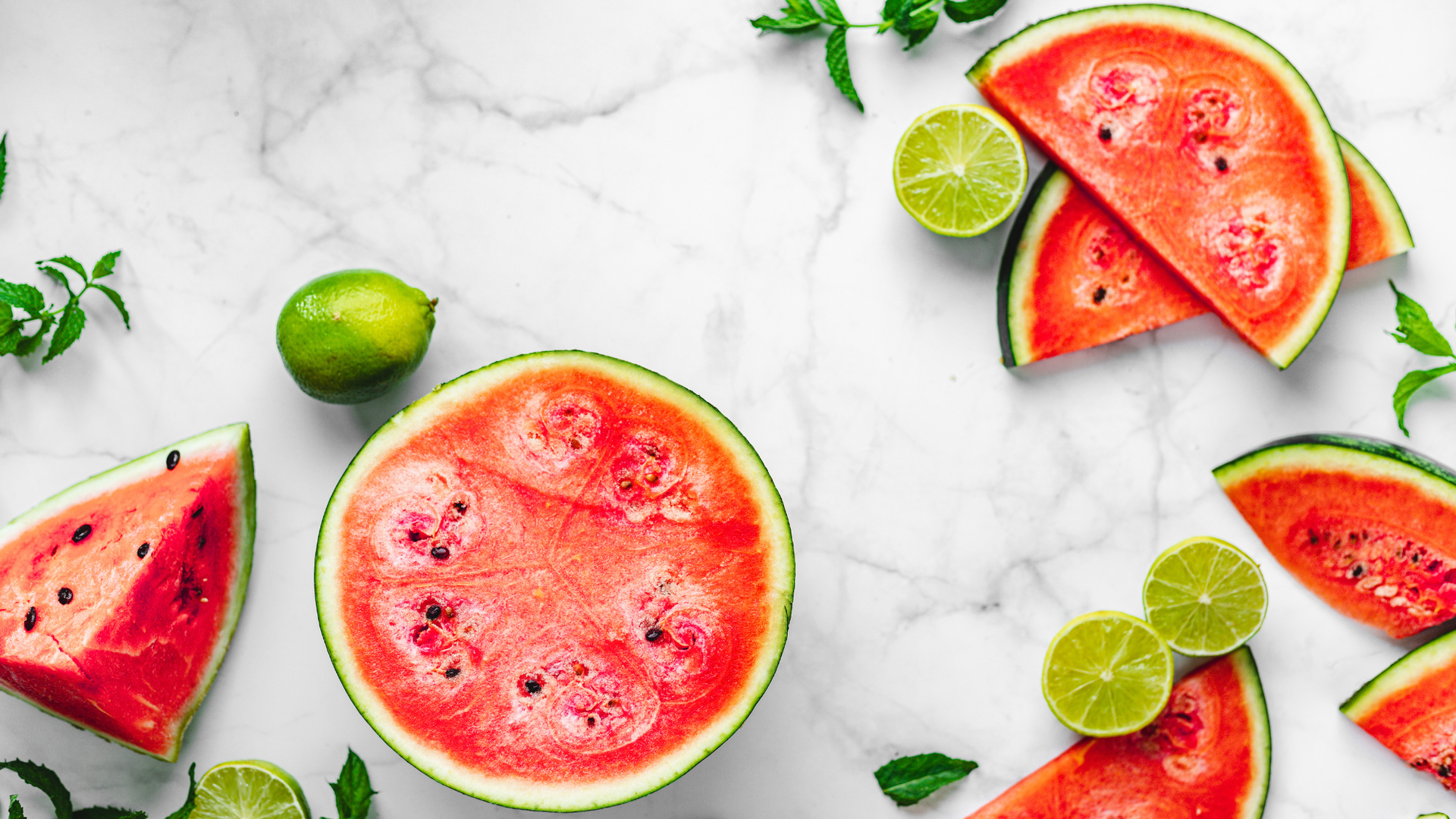
    It’s obviously important to “drink more” to replace the liquid lost through sweat. But there are other ways to rehydrate than keeping your bottle topped up. “We need to eat our water as well as drink it,” said Aisling Daly, senior lecturer in nutrition at Oxford Brookes University. Watermelon, celery, cucumbers, grapes and tomatoes have a “very high water content”, making them great to snack on.

    Sweating also “depletes our electrolytes”, said The Telegraph, which play an important role in helping our nerves and muscles to work properly. Instead of relying on powders or gels, try stocking up on coconut water or the yoghurt-based drink lassi, which are both natural sources of electrolytes and packed with magnesium.

    It’s worth making yourself a cup or two of mint tea, or mixing the fresh leaves through a salad. Mint contains menthol, which scientists have found to help activate your mouth’s cold-sensitive receptors and “triggers the same response as touching ice”.

    Spicy foods can also be beneficial, as peppers and chillies contain capsaicin – a compound that “tricks the nervous system into thinking the body is hot, encouraging you to sweat and cool down”. 


    Statistic of the day

    8: The number of weeks it has taken UK scientists to develop a new Ebola vaccine. The jab against the Bundibugyo strain of the virus will now be tested on healthy human volunteers. The current Bundibugyo Ebola epidemic, centred on the Democratic Republic of the Congo, has already killed 625 people, with 1,792 laboratory confirmed cases.


    instant opinion

    Today’s best commentary

    The Bayeux Tapestry is pure joy, not a cure for national neuroses
    Jane Shilling in The Telegraph
    “The consoling power of art has been recognised since antiquity,” writes Jane Shilling. But, in modern times, we press so many genres “into therapeutic service”, we can lose sight of the sheer “joy of art”. I hope the “‘Merci!’ projected on the white cliffs of Dover” as the Bayeux Tapestry arrived on our shores “suggests that, for once, we might approach the delicate embroidery” with “pure enjoyment – a welcome distraction from the therapeutic subtext that haunts our everyday lives”.

    Katie Hopkins: the queen of the hate economy getting the last laugh on Britain
    Simon Usborne in The i Paper
    After her “rise to notoriety”on “The Apprentice”, Katie Hopkins “embarked on an increasingly lucrative media career”, writes Simon Usborne. “Trading compound outrage for cash”, she pushed “the limits of what it was acceptable to say” in newspapers and on TV. Mainstream outlets eventually dropped her but now “she’s flourishing in a far right online ecosystem”. As she doubles down on the hatred, “questions of blame still linger” for those editors and producers who once “elevated her”, including me.

    Hirsute you, sir? I can’t seem to win either way
    Sathnam Sanghera in The Times
    I’ve shaved off my beard “for the first time in more than a decade”, writes Sathnam Sanghera. In the mirror, I see “one of my late, aged uncles glaring back at me”. My nieces say I look “arrestable”, and “my wife’s face” sports an expression “last witnessed when I inadvertently drove into the path of a van”. I’m not sure why I did it – maybe it was “the hope that drastic action would suddenly save” me “from accelerating decrepitude. It didn’t.”


    word of the day

    Mini-universe

    A sealed cloud of ultracold atoms, created by a University of Birmingham physicist, that allows scientists to watch time emerging by itself inside a quantum system, without relying on an external clock. Giovanni Barontini detailed his experiment in a new paper in the Physical Review Research journal. “When you put everything together, things really start to make sense,” he told Live Science. “How time inside the system was speeding up or slowing down, or even stopping. It was quite surprising how well everything came together.”


    Evening Review was written and edited by Jamie Timson, Elliott Goat, Chas Newkey-Burden, Will Barker, Irenie Forshaw, Adrienne Wyper, David Edwards and Helen Brown, with illustrations from Stephen P. Kelly

    Image credits, from top: Illustration by Stephen P. Kelly / Getty Images; Dinendra Haria / SOPA Images / LightRocket / Getty Images; Wiktor Szymanowicz / Future Publishing / Getty Images; Universal / Getty Images; alvarez / Getty Images

    Morning Report and Evening Review were named Newsletter of the Year at the Publisher Newsletter Awards 2025
     

    Recent editions

    • Morning Report

      Police keep ‘open mind’ on Widdecombe murder motive

    • Sunday Shortlist

      Olivia Wilde’s sex comedy is ‘not to be missed’

    • Saturday Wrap

      Shabir Ahmed: the deportation row

    VIEW ALL
    TheWeek
    • About Us
    • Contact Future's experts
    • Terms and Conditions
    • Privacy Policy
    • Cookie Policy
    • Advertise With Us
    • FAQ
    Add as a preferred source on Google Add as a preferred source on Google

    The Week UK is part of Future plc, an international media group and leading digital publisher. Visit our corporate site.

    © Future Publishing Limited Quay House, The Ambury, Bath BA1 1UA. All rights reserved. England and Wales company registration number 2008885.