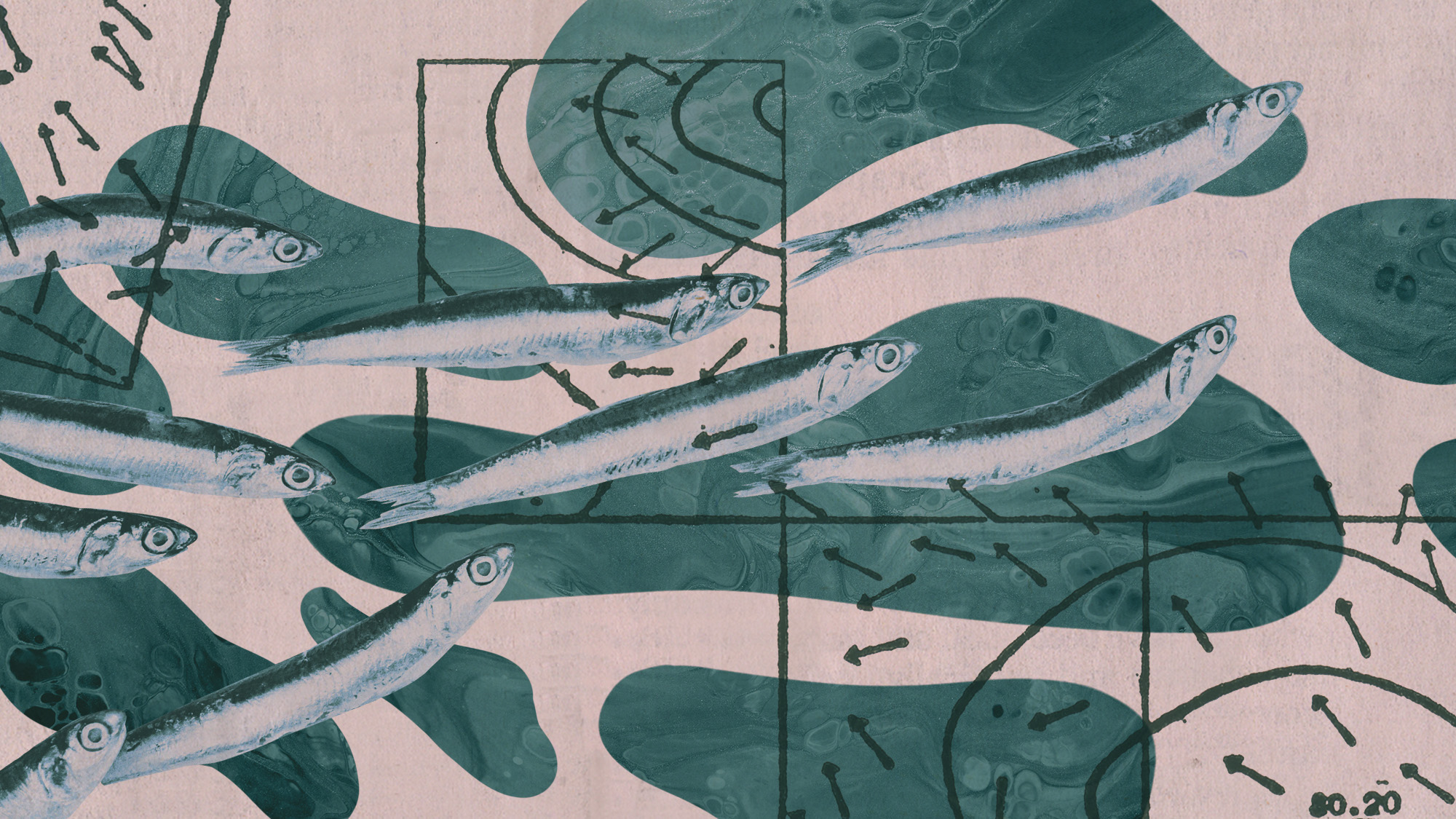
The supply of one of the world’s most important commodities is suffering a “huge disruption”, said Javier Blas on Bloomberg – it’s the “humble anchovy”. The tiny fish may sound “utterly mundane”, but it’s at “the bottom of a crucial chain”.
Anchovies are the main ingredient in fishmeal, which is used to feed farmed seafood like salmon and prawns. But a drop in the catch has caused global fishmeal production to plummet by an estimated 40% in a year. Prices are now up 80% since last year to “an all-time high”, threatening a knock-on effect on the global aquaculture industry – and food prices. The culprit? This year’s El Niño.
Most of the tinned anchovies bought in Britain come from Mediterranean fisheries. But fishmeal is primarily made with the South American species, anchoveta. Peru is “the Saudi Arabia of anchovies”, added Blas. Combined with Ecuador and Chile, the catch there accounts for nearly a third of the world’s fishmeal production.
Around Peru, the “unusually warm waters” in the Pacific, linked to El Niño, have dramatically reduced the anchovy population, according to The Times. The weather pattern “reduces the nutrient-rich upwellings on which the fish depend”.
The “anchovy crisis” is a reminder of “the surprising ways in which the world is wired today”, where weather in Peru can increase fish costs in European supermarkets, said Blas. It’s also “a warning sign that El Niño will have significant impacts on global food prices – far greater than those from the war in Iran”. |